

.png)
Marangu Gate - Mandara Hut - Horombo Hut - Kibo Hut - Uhuru Peak
5 Days Kilimanjaro Climb: Marangu Route
Introduction
The 5-day Marangu Route is the shortest and most accessible way to reach the Roof of Africa. Known as the Coca-Cola Route, it is the only Kilimanjaro route with hut accommodation, offering a unique trekking experience through lush rainforest, alpine meadows, and lunar landscapes. This itinerary is designed for fit trekkers seeking a fast yet rewarding summit attempt via the classic Marangu trail.
Why This Route?
Shortest Route
The fastest way to summit Kilimanjaro in just 5 days. Ideal for experienced trekkers with limited time who want to reach Uhuru Peak.
Hut Accommodation
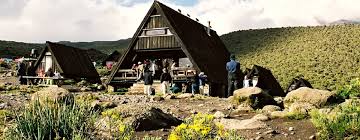
The only Kilimanjaro route with mountain huts. Sleep in comfortable A-frame huts with bunk beds, dining areas, and solar lighting.
Rainforest Trek
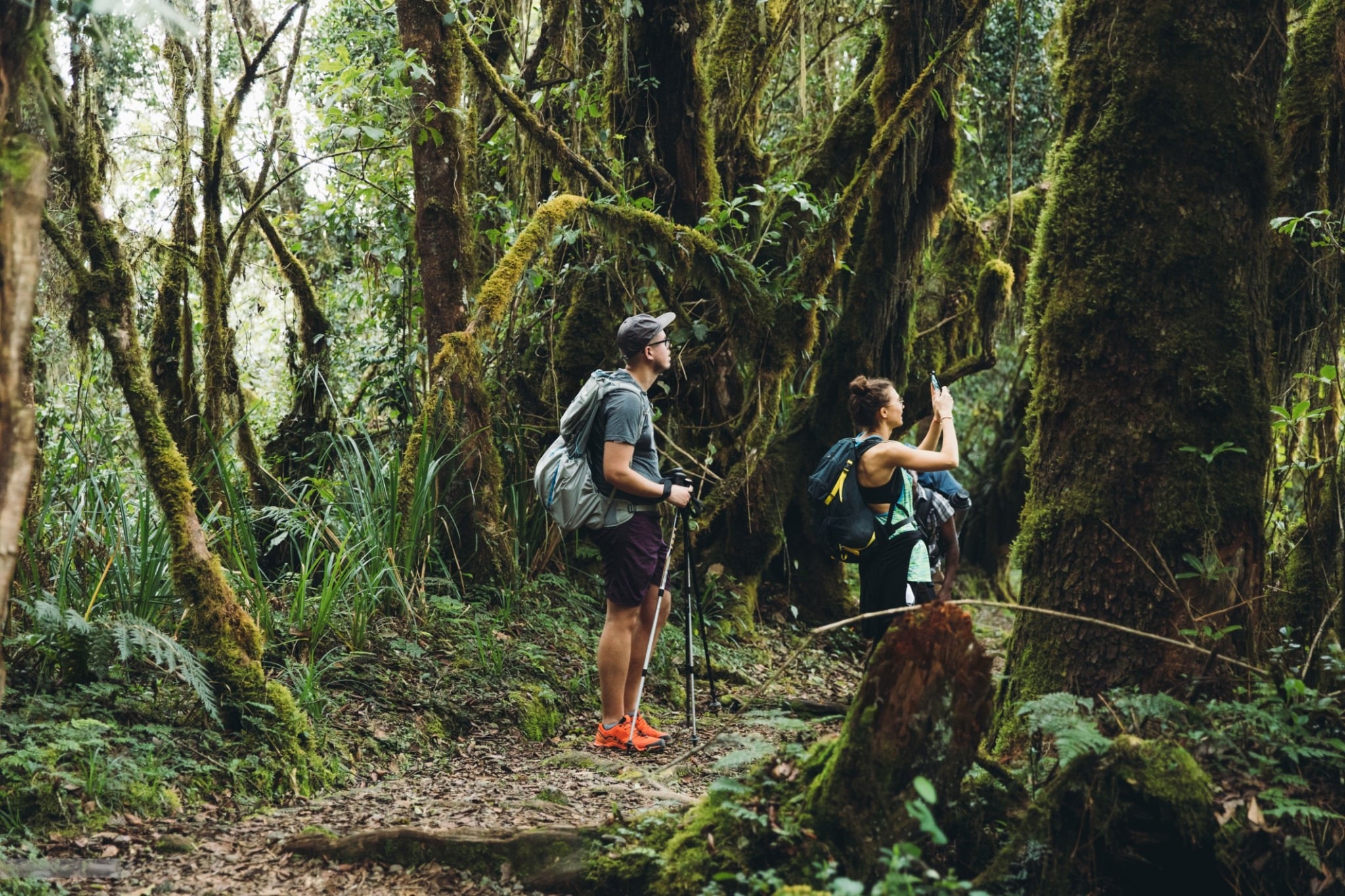
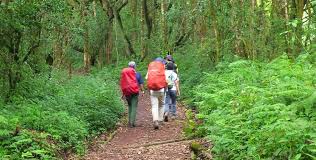
Day 1 takes you through the lush montane rainforest of Kilimanjaro National Park with towering trees, colobus monkeys, and exotic birds.
Summit Success
Our expert guides use proven acclimatisation techniques, a slow pace, and constant monitoring to maximise your chance of reaching the summit.
Affordable Option
The Marangu Route offers the most budget-friendly Kilimanjaro climb without compromising on safety, guide expertise, or support crew.
Expert Guides
All climbs are led by certified, experienced mountain guides with comprehensive first aid training and altitude sickness recognition skills.
Tour Highlights
- Marangu Gate — Start at the historic park entrance at 1,870m
- Mandara Hut — Spend the night in a mountain hut at 2,700m
- Horombo Hut — Acclimatise with views of Kibo and Mawenzi peaks
- Kibo Hut — Last stop before summit at 4,700m altitude
- Uhuru Peak — Reach Africa's highest point at 5,895m at sunrise
- Rainforest Trek — Walk through lush montane forest on day one
- Lunar Desert — Cross the alien landscape of the saddle area
- Summit Sunrise — Witness the sun rise over the African continent
Detailed Itinerary
Each day is carefully planned to balance altitude gain with rest, ensuring the best possible acclimatisation for your summit attempt. Below is the complete day-by-day breakdown of your 5-day Marangu Route climb.
Marangu Gate (1,870m) to Mandara Hut (2,700m)
Your Kilimanjaro adventure begins with a drive from Moshi to Marangu Gate (about 1.5 hours). After registration with the Kilimanjaro National Park authorities, you start your trek through the enchanting montane rainforest. The well-maintained trail winds through dense vegetation filled with towering camphorwood trees, colourful wildflowers, and ancient ferns. Keep your eyes peeled for black-and-white colobus monkeys leaping through the canopy and the vibrant plumage of turaco birds. The gentle incline makes for a pleasant introductory hike, culminating at Mandara Hut, a cluster of A-frame wooden huts nestled in a forest clearing. After settling in, take an optional short walk to Maundi Crater for spectacular views of the surrounding landscape and, on clear days, the distant peak of Kibo.
Mandara Hut (2,700m) to Horombo Hut (3,720m)
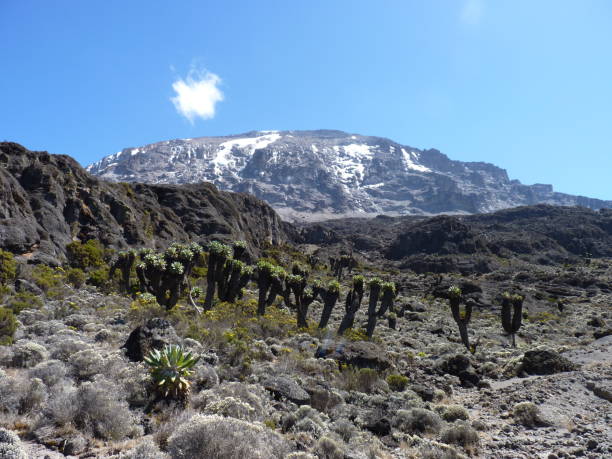
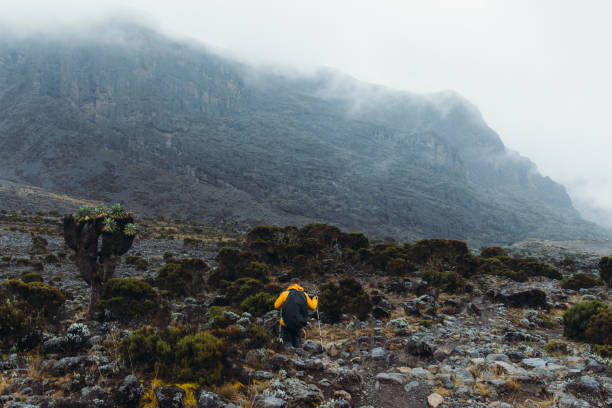
Today you leave the rainforest behind and ascend into the moorland zone. The trail opens up as the vegetation transitions from dense forest to open heathland dotted with giant heather, protea bushes, and the iconic Kilimanjaro giant groundsel (Senecio kilimanjari). The sweeping views become increasingly dramatic with every step, revealing the sheer scale of Kilimanjaro. You will pass through the "Garden of the Senecio" where these bizarre prehistoric-looking plants dominate the landscape. Horombo Hut is a large hut complex set on a gentle slope with spectacular views of the twin peaks of Mawenzi and Kibo. This is your home for the next two nights, strategically placed for optimal acclimatisation.
Horombo Hut (3,720m) to Kibo Hut (4,700m)
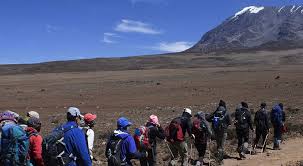
Today you cross the vast alpine desert of the saddle between Mawenzi and Kibo. This is a stark, otherworldly landscape of volcanic scree, ancient lava flows, and hardy tussock grass. The trail is exposed and can be windy, but the views of both peaks are truly magnificent. Kibo Hut sits at the base of the summit cone — a simple stone building that serves as the launch point for your midnight summit attempt. This is a challenging day due to the altitude, and you will feel the thin air with every step.
SUMMIT DAY: Kibo Hut (4,700m) to Uhuru Peak (5,895m) to Horombo Hut (3,720m)
Summit night is the most challenging and rewarding part of your Kilimanjaro climb. You will start at midnight, hiking by headlamp through the freezing darkness up the steep scree slope to the crater rim at Gillman's Point (5,681m). From there, a gradual traverse around the crater edge leads to the true summit at Uhuru Peak (5,895m). Watching the sunrise over the African continent from the Roof of Africa is an experience that will stay with you forever. After celebrating at the summit, you descend all the way back to Horombo Hut for a well-earned rest.
Horombo Hut (3,720m) to Marangu Gate (1,870m) to Arusha
Your final day on the mountain is a joyful descent through all the climate zones you passed on the way up. The trail winds back through moorland, across streams, and into the lush rainforest where your journey began. The sense of accomplishment grows with every mile as the air becomes thicker and warmer. At Marangu Gate, you will be presented with your official summit certificate — green for Gilman's Point and gold for Uhuru Peak — before your driver transfers you back to your hotel in Moshi or Arusha for a hot shower and a celebratory dinner.
Destinations You'll Explore
Kilimanjaro National Park
A UNESCO World Heritage Site covering the entire Kilimanjaro massif above the tree line. The park protects five distinct ecological zones from rainforest to arctic summit and is home to a wealth of endemic flora and fauna.
Marangu Route
Known as the Coca-Cola Route, the Marangu Route is the oldest and most established trail on Kilimanjaro. It is the only route with hut accommodation and offers a scenic, well-maintained path through some of the mountain's most beautiful landscapes.
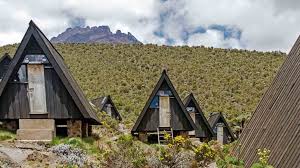
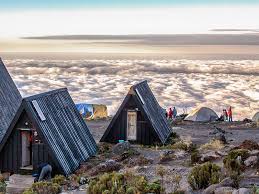
Mountain Huts
The A-frame mountain huts on the Marangu Route provide comfortable shelter with bunk beds, mattresses, dining areas, and basic amenities. They offer a unique social atmosphere and protection from the elements, making this route accessible to a wide range of trekkers.
| Included |
|
|---|---|
| Excluded |
|
| Transport |
|
Kilimanjaro Trekking Zones
Kilimanjaro's five ecological zones offer a remarkable diversity of landscapes, from tropical rainforest to arctic ice cap.
- Rainforest Zone (1,800-2,800m): Lush montane forest with towering trees, mosses, ferns, and diverse birdlife including colobus monkeys
- Moorland Zone (2,800-4,000m): Open heathland with giant heather, protea, and the iconic giant groundsel (Senecio) plants
- Alpine Desert (4,000-5,000m): Stark, rocky landscape with sparse vegetation — hardy lichens and mosses only
- Arctic Zone (5,000+ m): Barren scree, ice, and snow. Temperatures can drop to -20°C at night with strong winds
- Glacier Summit (5,895m): The iconic snow-capped summit with the famous sign marking the Roof of Africa
- Volcanic Crater: The dormant Kibo crater features ice cliffs, fumaroles, and the stunning inner crater
Photo Gallery
Marangu Route TrailKibo Peak View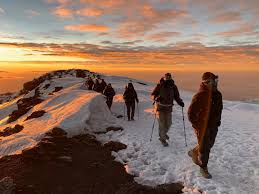 Mountain Huts
 Summit Sunrise
 Alpine Desert
 Rainforest Trek
 Mandara Hut Interior
 Marangu SceneryHiking Marangu Route
Location
What Our Climbers Say
Join thousands of satisfied climbers who have reached Uhuru Peak with us.
Frequently Asked Questions
Is the 5-day Marangu Route too short?
The 5-day Marangu Route is the fastest itinerary to the summit. It is more demanding due to faster ascent, but achievable for fit trekkers. Proper acclimatisation is essential.
What is the Marangu Route also known as?
The Marangu Route is also called the Coca-Cola Route because it is the most popular and accessible route, offering hut accommodation instead of camping.
What is the accommodation on the Marangu Route?
The Marangu Route features mountain huts with bunk beds, mattresses, dining areas, and basic amenities. Sleeping bags are still required.
How difficult is the 5-day Kilimanjaro climb?
The climb is strenuous and requires good physical fitness. Summit night involves hiking at high altitude for 6-8 hours. Previous trekking experience is recommended.
What is the success rate of the 5-day Marangu Route?
The 5-day route has a lower success rate than longer itineraries due to faster ascent. Proper acclimatisation, hydration, and experienced guides improve your chances.
What should I pack for the Marangu Route?
Pack warm layers, waterproof jacket and trousers, hiking boots, headlamp, sleeping bag, trekking poles, water bottles, snacks, sunscreen, hat, gloves, and camera.
When is the best time to climb the Marangu Route?
The best times are January-March and June-October. These months offer the most stable weather conditions with clear skies and minimal rainfall.
Do I need a guide to climb Kilimanjaro?
Yes, all climbers must be accompanied by a licensed guide. It is required by park regulations and essential for safety.
What altitude sickness prevention measures are in place?
Our guides monitor all climbers for symptoms, use a slow pace policy, ensure proper hydration, and carry oxygen and first aid kits. The 'pole pole' (slowly slowly) approach is key.
How much does the 5-day Marangu Route cost?
Please contact us for a personalised quote. Prices vary based on group size, season, and inclusions.
Can I shower on the Marangu Route?
Most huts have basic shower facilities available for a small fee (solar-heated water). Availability is not guaranteed.
Is travel insurance necessary?
Yes, comprehensive travel insurance covering high-altitude trekking (up to 6,000m) and medical evacuation is mandatory.
What age restrictions apply?
The minimum age for climbing Kilimanjaro is 10 years. All minors must be accompanied by a parent or guardian.
How many people are in a group?
Our groups range from 2 to 12 climbers plus a full support crew including guides, porters, and cooks.
What fitness level do I need?
Good cardiovascular fitness is essential. We recommend regular cardio exercise, hiking with a loaded pack, and stair climbing in the months before your trek.
Ready to Conquer Kilimanjaro?
Book your 5-day Marangu Route climb and experience the adventure of a lifetime.