

.png)
Machame Route · Tanzania
6 Days Kilimanjaro Climbing — Machame Route
Why the Machame Route?
The Machame Route, famously known as the "Whiskey Route", is Kilimanjaro's most popular and scenic trekking path. It offers stunning landscapes across five distinct climate zones — from lush rainforest to alpine desert to the arctic summit. Its "climb high, sleep low" profile maximizes acclimatization, giving you the best chance of reaching Uhuru Peak.
Scenic Beauty
Trek through 5 climate zones from rainforest to arctic summit, each with unique flora and breathtaking vistas.
High Success Rate
The "climb high, sleep low" profile maximizes acclimatization, giving you the best chance of reaching the summit.
Whiskey Route
Known for dramatic landscapes, towering cliffs, sweeping glaciers, and the famous Barranco Wall — an exhilarating scramble.
Expert Guides
Our certified, experienced mountain crew are trained in altitude medicine, first aid, and wilderness rescue.
Quality Equipment
High-altitude sleeping tents, spacious mess tent, camp tables, and hot nutritious meals prepared fresh daily.
Summit Support
Professional support throughout your climb with guide-to-climber ratios ensuring personalized care and safety.
Tour Highlights
- Summit Africa's highest peak (5,895m)
- Traverse 5 distinct climate zones
- Conquer the Barranco Wall
- Overnight at Lava Tower (4,630m)
- Sunrise from Stella Point
- Glacier views from the Roof of Africa
- Certificate of Achievement
- Professional summit photography
Detailed Itinerary
Each day is carefully crafted to maximize acclimatization while ensuring you experience the best of Kilimanjaro's stunning landscapes. Below is a complete breakdown of your 6-day Machame Route adventure.
Arrive Moshi → Machame Gate → Machame Camp
Your adventure begins with a morning pickup from your hotel in Moshi (elevation 890m). After a short drive to Machame Gate (1,800m), complete registration formalities while your porters prepare the gear. Begin your trek through the enchanting montane rainforest, following a steep trail that winds through giant ferns and moss-draped trees. Listen for the calls of colobus monkeys and the vibrant birdlife. After approximately 5-7 hours, arrive at Machame Camp (3,000m) for your first night on the mountain.
Machame Camp → Shira Camp
After breakfast, leave the rainforest behind as you ascend into heath and moorland. The trail climbs steadily up a steep ridge, offering your first panoramic views of the surrounding landscape. The vegetation transitions to giant heather, lobelia, and groundsels. Arrive at Shira Camp (3,845m) perched on the Shira Plateau, a high-altitude desert formed by an ancient volcanic crater. The afternoon is free for acclimatization walks around the plateau. Sunset views over Mount Meru and the Rift Valley are spectacular.
Shira Camp → Lava Tower → Barranco Camp
This is a critical acclimatization day following the "climb high, sleep low" principle. Ascend to Lava Tower (4,630m), a striking volcanic rock formation, for lunch and high-altitude exposure. Enjoy panoramic views of the western breach and the glaciers. Then descend to Barranco Camp (3,960m) for the night. This descent to a lower altitude for sleeping significantly aids acclimatization. The afternoon reveals stunning views of the Breach Wall and the Heim Glacier.
Barranco Camp → Karanga Camp
After an early breakfast, tackle the legendary Barranco Wall — a steep but non-technical scramble. This is one of the most exhilarating sections of the Machame Route. Your guide will navigate you safely up the wall with stunning views of the valley below. After reaching the top, traverse across the Karanga Valley with its undulating trail before ascending to Karanga Camp (4,035m). This is the final camp before Barafu and offers spectacular sunset views.
Karanga Camp → Barafu Camp
A short but important day. After breakfast, trek steadily uphill for approximately 3-4 hours to Barafu Camp (4,673m), the primary base camp for summit night. The terrain is rocky, alpine desert with sparse vegetation. Upon arrival, rest and hydrate thoroughly. Your guides will serve an early dinner at around 5:00 PM, after which you must sleep as much as possible. You will be woken around midnight for the final summit push — the most challenging yet rewarding part of the entire trek.
Barafu Camp → Uhuru Peak → Mweka Gate → Arusha
The most important day of your life! Awake at midnight for tea and snacks, then begin the grueling summit ascent. The steep trail climbs through scree and switchbacks in freezing temperatures. Reach Stella Point (5,756m) at the crater rim just as dawn breaks — the sunrise over Africa is unforgettable. Continue along the crater rim to Uhuru Peak (5,895m), the highest point in Africa. Celebrate, take photos, and receive your summit certificate. Descend back to Barafu Camp for a short rest, then continue down through the rainforest to Mweka Gate. Transfer back to your hotel in Arusha.
Included / Excluded
| Included |
|
|---|---|
| Excluded |
|
| Transport |
|
Destinations
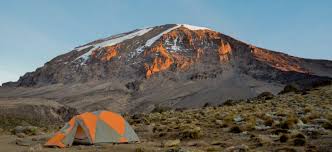
Kilimanjaro National Park
A UNESCO World Heritage Site spanning 5 distinct climate zones. Home to Africa's highest peak and an incredible diversity of flora and fauna from rainforest elephants to the endemic Kilimanjaro tree hyrax.
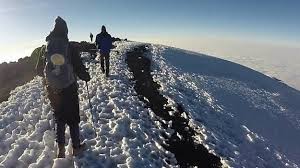
Machame Route
The "Whiskey Route" is Kilimanjaro's most scenic and popular trail. Known for its dramatic landscapes, the Barranco Wall scramble, and high summit success rate due to its excellent acclimatization profile.

Mweka Route (Descent)
The designated descent route from Kilimanjaro, passing through dense montane rainforest. The trail is steep and can be slippery but offers a beautiful close to your Kilimanjaro adventure with lush vegetation and wildlife.
Photo Gallery
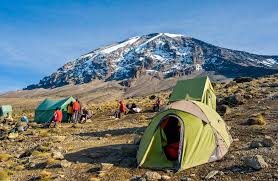 Machame TrailShira Plateau
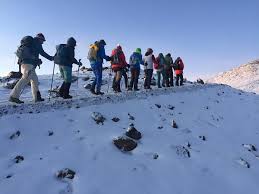 Barranco Wall
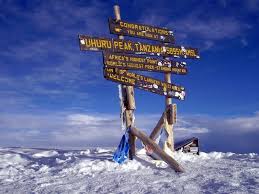 Uhuru Peak
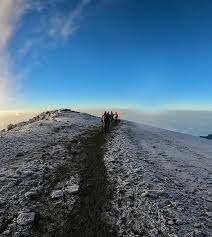 Glacier Views
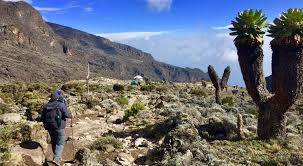 Mountain Camp
Location
What Our Climbers Say
Join thousands of satisfied climbers who have conquered Kilimanjaro with us.
Frequently Asked Questions
How difficult is the 6-Day Machame Route?
The Machame Route is considered challenging. Trekkers must be in good physical condition and prepared for long days of hiking at altitude. The "climb high, sleep low" profile helps with acclimatization.
What is the best time to climb Kilimanjaro via Machame?
The best times are January-March and June-October. January-February and July-September offer the warmest and clearest conditions with the highest summit success rates.
What fitness level is required for the Machame Route?
A good level of fitness is essential. Regular cardio training, hiking practice, and stair climbing for 2-3 months before the trek is recommended. You don't need to be an athlete but you must be prepared.
How does altitude affect climbers on the Machame Route?
Altitude affects everyone differently. The 'climb high, sleep low' profile of the Machame Route helps with acclimatization. Symptoms include headaches, fatigue, and loss of appetite. Our guides are trained in altitude sickness recognition and response.
What should I pack for the 6-Day Machame Route?
Pack layered clothing, waterproof jacket and pants, warm down jacket, hiking boots, sleeping bag (rated to -10°C), headlamp, trekking poles, water bottles, sunscreen, hat, gloves, and a small first aid kit.
What is the minimum age for the Machame Route?
The minimum age to climb Kilimanjaro is 12 years old. Younger children may be considered on a case-by-case basis with a medical certificate. All minors must be accompanied by a parent or guardian.
What are the group sizes for the Machame trek?
Our groups range from 2 to 12 climbers, with a minimum of 2 for a confirmed departure. Private treks are available for solo travelers or those who prefer a more personalized experience.
What type of accommodation is provided on the mountain?
You will sleep in high-quality mountain tents with sleeping mats. We provide a spacious mess tent for dining, a camp table and chairs, and a portable toilet. The tents are 4-season rated for high altitude conditions.
What meals are provided on the trek?
Full board meals are included: breakfast, lunch, and dinner. Hot meals are prepared fresh daily by our mountain cook. Expect porridge, eggs, and toast for breakfast; soups, pasta, and vegetables for lunch and dinner.
How much should I tip the crew?
Tipping is customary. Recommended amounts are $20-30 per day for guides, $15-20 per day for cooks, and $10-15 per day for porters. Tips are typically pooled and distributed at the end of the trek.
Are park fees included in the price?
Yes, all Kilimanjaro National Park entry fees, camping fees, rescue fees, and VAT are included in our package. There are no hidden charges.
Can I rent equipment on site?
Yes, we offer rental equipment including sleeping bags, trekking poles, down jackets, headlamps, and gaiters. Please inquire about availability and pricing when booking.
What is the guide-to-climber ratio?
We maintain a ratio of 1 guide per 2-3 climbers with experienced assistant guides, a cook, and porters to support your trek. This ensures personalized attention and safety at all times.
What is the weather like on the Machame Route?
Weather varies dramatically by altitude. The rainforest zone can be wet and humid, the heath zone is temperate, the alpine desert is dry and cold with intense sun, and summit night temperatures can drop to -15°C or lower.
Will I receive a certificate after summiting?
Yes, all successful summiters receive an official certificate from Kilimanjaro National Park at Mweka Gate. Your name, summit date, and the peak elevation (5,895m) are printed on the certificate.
Ready to Conquer Kilimanjaro?
Book your 6-Day Machame Route climb with expert guides and the highest safety standards.