.png)
Tanzania Foods
From the smoky nyama choma of the Maasai plains to the spiced pilau of Zanzibar's alleyways, the peanut-rich mchicha of the coast to the banana-based stews of the Chagga highlands - Tanzania's cuisine is the story of 120 tribes, centuries of Indian Ocean trade, and one of the most diverse food cultures on the African continent.
Food in Tanzania is not merely fuel. It is geography, history, and identity plated together. The country's cuisine has been shaped by 120 distinct ethnic groups, centuries of trade with Arabia, India, and Europe, and the staggering diversity of its land - from the coconut-fringed Swahili coast to the banana plantations of Kilimanjaro, from the cattle-herding plains of the Maasai to the freshwater fisheries of Lake Victoria and Lake Tanganyika. This guide draws on culinary scholarship, food journalism, local knowledge, and the testimony of travellers to provide the most comprehensive portrait of Tanzanian food ever assembled - from the national staple of ugali to the street-food sizzle of chipsi mayai, from the ceremonial pilau of Zanzibar weddings to the hunter-gatherer honey of the Hadzabe. Whether you are a first-time visitor wondering what to order at a Moshi restaurant, a returning safari-goer curious about the food you were served at camp, or simply a lover of world cuisine, this is your complete guide to the flavours of Tanzania.
I. The Foundation of Every Meal: Ugali and the Tanzanian Plate
There is a dish that unites every tribe, every region, every economic class in Tanzania. It is ugali. Made by slowly stirring maize flour (cornmeal) into boiling water until it forms a thick, stiff, dough-like mass, ugali is Tanzania's national dish - the culinary constant across a country of 65 million people. It is what rice is to Asia, what bread is to Europe: the foundation upon which every meal is built. A meal without ugali is, in many Tanzanian households, not truly a meal at all.
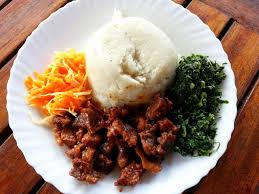
Ugali is almost aggressively simple - maize flour, water, and the labour of stirring - but its role in Tanzanian food culture is profound. It is the anchor that balances the richly spiced stews, the smoky grilled meats, and the coconut-creamy vegetable dishes that accompany it. It is eaten by hand: you tear off a small piece with your right hand, shape it into a ball, press an indentation into it with your thumb, and use it to scoop up the accompanying sauce or vegetables. This tactile, intimate relationship with food - literally shaping your eating utensil from the food itself - is one of the most distinctive aspects of the Tanzanian dining experience.
Ugali is most commonly made from white maize flour, but variations exist across the country. Along the coast and in Zanzibar, ugali wa nasi incorporates coconut milk for a richer, slightly sweet version. In the cassava-growing regions of the south and west, cassava flour may replace or supplement the maize. In times of celebration or when budgets allow, ugali made from millet or sorghum flour - known as ugali wa mtama - is considered a premium, more nutritious alternative with a slightly nutty flavour. The dish is closely related to nsima in Malawi and Zambia, pap in South Africa, fufu in West Africa, and sadza in Zimbabwe - part of a broad African family of stiff porridges that form the backbone of sub-Saharan cuisine.
II. Nyama Choma: The Smoky Soul of Tanzanian Social Life
If ugali is the foundation, nyama choma is the celebration. The phrase translates literally from Swahili as "grilled meat" - nyama (meat) and kuchoma (to grill or roast) - but that translation fails to capture the cultural weight this dish carries. Nyama choma is not merely something Tanzanians eat; it is an event, a social ritual, and arguably the most beloved food in the country. Its origins are deeply tied to the Maasai people, the semi-nomadic pastoralists who have roamed the East African plains for centuries. The Maasai, whose traditional diet revolved around cattle - raw milk, raw blood, and meat - perfected the art of slow-grilling over open charcoal fires, a technique born of the pastoralist lifestyle where cooking was done in the open on the savannah.
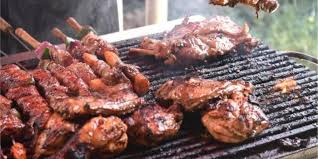
Today, nyama choma is typically made with goat or beef, though chicken, mutton, and even fish versions exist. The meat is seasoned simply - salt, sometimes a marinade of ginger, garlic, lemon, and local spices - and then placed on a grill over low, smouldering charcoal. The key is patience: good nyama choma is cooked slowly, sometimes for an hour or more, allowing the fat to render, the exterior to crisp and blacken slightly, and the interior to remain tender and juicy. The result is meat with a deep, smoky flavour and a texture that ranges from crisp at the edges to melting in the centre.
Nyama choma is invariably served with kachumbari - a fresh salad of chopped tomatoes, onions, and sometimes cucumber and chilli, dressed with lemon juice or vinegar and salt. The bright acidity of kachumbari cuts through the richness of the grilled meat, creating a balance that is one of the most satisfying flavour combinations in African cuisine. A cold beer - typically a local brew like Kilimanjaro, Safari, or Serengeti - is the traditional accompaniment, and the combination of smoky meat, tangy salad, and cold lager on a warm Tanzanian evening is, for many, the definitive taste of the country. Nyama choma is so central to Tanzanian culture that there is even a Nyama Choma Festival, launched to celebrate "different grilling skills with different marinades and creativity with meat and food."
III. Pilau, Biryani, and Wali wa Nazi: The Spiced Rice Traditions of the Swahili Coast
The Swahili coast - stretching from southern Somalia through Kenya and Tanzania to northern Mozambique - has been a crossroads of the Indian Ocean for over a millennium. Arab dhows, Persian merchants, Indian traders, and European colonisers all left their mark on the region's food, and nowhere is this more evident than in the rice dishes of coastal Tanzania and Zanzibar. Pilau (also spelled pilao) is the most iconic. Originally brought to East Africa by Arab and Indian traders, pilau is a one-pot dish of rice cooked in a richly spiced broth with meat - typically beef, goat, or chicken - and a blend of whole spices: cardamom, cinnamon, cloves, cumin, and black pepper. The rice is first saut?ed with onions and the spices until fragrant, then the meat and stock are added, and the pot is covered and steamed until the rice is fluffy and infused with the aromatic oils. The dish was traditionally reserved for special occasions - weddings, Eid celebrations, and the end of Ramadan - but today it is a staple of Swahili home cooking and restaurant menus alike.
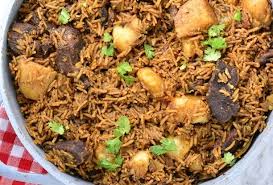
Closely related is biryani - a more elaborate dish where partially cooked rice is layered with spiced meat (or vegetables), topped with saffron-infused milk, fried onions, and sometimes raisins and cashews, then sealed and slow-cooked to allow the flavours to meld. Zanzibari biryani is distinct from its Indian and Pakistani antecedents; it is lighter, less oily, and flavoured with the island's abundant spices - particularly cloves, which made Zanzibar one of the world's most important spice producers for centuries. Alongside the spiced rice dishes, wali wa nazi - coconut rice - is a gentler, everyday staple of the coast. Rice is simply cooked in coconut milk instead of water, sometimes with a pinch of cardamom or a pandan leaf, resulting in a fragrant, subtly sweet rice that pairs beautifully with fish curries, octopus in coconut sauce (pweza wa nazi), and vegetable stews. These three rice dishes - pilau for celebration, biryani for feasting, wali wa nazi for the everyday - form the backbone of Swahili coastal cuisine.
IV. Street Food: Chipsi Mayai, Mishkaki, and the Sizzling Side of Tanzanian Life
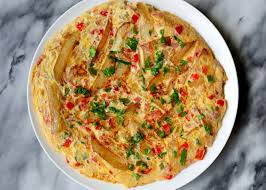
As dusk falls over Dar es Salaam, Dodoma, or Arusha, the streets come alive with the sound of sizzling oil and the smell of grilled meat. Tanzania's street food culture is vibrant, affordable, and deeply democratic - eaten by everyone from office workers to schoolchildren to travellers on a budget. The undisputed king of Tanzanian street food is chipsi mayai (sometimes written chips mayai), a gloriously simple dish that combines two universal comfort foods: French fries and eggs. The chips are fried until crisp, then beaten eggs are poured over them in a hot pan, and the whole thing is cooked into a thick, golden omelette studded with crispy potato. It is typically served with kachumbari (the omnipresent tomato-onion salad) and a squirt of tomato sauce or chilli sauce. Chipsi mayai is filling, cheap (usually TZS 1,500-3,000, or well under $2), and available at virtually every street corner in urban Tanzania. It is, as one food writer described it, "Tanzania's model of comfort and ease food items - what's not to love?"
Running a close second in the street food hierarchy is mishkaki - skewered pieces of marinated meat (beef, goat, or mutton) grilled over charcoal until blackened on the outside and tender within. The marinade typically includes ginger, garlic, lemon juice, chilli, and salt - a deceptively simple combination that produces deeply flavourful results. Mishkaki are sold by street vendors from small charcoal grills set up on the pavement, often alongside roasted plantains, cassava, or corn on the cob. They cost a few hundred shillings per skewer and are eaten as a snack, a light meal, or - piled onto a plate with chips and salad - a full dinner.
Other beloved street foods include mandazi - East African doughnuts made with coconut milk, cardamom, and sometimes grated fresh coconut, fried until golden and slightly crisp on the outside, soft and airy within. Mandazi are eaten at any time of day - for breakfast with chai (spiced tea), as a mid-morning snack, or as a sweet finish to a meal. Vitumbua are small, round rice cakes fried in a special moulded pan, with a crispy exterior and a soft, custard-like centre, made from a batter of rice flour, coconut milk, sugar, and yeast. And in Zanzibar, the Zanzibar pizza - a thin layer of dough filled with minced meat, cheese, egg, onions, and peppers, folded and fried on a hot griddle - is a legendary Forodhani Night Market staple that draws queues of locals and tourists alike every evening.
V. The Zanzibar Kitchen: Urojo, Octopus Curry, and the Flavours of the Indian Ocean
Zanzibar's cuisine deserves its own section, not merely because it is different from mainland Tanzanian food, but because it is one of the most distinctive and celebrated food cultures in all of Africa. The "Spice Island" - which for centuries was the world's leading producer of cloves and a major source of nutmeg, cinnamon, and black pepper - developed a cuisine that fuses African, Arab, Indian, Persian, and even Portuguese influences into something utterly unique. The most famous Zanzibari dish is perhaps urojo, also known as Zanzibar Mix. This is a tangy, spicy soup that functions as a complete meal: a turmeric-tinted broth is ladled over a bowl of crispy potato fritters, boiled eggs, grilled meat or chickpea fritters (bajia), raw mango and cucumber, and a generous drizzle of coconut chutney and tamarind sauce. The result is a riot of textures and flavours - crunchy, soft, sour, spicy, sweet, and savoury all at once - and it is the defining taste of Stone Town's street food scene, best experienced at the Forodhani Night Market.
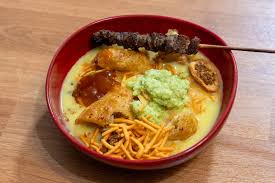
Seafood is the heart of Zanzibari cooking. Pweza wa nazi - octopus cooked in a rich, concentrated coconut milk sauce with turmeric, garlic, ginger, and lime - is a dish that captures the essence of the island's cuisine: the freshest seafood, the creamiest coconut, and the perfumed spices that made Zanzibar famous. Fish is similarly treated: grilled over charcoal and basted with a spiced coconut marinade, or simmered in a tamarind-tomato sauce. The Swahili coast also gave Tanzania samaki wa kupaka - fish smothered in a thick, spiced coconut sauce and grilled or baked until the sauce caramelises slightly on the fish. Beyond seafood, Zanzibar is famous for its kaimati - sweet fried dough balls drizzled with syrup - and visheti, which are similar cardamom-scented doughnuts. The island's desserts are a legacy of the Arab and Indian traders who settled here centuries ago, and they remain an essential part of festive meals and Ramadan iftar tables.
VI. Tribal Cuisines: How the Chagga, Maasai, and Haya Eat
Tanzania's 120 ethnic groups each have their own food traditions, and the diversity is extraordinary. The Chagga people of Mount Kilimanjaro - among the most economically successful groups in the country - are agriculturalists whose cuisine reflects the fertility of their volcanic homeland. The Chagga diet is built on ndizi (bananas and plantains), which are eaten in multiple forms: boiled, fried, mashed, or stewed with meat. One of their signature dishes is machalari, a hearty stew made with beef or goat, plantains, and local spices, slow-cooked over a fire. The Chagga also produce mbege, a traditional alcoholic beverage made by fermenting a mixture of bananas and finger millet - a drink that has been central to Chagga ceremonies and social life for centuries. A Chagga proverb captures the importance of the crop: "A Chagga without ndizi is like a Maasai without cattle."
The Maasai, in stark contrast, are historically pastoralists whose traditional diet is one of the most distinctive on Earth. The Maasai diet was traditionally built around cattle: raw milk, raw blood, and raw meat. Blood was drawn from a living cow's jugular vein - a practice that does not kill the animal - and mixed with milk to create a protein-rich drink. Meat was eaten primarily on ceremonial occasions. Vegetables and fruits were historically absent from the Maasai diet, which was adapted to the semi-arid savannah where plant foods were scarce. In modern times, the Maasai diet has diversified considerably: many Maasai now eat ugali, rice, maize, beans, vegetables, and tea with sugar. But cattle remain the absolute centre of Maasai culture, and the traditional foods persist in ceremonial contexts. The Iraqw people of north-central Tanzania - a Cushitic group with roots in the Horn of Africa - are known for hearty, filling stews that highlight the produce of the highlands. Their cuisine features dishes made with maize, beans, potatoes, and leafy greens, often enriched with milk or meat. The Iraqw are also known for their traditional breads and porridges made from millet and sorghum, reflecting their ancient agricultural heritage.
VII. Vegetarian and Vegan Tanzania: Mchicha, Kisamvu, and the Plant-Based Bounty of the Swahili Table
While Tanzania is often associated with grilled meat, the country offers a surprisingly rich array of vegetarian and vegan dishes. This is partly because meat has historically been expensive for many households - it is a food of celebration, not daily consumption - and partly because the Swahili coast's trade connections brought a wealth of legumes, vegetables, and coconut-based cooking techniques that require no animal products. The single most celebrated vegetarian dish in Tanzania is mchicha. Despite sharing its name with the Swahili word for spinach, mchicha is not merely a spinach dish - it is a rich, thick, creamy curry made by cooking finely chopped spinach (or amaranth greens) with peanut butter, coconut milk, tomatoes, onions, and curry powder. The result is a deeply satisfying, protein-rich dish that is entirely vegan. Mchicha is typically served with ugali, rice, or chapati, and it is found on tables across the country, from Dar es Salaam restaurants to Chagga home kitchens on Kilimanjaro.
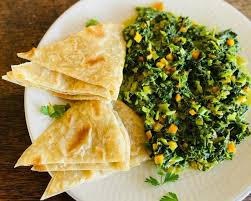
Other essential vegetarian dishes include kisamvu - cassava leaves pounded and cooked with groundnuts (peanuts) or peanut butter, similar to the saka saka of Central Africa - and maharage ya nazi, a simple but deeply comforting dish of red beans or kidney beans simmered in coconut milk with onions, garlic, and sometimes a touch of chilli. Ndizi kaanga - fried plantains, sweet or savoury, sliced and fried in oil until golden and caramelised - is a universal side dish. Kachumbari, the fresh tomato-onion-cucumber salad that accompanies almost every Tanzanian meal, is vegan by nature and provides a bright, acidic counterpoint to richer dishes. And wali wa nazi (coconut rice) is a naturally vegan staple of coastal cuisine. For travellers who follow a plant-based diet, Tanzania is far more accommodating than its meat-heavy reputation suggests - particularly if you learn the Swahili phrase "sina nyama" (without meat) and explore the wealth of legume and coconut-based dishes that form the backbone of everyday Tanzanian eating.
VIII. Drinks: From Spiced Chai to the Beers of Kilimanjaro
Tanzania's drink culture is as diverse as its food. Chai (tea) is the national beverage - strong, black tea boiled with milk, sugar, and spices (ginger, cardamom, cinnamon) to create a sweet, aromatic brew known as chai ya mkandara. It is drunk throughout the day, offered to every guest as a gesture of hospitality, and is as essential to Tanzanian social life as coffee is to Ethiopia or Italy. Coffee itself is grown on the slopes of Kilimanjaro and Mount Meru, and while historically most of Tanzania's best beans were exported, the caf? culture in Moshi and Arusha has made great strides in recent years, with roasters like Union Caf?, Spring Valley Coffee, and Connect Coffee Roasters bringing single-origin Tanzanian Arabica to local cups. On the street, coffee is sold as kahawa chungu - strong, spiced coffee brewed in a brass pot over charcoal and served in tiny handleless cups - a tradition particularly associated with Zanzibar's Stone Town.
Tanzania is also a beer-drinking nation. The major brands - Kilimanjaro Premium Lager (a crisp, light lager that is the best-selling beer in the country), Safari Lager, and Serengeti Premium Lager - are ubiquitous and affordable. A cold bottle of Kilimanjaro with a plate of nyama choma is, for many Tanzanians and visitors alike, the quintessential evening experience. Craft brewing is in its infancy but growing, with a few small breweries in Arusha and Dar es Salaam producing experimental beers. Traditional alcoholic beverages remain important in rural areas: the Chagga brew mbege from bananas and millet, the Haya produce lubisi from bananas, and the Maasai make a mildly alcoholic drink from fermented honey called wanzuki. Fresh fruit juices - mango, passion fruit, pineapple, watermelon, and baobab - are available everywhere and are among the most delicious and refreshing drinks you will ever taste. Sugarcane juice, pressed through a hand-cranked mill at street stalls, is a sweet, energising treat best enjoyed at the Forodhani Night Market in Stone Town.
IX. Tanzania's Culinary Regions: A Food Map
| Region | Signature Foods | Staple Starch | Key Flavours | Notable Tribes |
|---|---|---|---|---|
| Swahili Coast / Zanzibar | Pilau, biryani, urojo, pweza wa nazi, Zanzibar pizza, kaimati | Rice, coconut rice (wali wa nazi) | Cloves, cardamom, cinnamon, coconut, tamarind, turmeric | Swahili, Zaramo |
| Northern Highlands (Kilimanjaro / Arusha) | Machalari (plantain stew), ndizi, nyama choma, mbege beer | Bananas/plantains, maize, millet | Earthy, smoky, banana-sweet | Chagga, Arusha, Iraqw |
| Lake Victoria (Mwanza / Kagera) | Fried tilapia, dagaa (sardines), beans with plantains | Ugali, plantains, sweet potatoes | Freshwater fish, mild, bean-rich | Sukuma, Haya |
| Central (Dodoma / Singida) | Ugali with greens, maize porridge, roasted meat | Maize, sorghum, millet | Simple, hearty, grain-forward | Gogo, Nyamwezi |
| Southern Highlands (Mbeya / Iringa) | Cassava leaves, beans, roasted meat, potatoes | Maize, cassava, rice, potatoes | Mountain-grown produce, mild | Hehe, Nyakyusa |
| Maasai Steppe (Manyara / Arusha) | Milk, blood, roasted meat, honey | Milk-based (historically), now also ugali | Rich, pure, protein-dense | Maasai, Barabaig/Datoga |
| Lake Tanganyika (Kigoma / Rukwa) | Fresh fish, cassava ugali, palm oil dishes | Cassava, fish | Freshwater fish, palm oil richness | Ha, Tongwe |
X. Eating Etiquette: How to Eat Like a Tanzanian
Food in Tanzania is not merely consumed - it is shared. Meals are a communal experience, and understanding the unspoken rules of Tanzanian table culture will deepen your appreciation of the food. The most important rule: always wash your hands before eating. Most Tanzanian meals are eaten with the right hand - ugali is torn, shaped, and used to scoop; rice and stews are gathered with the fingers. The left hand is considered unclean and should never be used for eating, passing food, or shaking hands at the table. Before a meal, a bowl of warm water and soap is often brought to the table; this is not an optional extra but an essential prelude to the meal.
If you are invited to a Tanzanian home - and such invitations are common, as hospitality is deeply valued - bring a small gift: sugar, tea, or fruit are traditional. Do not begin eating until the host invites you to do so, usually with a warm "Karibu chakula" (Welcome to the food). It is polite to compliment the food - "Chakula ni kitamu sana" (The food is very delicious) - and to eat heartily, as refusing food or eating very little can be interpreted as a sign that you do not like the meal. When you are finished, leave a small amount of food on your plate; an entirely clean plate suggests you are still hungry and may prompt your host to serve you more. After the meal, it is customary to thank the host and the cook. If you are eating at a restaurant or street stall, a simple "Asante sana" (Thank you very much) is always appreciated.
What Food Lovers Often Ask About Tanzanian Cuisine
What is the single most important food in Tanzania?
Ugali - a stiff maize porridge that is the national dish and the foundation of virtually every meal. It is eaten by hand, shaped into a ball, and used to scoop sauces, stews, and vegetables. A meal without ugali is not considered complete in most Tanzanian homes.
What is Nyama Choma?
Nyama Choma ("grilled meat" in Swahili) is Tanzania's most beloved meat dish. Goat or beef is slow-grilled over charcoal until smoky, crispy outside, and juicy within. It originated with Maasai pastoralists and is served with kachumbari (tomato-onion salad) and cold beer at social gatherings.
What is Chipsi Mayai?
The king of Tanzanian street food - a French fry omelette. Crispy chips are fried, then eggs are poured over them to create a thick, golden omelette studded with potato. Served with kachumbari and chilli sauce, it costs TZS 1,500-3,000 (well under $2) and is available everywhere.
Are there good vegetarian options in Tanzania?
Yes - excellent ones. Mchicha (spinach and peanut curry with coconut milk) is the most celebrated vegetarian dish. Other options include kisamvu (cassava leaves), maharage ya nazi (beans in coconut sauce), ndizi kaanga (fried plantains), kachumbari (tomato salad), and wali wa nazi (coconut rice).
What should I eat in Zanzibar?
Must-try dishes: Urojo (Zanzibar Mix soup at Forodhani Night Market), Pilau (spiced rice), Pweza wa Nazi (octopus in coconut curry), Zanzibar Pizza (filled fried dough), Biryani, Kaimati (sweet fried dough balls), and fresh sugarcane juice pressed on the street.
What do Tanzanians drink?
Chai (spiced tea with milk, ginger, and cardamom) is the national beverage. Local beers - Kilimanjaro, Safari, Serengeti - are ubiquitous and affordable. Fresh fruit juices (mango, passion fruit, baobab), kahawa chungu (spiced coffee in Zanzibar), and traditional brews like mbege (Chagga banana-millet beer) complete the picture.
XI. Final Verdict: The Flavours of a Nation
Tanzanian food is not a single cuisine - it is 120 cuisines, layered over centuries of trade, migration, and cultural exchange. To eat in Tanzania is to taste the Indian Ocean in a bowl of Zanzibari urojo, to sense the volcanic soil of Kilimanjaro in a Chagga banana stew, to feel the Maasai savannah in a piece of charcoal-grilled nyama choma. It is a cuisine of deep simplicity - the maize and water that become ugali - and of baroque complexity - the dozen spices that perfume a Swahili pilau. It is a cuisine that rewards the adventurous eater: the street stall in Dar es Salaam serving chipsi mayai at midnight, the Forodhani vendor ladling urojo into a bowl under the Stone Town stars, the Maasai mama selling roasted maize by the roadside, the Chagga family inviting you in for a bowl of machalari.
For the traveller, food is the most direct route to understanding a place. In Tanzania, that route is rich, varied, and deeply welcoming. Learn the Swahili food words, wash your hands before the meal, tear your ugali with your right hand, and say "chakula ni kitamu" when the plate is clean. You will eat well - and you will understand this country a little better with every bite.