.png)
Your Stone Town Travel Guide
What is Stone Town?
Stone Town, also known as Mji Mkongwe (Swahili for "Old Town"), is the historic heart of Zanzibar City and a UNESCO World Heritage Site since 2000. This ancient quarter covers approximately 2 km² on the western coast of Zanzibar Island, facing the Indian Ocean. Its name derives from the coral stone buildings that characterize the architecture — a unique fusion of African, Arab, Indian, Persian, Portuguese, British, and European styles developed over centuries of trade and cultural exchange. Walking through Stone Town's labyrinthine alleys feels like stepping back in time: narrow passageways twist between towering buildings, ornate wooden balconies overhang the streets, and elaborately carved Zanzibari doors announce every entrance. Stone Town was the heart of the Omani Empire in East Africa, the center of the spice and slave trades, and the birthplace of iconic figures like Freddie Mercury.
Why Stone Town is Famous
Stone Town's fame rests on several pillars. Its UNESCO World Heritage status recognizes the exceptional Swahili coastal architecture and the town's role as a major trading hub. The Zanzibari carved doors are legendary — massive panels of mahogany and teak, decorated with brass studs, Quranic verses, and lotus motifs that once indicated the wealth and religion of the inhabitants. The House of Wonders (Beit al-Ajaib) was the first building in East Africa to have electricity and an elevator. Forodhani Gardens transform every evening into a vibrant night food market. The Anglican Cathedral stands on the site of the former slave market — a powerful memorial to Zanzibar's dark history. Stone Town is also where Freddie Mercury (Farrokh Bulsara) was born, and his childhood home is a pilgrimage site for Queen fans.
Stone Town Attractions & Highlights
House of Wonders (Beit al-Ajaib) — Built in 1883, this grand palace was the ceremonial residence of Sultan Barghash. Despite damage, it remains an iconic landmark. Old Fort (Ngome Kongwe) — A 17th-century Omani fort now hosting shops, restaurants, and the Zanzibar International Film Festival. Anglican Cathedral and Slave Market Memorial — Built on the site of Zanzibar's slave market, the memorial chapel and underground chambers are profoundly moving. Forodhani Gardens — Waterfront park that transforms at dusk into a bustling food market serving Zanzibar pizza, octopus skewers, sugarcane juice, and fresh seafood. Darajani Market — The main bazaar where locals shop for spices, meat, fish, fruit, and textiles — a sensory explosion of colors, sounds, and smells. Palace Museum (Beit al-Sahel) — Former sultan's palace showcasing Zanzibar's royal history. Freddie Mercury House — The birthplace of the Queen frontman, now a small museum and boutique hotel. Hamamni Persian Baths — 19th-century public baths built by Persian architects.
Stone Town Gallery
.jpg)
.jpg)
.jpg)
.jpg)
.jpg)
.jpg)
Unique Features of Stone Town
Stone Town's most striking feature is its labyrinthine layout — over 2,000 interconnected alleyways in just 2 km². Getting lost is part of the experience. The Zanzibari doors are unique cultural artifacts — over 800 carved doors survive in Stone Town, with Indian-style doors featuring arched tops and brass spikes, and Arab-style doors with geometric patterns and Quranic inscriptions. The coral stone architecture gives the town its name, but this porous stone also means buildings require constant maintenance. Stone Town's verandas and balconies (barazas) are where social life happens — locals sit on stone benches watching the world go by. The Swahili fusion culture is palpable in the language, cuisine, music (taarab), and daily life — a living museum where African, Arab, and Indian traditions coexist harmoniously.
Best Time to Visit Stone Town
| Month | Season | Highlights | Rating |
|---|---|---|---|
| Jan | Dry | Perfect walking weather. Clear skies. Vibrant markets. | ★★★★★ |
| Feb | Dry | Hot but ideal for sightseeing. Evening food markets lively. | ★★★★★ |
| Mar | Rains begin | Fewer tourists. Lower humidity. Good for photography. | ★★★☆☆ |
| Apr | Long Rains | Heavy downpours. Quieter streets. Lowest hotel rates. | ★★☆☆☆ |
| May | Long Rains | Wettest month. Indoor attractions recommended. | ★★☆☆☆ |
| Jun | Dry / Cool | Excellent walking weather. Pleasant evenings. Peak season begins. | ★★★★★ |
| Jul | Dry / Peak | Perfect for outdoor exploring. Cool sea breeze. | ★★★★★ |
| Aug | Dry / Peak | Peak tourist month. Lively atmosphere. Book tours ahead. | ★★★★★ |
| Sep | Dry | Warm days, cool nights. Excellent conditions for walking tours. | ★★★★★ |
| Oct | Dry / Rains | Shoulder season. Fewer crowds. Good for photography. | ★★★★☆ |
| Nov | Short Rains | Short showers. Green scenery. Quieter streets. | ★★★☆☆ |
| Dec | Rains / Dry | Festive atmosphere. Busy markets. Good weather overall. | ★★★★☆ |
★ = Rating based on walking comfort, crowds, and overall experience. Stone Town is enjoyable year-round for its indoor attractions and covered alleys.
Activities in Stone Town
Guided walking tours are the best way to navigate the labyrinth — local guides share centuries of history, point out hidden architectural gems, and explain the significance of the carved doors. Spice market tours at Darajani Market let you smell, taste, and buy cloves, nutmeg, cinnamon, vanilla, and saffron. Food tours at Forodhani Gardens offer everything from Zanzibar pizza and grilled seafood to sugarcane juice and spice tea. Sunset dhow cruises depart from the Stone Town waterfront, offering magical views of the Old Fort and House of Wonders. Museum visits — the Palace Museum, House of Wonders, and Slave Market Memorial are essential for understanding Zanzibar's complex history. Shopping for kangas, kitenge fabrics, spices, and local art in Stone Town's boutiques and markets. Photography walks through the narrow streets capture the town's unique light, shadows, and architectural details.
Accommodation in Stone Town
Stone Town offers a unique range of accommodation in restored historic buildings. Luxury: Emerson Spice ($250-500/night) — a restored Omani palace with rooftop restaurant; Serena Inn ($200-400/night) — colonial elegance on the waterfront; Park Hyatt Zanzibar ($350-700/night). Mid-Range: Tembo House Hotel ($100-200/night) — historic building with pool; Maru Maru Hotel ($120-250/night) — rooftop bar with sea views; Jafferji House & Spa ($80-150/night). Budget: Lost & Found Zanzibar ($30-60/night); Stonetown Inn ($25-50/night); many guesthouses offer rooms for $15-30/night. Most accommodation is within walking distance of the main attractions. Book ahead for peak season (Jul-Aug, Dec-Jan) when Stone Town is busiest.
Stone Town Cost & Pricing
| Category | Price Per Person | Details |
|---|---|---|
| Walking Tour | $15 – $30 | Group walking tour with local guide (2-3 hours) |
| Guided Tour | $30 – $60 | Private guided tour with entrance fees included |
| Food Tour | $40 – $80 | Forodhani Gardens food tour with tasting session |
| Private Guide | $60 – $120 | Full-day private guide with customized itinerary |
Frequently Asked Questions about Stone Town
Nearby Attractions
Stone Town's central location makes it the perfect base for exploring Zanzibar's top attractions.
- Zanzibar Island — The main island's beaches, spice plantations, and cultural sites are all easily accessible from Stone Town.
- Prison Island (Changuu) — A 30-minute boat ride from Stone Town harbor, home to giant Aldabra tortoises and excellent snorkeling.
- Nakupenda Beach — A stunning sandbar that emerges at low tide, reachable by boat from Stone Town.
- Forodhani Gardens — Adjacent to Stone Town, this waterfront park transforms into a vibrant night food market every evening.
- Darajani Market — Zanzibar's main market, a short walk from the Old Fort, offering spices, produce, meat, and local crafts.
Related Zanzibar Packages
Stone Town Heritage Walk
Guided walking tour through the UNESCO-listed labyrinth, visiting the House of Wonders, Old Fort, slave market memorial, and Forodhani Gardens.
View PackageZanzibar Culture & Spice Tour
Combine Stone Town exploration with a spice plantation visit, Darajani market tour, and a traditional Swahili cooking class.
View PackageComplete Zanzibar Experience
Stone Town sightseeing, Prison Island excursion, spice tour, beach resort stay, and sunset dhow cruise — all in one package.
View PackageHow to Book Your Stone Town Tour
Booking your Stone Town experience with African Majestic Adventure is simple:
- Step 1: Choose your preferred Stone Town itinerary or contact us for a custom plan tailored to your interests.
- Step 2: Get a detailed quote including guide, entrance fees, meals, and transfers — no hidden costs.
- Step 3: Confirm your booking with a 30% deposit. We handle all reservations and permits.
- Step 4: Receive your pre-travel briefing and local contact details 2 weeks before departure.
- Step 5: Arrive in Zanzibar — we meet you and begin your Stone Town exploration.
All packages include professional guides, entrance fees, and transfers. Custom itineraries welcome — contact us for a personalized quote.
Stone Town Location
Stone Town is located on the western coast of Zanzibar Island, forming the historic core of Zanzibar City.
-6.1625, 39.1892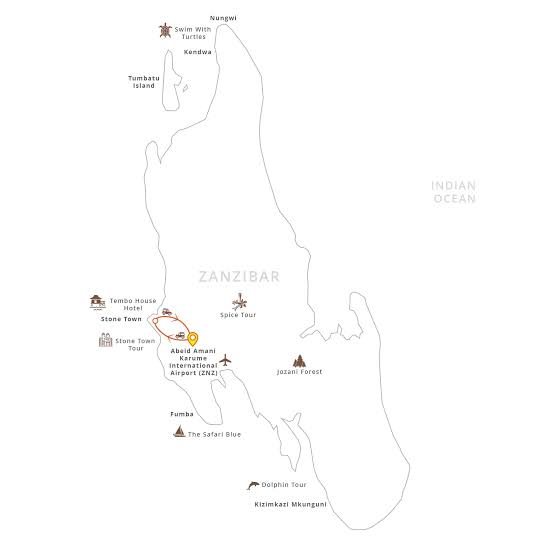 Open in Google Maps