
.jpg)
.jpg)
 Ngorongoro Conservation Area
 Volcanoes National Park
Booking
Do you offer airport pickup?
Yes — airport transfers from Kilimanjaro International Airport (JRO) are included in all our tour packages.
What payment methods do you accept?
We accept bank transfer and major payment providers for deposits and balances. Contact us for full payment details once your itinerary is confirmed.
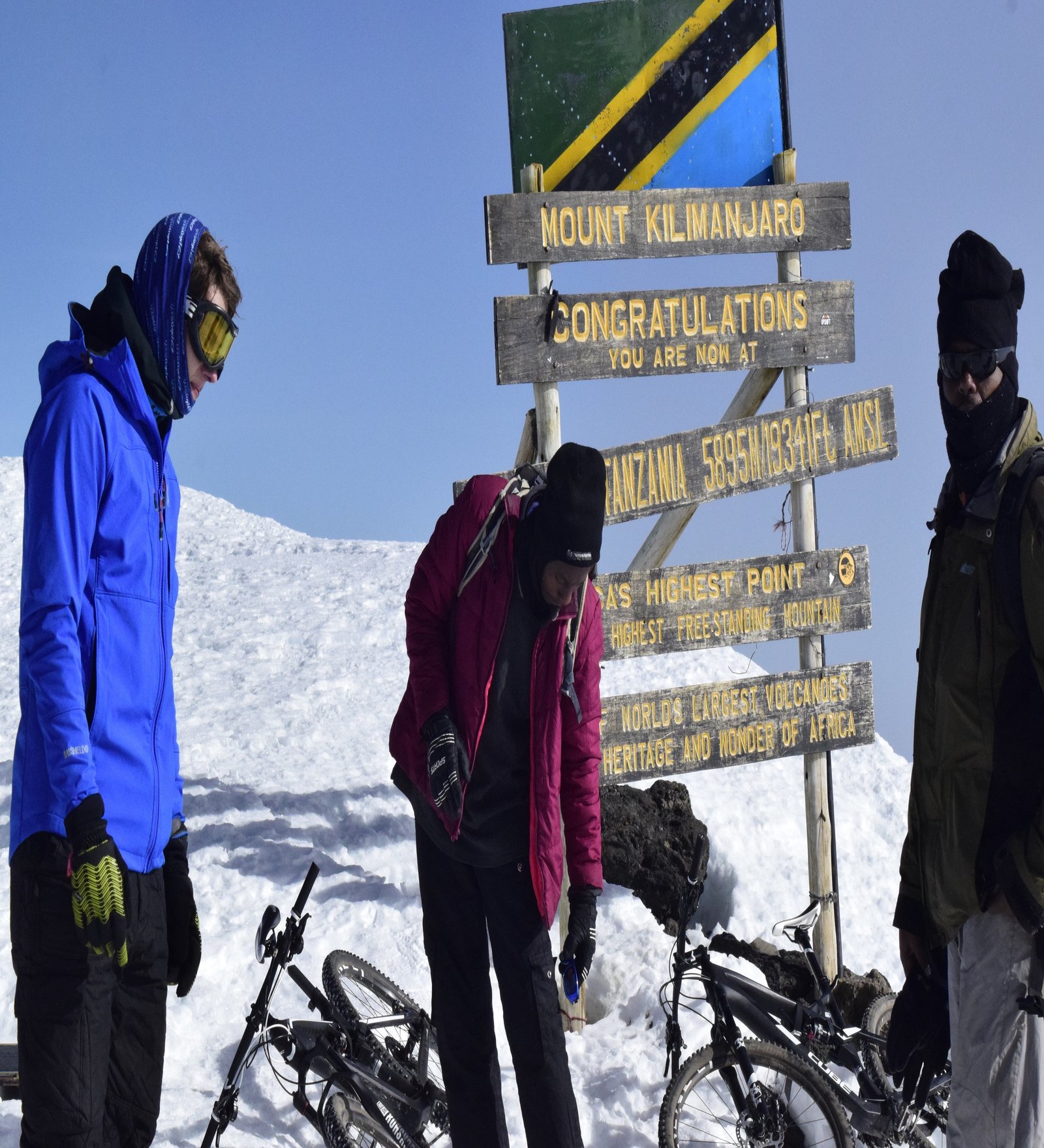
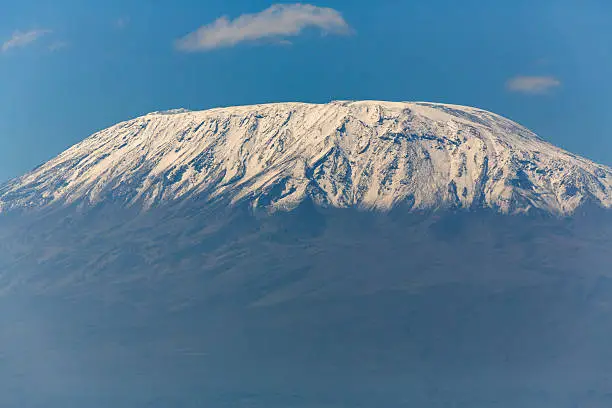
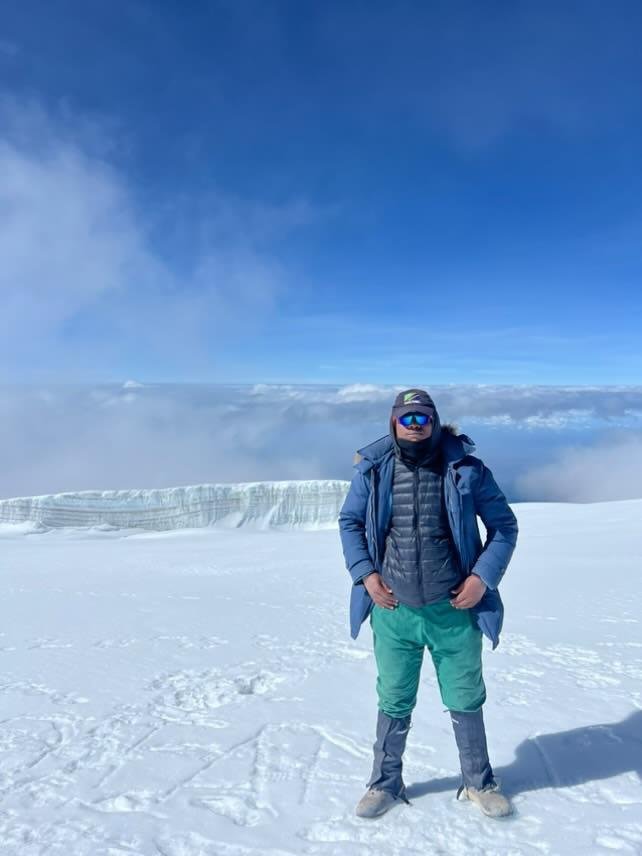
Kilimanjaro
Do I need climbing experience to summit Kilimanjaro?
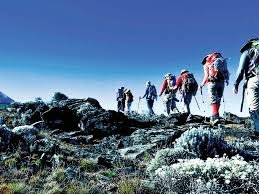
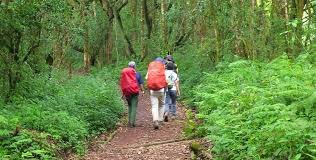
No technical climbing experience is required — Kilimanjaro is a trek, not a technical climb. A reasonable level of fitness and proper acclimatization matter far more than prior experience.
What is your Kilimanjaro summit success rate?
Our summit success rate is 95%+, thanks to itineraries built with proper acclimatization days rather than the shortest possible route.
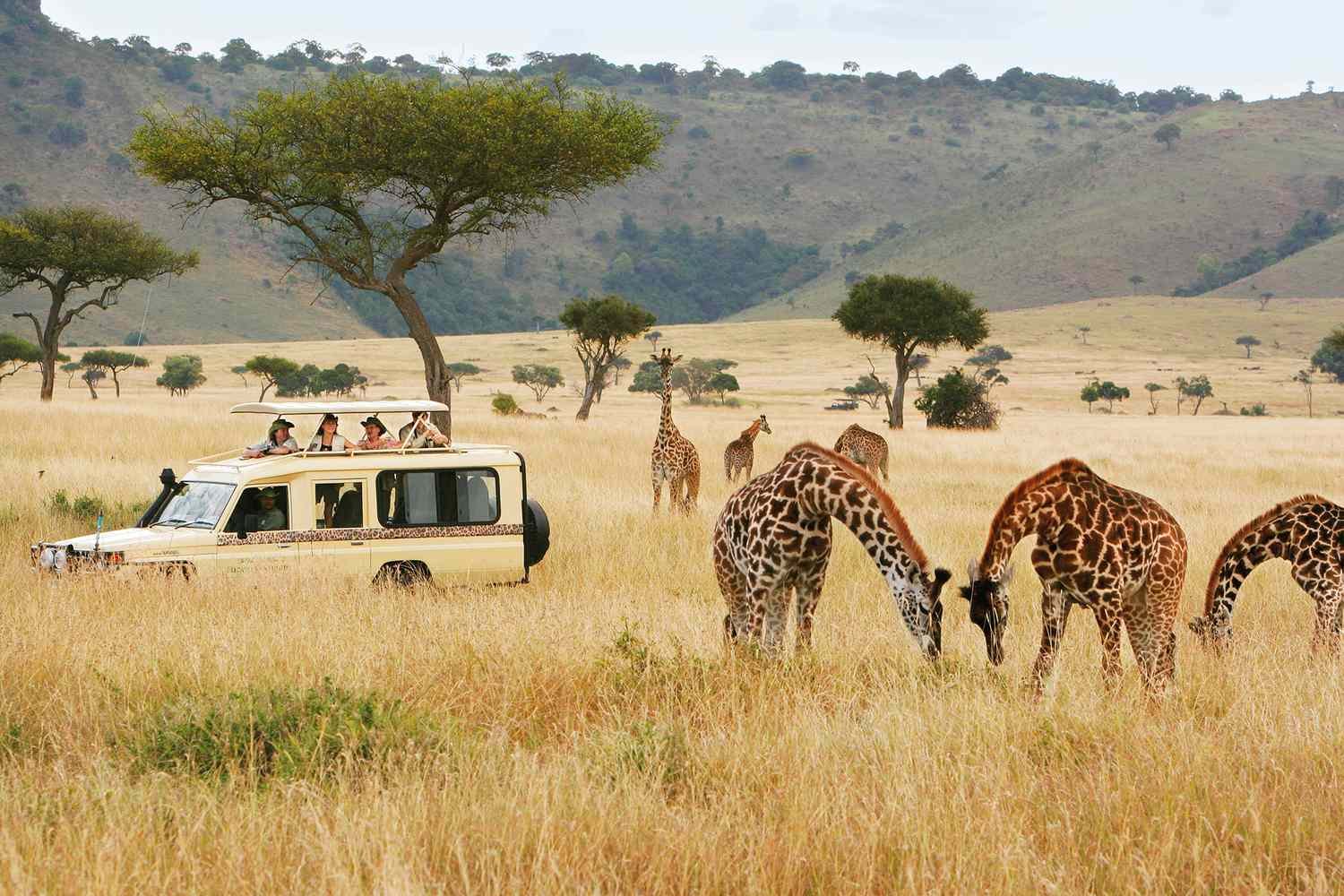
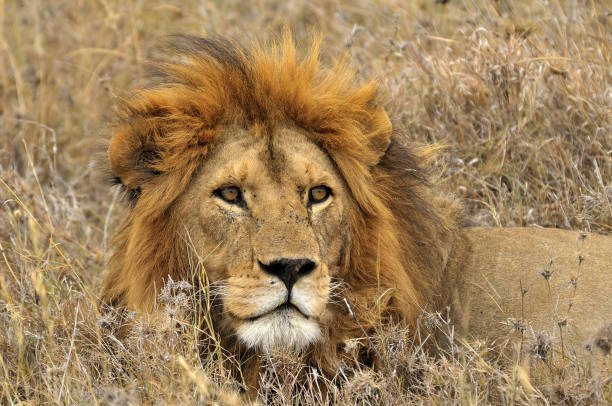
Safari
How far in advance should I book a safari?
We recommend booking at least 2-3 months ahead for peak season (July-October and December-February), though we can often accommodate shorter notice outside those windows.