

.png)
Tarangire - Serengeti - Ngorongoro
6 Days Tanzania Big 5 Safari
Introduction
Embark on an exhilarating 6-day Big Five safari through Tanzania's most iconic national parks. From the elephant-rich plains of Tarangire to the endless savannah of the Serengeti and the wildlife-dense Ngorongoro Crater, this itinerary is crafted for those who want to see Africa's legendary Big Five — lion, leopard, elephant, buffalo, and rhino — in their natural habitats. Expert guides, premium lodges, and immersive game drives ensure an unforgettable wildlife experience.
Why This Safari?
Big Five Guaranteed
All five iconic species — lion, leopard, elephant, buffalo, and rhino — live across these parks. Our guides know exactly where to find them.
Tarangire Elephants
Witness Africa's largest elephant herds in Tarangire. Herds of 300+ individuals gather around the Tarangire River, a spectacular sight.
Serengeti Lions
The Serengeti is lion country. Watch prides stalk prey on the endless plains, with the Great Migration as a dramatic backdrop.
Ngorongoro Rhino
The Ngorongoro Crater offers one of the best chances to see the critically endangered black rhino in its natural habitat.
Expert Guides
Our guides have decades of combined experience tracking the Big Five. They read the bush like a book to deliver unforgettable sightings.
Premium Camps
Stay in hand-picked lodges and tented camps with en-suite bathrooms, superb cuisine, and prime locations inside or near the parks.
Tour Highlights
- Big Five Safari - Track lions, leopards, elephants, buffalo and rhinos across three parks
- Tarangire Elephants - Massive herds of elephants under ancient baobab trees
- Serengeti Plains - Endless savannah teeming with predators and prey
- Ngorongoro Crater Crater - Descend into the world's largest inactive volcanic caldera
- Black Rhino Spotting - One of Africa's best rhino-viewing destinations
- Big Cat Encounters - Lions, leopards, and cheetahs in the Serengeti
- Birdwatcher's Paradise - Over 500 bird species across the three parks
- Cultural Experience - Visit a Maasai village en route to Ngorongoro Crater
Detailed Itinerary
Each day is carefully crafted to maximise your Big Five sightings while ensuring comfort and relaxation. Below you will find a complete breakdown of every day, from morning game drives to evening sundowners at your lodge.
Arrive Arusha & Transfer to Tarangire
Upon arrival at Kilimanjaro International Airport, meet your professional driver-guide and begin your Big Five adventure with a scenic drive to Tarangire National Park. Enjoy an afternoon game drive en route to your lodge, encountering your first elephant herds, giraffes, and perhaps a lion or leopard. Overnight at your lodge near Tarangire.
Full Day Tarangire — Elephant Herds
After an early breakfast, spend a full day exploring Tarangire National Park. The park is renowned for the highest concentration of elephants in Tanzania, as well as healthy populations of lions, leopards, and buffalo. A picnic lunch in the bush keeps you close to the action. Overnight in Tarangire area.
Tarangire to Serengeti — Game Drive En Route
After breakfast, depart Tarangire and drive via the Ngorongoro Conservation Area to the Serengeti National Park. The route passes through the stunning highlands of the Ngorongoro region with opportunities for wildlife viewing en route. Enter the Serengeti's central Seronera area and enjoy an afternoon game drive. Overnight in central Serengeti.
Full Day Serengeti — Lion, Leopard, Cheetah
A full day dedicated to exploring the Serengeti's vast plains. Morning and afternoon game drives maximise your chances of seeing lions, leopards, and cheetahs. The Seronera Valley is famous for its big cat density. A picnic lunch in the bush keeps you in the game. In season, witness the Great Migration. Overnight in central Serengeti.
Serengeti to Ngorongoro Crater — Black Rhino
After breakfast, depart the Serengeti and drive to the Ngorongoro Conservation Area. Descend into the Ngorongoro Crater, a UNESCO World Heritage Site and one of Africa's best places to see the Big Five, including the critically endangered black rhino. Game drive on the crater floor with a picnic lunch. Ascend in the late afternoon to your lodge on the crater rim. Overnight in Ngorongoro area.
Ngorongoro to Arusha — Departure
After a final breakfast with views over the crater, begin your journey back to Arusha. Stop at a Maasai village for a cultural experience and shop for local crafts. Arrive in Arusha in the early afternoon. Depending on your flight schedule, enjoy lunch and some last-minute shopping before transferring to Kilimanjaro International Airport for your departure. End of tour.
Destinations You'll Explore
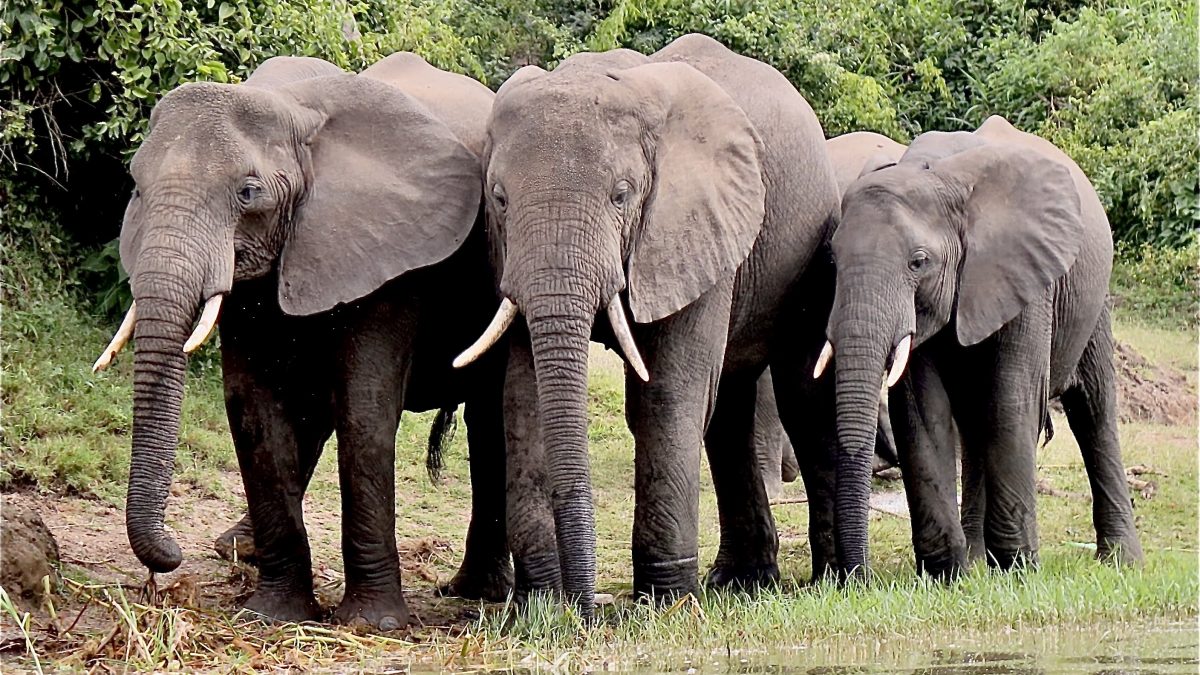
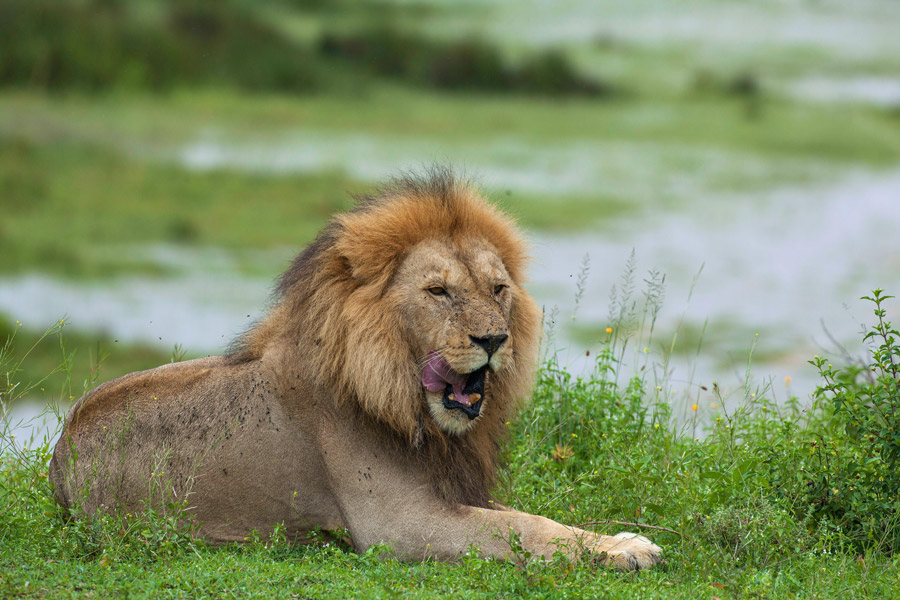
Tarangire National Park
Known for its massive elephant herds and iconic baobab trees, Tarangire offers one of the highest concentrations of wildlife in northern Tanzania. The Tarangire River attracts animals year-round, making it a premier game viewing destination.
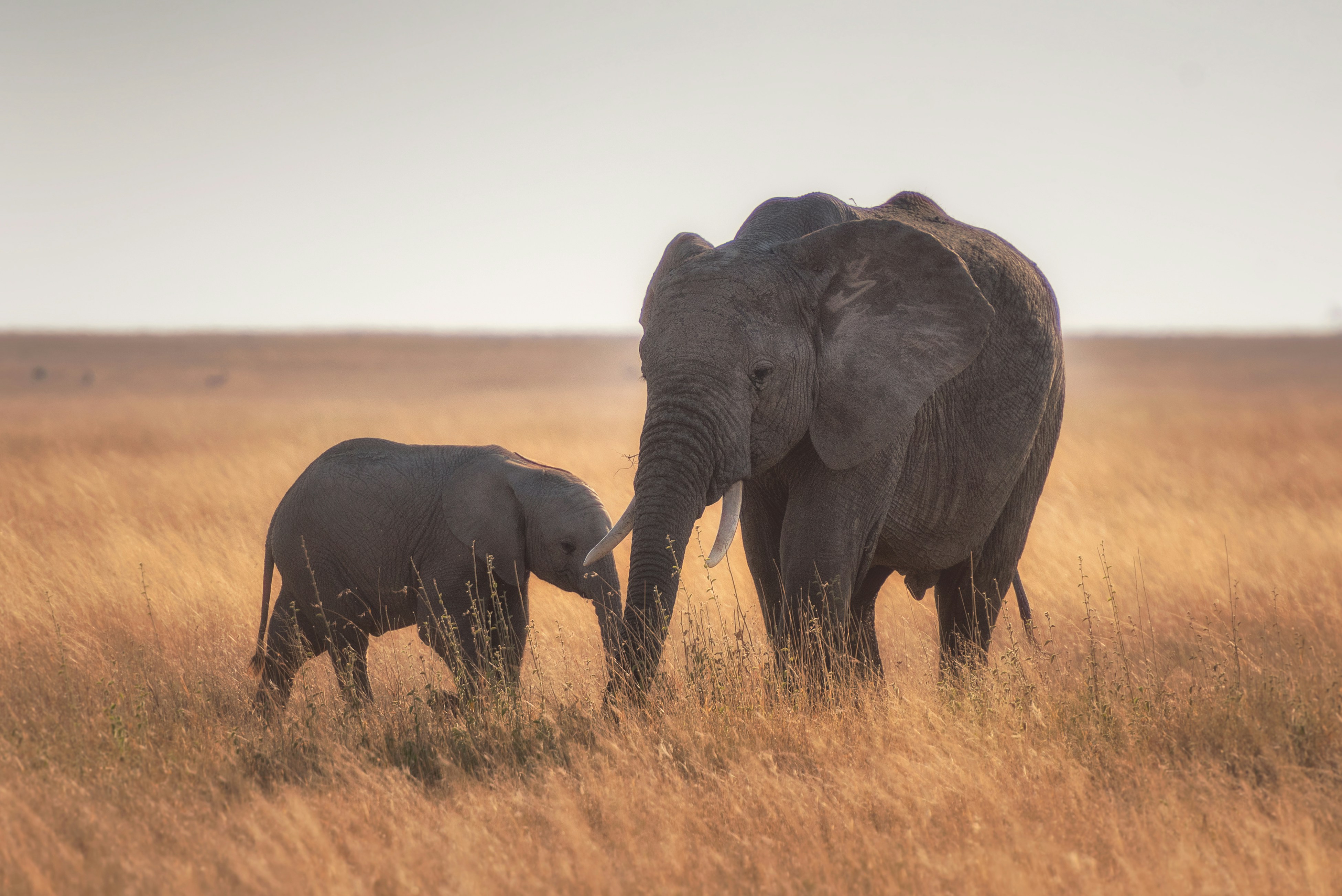
Serengeti National Park
Africa's most famous wildlife sanctuary and a UNESCO World Heritage Site. Endless savannah plains teeming with wildlife — the stage for the Great Migration and home to Africa's highest concentration of big cats.
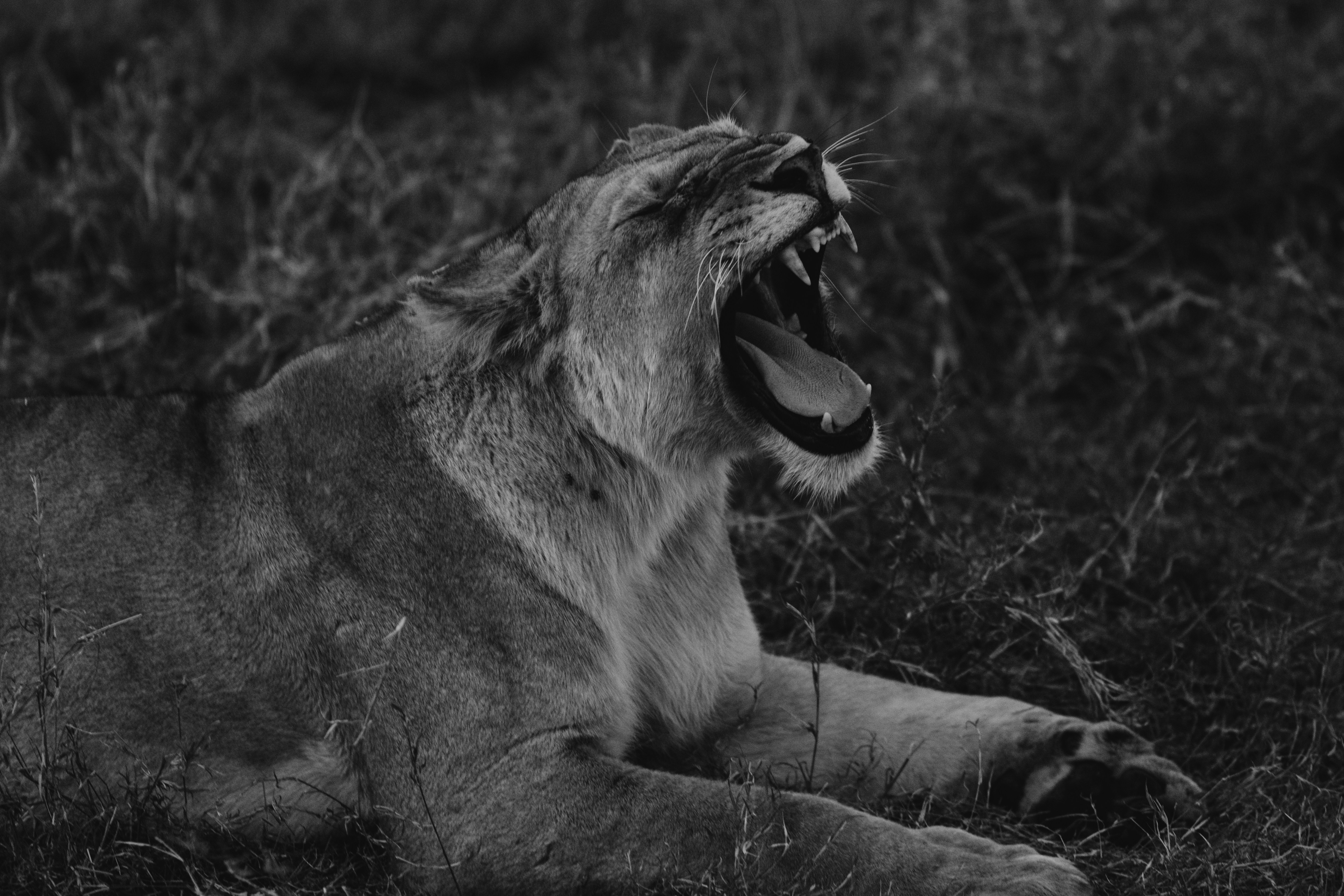
Ngorongoro Crater
A UNESCO World Heritage Site and one of Africa's most spectacular natural wonders. This 260 sq km volcanic caldera hosts 30,000 large mammals and offers the best chances to see the endangered black rhino in the wild.
| Included |
|
|---|---|
| Excluded |
|
| Transport |
|
Tanzania Wildlife — The Big Five
Tanzania is home to the complete Big Five. Here is your guide to each iconic species.
- Lion: Serengeti's Seronera Valley — the highest lion density in Africa
- Leopard: Serengeti riverine forests and Tarangire's acacia woodlands
- Elephant: Tarangire's legendary herds — the largest in Tanzania
- Buffalo: Abundant in Tarangire, Serengeti and Ngorongoro Crater
- Black Rhino: Ngorongoro Crater — one of the best spots in East Africa
- Cheetah: Serengeti's southeastern plains — the fastest land animal
Photo Gallery
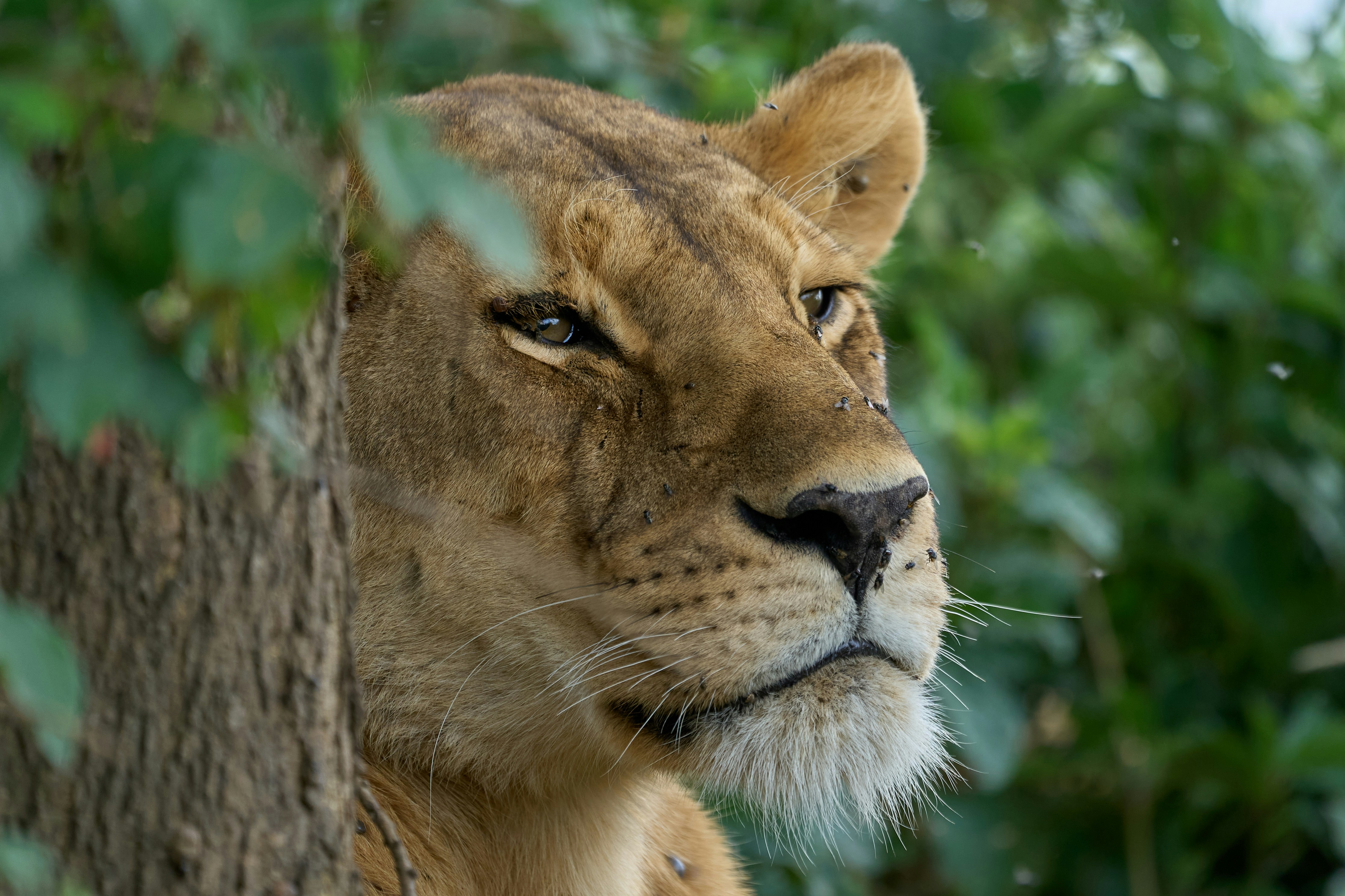 Serengeti Lion PrideTarangire ElephantsNgorongoro Crater
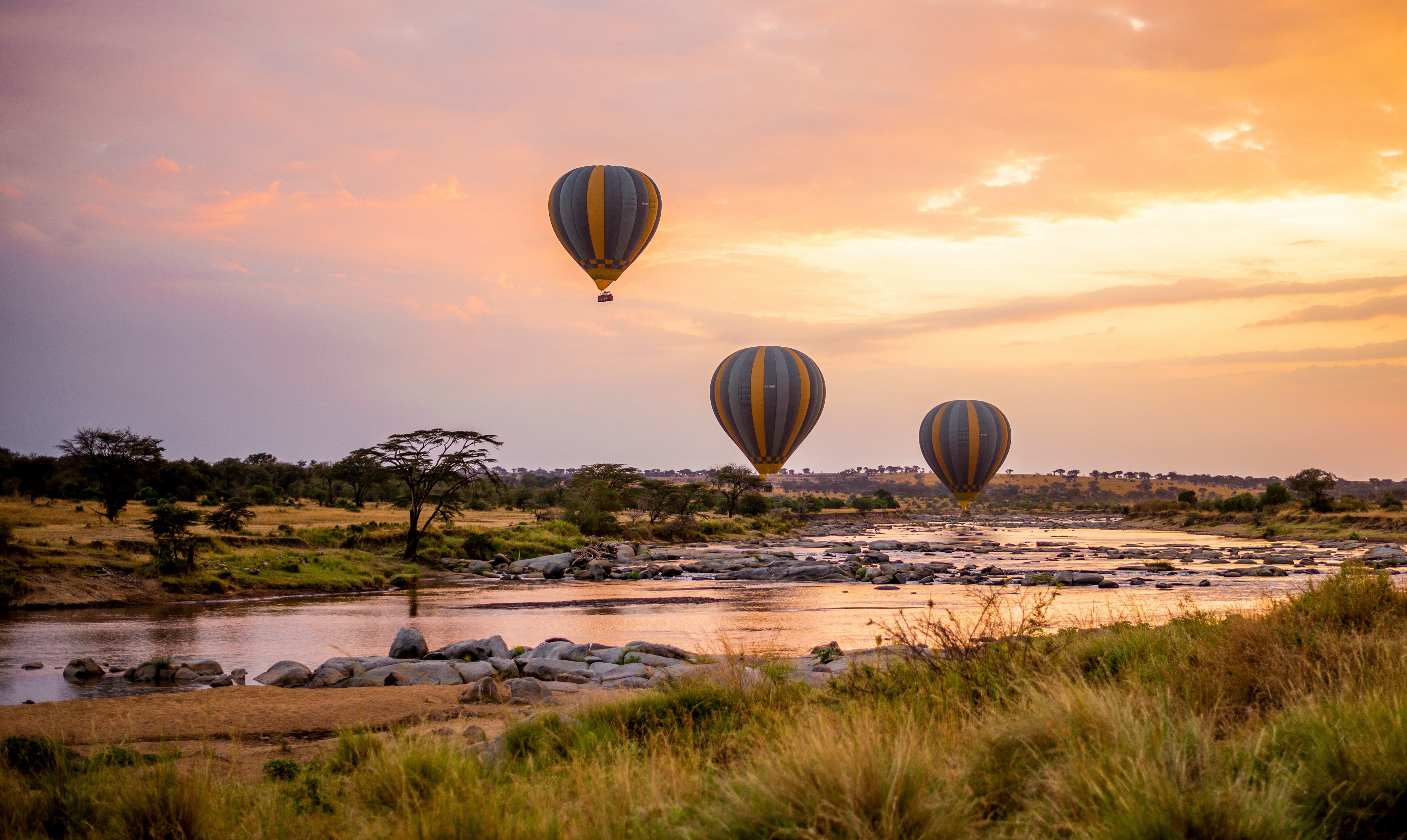 Leopard Sightings
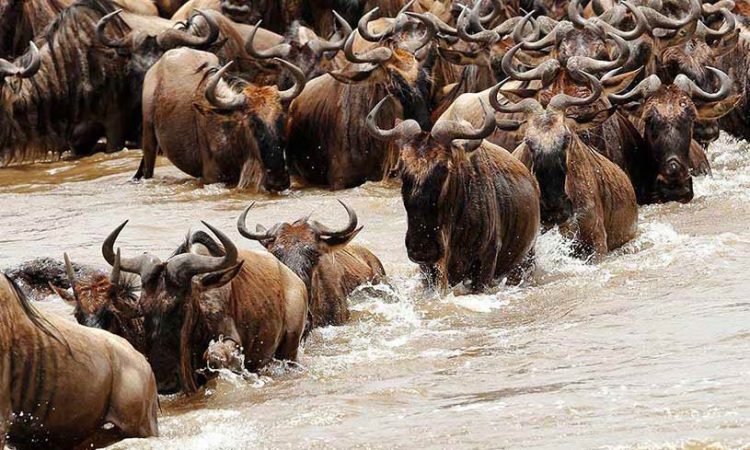 Giraffe on the PlainsTarangire Baobabs
Location
What Our Travelers Say
Join thousands of satisfied travelers who have experienced the Big Five with us.
Frequently Asked Questions
What is the Big Five?
The Big Five refers to five iconic African animals: lion, leopard, elephant, buffalo, and rhino (both black and white). Originally a hunting term, it is now the ultimate wildlife sighting checklist for safari enthusiasts. Tanzania is one of the best places to see all five in a single trip.
What is the best time to see the Big Five in Tanzania?
The dry season from June to October offers the best game viewing as animals gather around water sources. January to February is also excellent. The green season (November-May) offers lush landscapes, fewer crowds, and lower rates.
Where is the best place to see lions on this safari?
The Serengeti National Park, especially the central Seronera Valley, offers the best lion sightings with the highest lion density in Africa. Lions are also commonly seen on the Ngorongoro Crater floor and in Tarangire.
Where is the best place to see leopards?
Leopards are most frequently sighted in the Serengeti's Seronera Valley along the riverine forests, and in Tarangire National Park along the Tarangire River. Your guide will track them by following alarm calls from other animals.
Where can I see rhinos on this safari?
The Ngorongoro Crater is one of the best places in Tanzania to see the critically endangered black rhino. The crater floor provides a natural sanctuary with approximately 20-30 black rhinos. Tarangire also has occasional sightings.
Where can I see elephants on this safari?
Tarangire National Park is famous for its massive elephant herds, sometimes numbering over 300 individuals. The Serengeti and Ngorongoro also have healthy elephant populations, but Tarangire offers the most spectacular concentrations.
Where can I see buffalo on this safari?
Cape buffalo are plentiful in all three parks. The largest herds are found in the Serengeti and Tarangire, often seen near water sources. The Ngorongoro Crater also has a significant buffalo population.
What type of vehicle is used for game drives?
Our custom 4x4 Safari Land Cruisers with pop-up roofs provide excellent wildlife viewing and photography. Each vehicle is equipped with window seats for all guests, charging ports, a cooler, and bean bags for camera stabilisation.
What camera equipment should I bring for Big Five photography?
A DSLR or mirrorless camera with a 70-200mm or 100-400mm lens is ideal. A 1.4x or 2x teleconverter adds reach for distant animals. Bring extra memory cards, batteries, a bean bag for window stabilisation, and a lens cloth for dust.
What is the tipping guideline for safari guides?
Tipping is appreciated but not mandatory. Recommended tips: $15-25 per day per guest for your guide, $5-10 per day for the cook. Tips can be given in cash (USD preferred) at the end of your safari.
What should I pack for a Big Five safari?
Pack neutral-coloured clothing (khaki, olive, beige), a warm jacket for morning game drives, comfortable walking shoes, a wide-brimmed hat, sunglasses, high-SPF sunscreen, insect repellent with DEET, binoculars, and a camera with extra batteries.
Is it guaranteed I will see the Big Five?
While no safari can guarantee sightings, our expert guides know the best locations and animal behaviour patterns. The Big Five are all present across these three parks, and our success rate is excellent — most guests see at least four of the Big Five.
How many people are in a safari group?
Our group sizes range from 2 to 8 guests per vehicle, ensuring a window seat for everyone and a personalised experience with your expert guide. Private safaris are also available for those seeking exclusivity.
Is the Big Five safari suitable for children?
Yes, children aged 6 and above are welcome. We offer family-friendly itineraries with shorter game drives, age-appropriate activities, and child-friendly accommodation. Family discounts are available.
What accommodation is included?
Premium lodges and tented camps with en-suite bathrooms, hot showers, and delicious full-board meals are included. Upgrades to luxury lodges with swimming pools, spas, and fine dining are available upon request.
Ready to See the Big Five?
Book your 6-day Tanzania Big Five safari and experience Africa's most iconic wildlife in their natural habitat.