

.png)
Tarangire - Serengeti - Ngorongoro
7 Days Serengeti Migration Safari
Introduction
The Great Migration is nature's greatest wildlife spectacle — over 1.5 million wildebeest, 500,000 zebras, and countless gazelles move across the Serengeti ecosystem in an endless search for fresh grazing. This 7-day safari places you right in the heart of the action. From the elephant-rich baobab forests of Tarangire to the sweeping plains of Central Serengeti, the dramatic Mara River crossings in the north, and the wildlife-packed Ngorongoro Crater — every day delivers front-row seats to Africa's most extraordinary wildlife event.
Why This Safari?
Great Migration Front Row
Follow over 1.5 million wildebeest across the Serengeti plains. Witness river crossings, calving season, and predator-prey drama up close.
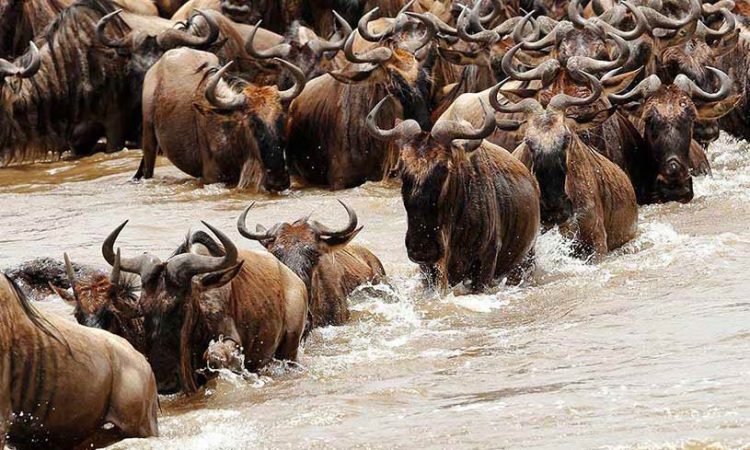
Mara River Crossings
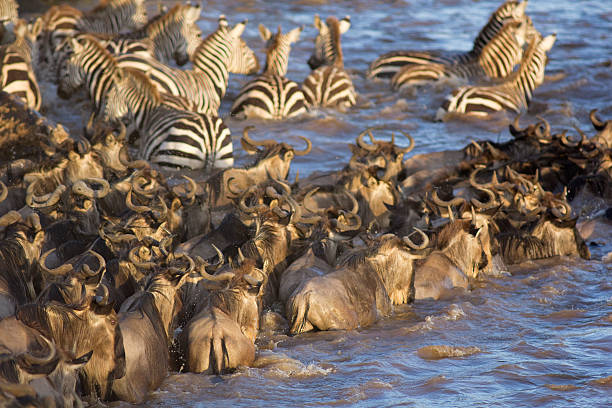
The ultimate migration highlight — thousands of wildebeest and zebra plunging into crocodile-infested waters. A spectacle unlike any other.
Ngorongoro Crater
Descend into the world's largest intact volcanic caldera — a natural wildlife amphitheatre teeming with lions, elephants, rhinos, and more.
Expert Safari Guides
Our experienced Tanzanian guides know the migration patterns intimately, ensuring you are in the right place at the right time.
Tarangire's Giants
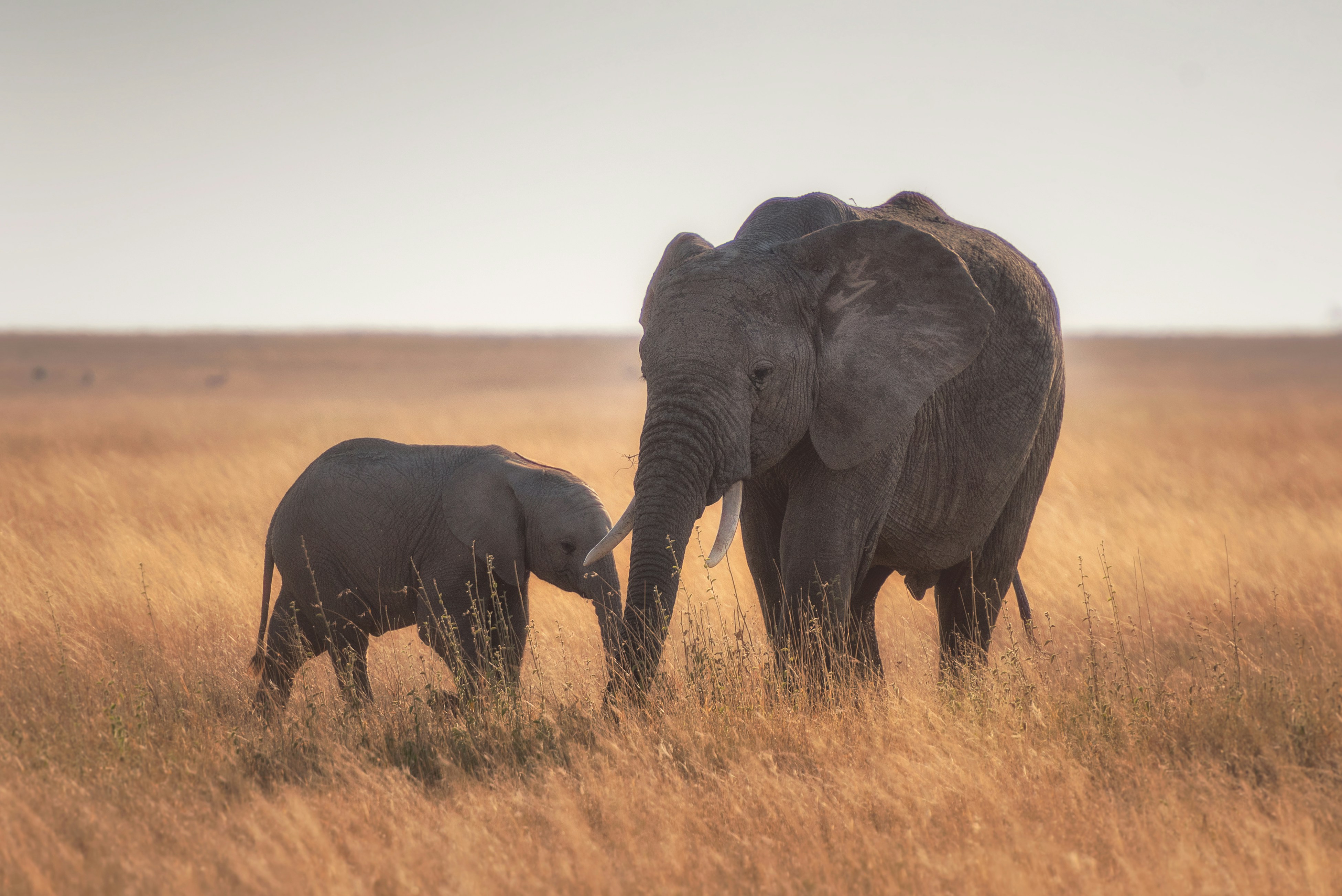
Explore Tarangire National Park, home to Tanzania's largest elephant herds and iconic ancient baobab trees.
Photographer's Dream
Endless golden plains, dramatic river crossings, big cat action, and stunning African light — every day is a photography masterclass.
Tour Highlights
- Tarangire National Park - Elephant herds & baobab forests
- Central Serengeti - Migration herds on the endless plains
- Great Migration Game Drives - Track wildebeest & zebra movements
- Northern Serengeti (Mara River) - Dramatic river crossings
- Big Five Sightings - Lions, leopards, elephants, buffalo, rhino
- Ngorongoro Crater Crater - Descend into the wildlife-packed caldera
- Predator Action - Lions, cheetahs, leopards & hyenas
- Cultural Visit - Optional Maasai village experience
Detailed Itinerary
Each day is carefully crafted to maximise your wildlife encounters while ensuring comfort and relaxation. Below you will find a complete breakdown of every day, from morning game drives to evening sundowners at your lodge.
Arrive Arusha
Upon arrival at Kilimanjaro International Airport (JRO), you will be met by your driver-guide and transferred to your hotel in Arusha. Settle in, relax, and prepare for the adventure ahead. Depending on arrival time, you can explore the local craft markets or enjoy a sundowner with views of Mount Meru.
Arusha → Tarangire National Park
After breakfast, drive to Tarangire National Park, famous for its massive elephant herds and ancient baobab trees. Enjoy a full day of game drives through the park's diverse habitats, from riverine forests to open savannah. Tarangire is also home to lions, leopards, and over 550 bird species. Overnight near Tarangire.
Tarangire → Central Serengeti — Migration Tracking
After an early breakfast, depart for Central Serengeti (Seronera area), the heart of the Serengeti ecosystem. En route, stop at the Olduvai Gorge — one of the most important archaeological sites in Africa. Enter the Serengeti and begin tracking the migration herds. Evening game drive in the Seronera Valley. Overnight in Central Serengeti.
Full Day Serengeti — Migration Herds
A full day dedicated to following the Great Migration. With morning and afternoon game drives, your guide will track the movement of wildebeest and zebra herds across the vast Serengeti plains. Witness predator-prey interactions as lions, cheetahs, and hyenas follow the herds. Picnic lunch in the bush. Overnight in Central Serengeti.
Central → Northern Serengeti (Mara River)
Journey north to the remote Northern Serengeti and the iconic Mara River. This region is the stage for the migration's most dramatic act — the river crossings. Spend the afternoon tracking herds near the riverbanks, watching as thousands of wildebeest gather at crossing points. Overnight in Northern Serengeti.
Serengeti → Ngorongoro Crater
After an early game drive in the Northern Serengeti, travel south to the Ngorongoro Crater. Descend into this UNESCO World Heritage Site — the world's largest intact volcanic caldera. Enjoy a game drive on the crater floor, home to over 25,000 animals including the endangered black rhino. The crater offers some of the most concentrated wildlife viewing in Africa. Overnight on the crater rim.
Ngorongoro → Arusha — Departure
After breakfast with a view over the Ngorongoro Crater, drive back to Arusha. Stop for lunch en route and enjoy one last taste of Tanzania. Arrive in Arusha in the afternoon — you will be transferred to Kilimanjaro International Airport for your departure flight. End of tour.
Destinations You'll Explore
Tarangire National Park
Known for its massive elephant herds and iconic baobab trees, Tarangire offers one of the highest concentrations of wildlife in northern Tanzania. The Tarangire River attracts animals year-round, making it a premier game viewing destination.
Central Serengeti (Seronera)
Africa's most famous wildlife sanctuary and a UNESCO World Heritage Site. Endless savannah plains teeming with wildlife — the stage for the Great Migration and home to Africa's highest concentration of big cats.
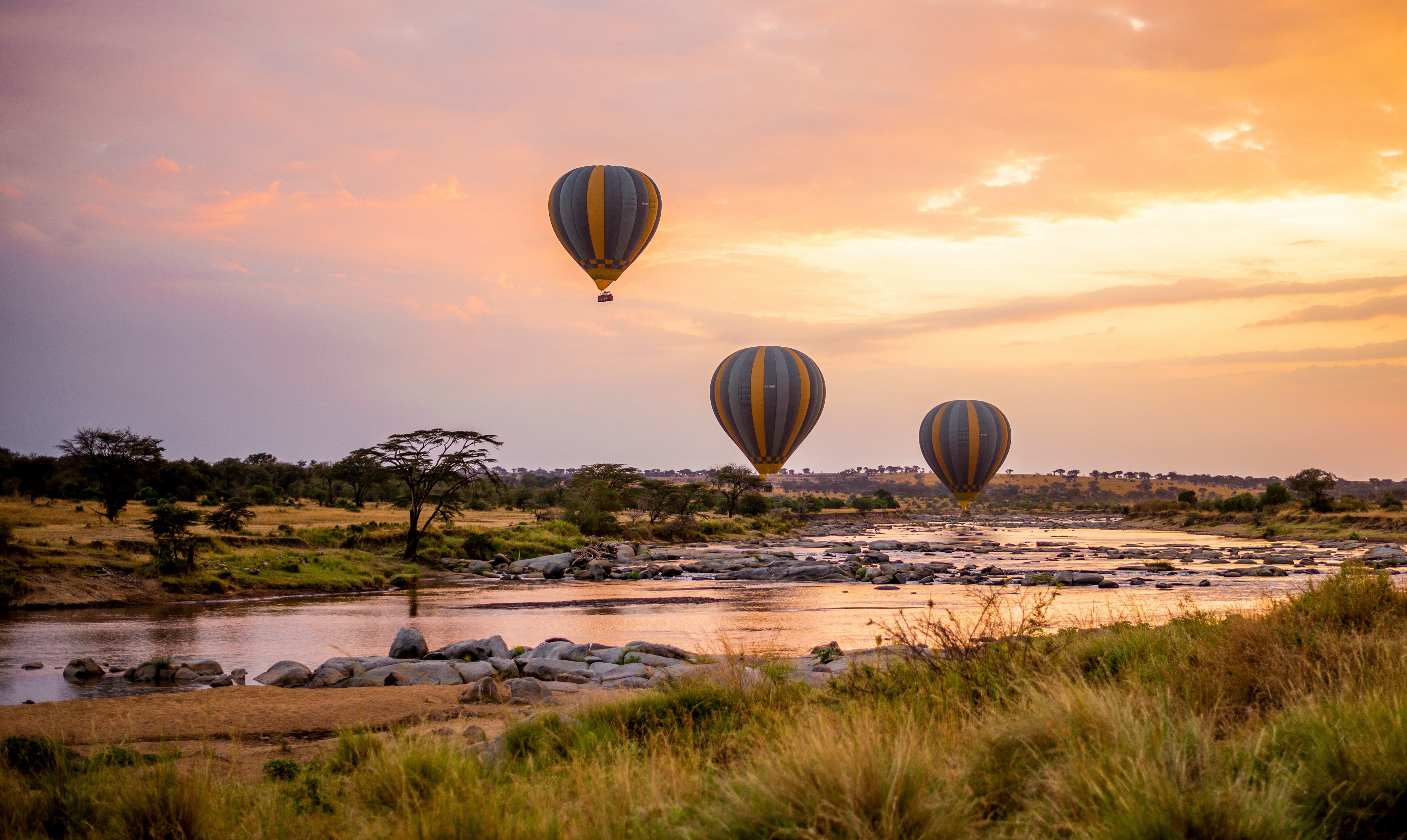
Northern Serengeti (Mara River)
Africa's most famous wildlife sanctuary and a UNESCO World Heritage Site. Endless savannah plains teeming with wildlife — the stage for the Great Migration and home to Africa's highest concentration of big cats.
Ngorongoro Crater
A UNESCO World Heritage Site and one of Africa's most spectacular natural wonders. This 260 sq km volcanic caldera hosts 30,000 large mammals and offers the best chances to see the endangered black rhino in the wild.
| Included |
|
|---|---|
| Excluded |
|
| Transport |
|
Tanzania Wildlife
The Serengeti ecosystem is home to an extraordinary diversity of wildlife. Here's what you can expect to see.
- Big Five: Lions, leopards, elephants, buffalo, and black rhino (Ngorongoro)
- Migration Herds: Over 1.5 million wildebeest, 500,000 zebras, 200,000 gazelles
- Predators: Cheetahs, spotted hyenas, jackals, serval cats, and more
- Birds: Over 500 species including ostriches, secretary birds, and African fish eagles
- Herbivores: Giraffes, hippos, impalas, topi, hartebeest, elands
- Reptiles: Nile crocodiles, monitor lizards, agama lizards, pythons
Photo Gallery
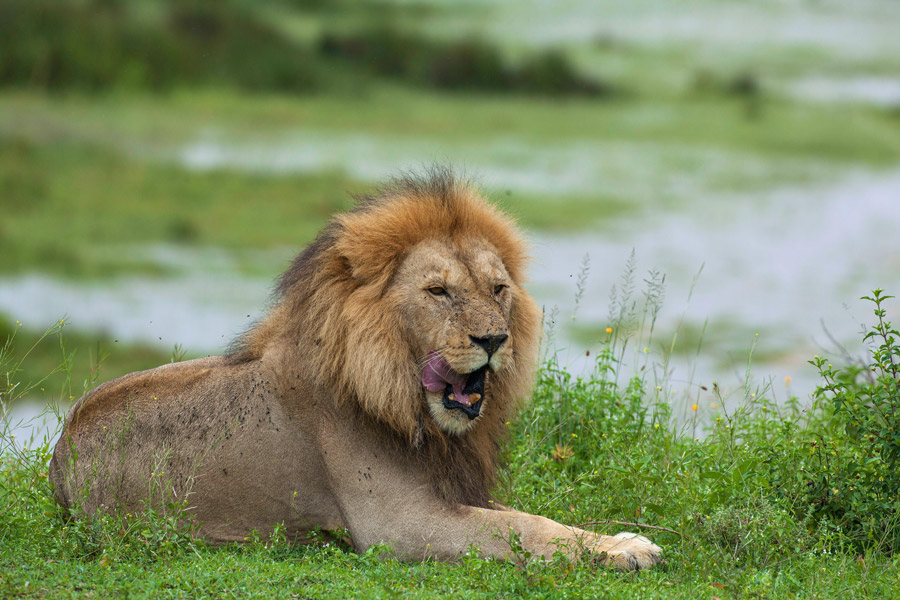
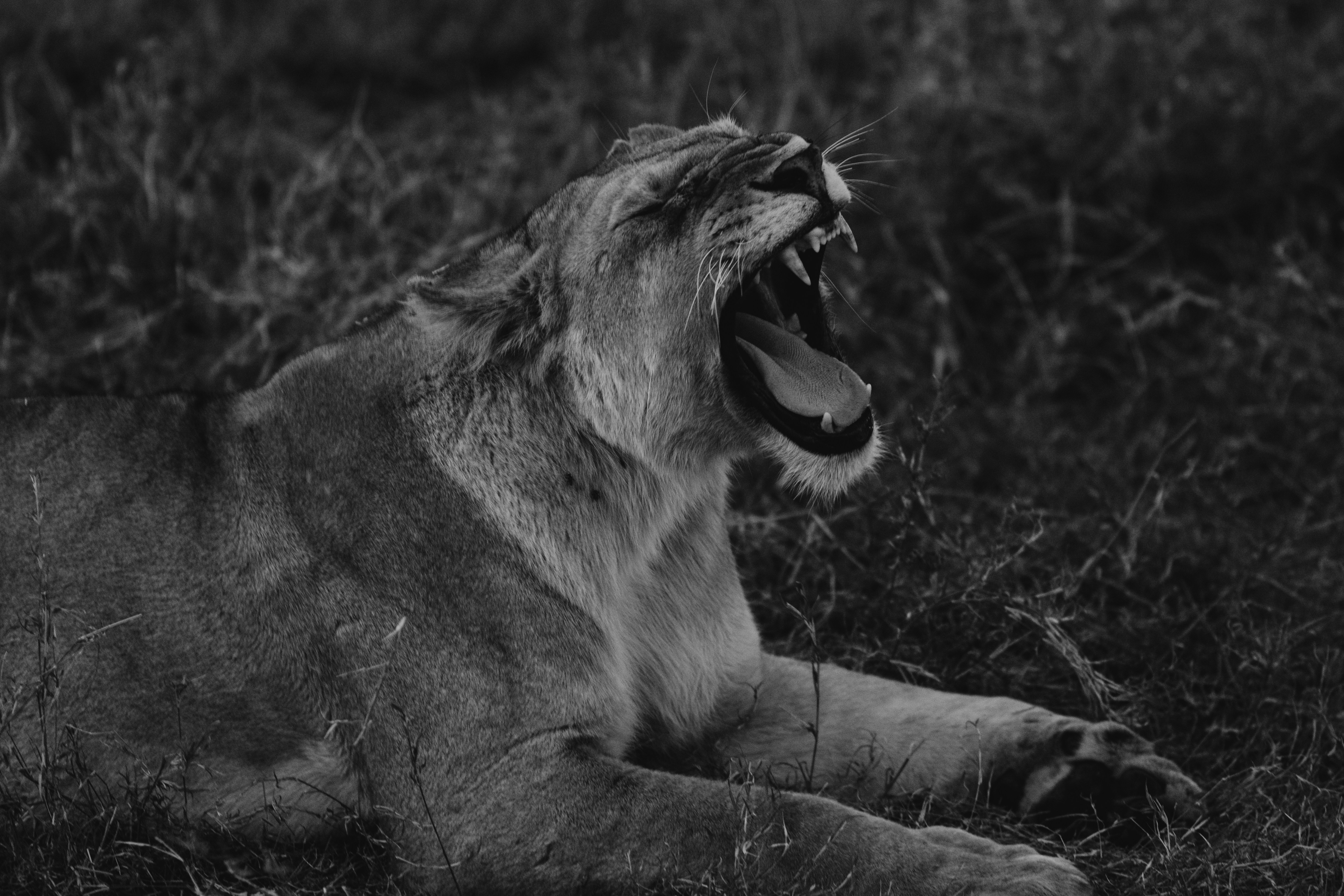
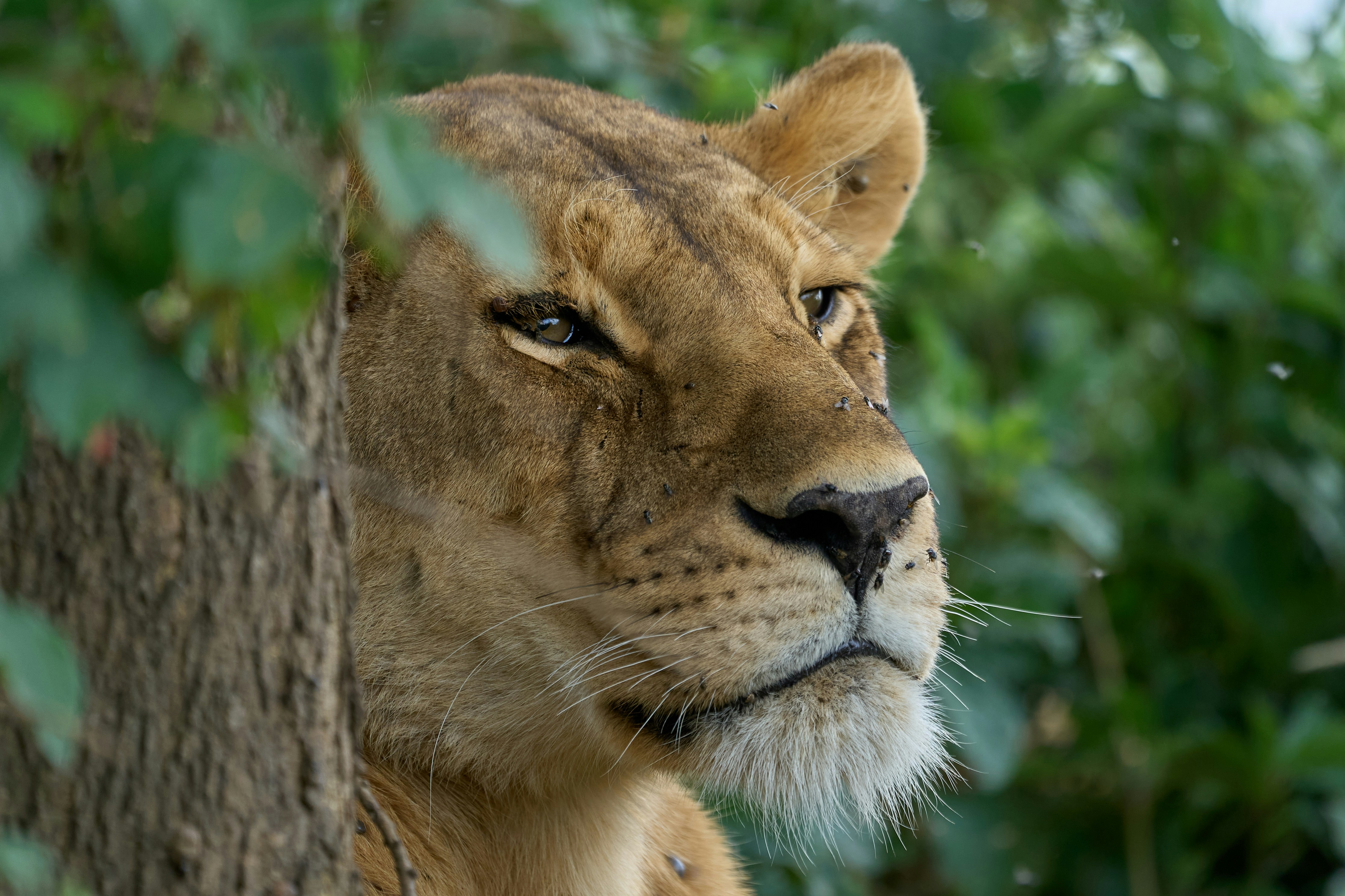 Great Migration River CrossingLion in the Serengeti
 Tarangire Elephant HerdMigration Herds on the MoveNgorongoro Crater View
 Wildebeest Grazing
Location
What Our Travelers Say
Join thousands of satisfied travelers who have experienced the Great Migration with us.
Frequently Asked Questions
What is the best time to see the Great Migration?
The best time is June to October for river crossings at the Mara River, and December to March for calving season in the southern Serengeti. However, the migration is a year-round phenomenon and there is always excellent wildlife viewing.
How many days do I need for a Serengeti migration safari?
7 days is the ideal duration to cover all the key areas — Tarangire, Central Serengeti, Northern Serengeti (Mara River), and Ngorongoro Crater — at a comfortable pace.
What is the Great Migration?
The Great Migration is the annual movement of over 1.5 million wildebeest, 500,000 zebras, and 200,000 gazelles across the Serengeti-Mara ecosystem in search of fresh grazing and water.
Do I need a visa for Tanzania?
Yes, most visitors require a Tanzania visa. You can obtain it on arrival at the airport or apply online before travel. Visas are not included in the tour price.
What should I pack for a Serengeti safari?
Pack lightweight neutral-coloured clothing for game drives, a warm jacket for early morning drives, comfortable walking shoes, a wide-brimmed hat, sunglasses, sunscreen, insect repellent, binoculars, and a camera with extra batteries and memory cards.
Is the tour suitable for solo travellers?
Yes, solo travellers are welcome. You can join a group tour or book a private trip. Single supplements may apply for private accommodation.
What type of accommodation is included?
Mid-range lodges and tented camps with en-suite bathrooms, hot showers, and comfortable beds are included. Upgrades to luxury lodges are available upon request.
Is Tanzania safe for tourists?
Yes, Tanzania is a very safe and welcoming destination for tourists. The safari circuit is well-established with professional guides, secure lodges, and excellent infrastructure.
Can I see the Big Five on this safari?
Yes, the Serengeti and Ngorongoro Crater offer excellent opportunities to see all Big Five: lion, leopard, elephant, buffalo, and black rhino (Ngorongoro).
How much does this safari cost?
Please contact us for a personalised quote. Prices vary based on group size, accommodation level, and season. We offer mid-range and luxury options to suit your budget.
What is the accommodation like?
Mid-range lodges and tented camps with en-suite bathrooms, hot showers, and comfortable beds. Upgrades to luxury lodges with swimming pools, spas, and fine dining are available.
Can children join this safari?
Children aged 6 and above can join the safari. Family-friendly itineraries with age-appropriate activities can be arranged on request.
How do I book this safari?
You can book by contacting us via WhatsApp, email, or our website booking form. A deposit secures your dates, with the balance due 30 days before departure.
What is the group size?
Our groups range from 2 to 8 guests, ensuring a personalised experience with dedicated attention from your guide.
Do I need travel insurance?
Yes, comprehensive travel insurance is mandatory. It should cover medical evacuation, trip cancellation, and personal belongings.
Ready to Track the Great Migration?
Book your 7-day journey through Tanzania's greatest wildlife destinations and witness nature's most spectacular event.