.png)
Your Complete Jozani Chwaka Bay Guide
What is Jozani Chwaka Bay National Park?
Jozani Chwaka Bay National Park is Zanzibar's only national park, covering approximately 50 square kilometers of pristine forest, mangrove swamps, saltwater lakes, and coastal thickets in central Zanzibar. Designated as a national park in 2004, it protects the island's most significant remaining natural forest and is world-renowned as the last refuge of the Zanzibar red colobus monkey (Piliocolobus kirkii), an endemic primate found nowhere else on Earth.
The park encompasses several distinct ecosystems: the groundwater forest of Jozani with its towering trees and dense undergrowth, the extensive mangrove forests along Chwaka Bay, the open saltwater lakes that attract thousands of waterbirds, and the coastal thickets that provide habitat for sunbirds, butterflies, and duikers. A network of well-maintained boardwalk trails allows visitors to explore these habitats without disturbing the fragile ecosystem, making it one of Zanzibar's most accessible and rewarding nature experiences.
Why Jozani Chwaka Bay is Famous
Jozani Chwaka Bay is famous as the best place to see the Zanzibar red colobus monkey, one of Africa's rarest primates with fewer than 3,000 individuals remaining in the wild. These striking monkeys with their reddish-brown backs, black limbs, and long white-tipped tails are endemic to Zanzibar, and Jozani Forest offers the most reliable sightings anywhere on the island. The monkeys are habituated to human presence along the main trail, allowing for incredible close-up wildlife photography.
The park is also celebrated for its ancient groundwater forest, a unique ecosystem fed by the island's freshwater aquifer that supports towering trees draped in lianas and epiphytes. The mangrove boardwalk through the Chwaka Bay mangroves is another iconic experience, offering a peaceful walk through one of East Africa's best-preserved mangrove forests, with interpretive signs explaining the ecological importance of these vital coastal habitats.
Top Attractions in Jozani Chwaka Bay
Red Colobus Monkey Trail
The park's main attraction — a guided walk through the groundwater forest where you'll encounter troops of Zanzibar red colobus monkeys feeding, playing, and socializing in the canopy above. The guides are experts at spotting the monkeys and explaining their behavior, diet, and conservation status.
Mangrove Boardwalk
A scenic elevated boardwalk that winds through the dense mangrove forest of Chwaka Bay. Learn about the different mangrove species, their adaptation to saltwater, and their crucial role as nursery grounds for fish, crabs, and shrimp. Keep an eye out for mudskippers, fiddler crabs, and mangrove kingfishers.
Saltwater Lakes
The park's saltwater lakes attract a stunning variety of waterbirds including flamingos (seasonal), herons, egrets, storks, and kingfishers. The lakes are also home to crabs, mollusks, and small fish adapted to the brackish conditions.
Nature Trails
Several walking trails of varying lengths lead through different habitats within the park. The trails are easy and suitable for all fitness levels, with shade provided by the dense forest canopy making it a comfortable experience even on hot days.
Jozani Chwaka Bay Gallery
.jpg)
.jpg)
.jpg)
.jpg)
.jpg)
.jpg)
Unique Features of Jozani Chwaka Bay
Jozani Chwaka Bay is a place of remarkable ecological importance. As Zanzibar's only national park, it protects the largest remaining stand of indigenous forest on the island and serves as the primary sanctuary for the critically endangered Zanzibar red colobus monkey. The park's groundwater forest is a rare ecosystem type that depends on the island's freshwater lens — a layer of fresh groundwater that floats on top of saltwater beneath the island.
The park is also part of the Jozani-Chwaka Bay Biosphere Reserve, designated by UNESCO's Man and the Biosphere Programme in 2016. This recognition highlights the area's global significance for biodiversity conservation and sustainable development. The mangrove forests of Chwaka Bay are among the most extensive and best-preserved on Zanzibar, providing critical ecosystem services including carbon sequestration, coastal protection, and nursery habitat for commercially important fish species.
Best Time to Visit Jozani Chwaka Bay
| Month | Season | Wildlife Highlights | Rating |
|---|---|---|---|
| Jan | Dry / High | Excellent monkey sightings. Dry trails, easy walking. | ★★★★★ |
| Feb | Dry / High | Peak wildlife viewing. Monkeys active, birds abundant. | ★★★★★ |
| Mar | Dry | Good sightings. Monkeys feeding on fruits and leaves. | ★★★★☆ |
| Apr | Long Rains | Fewer tourists, lush greenery. Trails may be muddy. | ★★★☆☆ |
| May | Long Rains | Quietest month. Rainforest at its most vibrant. | ★★☆☆☆ |
| Jun | Dry / Shoulder | Conditions improve. Good wildlife sightings return. | ★★★★☆ |
| Jul | Dry / Peak | Excellent all-around conditions. Monkeys very active. | ★★★★★ |
| Aug | Dry / Peak | Peak wildlife viewing. Ideal trail conditions. | ★★★★★ |
| Sep | Dry / Peak | Great monkey and bird sightings. Comfortable weather. | ★★★★★ |
| Oct | Dry / Shoulder | Good viewing. Fewer crowds than peak season. | ★★★★☆ |
| Nov | Short Rains | Moderate sightings. Forest lush and green. | ★★★☆☆ |
| Dec | Short Rains | Wildlife activity picks up. Festive season. | ★★★★☆ |
★ = Rating based on wildlife viewing and trail conditions. Dry season (Jun-Oct) and January-February offer the best experience.
Activities in Jozani Chwaka Bay
Guided Forest Walk: A 1-2 hour guided walk through the groundwater forest with expert local guides. Spot red colobus monkeys, Sykes' monkeys, bushbabies (at dusk), and a variety of forest birds including the Zanzibar sombre greenbul and Fischer's turaco.
Mangrove Boardwalk Tour: Walk the elevated boardwalk through the mangrove forest, learning about the four mangrove species found in the park and their ecological importance. Ideal for bird watching and photography.
Bird Watching: With over 100 bird species recorded, Jozani is a prime birding destination. Look for African fish eagles, mangrove kingfishers, collared sunbirds, and seasonal migrants including European rollers and barn swallows.
Butterfly Watching: The forest edges and clearings are home to a dazzling array of butterflies including the giant swallowtail, African monarch, and several species of charaxes and acraeas.
Photography: The red colobus monkeys are incredibly photogenic, often pausing to look at visitors. The boardwalk and forest trails offer excellent composition opportunities with filtered light through the canopy.
Accommodation Near Jozani Chwaka Bay
While there is no accommodation inside the national park, several excellent options are nearby. Budget: Jozani Forest Guesthouse ($20-40/night), local homestays ($15-30/night). Mid-Range: Jozani Natural Forest Lodge ($60-120/night), Chwaka Bay Lodge ($80-140/night). Luxury: The Residence Zanzibar ($300-600/night), Zanzibar White Sand Resort ($200-400/night) in nearby Jambiani and Paje. Most visitors visit Jozani as a day trip from Stone Town, Jambiani, or Kizimkazi.
Jozani Chwaka Bay Cost & Pricing
| Category | Price Per Person | Includes |
|---|---|---|
| Entry Fee | $10 – $20 | Park entrance, conservation fee |
| Guided Walk | $15 – $25 | Expert guide, forest trail, monkey spotting |
| Boardwalk Trail | $5 – $10 | Mangrove boardwalk access, bird watching |
| Combined Tour | $30 – $50 | Entry + guided walk + boardwalk + transfers |
Prices are approximate and may vary by season. Guided walks are highly recommended for the best experience. All revenue supports conservation efforts in the park.
Frequently Asked Questions about Jozani Chwaka Bay
Nearby Attractions
Jozani Chwaka Bay is centrally located and easily combined with other Zanzibar highlights:
- Jambiani Beach — A tranquil fishing village with pristine white sand beaches, turquoise lagoons, seaweed farms, and authentic Swahili culture. Only 20 minutes from Jozani.
- Kizimkazi — Zanzibar's dolphin capital on the south coast, offering dolphin watching tours, Menai Bay snorkeling, and the ancient Kizimkazi Mosque. ~30 minutes from Jozani.
- Stone Town — Zanzibar's UNESCO-listed historic capital with spice markets, the Old Fort, House of Wonders, and winding alleyways. ~45 minutes north.
- Paje Beach — Famous for kite surfing and trendy beach bars, just a short drive from Jambiani.
Jozani Forest, Jambiani, and Kizimkazi form the perfect southern Zanzibar day trip circuit. See our Zanzibar Packages for more details.
Related Zanzibar Packages
3 Days Zanzibar Nature Escape
Explore Jozani Forest, relax on Jambiani beach, and enjoy a sunset dhow cruise on this nature-focused Zanzibar package.
View Package.jpg)
5 Days Southern Zanzibar Explorer
Combine Jozani Forest, Jambiani beach, Kizimkazi dolphin watching, and Stone Town in one comprehensive package.
View PackageZanzibar Family Adventure
Perfect for families — Jozani nature walks, beach time, dolphin watching, and cultural activities all in one trip.
View PackageHow to Book Your Jozani Tour
Booking your Jozani Chwaka Bay experience with African Majestic Adventure is simple. Here's how it works:
- Step 1: Browse our Zanzibar packages and choose your preferred itinerary or contact us for a custom plan.
- Step 2: Get a detailed quote including park entry, guided walks, transfers, and any additional activities — no hidden costs.
- Step 3: Confirm your booking with a 30% deposit. We handle all park reservations and permits.
- Step 4: Receive your pre-travel briefing, packing list, and itinerary 2 weeks before departure.
- Step 5: Arrive in Zanzibar — we meet you at the airport and begin your Jozani forest adventure.
All our Zanzibar packages include airport transfers, park entry fees, guided walks, accommodation, breakfast, and an English-speaking guide. International flights and visas are not included. Custom itineraries are welcome — contact us for a personalized quote.
Map & Location
Jozani Chwaka Bay National Park Zanzibar
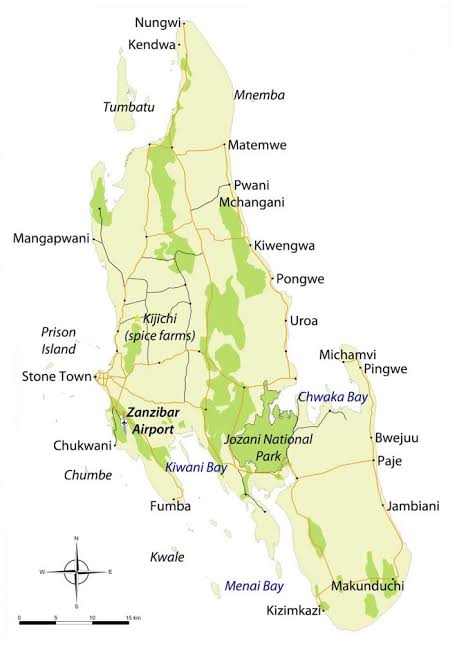
Jozani Chwaka Bay National Park is located in central Zanzibar, approximately 45 minutes drive southeast of Stone Town. The park is easily accessible from all south and east coast beach resorts.
 Open in Google Maps