.png)
Your Complete Mahale Safari Planner
What is Mahale Mountains National Park?
Mahale Mountains National Park is a stunning protected area in western Tanzania, covering 1,613 km² on the eastern shore of Lake Tanganyika. Established in 1985, the park is renowned for its population of wild chimpanzees — the Mimikire group (M-group) of over 90 individuals has been studied by Japanese researchers since the 1960s, making it one of the best habituated chimpanzee groups in Africa. Beyond the chimpanzees, Mahale boasts the dramatic Mahale mountain range (peaks up to 2,460 m), pristine montane forest, and over 30 km of white sandy beaches along Lake Tanganyika — the world's second-deepest lake. The combination of world-class chimpanzee trekking, crystal-clear lake waters, beach relaxation, and spectacular scenery makes Mahale one of the most unique and unforgettable safari destinations in Africa.
Why Mahale Mountains National Park is Famous
Mahale's fame is built on three extraordinary pillars. First, it is home to one of Africa's best habituated chimpanzee populations — the M-group, studied continuously since 1965 by Kyoto University researchers. Trekking to find these chimps in the montane forest is a profoundly moving experience as you watch them interact, groom, play, and hunt in their natural habitat. Second, the park's setting on Lake Tanganyika is breathtaking — the deep blue water, white sandy beaches, and lush green mountains create a tropical paradise. Third, Mahale offers a unique safari combination that few other parks can match: chimpanzee trekking through ancient forests, swimming and kayaking in clear lake waters, and relaxing on pristine beaches — all in one location. The park's remote location and exclusive lodges ensure an intimate, uncrowded wilderness experience.
Location and How to Get to Mahale Mountains National Park
Mahale Mountains National Park is located on the eastern shore of Lake Tanganyika in western Tanzania, approximately 120 km south of Kigoma town. Access is exclusively by air and boat — there are no roads into the park. The most common approach is a chartered flight from Arusha (3.5 hours) or Kigoma (45 minutes) to Mahale airstrip (also known as Lagosa airstrip). From the airstrip, you are met by camp staff and take a boat transfer across Lake Tanganyika (30-90 minutes depending on which camp you are staying at). The journey itself is spectacular — flying over the Great Rift Valley escarpment and arriving by dhow on the golden sands of Mahale. The park is open year-round but is best visited during the dry season (June-October).
Mahale Mountains National Park Wildlife Guide
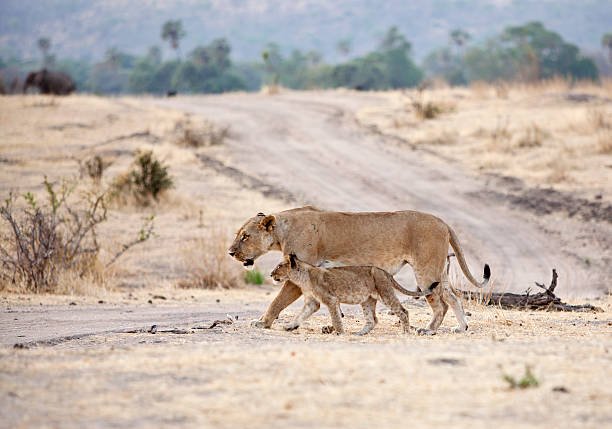
Mahale Mountains National Park is best known for its chimpanzees, but the park also hosts a variety of other wildlife across its montane forest, shoreline, and miombo habitats. Key species include:
- Chimpanzee (M-group, 90+ individuals)
- Red Colobus Monkey
- Blue Monkey
- Vervet Monkey
- Yellow Baboon
- Bushbuck
- Duiker
- Suni
- Leopard (rare)
- Serval
- Civet
- Genet
- Wild Pig
- Hippopotamus (Lake Tanganyika)
- Crocodile (Nile)
- Nile Monitor
- Fish Eagle
- Kingfisher (multiple species)
- Cichlid Fish (endemic to Lake Tanganyika)
Best spots: Chimpanzees in the montane forest valleys, red colobus monkeys in the canopy, and fish eagles along the lake shore. The lake itself is home to over 250 species of cichlid fish, found nowhere else on earth.
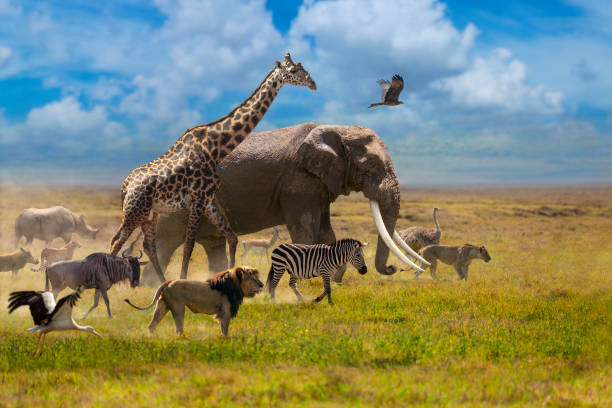
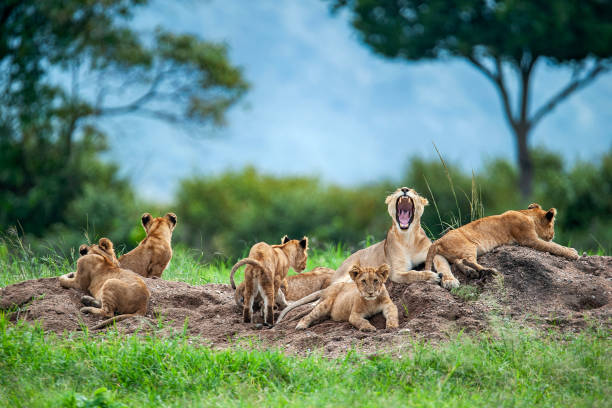
Mahale Mountains National Park Gallery
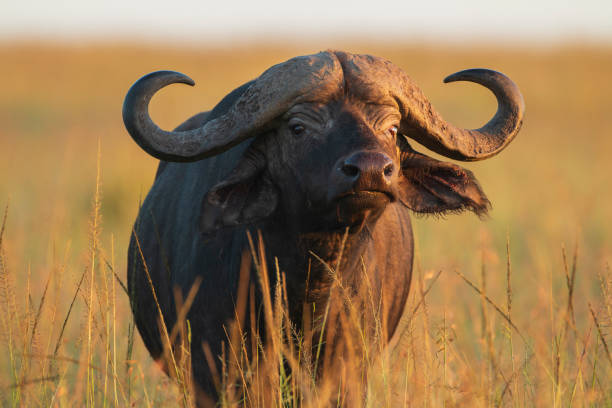

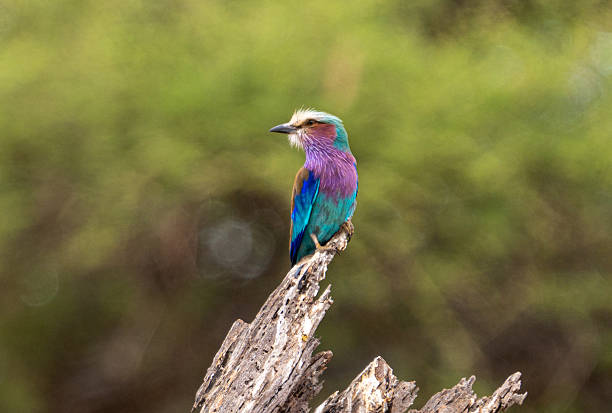
Chimpanzee Trekking in Mahale
Chimpanzee trekking in Mahale is the park's signature experience. You will track the Mimikire group (M-group), a community of over 90 wild chimpanzees that have been habituated to human presence by Japanese researchers since 1965. Treks depart early morning (around 6:00 AM) from your lodge, guided by expert trackers and researchers who know the chimps individually. You hike through dense montane forest, following the chimps' calls and fresh feeding signs. The trek can take 1-4 hours depending on where the chimps are. Once you locate them, you are allowed one magical hour observing them — watching them groom, play, forage, and interact. The encounters are intimate and profoundly moving. Your guide will help identify individuals and explain group dynamics. After trekking, return to the beach for swimming, kayaking, or simply relaxing on the white sands while watching the sun set over Lake Tanganyika.
Best Time to Visit Mahale Mountains National Park
| Month | Season | Chimpanzee & Wildlife Highlights | Rating |
|---|---|---|---|
| Jan | Green | Chimps lower in valleys. Lush forest. Good birding. Lake calm. | ★★★★☆ |
| Feb | Green | Good chimp trekking conditions. Fewer tourists. Excellent lake conditions. | ★★★★☆ |
| Mar | Green / Rains | Short rains. Trails can be slippery. Chimps scattered. Good value period. | ★★★☆☆ |
| Apr | Long Rains | Heavy rain. Trails muddy. Fewer visitors. Lowest rates. Dedicated trekkers only. | ★★☆☆☆ |
| May | Long Rains | Rains easing. Chimps beginning to move higher. Birding excellent. | ★★☆☆☆ |
| Jun | Dry | Dry season begins. Excellent chimp trekking. Trails drier. Prime time starts. | ★★★★☆ |
| Jul | Dry / Peak | Chimps concentrated in upper forest. Best tracking conditions. Peak season. | ★★★★★ |
| Aug | Dry / Peak | Perfect chimp trekking weather. Cool mornings. Easy trails. Highest chimp sighting rates. | ★★★★★ |
| Sep | Dry / Peak | Outstanding conditions. Chimps highly visible. Lake clear for swimming. Book well ahead. | ★★★★★ |
| Oct | End of dry | Hot and dry. Chimps still concentrated. Good trekking. Some afternoon heat. | ★★★★☆ |
| Nov | Short Rains | Rains return. Chimps disperse. Green season begins. Good for keen travelers. | ★★★☆☆ |
| Dec | Short Rains | Lush landscapes. Chimp sightings good. Festive season. Book early for December. | ★★★☆☆ |
★ = Rating based on chimpanzee trekking conditions, weather, crowds, and value. Dry season (July-September) offers the most reliable chimp sightings.
Safari Activities in Mahale Mountains National Park
Chimpanzee trekking is the main activity — a once-in-a-lifetime experience tracking wild chimps through pristine montane forest with expert guides. Swimming in the crystal-clear waters of Lake Tanganyika is a daily highlight — the water is warm, clean, and safe for swimming. Kayaking along the shoreline offers stunning views of the Mahale Mountains and opportunities to spot fish eagles and kingfishers. Boat safaris on the lake in traditional dhows provide sunset cruises and fisherman's lunches on secluded beaches. Walking safaris in the lower forest explore the rich biodiversity of the miombo woodland and lake shore. Snorkeling reveals the incredible endemic cichlid fish of Lake Tanganyika — over 250 species found nowhere else. Birdwatching is excellent with over 350 species including fish eagles, palm-nut vultures, and the elusive Shelley's eagle-owl.
Accommodation in Mahale Mountains National Park
Mahale has a handful of exclusive beachside lodges that combine chimpanzee trekking with Lake Tanganyika luxury. Luxury: Greystoke Mahale ($800-1,500/night) is the iconic lodge with six beachfront bandas under palm-thatched roofs, open-air bathrooms, and a stunning lakeside setting. Mid-Range: Kungwe Beach Lodge ($500-900/night) offers comfortable en-suite tents on the beach with excellent guiding and a relaxed atmosphere. Ultra-Luxury: Nomad's Greystoke Mahale and the newly built Singita Mahale (inquire for rates) offer the ultimate in exclusive beachfront luxury.
Mahale Mountains National Park Safari Cost & Fees
| Category | Price Per Person/Day | Includes |
|---|---|---|
| Budget | $400 – $600 | Basic tented camp, shared activities, meals, park fees |
| Mid-Range | $600 – $900 | Beach lodge/tented camp, chimp trekking, meals, guide |
| Luxury | $900 – $1,500 | Premium beach lodge, private trekking, gourmet meals |
| Ultra-Luxury | $1,500 – $3,000 | Exclusive lodge, butler service, private dhow, helicopter transfers |
Park Entry Fee: Non-resident adults $90/person/day (higher than other parks due to chimp conservation fees). Chimpanzee Trekking Permit: $100-200/person per trek (included in most package prices). Charter Flight: $400-700/person each way from Arusha. Mahale is a premium destination, but the combination of chimp trekking and lake beach relaxation is unparalleled in Tanzania.
Frequently Asked Questions about Mahale Mountains National Park
Nearby Attractions
Mahale Mountains is part of Tanzania's remote western circuit, with unique destinations accessible by air or boat.
- Gombe Stream National Park (north by boat, 3-4 hours) — The site of Jane Goodall's historic chimpanzee research. Intimate chimp trekking with small groups along the lake shore.
- Katavi National Park (4-5 hours drive/flight) — Tanzania's most remote wilderness with massive buffalo and hippo herds on the Katuma River floodplains.
- Kigoma Town (45 minutes flight or 3-4 hours by boat) — Historical lakeside town on Lake Tanganyika with the Kigoma port, old railway station, and access to Gombe.
- Lake Tanganyika — The world's second-deepest lake (1,470 m) stretches 673 km along four countries. Swimming, kayaking, and cultural visits to fishing villages are highlights.
Mahale is frequently paired with Katavi and Gombe for a comprehensive western Tanzania safari. See our Destination Hub for package ideas.
Related Mahale Safari Tours
7 Days Mahale Chimpanzee Safari
Four days of chimpanzee trekking in Mahale combined with Lake Tanganyika beach relaxation. Fly-in safari with luxury beach lodge accommodation.
View Tour10 Days Mahale & Gombe Combo
Visit both chimpanzee parks in western Tanzania — trek with chimps in Mahale and Gombe. Lake cruises, swimming, and cultural visits included.
View Tour14 Days Ultimate Western Circuit
Combine Mahale, Katavi, and Gombe for the ultimate western Tanzania adventure. Chimpanzee trekking, game drives, Lake Tanganyika beaches, and fly-camping.
View TourHow to Book Your Mahale Mountains Safari
Booking your Mahale safari with African Majestic Adventure is simple. Here's how it works:
- Step 1: Choose your preferred itinerary or contact us for a custom plan tailored to your schedule.
- Step 2: Get a detailed quote including park fees, accommodation, transport, meals, charter flights, and guide services — no hidden costs.
- Step 3: Confirm your booking with a 30% deposit. We handle all park reservations, lodging, permits, and flight bookings.
- Step 4: Receive your pre-travel briefing, packing list, and safari guide assignment 2 weeks before departure.
- Step 5: Arrive in Tanzania — we meet you at the airport and begin your adventure.
All our safaris include airport transfers, park entry fees, chimp trekking permits, accommodation, meals, and an English-speaking guide. Charter flights and visas are not included. Custom itineraries are welcome — contact us for a personalized quote.