Katavi National Park Tanzania remote safari wilderness
Katavi National Park

Katavi National Park: The Ultimate Guide

Discover Tanzania's wildest and most remote national park — the Katuma River, vast buffalo herds, thousands of hippos, and the raw African wilderness.

Quick Facts

Location

Western Tanzania, East Africa

Size

4,471 km²

Established

1974

Ecosystem

Miombo woodland, floodplain, savannah

Best Time

June – October

Nearest Airport

Katavi Airstrip (charter)

Main Wildlife

Buffalo, hippo, elephant, lion, leopard, giraffe

Famous For

Remote wilderness, Katuma River, massive hippo/buffalo herds

Bird Species

400+

What is Katavi National Park?

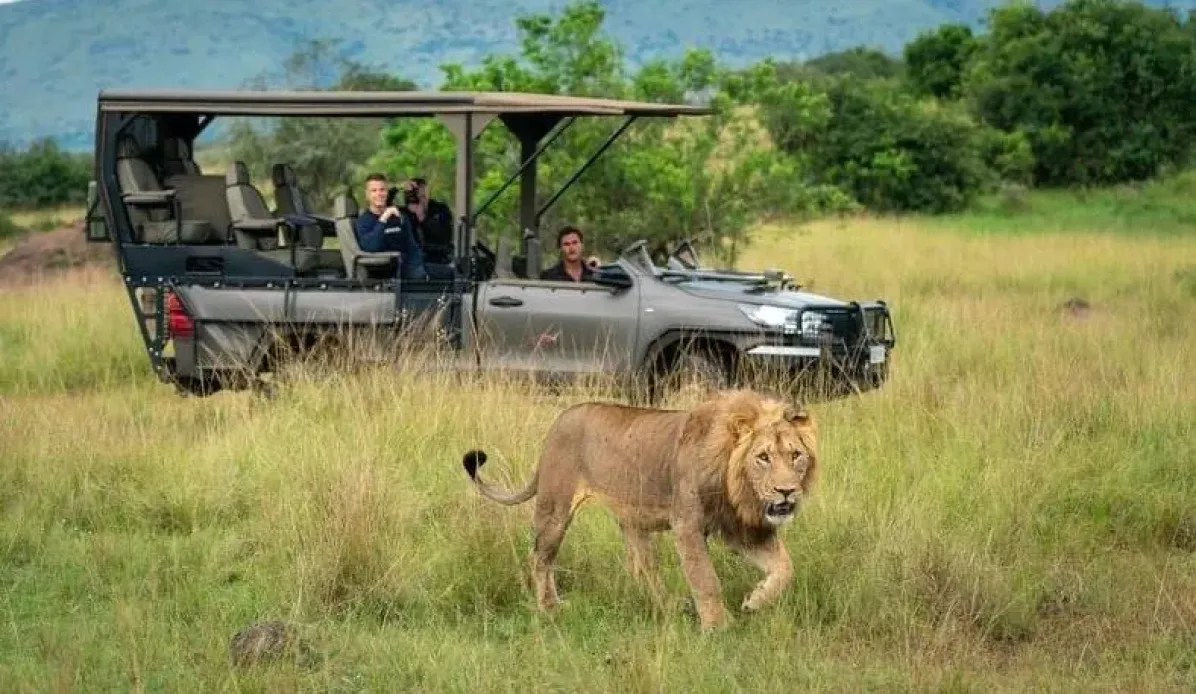
Katavi National Park is Tanzania's most remote and least visited national park, tucked away in the far west of the country. Spanning 4,471 km² of pristine miombo woodland, floodplains, and savannah, Katavi offers a raw, untamed safari experience far from the crowds. Established in 1974, the park is centred on the seasonal Katuma River and its vast floodplains, which during the dry months become a magnet for some of the largest concentrations of hippos and buffaloes in Africa. The park remains one of the wildest places on the continent — you can drive for hours without seeing another vehicle. Katavi is for the true adventurer seeking an unfiltered wilderness experience, where the roar of a lion echoes across the plains and thousands of hippos jostle for space in shrinking pools.

Why Katavi National Park is Famous

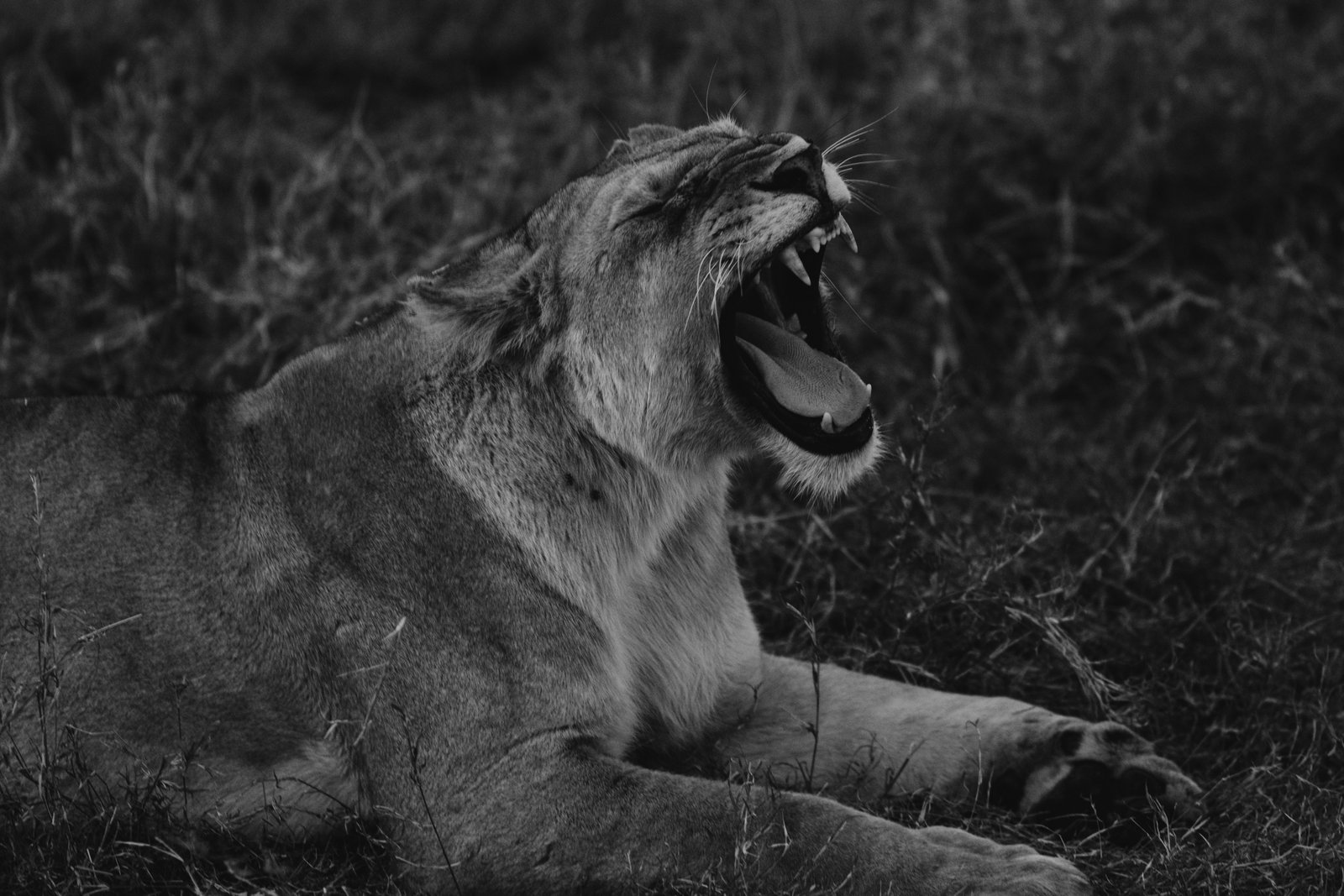
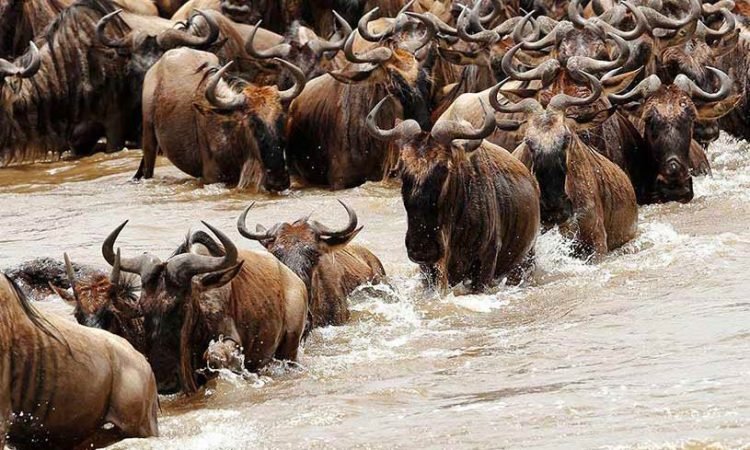
Katavi's fame lies in its sheer untamed scale and the astonishing concentrations of wildlife that gather along the Katuma River and its floodplains during the dry season. The park is legendary for having some of Africa's largest buffalo herds — herds of 1,000+ animals are commonly seen. The hippo population is extraordinary: thousands of hippos crowd into the remaining pools of the Katuma River, creating scenes of chaotic jostling and grunting that are unforgettable. Katavi is also one of the best places in Tanzania to see lion and leopard hunting in the dry riverbeds. The park's remoteness means visitors often have the wilderness entirely to themselves. The vast miombo woodlands are home to sable and roan antelope, eland, and over 400 bird species, making Katavi a hidden gem for dedicated wildlife enthusiasts and photographers.

Location and How to Get to Katavi National Park

Katavi National Park is located in western Tanzania, approximately 40 km south of Mpanda town and about 180 km from Lake Tanganyika. Access is primarily by chartered flight from Arusha, Dar es Salaam, or Kigoma to the Katavi airstrip (the park has four airstrips: Ikuu, Katuma, Sitalike, and Kibaoni). The flight from Arusha takes about 3 hours. By road, the journey is an epic adventure — 650 km from Mbeya (10-12 hours) or 900 km from Arusha (2+ days). Most visitors opt for fly-in safaris to maximize time in this remote wilderness. The park is open year-round but is easiest to access during the dry season (June-October) when roads are passable and wildlife is concentrated along the rivers.

Katavi National Park Wildlife Guide

Katavi National Park is renowned for its immense herds of buffalo and hippos, but it also hosts a wide variety of other wildlife across its diverse habitats. Key species include:

  • Hippopotamus (thousands)
  • Buffalo (largest herds in Tanzania)
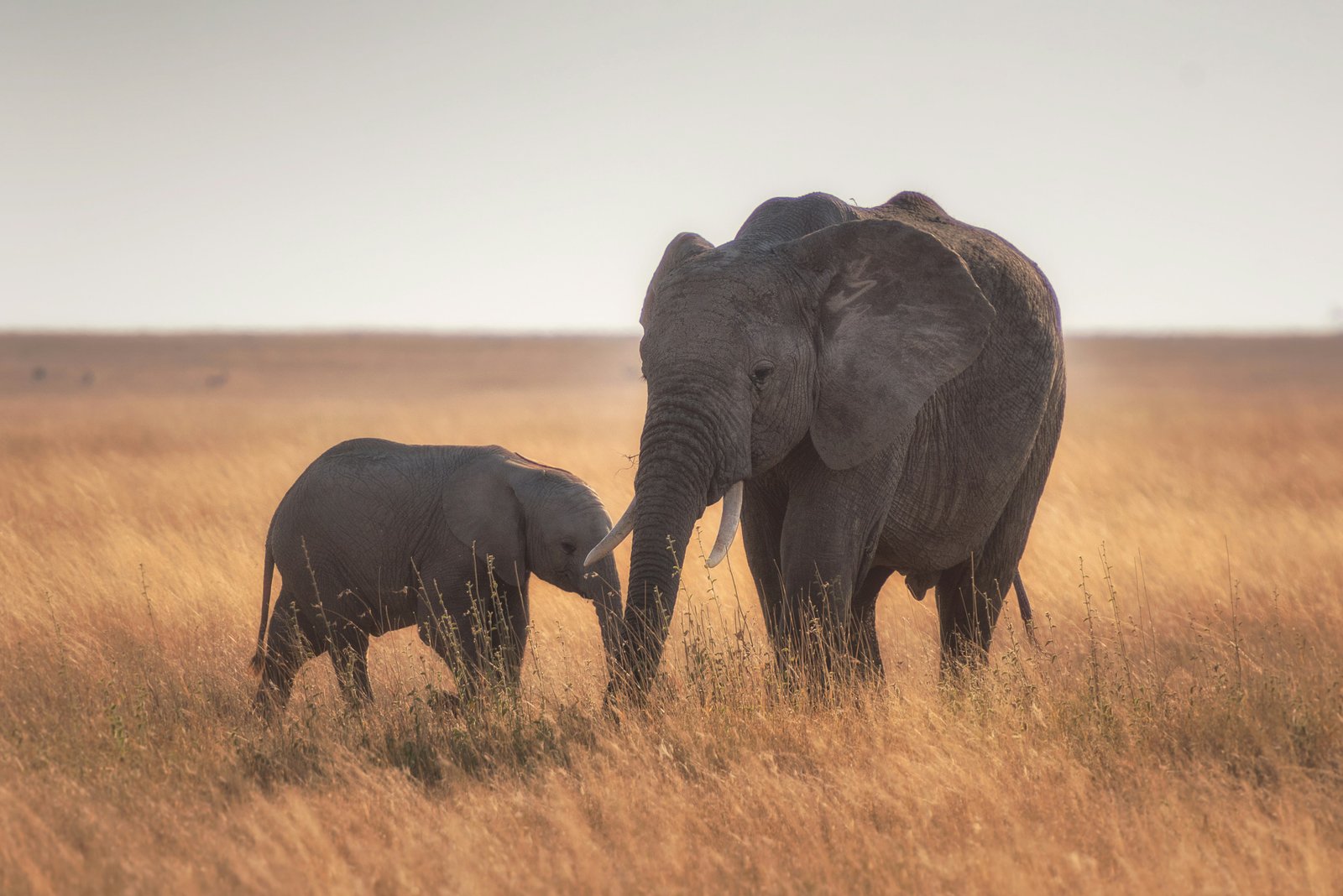
  • African Elephant
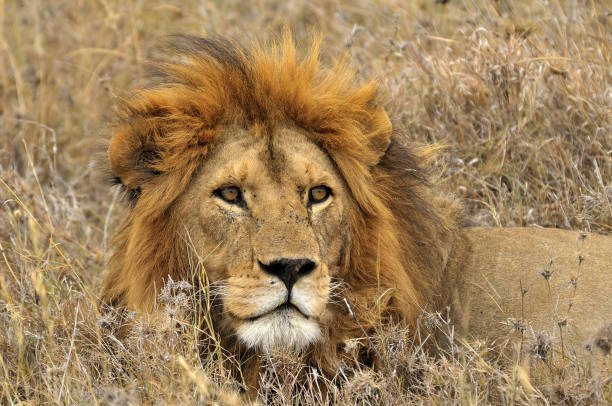
  • Lion
  • Leopard
  • Masai Giraffe
  • Plains Zebra
  • Wildebeest
  • Impala
  • Waterbuck
  • Bushbuck
  • Sable Antelope
  • Roan Antelope
  • Eland
  • Topi
  • Warthog
  • Spotted Hyena
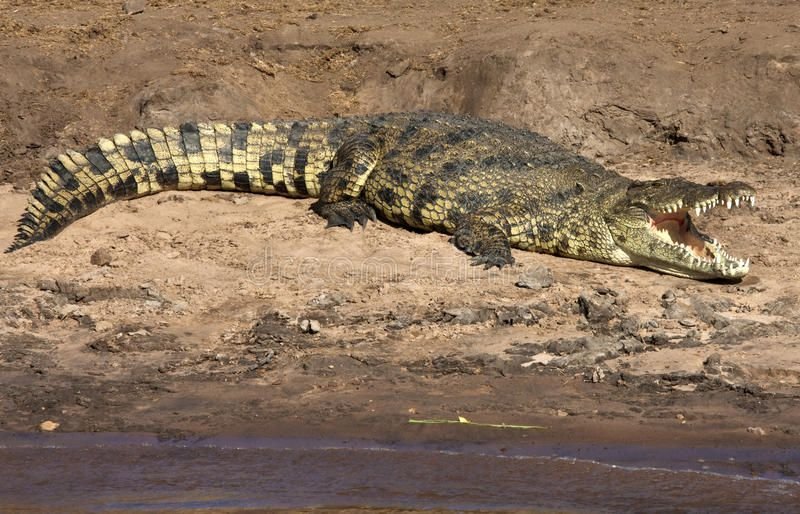
  • Crocodile
  • Cheetah
  • Wild Dog (rare)
  • Jackal
  • Serval
  • Baboon
  • Vervet Monkey

Best spots: Katuma River floodplains for hippos and buffalo at dusk, palm-fringed Lake Katavi for elephants, and the miombo woodlands for sable and roan antelope. Lion sightings are common along the river channels.

The Katuma River & Floodplains

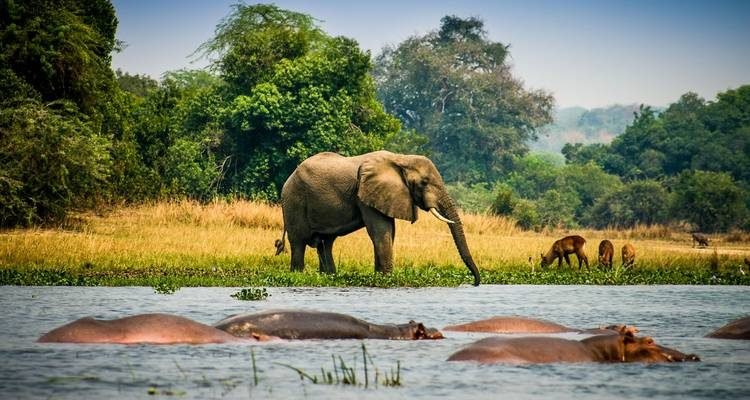
The Katuma River is the lifeblood of Katavi National Park. During the dry season (June-October), the river shrinks from a broad floodplain into a series of shrinking pools, creating one of Africa's most dramatic wildlife spectacles. As the waters recede, thousands of hippos cram into the remaining deep pools, their grunts and territorial battles echoing across the plains. Along the banks, herds of buffalo numbering 1,000 or more gather to drink while crocodiles lie in wait. The concentration of prey attracts predators — lions patrol the river channels and leopards lurk in the dense riverine vegetation. The Katuma floodplains are best explored in the late afternoon when the golden light illuminates thousands of animals converging on the water. This raw, primeval scene is what makes Katavi utterly unique — a wilderness that feels as it did a century ago.

Best Time to Visit Katavi National Park

MonthSeasonWildlife HighlightsRating
JanGreenLush landscapes. Fewer animals scattered. Good birding. Very few tourists.★★★☆☆
FebGreenWildlife dispersed. Birding excellent. Quiet season with low rates.★★★☆☆
MarGreen / RainsPeak green season. Good for birders. Some roads may be challenging.★☄☆☆☆
AprLong RainsHeavy rains. Park quiet. Difficult access. Lowest rates available.★☄☆☆☆
MayLong RainsRains easing. Animals beginning to congregate. Good for keen birders.★★☆☆☆
JunDryDry season begins. Wildlife concentrates along Katuma River. Prime time.★★★★☆
JulDry / PeakExcelent game viewing. Large herds gather. Peak season for remote camps.★★★★★
AugDry / PeakBest month for hippo concentrations. Buffalo herds at maximum. Perfect weather.★★★★★
SepDry / PeakOutstanding game viewing across floodplains. Hot days, clear skies.★★★★★
OctEnd of dryHottest month. Wildlife intensely concentrated near remaining water. Dramatic scenes.★★★★★
NovShort RainsRains arrive. Scattered wildlife. Green season returns. Good value period.★★★☆☆
DecShort RainsLush landscapes return. Fewer visitors. Birding picks up. Festive season.★★★☆☆

★ = Rating based on wildlife viewing quality, concentration of game, accessibility, and value. Dry season (July-October) is unquestionably the best time for Katavi.

Safari Activities in Katavi National Park

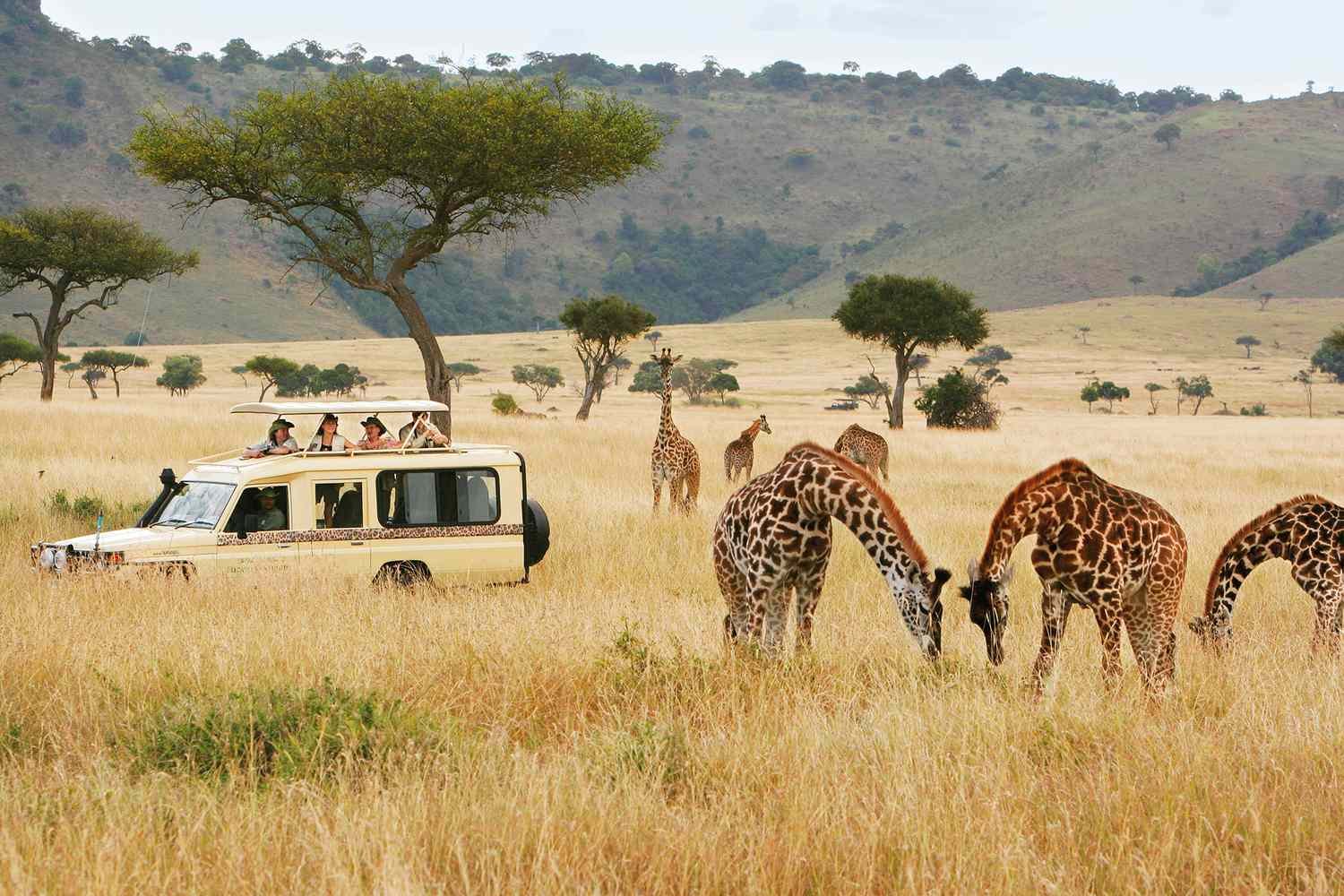
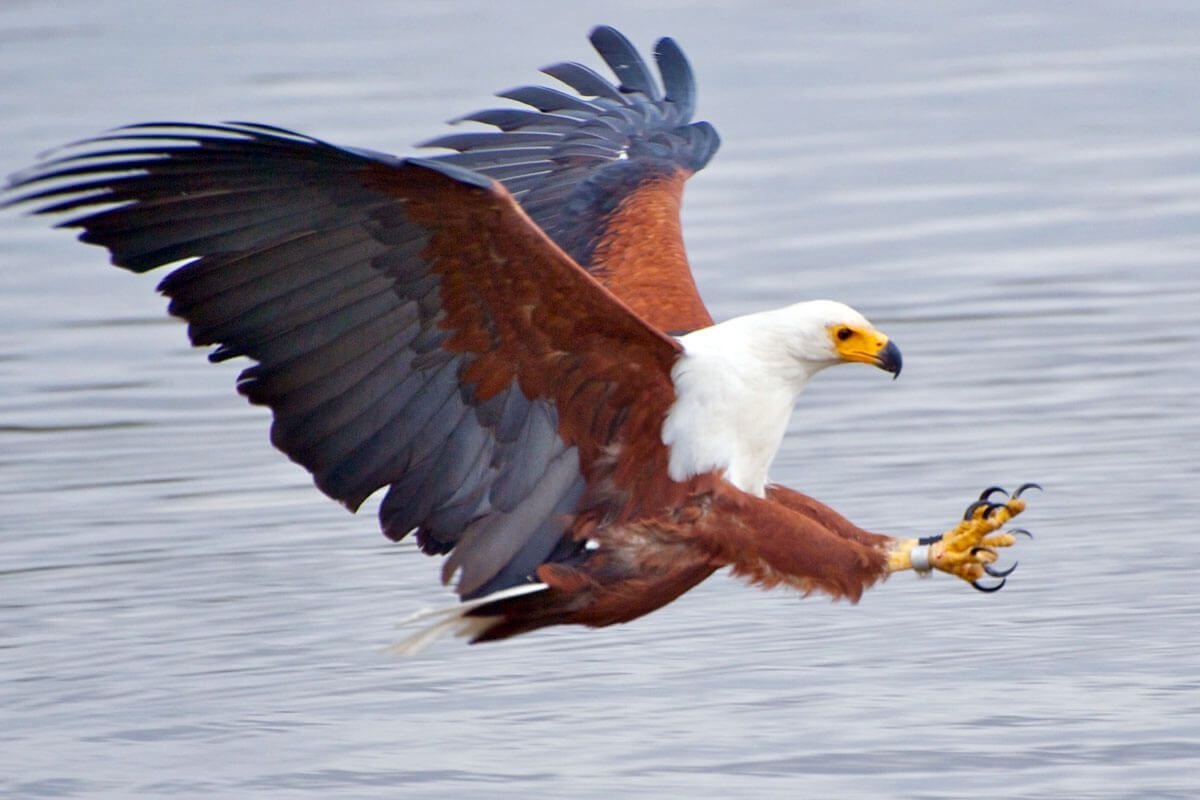
Game drives are the primary activity, traversing the vast floodplains, river channels, and miombo woodlands in search of Katavi's spectacular wildlife concentrations. Walking safaris with armed rangers are particularly thrilling here — the park's remoteness allows you to explore on foot, tracking wildlife and learning about the bush from expert guides. Birdwatching is exceptional with over 400 species recorded, including African fish eagles, southern ground hornbills, and carmine bee-eaters. Fly camping (mobile tented camping under the stars) is a unique Katavi experience — sleeping in the bush without permanent structures, with just the sounds of the African night. Photography is outstanding, especially during the golden hours when animals crowd the riverbanks. Bush picnics at scenic viewpoints along the Katuma River are a memorable way to spend midday.

Accommodation in Katavi National Park

Katavi has a handful of exclusive, low-impact camps that reflect its remote and wild character. Luxury: Katuma Bushtops ($800-1,500/night) is the park's premier camp offering spacious tented suites with plunge pools, gourmet dining, and expert guiding. Mid-Range: Katavi Tented Camp ($400-700/night) offers comfortable en-suite tents with a classic safari feel, located on the banks of the Katuma River. Budget: The park has basic public campsites and simple bandas operated by the park authority ($50-100/night). Most accommodation is seasonal (June-October). Contact us for current availability and rates.

Katavi National Park Safari Cost & Fees

CategoryPrice Per Person/DayIncludes
Budget$300 – $450Public campsite, shared 4x4, meals, park fees
Mid-Range$450 – $700Tented camp, private 4x4, all meals, guide
Luxury$700 – $1,200Premium tented suite, private vehicle, gourmet meals
Ultra-Luxury$1,200 – $2,000Exclusive camp, butler service, private chef, fly-camping

Park Entry Fee: Non-resident adults $50/person/day, children 5-15 $25, under 5 free. Vehicle Fee: $40/day. Walking Safari: Included with entry (with ranger). Charter Flight: $350-600/person each way from Arusha. Katavi is a premium destination due to its remote location and limited access, but the unfiltered wilderness experience is priceless.

Frequently Asked Questions about Katavi National Park

How do I get to Katavi National Park?
The easiest way is a chartered flight from Arusha (3 hours) or Dar es Salaam to Katavi airstrip. By road, it is a 2-day drive from Arusha. Most visitors choose fly-in safaris.
What is the best time to visit Katavi?
The dry season from June to October is the best time. Wildlife concentrates along the Katuma River and floodplains, creating spectacular viewing opportunities.
What accommodation is available in Katavi?
Katavi has a few exclusive camps including Katuma Bushtops (luxury) and Katavi Tented Camp (mid-range). Basic public campsites are also available.
Is Katavi National Park safe?
Yes, Katavi is safe when visiting with a reputable tour operator and experienced guides. Walking safaris are conducted with armed rangers. The park is remote but safety protocols are well established.
How much does a Katavi safari cost?
Budget $300-450/day (budget), $450-700/day (mid-range), $700-1,200/day (luxury), or $1,200-2,000/day (ultra-luxury). Charter flights add $350-600 each way from Arusha.
Can I see hippos in Katavi?
Absolutely — Katavi has one of the highest concentrations of hippos in Africa. Thousands of hippos gather in the Katuma River pools during the dry season, an incredible sight.
What flight options are available for Katavi?
Charter flights from Arusha, Kigoma, Dar es Salaam, or Mbeya to Katavi airstrip. Safari Link, Coastal Aviation, and Auric Air operate scheduled charters.
What should I pack for Katavi?
Light clothing, warm layer for early morning drives, hat, sunscreen, insect repellent, binoculars, camera, sturdy walking shoes, and a good torch for evenings.
How remote is Katavi?
Katavi is Tanzania's most remote national park. There are no shops, fuel stations, or medical facilities nearby. Self-sufficiency and advance booking are essential. Mobile phone reception is limited or non-existent.
Do I need a visa for Tanzania?
Most nationalities require a tourist visa. Apply via the Tanzania eVisa portal before travel or obtain a visa on arrival. Single entry visa costs $50 USD.

Nearby Attractions

Katavi National Park is part of Tanzania's remote western safari circuit, offering access to other unique destinations.

  • Mahale Mountains National Park (4-5 hours drive or boat) — Home to the Mimikire chimpanzee group (90+ chimps), crystal-clear Lake Tanganyika, and stunning white sandy beaches.
  • Gombe Stream National Park (far north, accessible by boat from Kigoma) — The site of Jane Goodall's historic chimpanzee research, offering intimate chimp trekking experiences.
  • Ruaha National Park (distant, 6+ hours drive) — Tanzania's largest national park, known for its elephant herds, wild dogs, and dramatic riverine scenery.
  • Lake Tanganyika (accessible from Mpanda or Kigoma) — The world's second-deepest lake, offering swimming, kayaking, and cultural visits to local fishing villages.
  • Kigoma Town (4-5 hours drive) — Historical lakeside town on Lake Tanganyika, gateway to Gombe Stream and Mahale Mountains.

Katavi is often combined with Mahale Mountains or Gombe Stream for a 10-14 day western Tanzania safari. See our Destination Hub for package details.

Related Katavi Safari Tours

How to Book Your Katavi National Park Safari

Booking your Katavi safari with African Majestic Adventure is simple. Here's how it works:

  • Step 1: Choose your preferred itinerary or contact us for a custom plan tailored to your schedule.
  • Step 2: Get a detailed quote including park fees, accommodation, transport, meals, charter flights, and guide services — no hidden costs.
  • Step 3: Confirm your booking with a 30% deposit. We handle all park reservations, lodging, and permits.
  • Step 4: Receive your pre-travel briefing, packing list, and safari guide assignment 2 weeks before departure.
  • Step 5: Arrive in Tanzania — we meet you at the airport and begin your adventure.

All our safaris include airport transfers, park entry fees, game drives, accommodation, meals, and an English-speaking guide. Charter flights and visas are not included. Custom itineraries are welcome — contact us for a personalized quote.

Ready to Experience Katavi National Park?

From the Katuma River to the vast buffalo herds and thousands of hippos, Katavi is the ultimate remote wilderness. Our local safari experts are ready to create your unforgettable Tanzania adventure.

👋 Hello!
Welcome to African Majestic Adventure!
Ready to plan your dream safari?
Chat with us now!
×Map enlarged