.png)
Your Complete Ruaha Safari Planner
What is Ruaha National Park?
Ruaha National Park is Tanzania's largest national park, spanning a colossal 20,226 km² in the heart of southern Tanzania. Established in 1964 and designated a UNESCO World Heritage Site in 2023, Ruaha is named after the Great Ruaha River, which snakes through the park and serves as its lifeblood. The park is dominated by ancient miombo woodland, wide-open savannah plains, and dramatic riverine forests lined with towering baobab trees. Ruaha protects one of Tanzania's highest concentrations of predators, including approximately 10% of the world's lion population and one of the largest populations of the endangered African wild dog. With over 570 bird species and a wild, remote character that feels far from the crowds of the northern circuit, Ruaha offers an authentic, off-the-beaten-path safari experience for discerning travellers seeking wilderness at its most raw.
Why Ruaha National Park is Famous
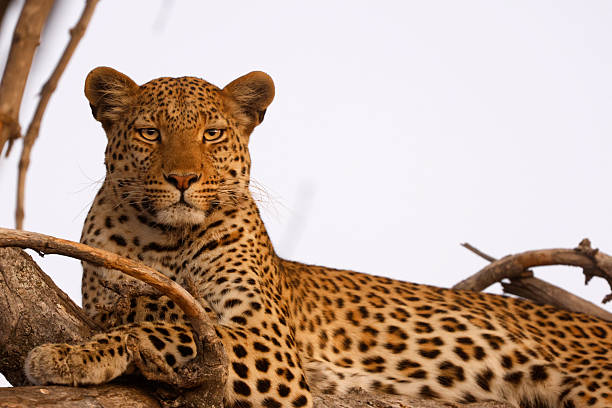
Ruaha's fame rests on its immense size and pristine wilderness — at 20,226 km², it is larger than Serengeti National Park and offers an untouched safari experience. The park is globally renowned for its extraordinary predator density, estimated to hold 10% of the world's lion population alongside thriving populations of leopard, cheetah, and the endangered African wild dog (painted wolf). The Great Ruaha River is the dramatic centrepiece, with massive crocodiles and hippos crowding its pools and baobab trees lining its banks. Ruaha is one of the best places in Africa to see greater kudu (highest population in East Africa), sable antelope, and roan antelope. Its miombo woodland ecosystem is unique among Tanzania's parks, creating a completely different safari atmosphere from the open grasslands of the Serengeti. Birders flock here for over 570 species including the endemic Ruaha red-billed hornbill.
Location and How to Get to Ruaha National Park
Ruaha National Park is located in south-central Tanzania, approximately 130 km west of Iringa town. The park's remote location means fewer visitors but requires more planning to reach. By air: Charter flights from Dar es Salaam, Arusha, or Zanzibar land at Msembe Airstrip inside the park (1-2 hour flight). Scheduled flights operate regularly during peak season. By road: A 4-hour drive from Iringa (130 km of which 60 km is gravel road) or 7-8 hours from Dar es Salaam via Mikumi. The park has three main entrances: Msembe Gate (main gate near park headquarters), Kimiramatonge Gate, and Tanganyika Gate. Many visitors combine Ruaha with Mikumi National Park (2 hours east) and Udzungwa Mountains (3 hours northeast) for a comprehensive southern Tanzania itinerary.

Ruaha National Park Wildlife Guide
Ruaha National Park is a wildlife paradise with some of the highest predator densities in Africa and a diverse array of ungulates adapted to its miombo woodland ecosystem. Key species include:
- Lion (10% of world population)
- African Elephant
- Cape Buffalo
- Leopard
- African Wild Dog (painted wolf)
- Masai Giraffe
- Plains Zebra
- Impala
- Greater Kudu (highest in East Africa)
- Sable Antelope
- Roan Antelope
- Eland
- Waterbuck
- Bushbuck
- Warthog
- Hippopotamus
- Nile Crocodile
- Spotted Hyena
- Cheetah
- Black-backed Jackal
- Bat-eared Fox
- Serval
- Mongoose
- Olive Baboon
- Vervet Monkey
Best spots: Lions and wild dogs are frequently sighted along the Great Ruaha River and in the open savannah plains of the Mwagusi sector. Greater kudu and sable antelope favour the miombo woodlands. The riverbanks are excellent for hippo and crocodile viewing.
Ruaha National Park Gallery
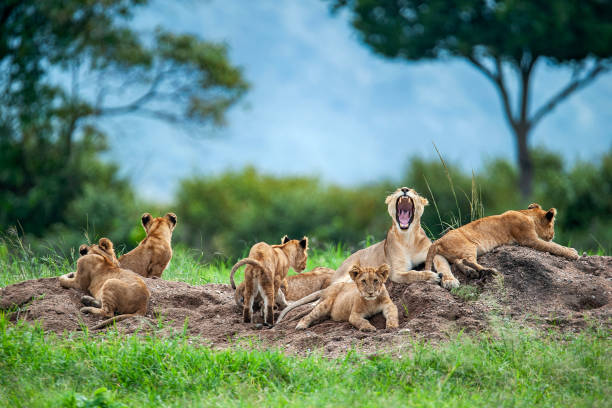
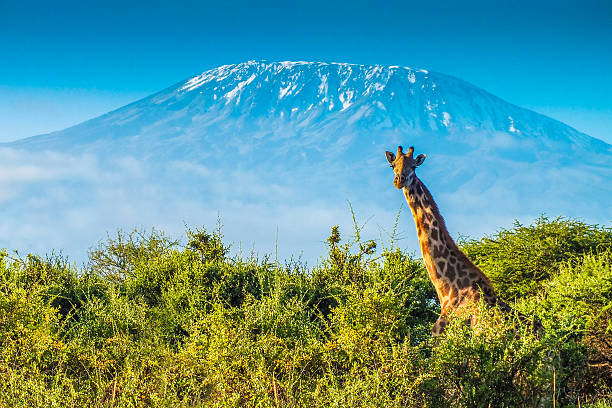
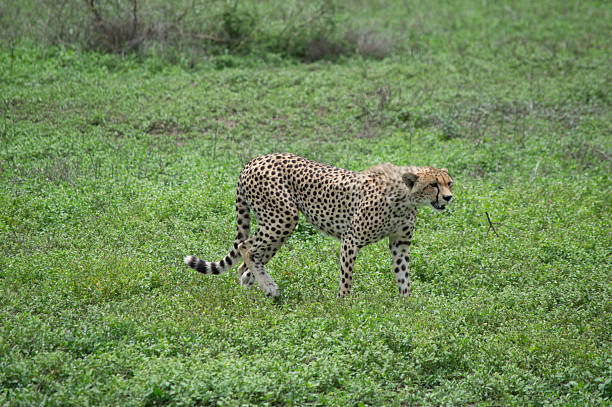

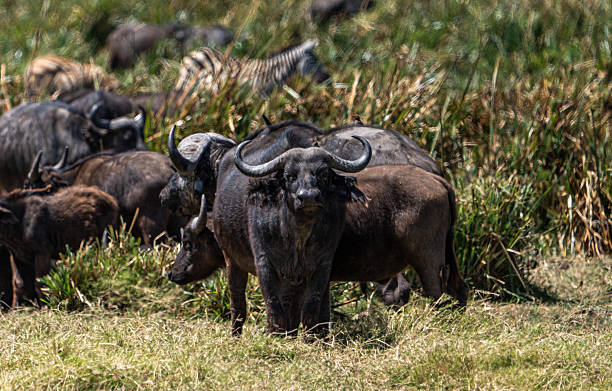
The Great Ruaha River
The Great Ruaha River is the lifeblood of Ruaha National Park. Flowing through the heart of the park for over 120 km, this perennial river draws staggering concentrations of wildlife during the dry season (June-October). The river's banks are lined with ancient baobab trees, tworiber figs, and palms, creating a dramatic and scenic landscape that is a photographer's dream. During the dry months, the river shrinks to a series of deep pools and channels, concentrating elephants, buffalo, hippos, crocodiles, and all major predators along its course. Boat safaris on the Ruaha River offer a unique perspective — gliding past basking crocodiles, drinking elephants, and herds of waterbuck while fish eagles call overhead. The river is also critical for the park's famous African wild dogs, which hunt along its banks, and for the massive lion prides that claim territories in the riverine woodlands. The dry season river viewing is among the most intense wildlife experiences anywhere in Africa.
Best Time to Visit Ruaha National Park
| Month | Season | Wildlife Highlights | Rating |
|---|---|---|---|
| Jan | Green | Lush landscapes, excellent birding with migrants. Animals spread out. Fewer predators visible. | ★★★☆☆ |
| Feb | Green | Good birding. Lush scenery. Lower wildlife density but fewer tourists. Good for photography. | ★★★☆☆ |
| Mar | Rains | Peak green season. Scattered afternoon showers. Excellent for birders. Quiet park. | ★★★☆☆ |
| Apr | Long Rains | Heavy rainfall. Some roads become impassable. Best avoided for game drives. Lowest rates. | ★★☆☆☆ |
| May | End of Rains | Rain easing. Lush and green. Animals beginning to gather near water sources. Improving conditions. | ★★★☆☆ |
| Jun | Start of Dry | Skies clear. Animals concentrate along the Ruaha River. Excellent predator sightings begin. | ★★★★☆ |
| Jul | Dry / Peak | Outstanding game viewing. Massive herds along the river. Lion and wild dog sightings frequent. | ★★★★★ |
| Aug | Dry / Peak | Peak wildlife viewing. Best month for large predator encounters. Excellent river boat safaris. | ★★★★★ |
| Sep | Dry / Peak | Intense wildlife concentration. Highest predator activity. Hot days, stunning sunsets. | ★★★★★ |
| Oct | End of Dry | Hottest month. Wildlife packed around remaining water. Exceptional viewing but very hot. | ★★★★☆ |
| Nov | Short Rains | First rains arrive. Park transforms to green. Animals disperse. Birding improves. Low season rates. | ★★★☆☆ |
| Dec | Green Season | Lush and beautiful. Migrant birds present. Fewer tourists. Good value period for safaris. | ★★★☆☆ |
★ = Rating based on wildlife viewing quality, predator sightings, river levels, accessibility, birding, and value. The dry season (July-October) offers the most spectacular game viewing.
Safari Activities in Ruaha National Park
Game drives in 4x4 vehicles are the primary activity, with the dry season offering world-class predator sightings along the Great Ruaha River and Mwagusi sand river. Ruaha's vast size means full-day drives are rewarding, with picnic stops at scenic river viewpoints. Walking safaris with armed rangers are exceptional here — Ruaha is one of Tanzania's premier parks for guided walks through miombo woodland, tracking wildlife on foot and learning about the ecosystem. Boat safaris on the Great Ruaha River provide a unique water-level perspective of crocodiles, hippos, and drinking herds. Night game drives (available in private concessions) reveal the park's nocturnal life — genet, civet, serval, and hunting lion. Birdwatching is outstanding with over 570 species including the endemic Ruaha red-billed hornbill. Fly camping (mobile camping under the stars) is offered by luxury operators for the ultimate wilderness experience.
Accommodation in Ruaha National Park
Ruaha offers a range of accommodation options from luxury camps to basic bandas. Luxury: Jabali Ridge ($700-1,500/night) is a stunning rock lodge with panoramic views, Mwagusi Safari Camp ($600-1,200/night) offers classic tented luxury on the Mwagusi sand river, Kwihala Camp ($800-1,600/night) provides an intimate bush experience. Mid-Range: Ruaha River Lodge ($300-600/night) is the park's largest lodge with stone cottages overlooking the river, Kigelia Camp ($350-650/night) offers comfortable tented suites in a beautiful setting. Budget: Ruaha Hilltop Lodge ($150-250/night) provides basic bandas and a public campsite ($30/night) near park headquarters. Most lodges offer full-board packages including game drives, meals, guided walks, and park fees. Book well in advance for peak dry season (July-October).
Ruaha National Park Safari Cost & Fees
| Category | Price Per Person/Day | Includes |
|---|---|---|
| Budget | $250 – $400 | Camping/banda, shared vehicle, meals, park fees |
| Mid-Range | $400 – $650 | Tented camp/lodge, private 4x4, meals, guide |
| Luxury | $650 – $1,200 | Premium lodge, private vehicle, gourmet meals |
| Ultra-Luxury | $1,200 – $2,500+ | Exclusive camp, private chef, butler service, fly camping |
Park Entry Fee: $50/person/day (non-resident adult), $25 (child 5-15), free (under 5). East African residents pay TZS 20,000/adult/day. Vehicle Fee: $40/day. Walking Safari: Included with park entry. Boat Safari: $50-80/person. Ruaha is a premium, low-volume destination and costs reflect the remote, high-quality experience. Prices are higher than northern circuit parks due to logistics and limited supply.
Frequently Asked Questions about Ruaha National Park
Nearby Attractions
Ruaha National Park is the centrepiece of Tanzania's Southern Circuit, with several remarkable destinations within easy reach.
- Mikumi National Park (2 hours east) — The closest major park to Dar es Salaam, known for its large elephant herds, lions, and the Mkata Floodplain. Easy to combine with Ruaha.
- Udzungwa Mountains National Park (3 hours northeast) — Tanzania's premier hiking destination with lush rainforest, rare primates including the Udzungwa red colobus, and spectacular waterfalls.
- Nyerere National Park (formerly Selous Game Reserve, 3-4 hours east) — UNESCO World Heritage Site and one of Africa's largest protected areas, famous for its Rufiji River boat safaris and wild dogs.
- Katavi National Park (far west, flight required) — Tanzania's most remote park, famous for massive buffalo herds and crocodile-packed rivers. A true wilderness destination for the adventurous.
Ruaha is best combined with Mikumi and Udzungwa for a 7-10 day Southern Circuit itinerary. See our Destination Hub for full packages.
Related Ruaha Safari Tours
4-Day Ruaha Safari
Comprehensive Ruaha experience with game drives along the Great Ruaha River, walking safaris, predator tracking, and luxury tented accommodation.
View Tour7-Day Southern Circuit Safari
Explore Ruaha, Mikumi, and Udzungwa Mountains for a complete Southern Tanzania adventure. Game drives, walking safaris, hiking, and boat safaris.
View Tour5-Day Ruaha Fly Camp Safari
The ultimate wilderness experience. Walking safaris by day, fly camping under the stars, and world-class predator viewing along the Ruaha River.
View TourHow to Book Your Ruaha National Park Safari
Booking your Ruaha safari with African Majestic Adventure is simple. Here's how it works:
- Step 1: Choose your preferred itinerary or contact us for a custom plan tailored to your schedule and interests.
- Step 2: Receive a detailed quote including park fees, accommodation, flights or road transfers, meals, and guide services — no hidden costs.
- Step 3: Confirm your booking with a 30% deposit. We handle all park reservations, flight bookings, lodging, and permits.
- Step 4: Receive your pre-travel briefing, packing list, and safari guide assignment 2 weeks before departure.
- Step 5: Arrive in Tanzania — we meet you at the airport and transfer you to your southern Tanzania adventure.
All our safaris include airport transfers, park entry fees, game drives, accommodation, meals, and an English-speaking guide. International flights and visas are not included. Custom itineraries are welcome — contact us for a personalized quote.