.png)
Your Complete Udzungwa Safari Planner
What is Udzungwa Mountains National Park?
Udzungwa Mountains National Park is a pristine montane rainforest reserve in south-central Tanzania, covering 1,990 km² within the Eastern Arc Mountains — one of the world's most biologically important and ancient mountain ranges. Established in 1992 and also designated a UNESCO Biosphere Reserve, Udzungwa is Tanzania's premier hiking destination, renowned for its exceptional biodiversity, endemic primate species, and spectacular Sanje Waterfalls, which plunge 170 metres through dense tropical forest. Unlike most Tanzanian parks that focus on game drives, Udzungwa is a hiker's paradise — the park has no roads for vehicles, only an extensive network of walking trails that take you through lush montane forest, across crystal-clear streams, and to viewpoints that overlook the Kilombero Valley below. The park protects populations of the Udzungwa red colobus and Sanje mangabey, two primate species found nowhere else on Earth.
Why Udzungwa Mountains is Famous
Udzungwa Mountains National Park is famous for three extraordinary features. First, its endemic primates — the park is home to the Udzungwa red colobus (Procolobus gordonorum) and the Sanje mangabey (Cercocebus sanjei), both found exclusively in this forest ecosystem. Second, the Sanje Waterfalls — at 170 metres, these are among the tallest waterfalls in Tanzania, cascading through multiple tiers of pristine rainforest into a natural swimming pool at the base. Third, the park is a biological treasure trove within the Eastern Arc Mountains, a biodiversity hotspot estimated to be over 30 million years old. The forest contains over 400 bird species, numerous endemic amphibians and reptiles, and an extraordinary diversity of plant life including ancient cycads and giant forest trees. Udzungwa is also one of the few places in Africa where you can experience a true tropical montane rainforest ecosystem at elevations ranging from 250 to 2,576 metres above sea level.
Location and How to Get to Udzungwa Mountains National Park
Udzungwa Mountains National Park is located in south-central Tanzania, approximately 350 km southwest of Dar es Salaam and 65 km east of Iringa town. The main entrance is at Mang'ula village, accessible via the A7 highway from Dar es Salaam to Iringa (about a 5-hour drive from Dar or 1.5 hours from Iringa). There is no airstrip within the park — the nearest major airport is Julius Nyerere International Airport in Dar es Salaam, or you can fly into Iringa's small airstrip (charter flights). The park is commonly combined with a visit to Mikumi National Park, which is just 1.5 hours north on the same highway. The park's remote location means it receives far fewer visitors than the northern circuit parks, offering a true off-the-beaten-path wilderness experience. Access to the park interior is exclusively on foot — there are no roads for vehicles beyond the park headquarters.
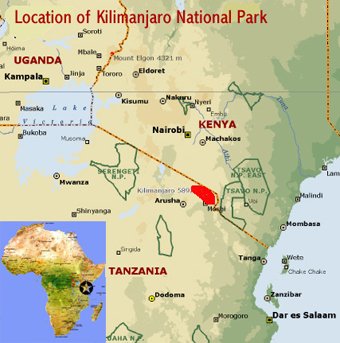
Udzungwa Mountains National Park Wildlife Guide
Udzungwa Mountains National Park hosts a remarkable array of wildlife adapted to its montane forest ecosystem. The park is particularly famous for its endemic primates. Key species include:
- Udzungwa Red Colobus (endemic)
- Sanje Mangabey (endemic)
- Angolan Colobus
- Yellow Baboon
- Blue Monkey
- Sykes Monkey
- African Elephant
- Cape Buffalo
- Leopard
- Bushbuck
- Common Duiker
- Suni (tiny antelope)
- Giant Forest Hog
- Bushpig
- Tree Hyrax
- Galago (Bushbaby)
- Red-legged Sun Squirrel
- Giant Forest Squirrel
- Aberrant Squirrel
- African Civet
- Mongoose (several species)
- African Goshawk
- Hornbills (various)
Best spots: Udzungwa red colobus in the mid-elevation forest along the Sanje River trail, Sanje mangabey in the lower montane forest near Mwaya Camp, elephant and buffalo in the miombo woodland on the park's eastern boundary. Birdwatching is excellent throughout the park.
Udzungwa Mountains National Park Gallery
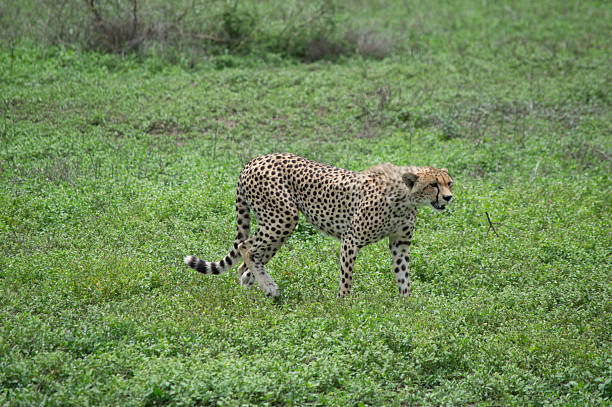
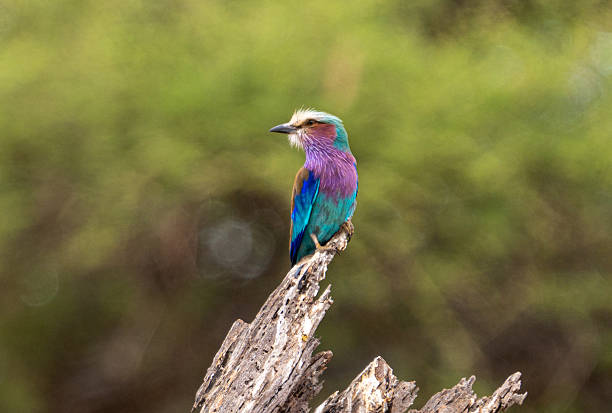

Sanje Waterfalls & Hiking Trails
Sanje Waterfalls is the crown jewel of Udzungwa Mountains National Park — a spectacular 170-metre multi-tiered waterfall that cascades through the heart of the montane rainforest. The main waterfall drops 75 metres into a deep turquoise pool surrounded by ferns, moss-covered boulders, and towering forest trees. The hike to Sanje Waterfalls is the park's most popular trail, taking approximately 3-4 hours round trip (about 4 km each way) from the park headquarters. The trail climbs steadily through dense rainforest with frequent stops to spot primates, birds, and butterflies. As you ascend, you cross several crystal-clear streams on wooden bridges and pass through groves of ancient trees draped in lianas and epiphytes.
The trail culminates at the base of the main waterfall, where the spray creates a constant cool mist and rainbows dance in the afternoon light. Swimming is permitted in the pool at the base of the falls — the cool, clear water is invigorating after the hike. Above the main plunge pool, a series of smaller cascades and pools can be accessed via a more challenging upper trail. Other hiking trails in the park include the Prince Bernhard Trail (2-3 hours, moderate), the Mwaya Forest Loop (4-5 hours, strenuous), and the Lungunzu Ridge Trail (full day, challenging) which climbs to the highest point in the park at 2,576 metres with panoramic views of the Kilombero Valley, Selous, and the distant Indian Ocean on clear days.
Best Time to Visit Udzungwa Mountains National Park
| Month | Season | Wildlife Highlights | Rating |
|---|---|---|---|
| Jan | Green | Lush forest conditions. Primates active. Waterfalls at full flow. | ★★★★☆ |
| Feb | Green | Excellent hiking conditions. Bird diversity high. Fewer tourists. | ★★★★☆ |
| Mar | Green / Rains | Trails can be muddy. Waterfalls spectacular. Good for birders. | ★★★☆☆ |
| Apr | Long Rains | Wettest month. Trails slippery. Not recommended for hiking. | ★★☆☆☆ |
| May | Long Rains | Heavy rain continues. Waterfalls at peak flow. Few visitors. | ★★☆☆☆ |
| Jun | Dry | Trails drying. Good hiking conditions. Wildlife visible near water. | ★★★★☆ |
| Jul | Dry / Peak | Best hiking conditions. Clear trails. Peak primate viewing. | ★★★★★ |
| Aug | Dry / Peak | Outstanding conditions. Cooler at elevation. Birding excellent. | ★★★★★ |
| Sep | Dry / Peak | Prime hiking. Waterfall flow still good. Best overall conditions. | ★★★★★ |
| Oct | End of dry | Hot and humid lower slopes. Good high-elevation hiking. | ★★★☆☆ |
| Nov | Short Rains | Green season returns. Waterfalls begin flowing strongly. | ★★★☆☆ |
| Dec | Short Rains | Lush forest. Good birding. Festive season crowds moderate. | ★★★☆☆ |
★ = Rating based on hiking conditions, primate viewing, birdwatching, waterfall flow, and value. The dry season (June-October) offers the best hiking conditions.
Safari Activities in Udzungwa Mountains National Park
Udzungwa is unique among Tanzania's parks because it is exclusively a hiking and walking destination — there are no game drive vehicles. The main activity is guided forest hiking on a network of well-maintained trails ranging from 2-hour nature walks to full-day summit treks. All hikers are accompanied by an armed ranger-guide who provides expert knowledge about the forest ecology, primates, and birdlife. Primate watching is exceptional — the Udzungwa red colobus and Sanje mangabey are easily seen on the Sanje and Mwaya trails respectively. Birdwatching is world-class with over 400 species including the endemic Udzungwa forest partridge, Udzungwa hybrid sunbird, and numerous greenbuls, barbets, and robins. Swimming at the base of Sanje Waterfalls is a highlight of any visit. Photography opportunities are abundant — the forest light, waterfalls, primates, and colourful birds provide endless subjects. Camping at Mwaya Camp offers a true wilderness experience with the sounds of the forest at night.
Accommodation in Udzungwa Mountains National Park
Udzungwa Mountains National Park offers limited but charming accommodation focused on the wilderness experience. Inside the Park: Mwaya Camp is the main option — a rustic tented camp with basic amenities, solar lighting, and shared facilities, offering an authentic forest immersion experience ($40-80/night including meals). There is also a public campsite near the park headquarters ($15/night). Near the Park: Udzungwa Falls Lodge ($80-150/night) is a comfortable mid-range lodge located just outside the park boundary with forest views and a pool. Lodge Tembo ($50-100/night) in Mang'ula village offers basic but clean rooms. Iringa Town (1.5 hours): For those combining Udzungwa with other southern circuit parks, Iringa offers a wide range of accommodation from budget guesthouses ($20-50) to luxury lodges like Kisolanza Farm House ($150-300/night). Most visitors stay at Mwaya Camp for the full Udzungwa experience, then continue their journey to Mikumi or Ruaha.
Udzungwa Mountains National Park Safari Cost & Fees
| Category | Price Per Person/Day | Includes |
|---|---|---|
| Budget | $100 – $200 | Camping, basic meals, park fees, trail guide |
| Mid-Range | $200 – $350 | Lodge/tented camp, full board, guide, transfers |
| Luxury | $350 – $600 | Premium lodge, private guide, gourmet meals |
| Ultra-Luxury | $600 – $1,000 | Exclusive camp, personal ranger, private chef |
Park Entry Fee: $30/person/day (non-resident adult), $10 (child 5-15), free (under 5). East African residents pay TZS 10,000/adult/day. Guide Fee: $10-20/person per hike (compulsory — all hikers must be accompanied by an armed ranger-guide). Camping Fee: $15/night at the public campsite, $40-80/night at Mwaya Camp. Udzungwa is one of the most affordable parks in Tanzania due to its focus on hiking rather than expensive game drives, making it an excellent value destination for nature lovers and active travellers.
Frequently Asked Questions about Udzungwa Mountains National Park
Nearby Attractions
Udzungwa Mountains National Park is the gateway to Tanzania's Southern Safari Circuit, offering easy access to several major parks.
- Mikumi National Park (1.5 hours north) — Tanzania's fourth-largest park, famous for its large elephant herds, lion prides, and easy access from Dar es Salaam. Excellent game drives on open savannah.
- Nyerere National Park (2 hours east) — Formerly part of Selous Game Reserve, Africa's largest protected area. Boat safaris on the Rufiji River, wild dog packs, and vast wilderness.
- Ruaha National Park (3-4 hours west) — Tanzania's largest park, famous for its large elephant population, predator density, baobab-studded landscapes, and the Great Ruaha River.
- Dar es Salaam (5 hours east) — Tanzania's commercial capital with beaches, restaurants, museums, and the ferry to Zanzibar. A convenient starting or ending point for any southern circuit safari.
- Iringa Town (1.5 hours west) — Historic German colonial town with a lively market, the Isimila Stone Age site (prehistoric tools and fossils), and excellent local cuisine.
- Kilombero Valley (adjacent to the park) — One of Tanzania's most important agricultural and wetland areas, home to diverse birdlife and local farming communities. Boat trips available.
Udzungwa is the perfect active-adventure complement to the game-drive safaris in Mikumi, Nyerere, and Ruaha. Many southern circuit itineraries combine a day or two of hiking in Udzungwa with game drives in the surrounding parks. See our Destination Hub for full packages.
Related Udzungwa Safari Tours
Udzungwa Hiking Adventure (3 Days)
Guided hiking expedition to Sanje Waterfalls and Mwaya Forest. Includes primate tracking, birdwatching, accommodation at Mwaya Camp, and all meals.
View Tour7 Days Southern Circuit Safari
Combine Udzungwa hiking with game drives in Mikumi, Nyerere, and Ruaha. The ultimate southern Tanzania adventure with expert guides.
View TourBirdwatching Safari (5 Days)
Specialised birding tour of Udzungwa and Mikumi. Target endemic Udzungwa forest partridge, sunbirds, and over 400 species with an expert ornithologist guide.
View TourHow to Book Your Udzungwa Mountains Safari
Booking your Udzungwa adventure with African Majestic Adventure is simple. Here's how it works:
- Step 1: Choose your preferred itinerary or contact us for a custom hiking plan tailored to your fitness level and schedule.
- Step 2: Get a detailed quote including park fees, accommodation, guide services, transport, and meals — no hidden costs.
- Step 3: Confirm your booking with a 30% deposit. We handle all park reservations, guide assignments, and camping permits.
- Step 4: Receive your pre-travel briefing, packing list (hiking gear focus), and guide assignment 2 weeks before departure.
- Step 5: Arrive in Tanzania — we meet you at the airport and begin your adventure in the ancient forests of Udzungwa.
All our Udzungwa packages include airport transfers, park entry fees, guided hikes, accommodation, meals, and an English-speaking ranger-guide. International flights and visas are not included. Custom itineraries are welcome — contact us for a personalized quote.