.png)

Your Complete Nyerere Safari Planner
What is Nyerere National Park?
Nyerere National Park is Africa's largest national park, covering a staggering 30,893 km² in southern Tanzania. Formerly the northern sector of the renowned Selous Game Reserve (a UNESCO World Heritage Site established in 1922), Nyerere was officially gazetted as a national park in 2019 and renamed in honour of Tanzania's founding president, Julius Nyerere. The park is dominated by the mighty Rufiji River — East Africa's largest river system — which creates a vast network of lakes, channels, and wetland ecosystems. Nyerere is one of the last true wilderness areas in Africa, hosting the continent's highest population of African wild dogs, along with massive elephant herds, lion prides, buffalo, hippos, and crocodiles. Unlike northern Tanzania's parks, Nyerere offers boat safaris and walking safaris as primary activities, making it a uniquely immersive safari destination.
Why Nyerere National Park is Famous
Nyerere National Park is world-famous for three extraordinary features. First, the Rufiji River — a 600 km-long lifeline that transforms into a labyrinth of channels, oxbow lakes, and swamps during the wet season, supporting the highest concentration of hippos and crocodiles in East Africa. Boat safaris on the Rufiji are the park's signature experience, offering close encounters with elephants drinking from the riverbanks, giant crocodiles basking in the sun, and prolific birdlife. Second, Nyerere is the best place in Africa to see African wild dogs, with several resident packs that are frequently sighted. Third, the park is one of the few in Tanzania where walking safaris are permitted — guided by armed rangers, you can explore the miombo woodlands and riverine forests on foot, tracking wildlife by spoor and experiencing the bush on its own terms. The sheer scale of Nyerere (larger than Belgium) means you can explore for days without seeing another vehicle.
Location and How to Get to Nyerere National Park
Nyerere National Park is located in southern Tanzania, approximately 230 km southwest of Dar es Salaam. The park is most commonly accessed by light aircraft from Dar es Salaam (Julius Nyerere International Airport) or Arusha, landing at Mtemere Airstrip or one of several bush airstrips within the park. Flight time from Dar is approximately 45 minutes. For the adventurous, a road transfer from Dar es Salaam takes 5-6 hours via the A7 highway to the Mtemere Gate. The park can also be reached from Mikumi National Park (1.5 hours north), making it an ideal extension to a southern Tanzania safari circuit. Nyerere's remote location and limited access ensure it remains uncrowded — you can safari all day and encounter few, if any, other vehicles.

Nyerere National Park Wildlife Guide
Nyerere National Park hosts an extraordinary diversity of wildlife across its miombo woodlands, riverine forests, wetlands, and savannah plains. Key species include:
- Elephant
- Lion
- African Wild Dog (iconic)
- Buffalo
- Hippopotamus
- Crocodile
- Giraffe
- Zebra
- Wildebeest
- Impala
- Bushbuck
- Waterbuck
- Greater Kudu
- Sable Antelope
- Roan Antelope
- Eland
- Warthog
- Spotted Hyena
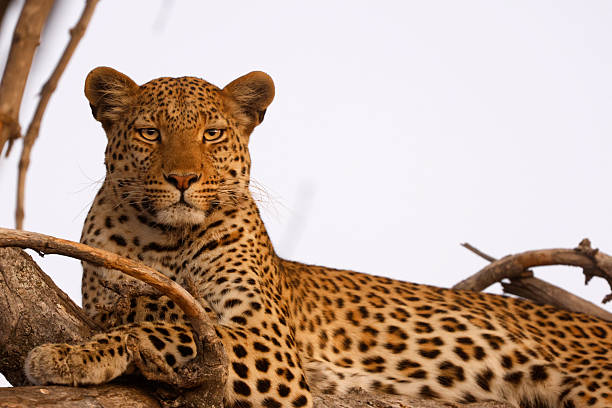
- Leopard
- Cheetah
- Jackal
- Serval
- Baboon
- Vervet Monkey
- Yellow Mongoose
Best spots: Wild dogs on the open plains near Lake Tagalala, elephants along the Rufiji River, sable and roan antelope in miombo woodlands, hippos and crocodiles in the Rufiji channels.
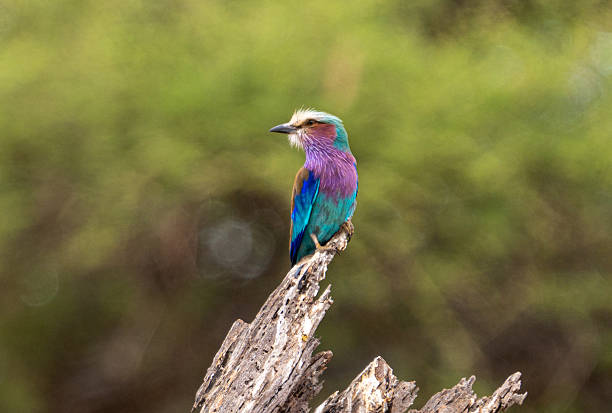
Nyerere National Park Gallery
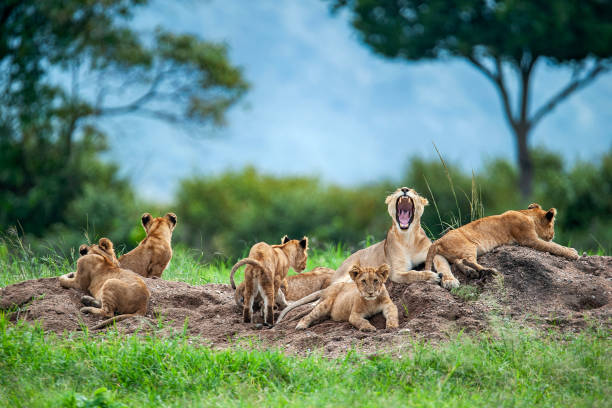
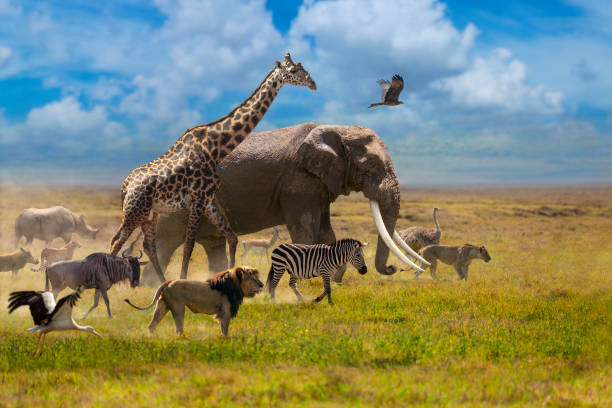
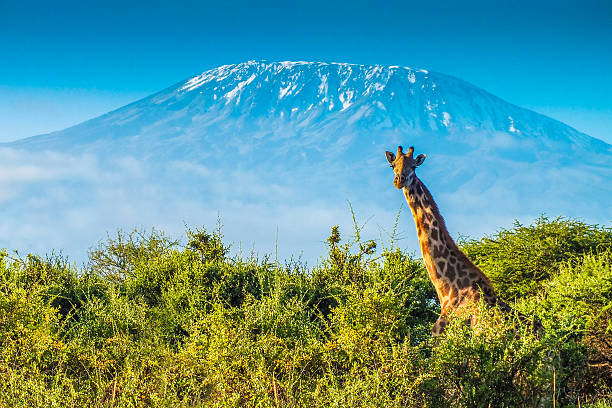
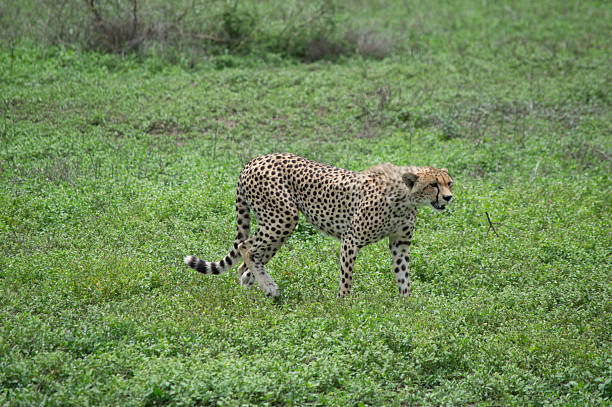
The Rufiji River & Boat Safaris
The Rufiji River is the lifeblood of Nyerere National Park and the defining feature of any safari here. Stretching over 600 km from its source in the southern highlands to the Indian Ocean, the Rufiji creates an intricate network of channels, oxbow lakes, and floodplains that sustain an extraordinary concentration of wildlife. Boat safaris along the river are the park's signature experience — silently gliding past pods of hippos, massive Nile crocodiles basking on sandbanks, elephants crossing between islands, and buffalo grazing along the shoreline. The birdlife is spectacular: African fish eagles, Goliath herons, malachite kingfishers, yellow-billed storks, and giant kingfishers are all commonly seen.
Walking safaris along the riverbanks offer a completely different perspective. Led by armed park rangers, you can track wildlife on foot, learn about medicinal plants, inspect animal tracks, and experience the raw African bush in its most intimate form. Nyerere is one of the few parks in Tanzania where walking safaris are a core activity, not an afterthought. Fly camping — spending a night in a mobile camp under the stars on a remote sandbank — is another unforgettable Rufiji experience, allowing you to fall asleep to the sounds of the African night.
Best Time to Visit Nyerere National Park
| Month | Season | Wildlife Highlights | Rating |
|---|---|---|---|
| Jan | Green | Lush landscapes. Good birding. Boat safaris excellent. | ★★★★☆ |
| Feb | Green | Warm and pleasant. River levels high. Boat safaris prime. | ★★★★☆ |
| Mar | Green / Rains | Greenest period. Fewer tourists. Good for birding. | ★★★☆☆ |
| Apr | Long Rains | Wettest month. Some camps close. Best for birders. | ★★☆☆☆ |
| May | Long Rains | Quietest period. Rivers at highest levels. Boat safaris good. | ★★☆☆☆ |
| Jun | Dry | Clearing skies. Game viewing improves. Animals near river. | ★★★★☆ |
| Jul | Dry / Peak | Excellent all-round. Wild dogs active. Peak season begins. | ★★★★★ |
| Aug | Dry / Peak | Peak wildlife viewing. Boat safaris at best. Wild dog sightings. | ★★★★★ |
| Sep | Dry / Peak | Outstanding conditions. Animals concentrate around water. | ★★★★★ |
| Oct | End of dry | Hot and dry. Best for predators. Excellent game viewing. | ★★★★☆ |
| Nov | Short Rains | Green season returns. Birdlife peaks. Good value period. | ★★★☆☆ |
| Dec | Short Rains | Lush landscapes. Migrant birds arrive. Boat safaris good. | ★★★☆☆ |
★ = Rating based on wildlife viewing quality, boat safari conditions, walking safari safety, birding, crowds, and value. Dry season (Jul-Oct) scores highest.
Safari Activities in Nyerere National Park
Boat safaris on the Rufiji River are the highlight of any Nyerere visit — you'll glide past hippos, crocodiles, elephants, and extraordinary birdlife from the safety of a flat-bottomed boat. Game drives in open 4x4 vehicles explore the park's diverse habitats, from the open plains around Lake Tagalala to the miombo woodlands where sable and roan antelope roam. Walking safaris with armed rangers offer an intimate bush experience — track animals on foot, learn about medicinal plants and insect life, and feel the thrill of being in wild Africa without vehicle walls. Fly camping involves spending a night on a remote Rufiji sandbank under a mosquito net, a bucket shower, and a million stars — one of Africa's most authentic bush experiences. Birdwatching is exceptional with over 440 species recorded, including Pel's fishing owl, African skimmer, and white-fronted bee-eater.
Accommodation in Nyerere National Park
Nyerere National Park offers some of Tanzania's most exclusive safari accommodation, ranging from legendary river lodges to mobile fly camps. Luxury: &Beyond Selous Boma Camp ($800-1,500/night) is a stunning permanent camp on the Rufiji with elegant tented suites, a pool, and exceptional guiding. Sand Rivers Selous ($900-1,800/night) is a classic luxury camp perched on the Rufiji riverbank with an infinity pool overlooking the river. Mid-Range: Selous Keko Camp ($300-600/night) offers comfortable tented suites with river views. Rufiji River Camp ($250-500/night) is a well-established camp with a central pool and thatched dining area. Budget: Lake Tagalala Camp ($150-300/night) offers basic bandas near the lake. The park also has public campsites ($50/night) for self-sufficient campers.
Nyerere National Park Safari Cost & Fees
| Category | Price Per Person/Day | Includes |
|---|---|---|
| Budget | $200 – $350 | Camping, shared vehicle, meals, park fees |
| Mid-Range | $350 – $600 | Lodge/tented camp, private 4x4, meals, guide |
| Luxury | $600 – $1,000 | Premium lodge, private vehicle, gourmet meals, boat safari |
| Ultra-Luxury | $1,000 – $2,000 | Exclusive camps, private chef, fly camping, private guide |
Park Entry Fee: $50/person/day (non-resident adult), $25 (child 5-15), free (under 5). East African residents pay TZS 20,000/adult/day. Vehicle: $50/day. Boat Safari: $30-60/person/hour. Walking Safari: $20-40/person. Fly camping supplements apply. Nyerere is a premium wilderness experience — the cost reflects the exclusive nature and remote location of the camps. Contact us for detailed pricing and package options.
Frequently Asked Questions about Nyerere National Park
Nearby Attractions
Nyerere National Park is the anchor of Tanzania's Southern Safari Circuit, with several other outstanding parks within easy reach.
- Mikumi National Park (1.5 hours north) — The "Little Serengeti" featuring the Mkata Floodplain, massive elephant herds, and easy access from Dar es Salaam.
- Udzungwa Mountains National Park (2 hours north) — A biodiversity hotspot with lush rainforest, endemic monkey species, and spectacular hiking trails to Sanje Waterfall.
- Ruaha National Park (3-4 hours west) — Tanzania's largest national park before Nyerere's creation, with massive elephant herds, lion prides, and the Great Ruaha River.
- Saadani National Park (4 hours east) — The only wildlife park in East Africa where the bush meets the beach, offering Indian Ocean coastline alongside savannah game drives.
- Dar es Salaam (5-6 hours east) — Tanzania's largest city and commercial capital, with excellent restaurants, museums, and the Mwenge Woodcarvers Market.
Nyerere combines beautifully with Mikumi and Udzungwa for a 7-10 day Southern Circuit safari. See our Destination Hub for full packages.
Related Nyerere National Park Safari Tours
4 Days Nyerere Boat Safari
Explore the Rufiji River on daily boat safaris, game drives through miombo woodlands, walking safaris with rangers, and fly camping under the stars.
View Tour7 Days Southern Circuit Safari
Combine Nyerere with Mikumi and Udzungwa Mountains. Boat safaris, walking safaris, hiking to Sanje Waterfall, and incredible wildlife encounters.
View Tour10 Days Tanzania Wilderness Safari
An epic journey through Nyerere, Ruaha, and Mikumi focusing on wild dogs, big cats, boat safaris, and exclusive fly camping experiences.
View TourHow to Book Your Nyerere National Park Safari
Booking your Nyerere safari with African Majestic Adventure is simple. Here's how it works:
- Step 1: Choose your preferred itinerary or contact us for a custom plan tailored to your schedule.
- Step 2: Get a detailed quote including park fees, accommodation, transport, meals, boat and walking safari fees — no hidden costs.
- Step 3: Confirm your booking with a 30% deposit. We handle all park reservations, lodging, airstrip transfers, and permits.
- Step 4: Receive your pre-travel briefing, packing list, and safari guide assignment 2 weeks before departure.
- Step 5: Arrive in Tanzania — we meet you at the airstrip and begin your Nyerere adventure.
All our safaris include flight transfers from Dar es Salaam, park entry fees, game drives, boat safaris, accommodation, meals, and an English-speaking guide. International flights and visas are not included. Custom itineraries are welcome — contact us for a personalized quote.