.png)
Your Complete Rubondo Safari Planner
What is Rubondo Island National Park?
Rubondo Island National Park is Tanzania's largest island-based national park, located in the southwestern corner of Lake Victoria. Covering 457 km², the park comprises Rubondo Island itself (the largest island in Lake Victoria) along with several smaller satellite islands. Established in 1977, Rubondo is a unique wilderness sanctuary that combines terrestrial rainforest, lake shore, papyrus swamps, and open water ecosystems. The park is most famous for its chimpanzee sanctuary — a population of rehabilitated chimpanzees introduced in the 1960s that has thrived in the island's pristine forest. Rubondo is also one of the best places in East Africa to see the rare and elusive Sitatunga antelope, a semi-aquatic antelope perfectly adapted to the park's papyrus swamps. With over 400 bird species, pristine sandy beaches, and extraordinary biodiversity, Rubondo offers a truly off-the-beaten-path wilderness experience that feels like a private island paradise.
Why Rubondo Island National Park is Famous
Rubondo's fame rests on its extraordinary combination of island wilderness and unique wildlife. First, the park is a chimpanzee sanctuary unlike any other in Africa — a population of around 40 chimpanzees, originally introduced from European zoos and sanctuaries in the 1960s, now lives wild and free on the island. These chimps are habituated and can be visited on guided treks, offering a chimp experience far from the crowds of Gombe or Mahale. Second, Rubondo is the best place in Tanzania to see Sitatunga, a rare amphibious antelope that lives in the papyrus swamps and is famously difficult to observe elsewhere. Third, the park is an ornithological paradise with over 400 bird species including the spectacular African fish eagle, Goliath heron, and the endangered Shoebill stork. Fourth, as an island park, Rubondo offers a sense of remoteness and exclusivity that is hard to find anywhere else — there are no crowds, no queues, and no roads. You explore by boat, on foot, and by canoe, with the vast expanse of Lake Victoria as your constant companion. The park's unspoilt beaches, crystal-clear waters, and dense equatorial forest make it one of Tanzania's most magical and underrated destinations.
Location and How to Get to Rubondo Island National Park
Rubondo Island National Park is located in the southwestern part of Lake Victoria, approximately 150 km west of Mwanza, Tanzania's second-largest city. The most common route is to fly from Dar es Salaam, Arusha, or Mwanza to Rubondo Airstrip on the island itself — charter flights take approximately 2 hours from Arusha or 45 minutes from Mwanza. Alternatively, you can fly to Bukoba or Mwanza and take a boat transfer to the island (1.5-3 hours depending on departure point). The boat journey is a highlight in itself, crossing the vast waters of Lake Victoria with opportunities to see fish eagles, herons, and local fishing boats. Overland access involves driving from Mwanza to the lakeside village of Nkome or Kasenda (3-4 hours) followed by a boat crossing. The park's island location means that reaching it requires planning, but the sense of arrival at this remote paradise is unforgettable.
Rubondo Island National Park Wildlife Guide
Rubondo Island National Park hosts a unique mix of terrestrial and aquatic wildlife. Key species include:
- Chimpanzee (introduced)
- Sitatunga
- Hippopotamus
- Crocodile
- African Fish Eagle
- Goliath Heron
- Crowned Crane
- Malachite Kingfisher
- Pied Kingfisher
- Hammerkop
- Marabou Stork
- Openbill Stork
- Saddle-billed Stork
- African Jacana
- Pygmy Goose
- Yellow-billed Duck
- Spur-winged Goose
- Marsh Mongoose
- Genet
- Spotted-necked Otter
- Serval
- Bushbuck
- Suni
Best spots: Chimpanzees in the island's interior forest (guided trek required). Sitatunga in the papyrus swamps of the eastern shore — best viewed at dawn from a boat. Otters and fish eagles along the rocky coastline. Birding is excellent throughout the park, with the wetland areas being particularly productive.
Rubondo Island National Park Gallery
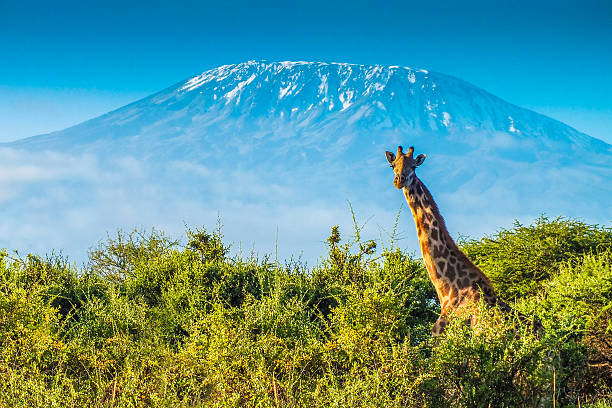
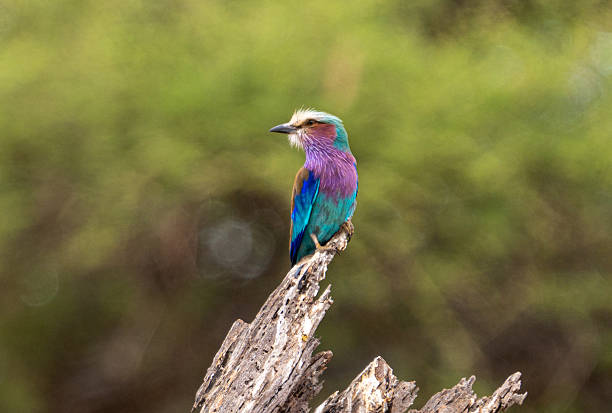
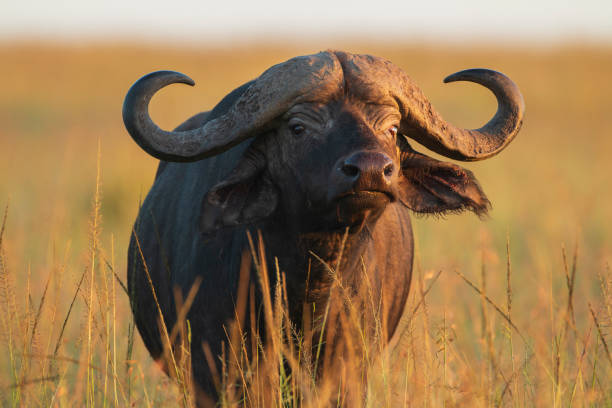
The Rubondo Island Wilderness Experience
Rubondo Island offers a wilderness experience that is fundamentally different from any other park in Tanzania. As an island sanctuary, the park has no roads, no self-drive vehicles, and no crowds. Exploration is done on foot, by boat, and by canoe, immersing you in the sights and sounds of the African bush with the vast Lake Victoria as a backdrop. The centrepiece experience is chimpanzee trekking through the island's dense equatorial forest. Rubondo's chimps, originally introduced from captivity, are fully habituated and live in a single community of around 40 individuals. Because they have no competing communities or predators, they are exceptionally relaxed around humans, allowing for extended, intimate observations.
Beyond the chimps, Rubondo is about the joy of exploration itself. Walking safaris through the forest reveal a treasure trove of smaller creatures — troops of vervet monkeys, colourful sunbirds, and butterflies of every hue. Boat safaris along the island's coastline are spectacular, with papyrus-fringed channels, hidden coves, and pristine sandy beaches. These boat trips offer the best chance to see Sitatunga as they emerge from the swamps to feed at dawn and dusk. Fishing in Lake Victoria's waters is excellent, with Nile perch, tilapia, and catfish available. The island's canoe trails take you deep into the papyrus swamps where the birdlife is extraordinary — Goliath herons stand motionless, malachite kingfishers flash turquoise, and the deep boom of the Shoebill echoes through the reeds. Rubondo is not a park for ticking off a checklist — it is a place to slow down, breathe deeply, and connect with an island wilderness that feels like your own private discovery.
Best Time to Visit Rubondo Island National Park
| Month | Season | Wildlife Highlights | Rating |
|---|---|---|---|
| Jan | Green | Lush island vegetation. Good chimp viewing. Excellent birding. | ★★★★☆ |
| Feb | Green | Warm weather. Chimps easy to track. Green season rates available. | ★★★★☆ |
| Mar | Green / Rains | Greenest period. Forests lush. Birding at its peak. | ★★★☆☆ |
| Apr | Long Rains | Wettest month. Trails muddy. Best for dedicated birders. | ★★☆☆☆ |
| May | Long Rains | Quietest period. Low rates. Lake conditions can be rough for boats. | ★★☆☆☆ |
| Jun | Dry | Trails improve. Chimps more visible. Sitatunga easier from boats. | ★★★★☆ |
| Jul | Dry / Peak | Peak season. Excellent wildlife viewing. Best weather conditions. | ★★★★★ |
| Aug | Dry / Peak | Peak wildlife viewing. Top conditions for boat safaris and trekking. | ★★★★★ |
| Sep | Dry / Peak | Outstanding conditions. Dense bird concentrations near water sources. | ★★★★★ |
| Oct | End of dry | Good viewing continues. Sitatunga sightings peak near papyrus swamps. | ★★★★☆ |
| Nov | Short Rains | Green season returns. Migrant birds arrive. Lake calm again. | ★★★☆☆ |
| Dec | Short Rains | Lush landscapes. Good all-round conditions. Festive period visits. | ★★★☆☆ |
★ = Rating based on chimp trekking conditions, boat safari quality, birding, Sitatunga visibility, and weather. Dry season (Jul-Oct) scores highest for all activities.
Safari Activities in Rubondo Island National Park
Chimpanzee trekking is the signature activity — guided walks through the island's interior forest following the habituated chimp community. Boat safaris around the island's coastline offer the best Sitatunga viewing and incredible birdwatching among the papyrus swamps. Canoe excursions take you into narrow channels where you can get close to water birds, otters, and hippos. Walking safaris with armed rangers explore the island's diverse habitats — from lake shore to rainforest to open glades. Sport fishing for Nile perch (which can exceed 100 kg), tilapia, and catfish is a major attraction — Rubondo is considered one of the best fishing destinations in East Africa. Birdwatching is exceptional, with over 400 species including migratory birds from Europe and Asia between November and April. Beach relaxation on Rubondo's pristine sandy shores offers a rare chance to combine wilderness safari with genuine tropical island tranquillity. The park's remote location means you often have entire beaches entirely to yourself.
Accommodation in Rubondo Island National Park
Rubondo offers limited but exceptional accommodation, reflecting its exclusive wilderness character. Luxury: Rubondo Island Camp ($500-1,200/night) is the park's premier lodge, offering eight elegant tented suites on wooden decks overlooking Lake Victoria. Each suite has an en-suite bathroom, private veranda, and indoor and outdoor showers. The main lodge features a stunning lounge, dining area, and infinity pool. Mid-Range: TANAPA's guesthouses ($80-200/night) offer simple but comfortable accommodation near the park headquarters with basic amenities and spectacular lake views. Budget: The park's public campsite ($20-30/night) is available for self-sufficient campers with their own equipment. Given Rubondo's remote location and limited capacity, booking accommodation well in advance is essential — the island has fewer than 40 beds total, ensuring an intimate and uncrowded experience.
Rubondo Island National Park Safari Cost & Fees
| Category | Price Per Person/Day | Includes |
|---|---|---|
| Budget | $200 – $300 | Camping, boat transfers, guided walks, meals |
| Mid-Range | $300 – $500 | Guesthouse, boat safaris, chimp trekking, guide |
| Luxury | $500 – $1,200 | Rubondo Island Camp, private guide, all activities |
| Ultra-Luxury | $1,200 – $2,000 | Exclusive camp use, private boat, chef, researcher guide |
Park Entry Fee: $35/person/day (non-resident adult), $15 (child 5-15), free (under 5). Chimpanzee Trekking Fee: $100/person/day. Fishing Permit: $50/day (catch and release strongly encouraged). Boat Transfer: $150-300 per boat depending on departure point. Rubondo is a premium destination due to its remote island logistics, but the combination of exclusive wildlife encounters, pristine wilderness, and uncrowded conditions makes it exceptional value for those seeking a truly unique African safari experience. Contact us for comprehensive package pricing.
Frequently Asked Questions about Rubondo Island National Park
Nearby Attractions
Rubondo Island National Park is located in the Lake Victoria region, with several outstanding destinations within reach.
- Saanane Island National Park (Mwanza, 3-4 hours by boat) — Tanzania's smallest national park, located on an island in Lake Victoria just off the coast of Mwanza. Perfect for a day trip with rock hyraxes, dik-diks, and stunning lake views.
- Serengeti National Park (5-6 hours drive from Mwanza) — The world-famous Serengeti, with the Great Migration, Big Five, and endless plains. Combine Rubondo's island serenity with Serengeti's sweeping savannah for the ultimate Tanzania safari.
- Mwanza City — Tanzania's second-largest city and the gateway to Lake Victoria. Visit the bustling fish markets at Kirumba, the Bismarck Rock formation, and the Makongoro Markets. Overnight in Mwanza before or after your Rubondo trip.
- Lake Victoria — The world's largest tropical lake and the second-largest freshwater lake by area. Its vast waters, dotted with fishing boats and islands, provide the stunning backdrop to any Rubondo safari. Enjoy sunset dhow cruises and freshwater swimming.
- Bukoba Town (2-3 hours by boat) — A historic lakeside town with German colonial architecture, coffee plantations, and the Kagera River region. A scenic addition to a Rubondo itinerary for those interested in Tanzanian culture and history.
Rubondo is the perfect addition to a northern Tanzania itinerary. Combine with Serengeti, Lake Manyara, and Ngorongoro for a comprehensive safari, or pair with Saanane Island for a Lake Victoria island experience. See our Destination Hub for full packages.
Related Rubondo Island National Park Safari Tours
4 Days Rubondo Island Chimp Safari
Experience Rubondo's unique chimpanzee sanctuary with guided forest treks, boat safaris for Sitatunga viewing, canoe excursions, and Lake Victoria fishing. All-inclusive island escape.
View Tour8 Days Serengeti & Rubondo Island
Combine the world-famous Serengeti with the exclusive island wilderness of Rubondo. Game drives in the Serengeti followed by chimp trekking, birding, and lake relaxation on Rubondo.
View Tour6 Days Lake Victoria Island Safari
Explore Rubondo Island and Saanane Island National Parks in one itinerary. Chimpanzee trekking, Sitatunga viewing, Mwanza city tour, and Lake Victoria boat cruises throughout.
View TourHow to Book Your Rubondo Island National Park Safari
Booking your Rubondo safari with African Majestic Adventure is simple. Here's how it works:
- Step 1: Choose your preferred itinerary or contact us for a custom plan tailored to your schedule.
- Step 2: Get a detailed quote including park fees, accommodation, transport, meals, and guide services — no hidden costs.
- Step 3: Confirm your booking with a 30% deposit. We handle all park reservations, chimp permits, and lodging.
- Step 4: Receive your pre-travel briefing, packing list, and safari guide assignment 2 weeks before departure.
- Step 5: Arrive in Tanzania — we meet you at the airport or your Mwanza hotel and begin your adventure.
All our safaris include airport transfers, park entry fees, chimp trekking permits, accommodation, meals, and an English-speaking guide. International flights and visas are not included. Custom itineraries are welcome — contact us for a personalized quote.