Serengeti National Park landscape
Serengeti National Park

Serengeti National Park: The Ultimate Travel Guide

Discover wildlife, migration, safari experiences, accommodation, travel tips and expert advice.

Quick Facts

Location

Tanzania, East Africa

Country

Tanzania

Size

14,763 km2 (5,700 sq mi)

UNESCO Status

World Heritage Site (1981)

Established

1951

Best Time

June-October (dry season)

Nearest Airport

Seronera Airstrip, Kioga Airstrip

Main Wildlife

Lions, Leopards, Elephants, Rhinos, Buffalo, Cheetahs, Wildebeest, Zebras

Migration Season

July-October (river crossings), January-March (calving)

Licensed & InsuredTANAPA Authorised
Expert Local Guides12+ Years Experience
Best Price GuaranteeNo Hidden Fees
24/7 SupportAlways Available

What is Serengeti National Park

Serengeti National Park endless plains landscape Tanzania

Serengeti National Park is Tanzania's oldest, largest, and most iconic wildlife sanctuary, spanning an extraordinary 14,763 square kilometres (5,700 square miles) across the northern reaches of the country. The name "Serengeti" derives from the Maasai word "Siringet", meaning "the place where the land runs on forever" or "endless plains" — a fitting description for one of the most vast and awe-inspiring landscapes on the African continent. The park's sweeping short-grass plains, dotted with granite kopjes and acacia woodlands, stretch as far as the eye can see, creating a backdrop that has captivated explorers, naturalists, and travellers for over a century.

The history of Serengeti National Park is deeply intertwined with the broader story of wildlife conservation in East Africa. The Maasai people have grazed their cattle on these plains for hundreds of years, coexisting with the wildlife in a delicate ecological balance. European explorers first documented the area in the early 19th century, and in 1929, the British colonial government established the Serengeti as a game reserve. It was officially gazetted as a National Park in 1951, making it one of the first protected areas in East Africa. In 1981, the Serengeti was designated a UNESCO World Heritage Site, recognised for its outstanding universal value as one of the most important ecosystems on the planet.

The Serengeti ecosystem is one of the oldest and most scientifically significant on Earth. Research conducted in the Serengeti over the past five decades has contributed to some of the most important discoveries in ecology, animal behaviour, and conservation science. The famous studies by Bernhard and Michael Grzimek, documented in their book and film "Serengeti Shall Not Die," brought worldwide attention to the importance of the park and helped establish the foundation for modern conservation practices across Africa. The park's ecosystem supports over 70 large mammal species and approximately 500 bird species, making it one of the most biodiverse protected areas in the world.

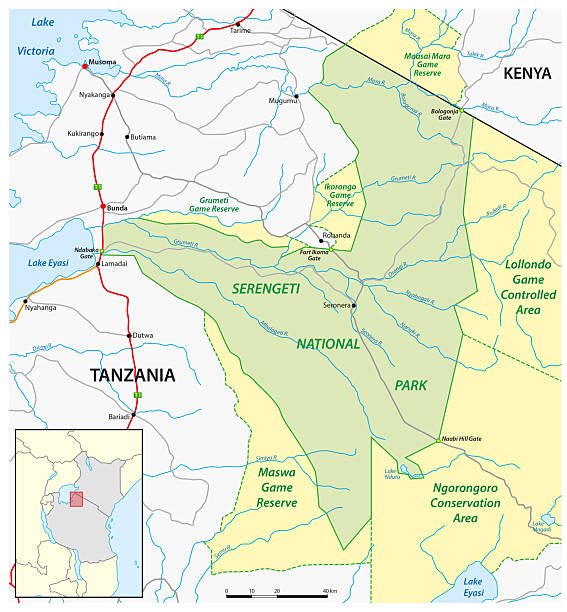
Today, Serengeti National Park forms the core of the larger Serengeti ecosystem, which extends across approximately 30,000 square kilometres and includes the Ngorongoro Conservation Area, Maswa Game Reserve, Loliondo Game Controlled Area, and Kenya's Maasai Mara National Reserve. This interconnected landscape is essential for the survival of the Great Migration, the annual movement of over 1.5 million wildebeest, 200,000 zebras, and thousands of other herbivores that traverse the plains in search of fresh grazing and water. The Serengeti is not just a park — it is a living, breathing ecosystem that represents one of nature's greatest spectacles and a cornerstone of Tanzania's tourism industry, contributing significantly to the national economy and providing livelihoods for thousands of local communities.

Why Serengeti is Famous

Great Migration wildebeest crossing in Serengeti National Park Tanzania

Serengeti National Park's global fame rests on several extraordinary attributes that set it apart from every other wildlife destination on Earth. Chief among these is the Great Migration, widely regarded as the greatest wildlife spectacle on the planet. Each year, over 1.5 million wildebeest, accompanied by approximately 200,000 zebras and tens of thousands of gazelles, undertake a circular journey of nearly 1,000 kilometres across the Serengeti-Mara ecosystem. The migration involves dramatic river crossings at the Grumeti and Mara Rivers, where massive crocodiles lie in wait and thundering herds must navigate treacherous currents — scenes that have been captured in countless nature documentaries and remain among the most sought-after wildlife experiences in the world.

The Serengeti is also world-renowned for its exceptional predator density. The park is home to one of the largest lion populations in Africa, with an estimated 3,000 lions roaming the plains. The central Serengeti, particularly the Seronera area, is considered one of the best places on the continent for lion sightings, with prides often seen resting on kopjes or hunting in the open grasslands. Cheetahs thrive on the vast short-grass plains of the southern Serengeti, where the unobstructed terrain provides ideal hunting ground. Leopards, while more elusive, are frequently spotted in the woodland areas around Seronera, draped over the branches of acacia trees. Spotted hyenas, often underestimated, are among the most successful predators in the park, with clan sizes reaching over 100 individuals.

The park's Big Five — lion, leopard, elephant, black rhino, and Cape buffalo — are all present in the Serengeti, making it one of the premier destinations for wildlife enthusiasts seeking to complete this iconic checklist. The park's open landscapes and high animal concentrations make it an exceptional location for wildlife viewing, with sightings virtually guaranteed during any safari. Beyond the Big Five, the Serengeti supports an extraordinary diversity of species, including giraffes, hippos, crocodiles, hyenas, wild dogs, and over 500 bird species, from massive ostriches and secretary birds to vibrant bee-eaters and crowned cranes.

The park's luxury safari offerings have elevated Serengeti to one of the world's most exclusive travel destinations. Accommodations range from ultra-luxury lodges operated by internationally renowned brands such as Four Seasons, Singita, and &Beyond, to mobile tented camps that follow the migration across the plains. These properties offer unparalleled levels of service, gourmet dining, spa facilities, and private game viewing experiences. The Serengeti has also become a world-class destination for photography, with professional and amateur photographers flocking to capture the dramatic landscapes, close wildlife encounters, and spectacular light that bathes the plains during golden hour. The combination of accessible wildlife, dramatic scenery, and world-class hospitality has earned Serengeti its reputation as the ultimate African safari destination.

Location and Access

Safari vehicle driving through Serengeti National P:/ark landscape with acacia trees

Serengeti National Park is located in the Mara and Kagera regions of northern Tanzania, East Africa. The park's geographical coordinates are approximately 2 20'S latitude, 34 50'E longitude, placing it just south of the equator at an elevation ranging from 920 metres to 1,800 metres above sea level. The Serengeti stretches from the southern plains near Lake Ndutu northward to the Tanzania-Kenya border, where it seamlessly connects with Kenya's Maasai Mara National Reserve. The park's western boundary is defined by the Grumeti River, while the eastern edge is marked by the Ebugwu Hills and the Ngorongoro Highlands form its southeastern border.

The most common starting point for Serengeti safaris is Arusha, the safari capital of Tanzania, located approximately 325 kilometres southeast of the park's main entrance at Naabi Hill Gate. The drive from Arusha typically takes 4 to 5 hours and passes through the spectacular Ngorongoro Conservation Area, crossing the crater rim and descending into the Serengeti plains — a journey that offers breathtaking scenery and wildlife viewing opportunities even before reaching the park itself. For travellers coming from Moshi or Kilimanjaro International Airport (JRO), the drive is slightly longer at approximately 350 kilometres, taking 5 to 6 hours.

Air access is the fastest and most popular way to reach the Serengeti, particularly for visitors on shorter itineraries or those seeking a more exclusive experience. Daily scheduled flights operate from Arusha Airport (ARK) and Kilimanjaro International Airport (JRO) to several airstrips within the park, including Seronera Airstrip (central Serengeti), Kogatende Airstrip (northern Serengeti), Kioga Airstrip, and Grumeti Airstrip (western corridor). Flight time from Arusha to Seronera is approximately one hour, while flights to the northern Serengeti take about 75 minutes. Charter flights can also be arranged from Dar es Salaam, Zanzibar, and other Tanzanian destinations.

Several airports serve as gateways to the Serengeti. Kilimanjaro International Airport (JRO) is the primary international gateway, receiving flights from major airlines including KLM, Qatar Airways, Ethiopian Airlines, and Kenya Airways. Arusha Airport (ARK) handles domestic flights within Tanzania. Within the park, the Seronera Airstrip is the most centrally located and busiest, serving the majority of luxury lodges and camps. Kogatende Airstrip in the northern Serengeti is ideal for those visiting during the Mara River crossing season (July-October). Kioga Airstrip and Grumeti Airstrip provide additional access points to specific areas of the park. Most safari packages arranged through African Majestic Adventure include all transfers from the airport to the park, ensuring a seamless travel experience.

Serengeti National Park

Northern Tanzania, East Africa

2°20'S · 34°50'E

Explore Serengeti on Google Maps — view park boundaries, lodges, airstrips and the full migration route across the ecosystem.

Open in Google Maps

Serengeti Wildlife Guide

The Serengeti is home to an extraordinary concentration of wildlife, supporting over 70 large mammal species and approximately 500 bird species. The park's diverse habitats — from the open short-grass plains of the south to the woodlands of the central region and the hilly terrain of the north — provide habitat for a remarkable array of animals. Below is a comprehensive guide to the wildlife you can expect to encounter during your Serengeti safari.

Male lion resting on a kopje in Serengeti National Park Tanzania

Lion (Panthera leo)

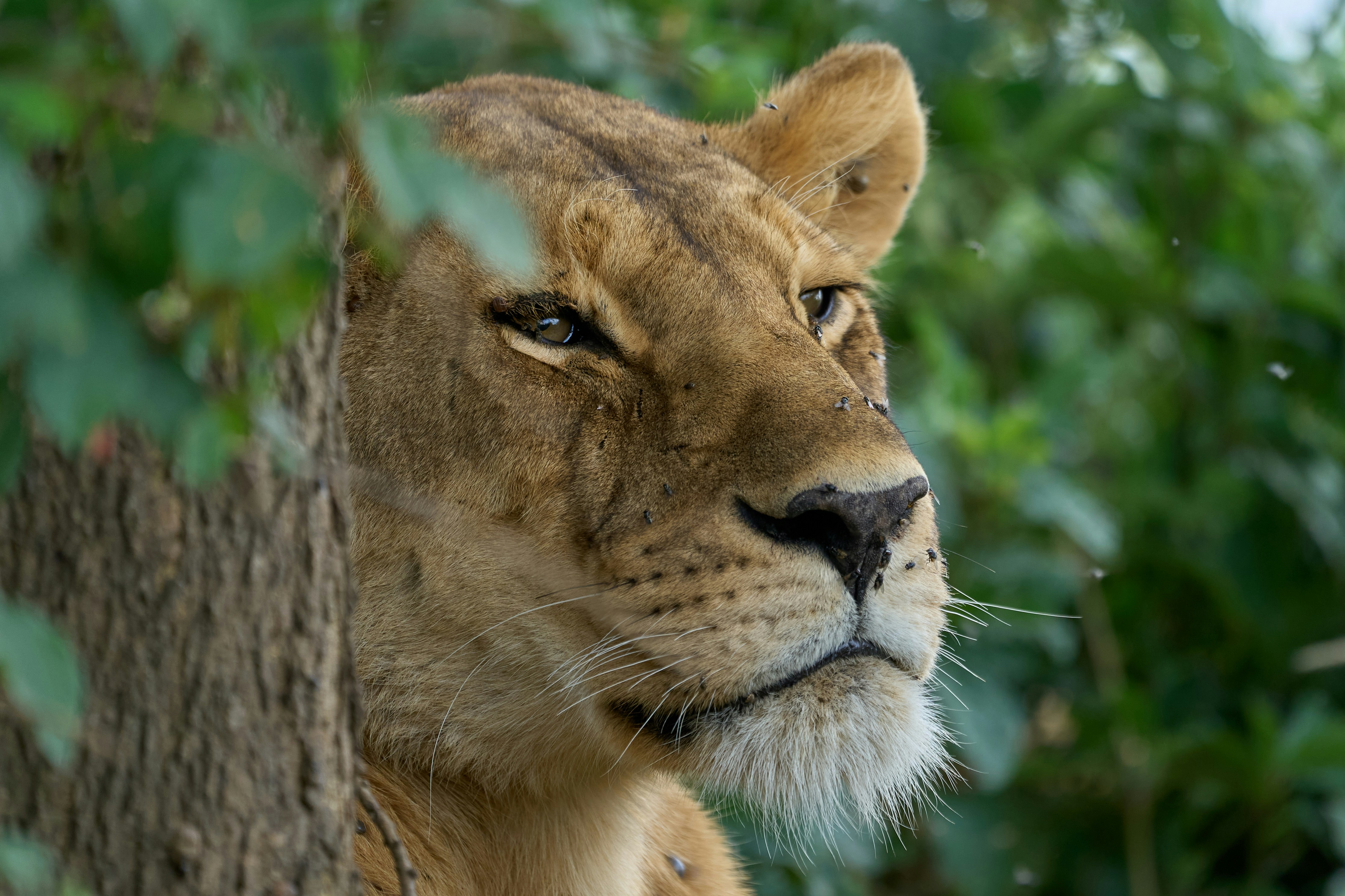
The Serengeti boasts one of the largest lion populations in Africa, with over 3,000 individuals. Lions are most commonly seen in the central Serengeti around Seronera, where prides of up to 20 individuals lounge on granite kopjes or hunt across the open plains. The best chances for dramatic lion sightings are during the dry season when prey concentrates around water sources.

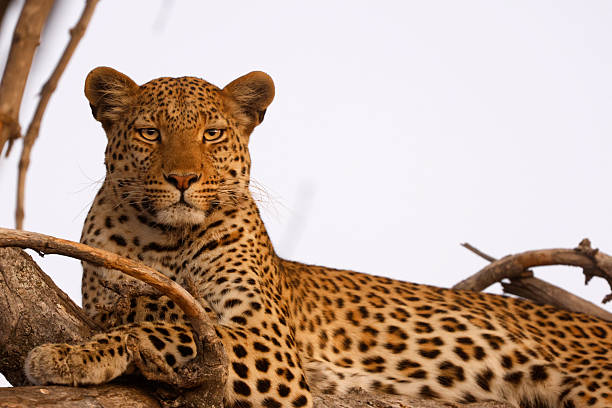
Leopard resting on an acacia tree branch in Serengeti Tanzania

Leopard (Panthera pardus)

Serengeti's most elusive Big Five member, leopards are best spotted in the Seronera Valley, where they frequently drape themselves over acacia tree branches. The woodland areas and riverine forests provide ideal habitat for these solitary predators. An experienced guide is essential for leopard sightings, as they are masters of camouflage.

Elephant herd walking across Serengeti grasslands Tanzania

Elephant (Loxodonta africana)

Large herds of African elephants roam throughout the Serengeti, with concentrations highest in the northern regions and around the Grumeti River. These magnificent creatures can be seen feeding on acacia trees, bathing in rivers, and traversing the open plains. The Serengeti elephant population has recovered significantly thanks to anti-poaching efforts.

Black rhino in Serengeti National Park Tanzania

Rhino (Diceros bicornis)

Both black and white rhinos are present in the Serengeti, though they are among the park's rarest animals due to decades of poaching. Black rhinos can occasionally be spotted in the Moru Kopjes area, while white rhinos are more regularly seen in the southern regions. Rhino sighting opportunities make any Serengeti safari particularly special.

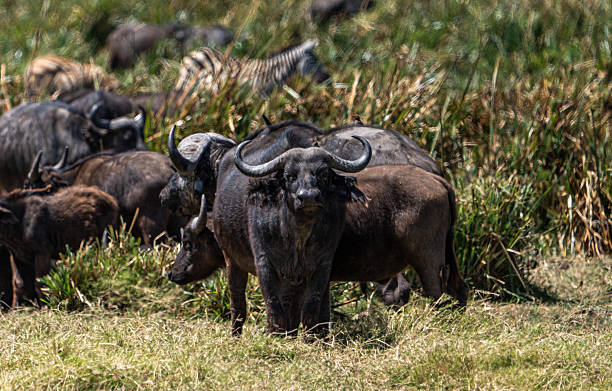
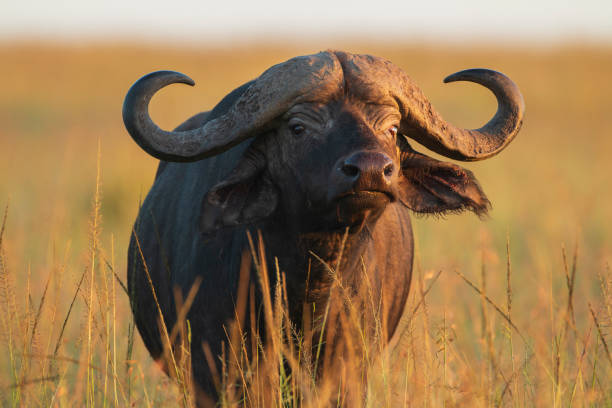
Buffalo herd grazing in Serengeti National Park Tanzania

Buffalo (Syncerus caffer)

Cape buffalo are abundant throughout the Serengeti, forming massive herds that can number in the hundreds during the dry season. These powerful animals are frequently seen grazing on the open plains and are a key prey species for lions. Buffalo are considered one of the most dangerous animals in Africa and are best observed from the safety of a safari vehicle.

Cheetah running across the Serengeti plains Tanzania

Cheetah (Acinonyx jubatus)

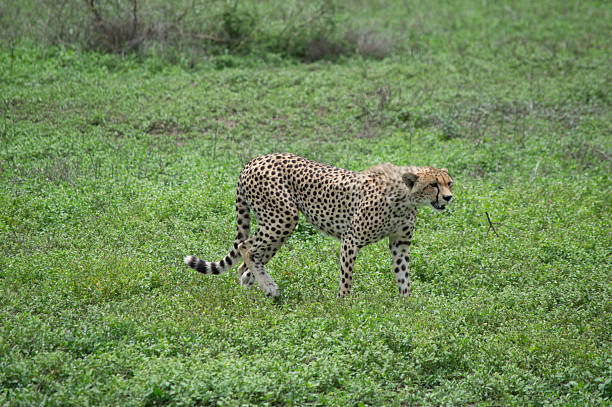
The open short-grass plains of the southern Serengeti provide ideal hunting terrain for cheetahs, the world's fastest land animals. The Serengeti supports one of the healthiest cheetah populations in Africa, with approximately 500 individuals. Mothers with cubs are particularly sought after by wildlife photographers.

Spotted hyena in Serengeti National Park Tanzania

Spotted Hyena (Crocuta crocuta)

Spotted hyenas are among the most successful predators in the Serengeti, with clan sizes reaching over 100 individuals in some areas. Often misunderstood as mere scavengers, hyenas are skilled hunters that play a vital role in the ecosystem. They are particularly active during the Great Migration, following the wildebeest herds.

Wildebeest herd during the Great Migration in Serengeti Tanzania

The undisputed stars of the Great Migration, over 1.5 million blue wildebeest traverse the Serengeti annually in their endless search for fresh grazing. These remarkable animals undertake one of the longest overland migrations on Earth, facing predators, river crossings, and harsh terrain in their annual cycle of survival.

Plains zebras grazing in Serengeti National Park Tanzania

Zebra (Equus quagga)

Approximately 200,000 plains zebras accompany the wildebeest during the Great Migration, forming one of the most iconic wildlife spectacles in Africa. Zebras are easily recognised by their distinctive black-and-white stripes and are commonly seen throughout the Serengeti year-round, grazing alongside wildebeest and gazelles.

Masai giraffe standing tall in Serengeti National Park Tanzania

Giraffe (Giraffa camelopardalis)

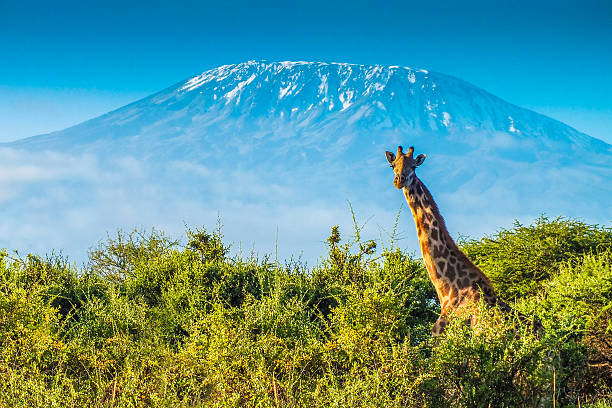
Masai giraffes are the most common subspecies found in the Serengeti, distinguished by their irregular, star-shaped spots. These tallest land animals are frequently seen browsing on acacia trees throughout the park. The Serengeti's open woodlands provide excellent opportunities for photographing these elegant creatures against dramatic backdrops.

Hippopotamus in a river pool in Serengeti National Park Tanzania

Hippopotamus (Hippopotamus amphibius)

Hippos are found in rivers, lakes, and pools throughout the Serengeti, with the Grumeti River and Mara River hosting large populations. These massive semi-aquatic mammals are most active during dawn and dusk, emerging from the water to graze on surrounding grasslands. They are considered one of Africa's most dangerous animals.

Nile crocodile basking on a riverbank in Serengeti Tanzania

Crocodile (Crocodylus niloticus)

Massive Nile crocodiles inhabit the Grumeti and Mara Rivers, playing a dramatic role during the Great Migration when they ambush crossing wildebeest. These prehistoric reptiles can grow up to 6 metres in length and are among the largest crocodiles in Africa. The best viewing opportunities are during river crossings between May and October.

More Wildlife Species

Gazelles: Thomson's gazelle and Grant's gazelle are abundant on the Serengeti plains, with Thomson's gazelle being one of the most commonly seen antelope species. These small, swift antelopes are a primary food source for cheetahs and other predators.

Bird Species: The Serengeti is home to over 500 bird species, including ostriches (the world's largest bird), secretary birds, martial eagles, crowned cranes, lilac-breasted rollers, super starlings, and Fischer's lovebirds. Bird watching is excellent year-round, with the wet season (November-May) offering the best opportunities as migrant species arrive and breeding plumage is displayed.

Other Notable Species: The Serengeti also hosts wild dogs (particularly in the western corridor), baboons, vervet monkeys, black-and-white colobus monkeys, warthogs, topi, elands, waterbucks, impalas, and dik-diks. The park's rivers support hippos and crocodiles, while the woodlands shelter a rich variety of smaller mammals and reptiles.

The Great Migration

The Great Migration is the single most spectacular wildlife event on the planet and the primary reason the Serengeti has achieved legendary status among wildlife destinations. Each year, approximately 1.5 million wildebeest, 200,000 zebras, and hundreds of thousands of gazelles undertake a continuous circular migration across the Serengeti-Mara ecosystem, covering a distance of nearly 1,000 kilometres in their eternal search for fresh grazing and water. This ancient migration pattern has been ongoing for millions of years, driven by seasonal rainfall patterns and the growth of new grass. Understanding the month-by-month progression of the migration is essential for planning the perfect Serengeti safari.

Wildebeest crossing Mara River during Great Migration in Serengeti Tanzania

January: Calving Season Begins

The herds gather in the short-grass plains of the southern Serengeti and Ndutu area, where the calving season commences. Approximately 8,000 wildebeest calves are born each day during this period. The open plains provide excellent visibility for predators, and cheetahs, lions, and hyenas take advantage of the abundance of vulnerable newborns. This is one of the most dramatic and action-packed periods in the migration cycle.

February: Peak Calving

February sees the peak of the calving season, with the vast majority of wildebeest having given birth. The southern plains are carpeted with newborn calves and their mothers, creating a feast for predators. Lion prides, cheetah families, and hyena clans are highly active, and the predator-prey interactions are among the most intense witnessed anywhere in Africa. The landscape is lush and green following the short rains.

March: Herds Begin Moving North

As the short rains end and the plains begin to dry, the herds start their gradual movement northward and westward. The calving season is largely complete, and the herds are now focused on finding fresh grazing. This transitional period sees the wildebeest and zebras spreading out across the central Serengeti, with some groups heading toward the western corridor.

April: Long Rains and Central Serengeti

April marks the beginning of the long rains, and the herds are typically found in the central Serengeti around the Seronera area. The rains bring lush vegetation, but also make game viewing more challenging due to increased foliage and muddy conditions. However, the wildlife concentrations remain high, and this is an excellent time for encountering predators in the woodlands.

May: Western Corridor and Grumeti River

By May, the main body of the migration has moved into the western corridor, approaching the Grumeti River. This is where the first major river crossings occur, as the herds must navigate the Grumeti's strong currents and its resident population of massive Nile crocodiles. The Grumeti crossings are less famous than the Mara crossings but are equally dramatic and often less crowded with tourists.

June: Grumeti River Crossings

June is the prime month for Grumeti River crossings. The herds gather in massive concentrations on the riverbanks before plunging into the water. Crocodiles lie in wait, and the chaotic crossings — with thousands of wildebeest struggling against the current and predators — provide some of the most dramatic wildlife footage imaginable.

July: Northern Movement and Mara River Approach

In July, the migration turns northward, heading toward the Mara River and the border with Kenya. The herds spread out across the northern Serengeti and the Lobo area, with the leading groups beginning to approach the Mara River. This is the beginning of the most anticipated phase of the migration — the Mara River crossings that have become synonymous with the Serengeti.

August: Mara River Crossings Peak

August is the peak month for the legendary Mara River crossings, widely regarded as the most dramatic wildlife spectacle on Earth. Thousands of wildebeest and zebras gather on the steep riverbanks before making the perilous crossing through crocodile-infested waters. The sight of hundreds of animals plunging into the river simultaneously, with crocodiles attacking and the strong current sweeping some away, is an unforgettable experience. The northern Serengeti and Kogatende area are the best locations for witnessing these crossings.

September: Kenya's Maasai Mara

By September, the main body of the migration has crossed into Kenya's Maasai Mara National Reserve, where the herds graze on the Mara's lush grasslands. However, a significant portion of the migration often remains in the northern Serengeti, and Mara River crossings can still be witnessed from the Tanzanian side.

October: Return South Begins

October marks the beginning of the herds' return journey southward into the Serengeti. As the rains begin in the south, the wildebeest and zebras start their trek back to the short-grass plains. The Mara River crossings are still possible during early October, and the herds can be seen moving through the Lobo and northern Serengeti areas.

November: Short Rains and Eastern Serengeti

November brings the short rains, and the herds continue their southward journey through the eastern Serengeti. The landscape transforms as the rains bring fresh green growth, and the herds spread out across the plains. This is a transitional period with scattered wildlife concentrations across a wide area.

December: Back to Southern Plains

By December, the majority of the migration has returned to the southern Serengeti plains and the Ndutu area, completing the annual cycle. The herds settle into the short-grass plains, and the calving season preparations begin anew. The Serengeti is green and beautiful, with large concentrations of wildlife across the southern regions, setting the stage for another spectacular year.

Best Time to Visit Serengeti

Serengeti sunrise with lion pride during golden hour Tanzania

The best time to visit the Serengeti depends on what you want to experience. The park is open year-round and offers unique attractions in every season, but understanding the nuances of each month will help you plan the perfect safari. Below is a comprehensive month-by-month breakdown to guide your decision.

MonthWeatherWildlifeMigrationCrowdsPrices
JanWarm, dry startExcellent - calvingCalving in southModerateMid-High
FebWarm, rains beginExcellent - calving peakCalving in southModerateMid-High
MarWarm, long rains startGood - herds movingMoving northLowLow
AprHeavy rainsGood - less visibleCentral SerengetiVery LowVery Low
MayHeavy rains endingGood - western corridorGrumeti RiverLowLow
JunDry, cool morningsExcellentGrumeti crossingsModerateHigh
JulDry, pleasantExcellentMara River approachHighVery High
AugDry, cool morningsExcellentMara crossings peakPeakPeak
SepDry, warmingGoodIn Maasai MaraModerateHigh
OctShort rains beginGoodReturn southModerateMid
NovShort rains, greenGood - scatteredMoving southLowLow
DecRains ending, warmGood - large herdsBack to southModerateMid-High

Dry Season (June - October)

The dry season is widely considered the best time for a Serengeti safari. Vegetation is sparse, making wildlife easier to spot as animals congregate around remaining water sources. The weather is pleasant with warm days (25-30C) and cool mornings and evenings that can drop to 10-15C. This is the prime time for witnessing the dramatic Mara River crossings (July-October) and the Grumeti River crossings (June-July). However, this is also peak tourist season, so lodges are at their most expensive and busiest, particularly during July and August. Advance booking of at least 6-12 months is strongly recommended for dry season safaris.

Green Season (November - May)

The green season offers its own unique rewards. The landscape transforms into a lush paradise, with dramatic skies, newborn animals, and migrant bird species. January and February are excellent for witnessing the calving season in the southern Serengeti, with thousands of wildebeest calves born daily and intense predator-prey interactions. March to May sees the heaviest rains, and some lodges close during this period. However, the green season offers significantly lower prices, fewer crowds, and a more intimate safari experience. Photography opportunities are exceptional with dramatic cloud formations and vibrant green landscapes.

Safari Activities

Safari game drive vehicle in Serengeti National Park with elephants in background

The Serengeti offers a diverse range of activities that go beyond traditional game drives, ensuring that every visitor can tailor their experience to their interests and preferences. Whether you are seeking adrenaline-pumping adventures, peaceful wildlife encounters, or cultural immersion, the Serengeti has something extraordinary to offer.

Game Drives

Game drives are the quintessential Serengeti experience and the primary way to explore the park's vast landscapes and diverse wildlife. Morning game drives depart at dawn (around 6:00 AM) when predators are most active and the golden light creates perfect photography conditions. Afternoon game drives begin around 3:30 PM and extend until sunset, offering opportunities to witness nocturnal animals beginning their activities. Full-day game drives with packed lunches allow for maximum exploration and the chance to follow wildlife over long distances. Most safari vehicles are customised 4x4 Land Cruisers with pop-up roofs for optimal viewing and photography.

Hot Air Balloon Safari

A hot air balloon safari over the Serengeti is one of the most magical and unforgettable wildlife experiences available anywhere in the world. Launching at dawn, the balloon drifts silently over the plains as the sun rises, offering a bird's-eye view of the wildlife below. The flight lasts approximately one hour and covers a distance of 10-25 kilometres depending on wind conditions. After landing, passengers enjoy a champagne breakfast in the bush, complete with fine china and silver service. The experience costs approximately $599 per person and operates daily from the central Serengeti. It must be booked well in advance due to high demand.

Photography Safari

The Serengeti is a photographer's paradise, and specialised photography safaris cater to both amateur and professional photographers. These safaris feature vehicles with bean-bag mounts, extended time at wildlife sightings, and guides who understand photographic composition and lighting. The open plains, dramatic skies, and abundant wildlife provide endless opportunities for stunning images. The golden hours of dawn and dusk offer the most spectacular light, while the migration provides once-in-a-lifetime action shots.

Bird Watching

With over 500 bird species, the Serengeti is a premier bird watching destination in Africa. The wet season (November-May) is particularly productive, as migrant species from Europe and northern Africa arrive to breed. Key species include ostriches, secretary birds, martial eagles, crowned cranes, Fischer's lovebirds, superb starlings, and lilac-breasted rollers. The park's diverse habitats — from open plains to woodlands to riverine forests — support an extraordinary variety of birdlife.

Walking Safari

Walking safaris in the Serengeti offer an intimate and immersive way to experience the bush on foot. Accompanied by an armed ranger and an experienced guide, you can explore the details of the ecosystem that are invisible from a vehicle — tracks, insects, plants, and smaller wildlife. Walking safaris are available in selected areas of the park and require a special permit. They provide a completely different perspective on the Serengeti and are highly recommended for those seeking a deeper connection with nature.

Cultural Tours

Cultural tours provide insight into the lives of the Maasai people who have lived alongside the Serengeti for centuries. Visit a traditional Maasai boma (homestead), learn about their pastoral lifestyle, witness traditional dances, and purchase handcrafted jewellery and beadwork. These tours support local communities directly and provide a richer understanding of the human dimension of the Serengeti ecosystem.

Private and Luxury Safaris

Private safaris offer a personalised and exclusive experience with a dedicated guide and vehicle. You set the pace, choose your departure times, and spend as long as you wish at each sighting. Luxury safaris in the Serengeti represent the pinnacle of African wildlife experiences, with award-winning lodges offering butler service, gourmet dining, spa treatments, private plunge pools, and exclusive game viewing.

Serengeti Regions

The Serengeti is divided into four distinct regions, each offering unique landscapes, wildlife, and experiences. Understanding these regions is essential for planning a safari that matches your interests and for knowing what to expect in different areas of the park.

Central Serengeti Seronera landscape with acacia trees and wildlife Tanzania

Central Serengeti (Seronera)

The central region, centred around the Seronera Valley, is the most popular and accessible part of the park. It is renowned for its exceptional year-round wildlife viewing, particularly for lions and leopards. The Seronera River runs through this area, attracting hippos, crocodiles, and a diverse array of wildlife. The granite kopjes (rocky outcrops) scattered across the landscape provide vantage points for predators and excellent photography opportunities. Seronera Airstrip, the park's busiest airstrip, is located here. The central Serengeti is ideal for first-time visitors and those seeking consistent, high-quality wildlife encounters.

Northern Serengeti Kogatende rolling hills and Mara River Tanzania

Northern Serengeti (Kogatende)

The northern Serengeti, around Kogatende, is the most remote and least visited region of the park. It is characterised by rolling hills, wooded savanna, and the legendary Mara River. This is the premier location for witnessing the dramatic Mara River crossings during the Great Migration (July-October). The area is also excellent for lion and leopard sightings, with fewer tourists than the central region. The northern Serengeti is ideal for experienced safari-goers seeking solitude and the most dramatic migration crossings.

Western Corridor Grumeti River Serengeti Tanzania

Western Corridor (Grumeti)

The western corridor stretches from the central Serengeti to the shores of Lake Victoria, following the course of the Grumeti River. This region is famous for its Grumeti River crossings during the migration (May-July) and its dense populations of Nile crocodiles, some of the largest in Africa. The woodland and riverine forest habitats support diverse wildlife including elephants, hippos, and primates. The western corridor is less crowded than the central region and offers excellent wildlife viewing during the migration period.

Southern Serengeti Ndutu short grass plains wildebeest calving Tanzania

Southern Serengeti (Ndutu)

The southern Serengeti, encompassing the Ndutu area and the vast short-grass plains, is the calving ground for the Great Migration. From December to March, over 500,000 wildebeest calves are born on these open plains, attracting large numbers of predators. The flat terrain and short grass provide excellent visibility for wildlife viewing and photography. The southern Serengeti is less developed than the central region but offers some of the most intense predator-prey interactions in Africa during calving season.

Accommodation Guide

Luxury safari lodge in Serengeti National Park with infinity pool overlooking plains

The Serengeti offers an extraordinary range of accommodation options, from ultra-luxury lodges and exclusive-use camps to budget-friendly campsites. The type of accommodation you choose will significantly impact your safari experience, and the park caters to every taste and budget.

Luxury Lodges

Four Seasons Safari Lodge Serengeti

$1,200 - $3,000+ per night

Perched above the Serengeti plains, the Four Seasons offers infinity pools overlooking a wildlife-rich waterhole, a world-class spa, and extraordinary dining. The lodge features 77 rooms and suites with private balconies and floor-to-ceiling windows for wildlife viewing from the comfort of your room.

&Beyond Serengeti Under Canvas

$1,500 - $2,500 per night

This luxury mobile camp follows the Great Migration, relocating to optimal positions throughout the year. Each of the nine canvas suites features bucket showers, brass basins, and Persian rugs. The intimate atmosphere and expert guiding make this one of the most exclusive safari experiences in Africa.

Singita Grumeti Lodge

$2,000 - $5,000+ per night

Singita Grumeti is the ultimate in safari luxury, offering just 30 suites and villas across 350,000 acres of private concession. The lodge features wine cellars, private plunge pools, outdoor showers, and some of the most attentive service in the industry. Private game drives ensure exclusive wildlife encounters.

Namiri Plains Camp

$800 - $1,500 per night

Located in an exclusive area of the central Serengeti, Namiri Plains offers a front-row seat to big cat action. The camp features just six spacious tents with en-suite bathrooms, a swimming pool, and excellent guiding. This area was closed to tourism for 20 years, ensuring an exceptionally wild experience.

Mid-Range Camps and Lodges

Serengeti Serena Safari Lodge

$350 - $600 per night

Built into the edge of a hillside, the Serena Lodge offers panoramic views of the Serengeti plains. The 65 guest rooms feature African-inspired decor, private balconies, and the lodge's signature infinity pool. Serena properties are known for their consistent quality and excellent locations.

Seronera Wildlife Lodge

$300 - $550 per night

Centrally located near the Seronera River, this lodge offers excellent wildlife viewing from its elevated position. The 75 rooms feature private balconies, and the lodge's restaurant overlooks a hippo-filled pool. Its central location makes it ideal for exploring all areas of the park.

Katikati Tented Lodge

$250 - $450 per night

A comfortable tented camp located in the central Serengeti, offering spacious tents with en-suite bathrooms, a restaurant, and a campfire area. The intimate atmosphere and knowledgeable guides provide an authentic safari experience at a more accessible price point.

Luxury Mobile Camps

$500 - $1,200 per night

Various operators run seasonal mobile camps that follow the migration throughout the year. These camps offer comfortable canvas accommodations with en-suite facilities, excellent food, and expert guiding. They provide the flexibility to be in the right location at the right time during the migration.

Budget Options

Serengeti Simba Campsite

$50 - $100 per night

Public campsites within the park offer basic facilities including communal bathrooms, cooking areas, and fire pits. Camping in the Serengeti provides an immersive wilderness experience at a fraction of the cost of lodge accommodation.

Budget Tented Camps

$150 - $300 per night

Several budget tented camps on the outskirts of the park and in nearby areas offer more affordable accommodation with basic amenities. These camps provide a good balance between comfort and cost, with shared or private tents, communal dining, and game drives included in the package.

Serengeti Safari Cost

Safari budget planning with map and binoculars for Serengeti trip

Understanding the cost structure of a Serengeti safari is essential for planning your trip. Safari costs vary significantly based on the level of accommodation, the duration of the safari, the number of people in your group, and the time of year.

Budget Safari

$300 - $500/day

Includes basic camping or budget tented camp accommodation, shared game drive vehicle, park fees, meals, and guide. Ideal for backpackers and budget-conscious travellers who want to experience the Serengeti without breaking the bank.

Mid-Range Safari

$500 - $800/day

Includes mid-range lodge or tented camp accommodation, private 4x4 vehicle with pop-up roof, park fees, all meals, and experienced guide. This category offers excellent value with comfortable accommodation and personalised service.

Luxury Safari

$800 - $1,500/day

Includes luxury lodge or premium tented camp accommodation, private 4x4 vehicle, park fees, gourmet meals, premium drinks, and expert guide. Properties in this category offer exceptional service and exclusive wildlife experiences.

Ultra-Luxury Safari

$1,500 - $5,000+/day

Includes ultra-luxury accommodation, private concession game drives, champagne, spa treatments, private chef, butler service, and exclusive-use vehicles. Properties like Singita and &Beyond offer the ultimate in safari luxury.

Park Entry Fees (2026)

CategoryFee (Per Person Per Day)
Non-Resident Adult$70
Non-Resident Child (5-15)$25
Resident / East African AdultTZS 30,000
Resident / East African ChildTZS 10,000
Walking Safari (per person)$50
Camping Fee (per person per night)$50
Vehicle Entry Fee$40

Factors Affecting Cost

Accommodation level: This is the single largest factor. A night at Singita ($3,000+) versus a campsite ($50) dramatically affects the total safari cost.

Duration: Longer safaris offer better per-day rates as fixed costs (transfers, park fees) are spread over more days.

Group size: Shared vehicles and group joining safaris significantly reduce per-person costs. Private safaris, while more expensive, offer exclusivity and flexibility.

Season: Peak season (July-August) commands premium rates, while the green season (April-May) offers the best value with significantly discounted rates at many lodges.

Inclusions: All-inclusive safari packages (park fees, accommodation, meals, drinks, activities) offer better value than paying separately for each component.

Serengeti vs Other Parks

African wildlife safari comparison between different parks Tanzania Kenya

Understanding how the Serengeti compares to other popular safari destinations helps you make an informed decision about where to visit. Below are detailed comparisons with four of the most commonly compared parks.

Serengeti vs Maasai Mara

FeatureSerengeti (Tanzania)Maasai Mara (Kenya)
Size14,763 km21,510 km2
MigrationYear-round, different areasJuly-October only
Big FiveYes (including rhino)Yes (rhino rare)
CrowdsLess crowded overallVery crowded Jul-Oct
AccommodationWider range of optionsMostly luxury
CostGenerally lowerGenerally higher
Best ForFull migration cycle, vast landscapesRiver crossings, compact game viewing

Serengeti vs Ngorongoro Crater

FeatureSerengetiNgorongoro Crater
Size14,763 km28,292 km2 (Crater: 260 km2)
LandscapeOpen plains, woodlands, riversVolcanic crater, forests, lakes
Wildlife DensityHigh but spread outExtremely high (concentrated)
Big FiveYesYes (including rhino)
MigrationYesNo
CrowdsLess crowdedVery crowded, vehicle limits
Best ForMigration, vastness, diversityConcentrated game viewing, crater experience

Serengeti vs Tarangire

FeatureSerengetiTarangire
Size14,763 km22,850 km2
SpecialityMigration, Big Five, predatorsElephants, baobabs, birdlife
Elephant HerdsLarge but scatteredMassive herds (up to 300)
CrowdsModerate to highLow (especially outside peak)
Best TimeJune-OctoberJune-October (dry season)
Best ForMigration, predator actionElephants, fewer crowds, birding

Serengeti vs Ruaha

FeatureSerengetiRuaha
Size14,763 km220,226 km2
LocationNorthern TanzaniaCentral Tanzania
AccessibilityEasy (flights from Arusha)Remote (flights from Dar/Dodoma)
WildlifeDiverse, migrationLarge predator populations, elephants
CrowdsModerateVery low
Best ForFirst-timers, migrationExperienced travellers, solitude

Photography Guide

The Serengeti is one of the world's premier photography destinations, offering extraordinary opportunities to capture stunning wildlife images, dramatic landscapes, and unforgettable moments. Whether you are a professional photographer or an enthusiast with a smartphone, the Serengeti's accessible wildlife, stunning light, and diverse subjects will inspire and reward your creative efforts.

Best Locations for Photography

Seronera Valley: The central Serengeti's granite kopjes and acacia trees provide dramatic settings for lion and leopard photography. The Seronera River offers hippo and crocodile shots, while the open plains surrounding the area are ideal for cheetah and elephant portraits.

Southern Plains (Ndutu): The vast short-grass plains provide clean, uncluttered backgrounds for wildlife portraits. During calving season (January-March), the plains are carpeted with wildebeest and their calves, creating endless opportunities for action and predator-prey photography.

Grumeti River: The western corridor's Grumeti River offers dramatic crossing shots during the migration (May-July), with crocodiles and wildebeest in dynamic compositions.

Mara River (Northern Serengeti): The Mara River crossings (July-October) are the most sought-after photography subjects in Africa. The dramatic action, dust, and chaos of thousands of wildebeest crossing the river create once-in-a-lifetime images.

Camera Recommendations

Essential Lenses: A telephoto lens (100-400mm or longer) is essential for wildlife photography. A mid-range zoom (24-70mm) covers landscapes and environmental portraits. A wide-angle lens (16-35mm) is useful for panoramas and balloon safari photography.

Settings: Use shutter priority or manual mode with fast shutter speeds (1/1000s or faster) for action shots. Use continuous autofocus (AI Servo/AF-C) for moving subjects. Shoot in RAW format for maximum flexibility in post-processing.

Photography Tips: Get low for intimate wildlife portraits. Be patient — great wildlife photography requires waiting for the right moment. Use the golden hour (first and last hour of sunlight) for the most dramatic light. Tell a story — capture behaviour, interactions, and the environment to tell the complete story of the Serengeti.

Serengeti sunset with acacia tree silhouette perfect photography setting Lion portrait in golden Serengeti light wildlife photography Wildebeest migration aerial view Serengeti photography Elephant herd at dawn Serengeti National Park photography Cheetah hunt action shot Serengeti photography Hot air balloon over Serengeti at sunrise photography

Family Safaris

Family on safari with children watching elephants in Serengeti National Park

The Serengeti is an exceptional destination for family safaris, offering educational and inspiring experiences that create lifelong memories for children and parents alike. The park's diverse wildlife, dramatic landscapes, and range of activities provide something for every age group, while the hospitality industry has developed excellent family-friendly programmes and accommodations.

Why Serengeti is Great for Families

The Serengeti's open plains make wildlife viewing easy and accessible for children, with sightings virtually guaranteed on every game drive. The excitement of seeing lions, elephants, and giraffes up close is unmatched by any other family holiday experience. The educational value is immense — children learn about ecology, conservation, animal behaviour, and different cultures in an immersive and engaging way. Many lodges offer dedicated children's programmes with junior ranger activities, wildlife tracking lessons, bush crafts, and storytelling sessions.

Best Family-Friendly Lodges

&Beyond Serengeti Under Canvas: Offers a dedicated children's programme with age-appropriate activities and family-friendly tent configurations.

Serengeti Serena Safari Lodge: Features family rooms, a children's pool, and organised activities for younger guests.

Four Seasons Safari Lodge: Offers a kids' club, family suites, and a range of child-friendly dining options.

Katikati Tented Lodge: A more affordable option that welcomes families with spacious tents and flexible dining arrangements.

Family Activities and Safety

Junior Ranger Programme: Children can earn their Junior Ranger badge by completing wildlife identification challenges, learning animal tracks, and participating in conservation activities.

Nature Walks and Cultural Visits: Guided walks in safe areas and visits to Maasai villages provide children with educational experiences and cultural appreciation.

Safety Tips: Always follow your guide's instructions and remain in the vehicle during game drives. Choose lodges with fenced perimeters or night security. Ensure children are supervised at all times, especially around pools and wildlife viewing areas.

Honeymoon Safaris

Romantic safari couple watching sunset over Serengeti plains Tanzania

A Serengeti honeymoon safari is the ultimate romantic adventure, combining the thrill of witnessing Africa's greatest wildlife spectacle with the intimacy and luxury of world-class accommodations. The Serengeti offers an unparalleled setting for celebrating love, with dramatic landscapes, exclusive lodges, and private experiences that create memories to last a lifetime.

Luxury Experiences

Many luxury lodges and camps offer special honeymoon packages that include private game drives, romantic bush dinners under the stars, couples' spa treatments, champagne sundowners, and exclusive-use vehicles. Properties like Singita, Four Seasons, and &Beyond have dedicated honeymoon suites with private plunge pools, outdoor showers, and panoramic views of the Serengeti plains. Some lodges offer private dining experiences on elevated platforms overlooking waterholes where wildlife comes to drink at sunset.

Romantic Lodges

Singita Faru Faru Lodge: Offers intimate suites with private decks, plunge pools, and the ultimate in personalised service.

Four Seasons Safari Lodge: Features a dedicated honeymoon suite with floor-to-ceiling windows overlooking a wildlife-rich waterhole.

&Beyond Serengeti Under Canvas: The intimacy of a mobile tented camp with just nine suites ensures a highly personal and romantic experience.

Namiri Plains Camp: Offers exclusive-use tents in one of the most wildlife-rich areas of the Serengeti.

Private Game Drives and Hot Air Balloon

Private game drives allow honeymooners to set their own pace and schedule, spending as long as they wish at each sighting. Your dedicated guide will tailor the experience to your interests, whether that's big cat tracking, bird watching, or simply enjoying the tranquillity of the African bush. A hot air balloon safari at dawn is one of the most romantic experiences in Africa. Drifting silently over the Serengeti as the sun rises, with wildlife visible below, is an unforgettable way to celebrate your love. The experience includes a champagne breakfast in the bush after landing.

Conservation

African elephant conservation in Serengeti National Park Tanzania

Conservation is at the heart of the Serengeti's story. As one of the world's most important ecosystems, the park faces ongoing challenges that require dedicated protection, sustainable management, and community engagement. African Majestic Adventure is committed to supporting conservation efforts in the Serengeti and throughout Tanzania, ensuring that future generations can continue to experience this extraordinary natural wonder.

Wildlife Protection and Anti-Poaching

The Tanzania National Parks Authority (TANAPA) manages the Serengeti with a focus on protecting its extraordinary biodiversity. Anti-poaching patrols, wildlife monitoring programmes, and habitat management initiatives work together to safeguard the park's animal populations. The Serengeti's lion population, one of the largest in Africa, is closely monitored through the Serengeti Lion Project, which has been studying and protecting lions in the park since 1966. Rhino conservation programmes, including rhino monitoring and anti-poaching units, work to protect the park's vulnerable black and white rhino populations.

Community Projects

Conservation in the Serengeti is not just about protecting wildlife — it is also about supporting the local communities who live alongside the park. The Ngorongoro Conservation Area, which borders the Serengeti, is home to Maasai communities who have coexisted with wildlife for centuries. Conservation organisations and safari operators work with these communities to develop sustainable livelihoods, improve education and healthcare, and create economic incentives for wildlife conservation. Community-based tourism initiatives, such as cultural tours and community-owned conservancies, provide direct economic benefits to local people.

Sustainability Initiatives

The safari industry in the Serengeti is increasingly adopting sustainable practices to minimise its environmental impact. Many luxury lodges and camps operate on solar power, implement water recycling systems, use locally sourced food, and minimise waste through composting and recycling programmes. Carbon offset programmes allow travellers to offset the emissions from their flights, while responsible tourism guidelines ensure that safari activities have minimal impact on wildlife and habitats. By visiting the Serengeti responsibly and supporting conservation-focused operators, travellers play a vital role in protecting this irreplaceable treasure for generations to come.

Frequently Asked Questions

How many days do I need in Serengeti?
A minimum of 3 days is recommended for a basic Serengeti safari. For a comprehensive experience that includes the Ngorongoro Crater, Tarangire, and other parks on the Northern Circuit, plan for 5-7 days. The more time you spend in the Serengeti, the better your chances of witnessing rare wildlife moments, the Great Migration river crossings, and encountering all the Big Five. Many experienced safari-goers recommend at least 4-5 days to truly immerse yourself in the Serengeti experience.
When is the Great Migration in Serengeti?
The Great Migration is a year-round event that follows a circular pattern across the Serengeti-Mara ecosystem. Calving season occurs January to March in the southern Serengeti, when 8,000 wildebeest calves are born daily. The Grumeti River crossings happen May to July in the western corridor. The legendary Mara River crossings peak July to October in the northern Serengeti. December sees the herds moving south again to complete the cycle.
Can I see the Big Five in Serengeti?
Yes, all Big Five animals (lion, leopard, elephant, buffalo, and rhino) are found in Serengeti National Park. Lions and elephants are commonly seen throughout the park. Leopards are best spotted in the Seronera Valley with an experienced guide. Black rhinos are present but rarely seen due to their elusive nature and intensive protection measures. Cape buffalo are abundant and can be seen in large herds across the park.
Is Serengeti National Park safe?
Yes, Serengeti is very safe for tourists. You must stay in your vehicle during game drives except at designated picnic sites, rest areas, and camps. Your professional safari guide is trained to handle wildlife encounters safely. Lodges and camps have security personnel and well-lit perimeters. The park is patrolled by TANAPA rangers. Follow all park rules and your guide's instructions for a safe and enjoyable safari experience.
Which airport should I use for Serengeti?
The main international airport is Kilimanjaro International Airport (JRO), located about 350km from the park. Arusha Airport (ARK) handles domestic flights to Serengeti airstrips. Within the park, Seronera Airstrip (central), Kogatende Airstrip (northern), Kioga Airstrip, and Grumeti Airstrip (western) serve different regions. Most safari packages include airport transfers from JRO or ARK.
Can I visit Serengeti all year round?
Yes, Serengeti is open year-round. The dry season (June-October) offers the best wildlife viewing and migration river crossings. The green season (November-May) has lush landscapes, calving season, fewer tourists, and lower prices. Some lodges close during the heavy rains in April-May. Each season offers unique experiences, so there is no bad time to visit the Serengeti.
How much does a Serengeti safari cost?
Safari costs vary significantly based on accommodation level, duration, and season. Budget safaris range from $300-500/day per person, mid-range from $500-800/day, luxury from $800-1,500/day, and ultra-luxury from $1,500+/day. These prices typically include park fees ($70/person/day), accommodation, meals, guide, and transport. Contact us for a personalised quote based on your preferences and budget.
What should I pack for Serengeti?
Pack neutral-coloured clothing (khaki, green, beige), warm jacket for morning game drives, comfortable walking shoes, sun hat, sunglasses, sunscreen, insect repellent, binoculars, camera with zoom lens, reusable water bottle, and any personal medications. Layers are essential as mornings and evenings can be chilly even during the dry season.
Do I need a visa for Tanzania?
Most international visitors need a visa. You can obtain a visa on arrival at the airport or apply for an e-visa online before travel. The visa fee is approximately $50 USD for most nationalities. Check the latest requirements before travel, as visa policies can change.
What vaccinations do I need for Serengeti?
Yellow fever vaccination is required if arriving from an endemic area. Recommended vaccinations include hepatitis A, hepatitis B, typhoid, and routine vaccinations. Malaria prophylaxis is strongly recommended. Consult your doctor at least 6-8 weeks before travel for the most up-to-date health advice.
Can I combine Serengeti with Ngorongoro Crater?
Absolutely. Serengeti and Ngorongoro are often combined in a single safari itinerary. The Ngorongoro Crater is about 3-4 hours drive from the Serengeti. Most Northern Circuit safaris include both parks for the ultimate Tanzania wildlife experience. This combination offers the best of both worlds — the vast plains of the Serengeti and the concentrated wildlife of the crater.
Is Serengeti suitable for children?
Yes, many lodges and camps welcome children. Family-friendly accommodations offer kids' programmes and activities. Children aged 5 and under may have reduced or free park fees. Some lodges have minimum age requirements for game drives. Contact us for family-specific safari recommendations and age-appropriate activities.
What is the cancellation policy for Serengeti safaris?
Cancellation policies vary by lodge and operator. Generally, cancellations 60+ days before arrival receive a full refund minus admin fees. 30-59 days may incur 50% charges. Less than 30 days typically forfeit the full amount. Travel insurance is strongly recommended to protect your investment.
Do you offer private safaris in Serengeti?
Yes, African Majestic Adventure offers private safaris in Serengeti. You get a dedicated guide, private vehicle, and flexible itinerary tailored to your interests. Private safaris are ideal for families, couples, or groups wanting a personalised experience with maximum flexibility.
What languages do safari guides speak?
Our guides speak English, Swahili, and German. French, Spanish, and Italian-speaking guides can be arranged with advance notice. Please inform us of your language preference when booking your safari.
Can I pay by credit card in Serengeti?
Most luxury and mid-range lodges accept credit cards (Visa, Mastercard). Some may charge a processing fee. It's advisable to carry some cash (USD or Tanzanian Shillings) for tips and smaller purchases. ATMs are not available inside the park.
Is Wi-Fi available in Serengeti lodges?
Wi-Fi is available in many luxury and mid-range lodges, though speeds may be limited due to remote locations. Some camps offer Wi-Fi in the main areas only. Budget campsites typically do not have Wi-Fi. Check with your specific accommodation for details.
What is the weather like in Serengeti?
Serengeti has two main seasons: dry season (June-October) with warm days (25-30C) and cool mornings/evenings, and wet season (November-May) with temperatures from 20-30C. April-May has the heaviest rains. Mornings can be chilly year-round, so bring warm layers for early game drives.
How do I get to Serengeti from Arusha?
By road: 4-5 hour scenic drive via the Ngorongoro Conservation Area. By air: daily flights from Arusha Airport (ARK) to Seronera or other airstrips, approximately 1 hour flight time. Most safari packages arranged through African Majestic Adventure include all transfers from Arusha or Kilimanjaro Airport.
Can I do a hot air balloon safari in Serengeti?
Yes, Serengeti Balloon Safaris operate daily launches in the central Serengeti. The flight lasts about one hour at dawn, followed by a champagne breakfast in the bush. The experience costs approximately $599 per person and should be booked well in advance due to high demand. Contact us to add this magical experience to your safari itinerary.
What is the entry fee for Serengeti National Park?
For 2026, non-resident adults pay $70 per person per day, children (5-15) pay $25. East African residents pay TZS 30,000 for adults and TZS 10,000 for children. Additional fees apply for camping ($50/person/night), walking safaris ($50/person), and vehicle entry ($40). Fees are subject to change and should be verified before travel.
Premium Safari Experience

Your Luxury Serengeti Adventure Awaits

From private game drives at dawn to champagne sundowners overlooking the plains — every moment is crafted for an extraordinary experience. Our luxury safaris combine world-class accommodation, expert guiding, and exclusive access to the Serengeti's most spectacular wildlife encounters.

Private 4x4 Land Cruiser with pop-up roof
Luxury tented camps & lodges
Expert English-speaking safari guide
All park fees & concession fees included
Game drives, walking safari & bush dinner
Hot air balloon safari option available
Luxury safari lodge overlooking Serengeti plains Serengeti wildlife at golden hour

Ready to Experience Serengeti?

Our local safari experts are ready to help you create an unforgettable safari experience. Let us plan your perfect Serengeti adventure with expert guiding, hand-picked lodges, and lifetime memories.

👋 Hello! 😊
Welcome to African Majestic Adventure!
Ready to plan your dream safari?
Chat with us now!