.png)
Plan Your Tarangire Safari
What is Tarangire National Park?
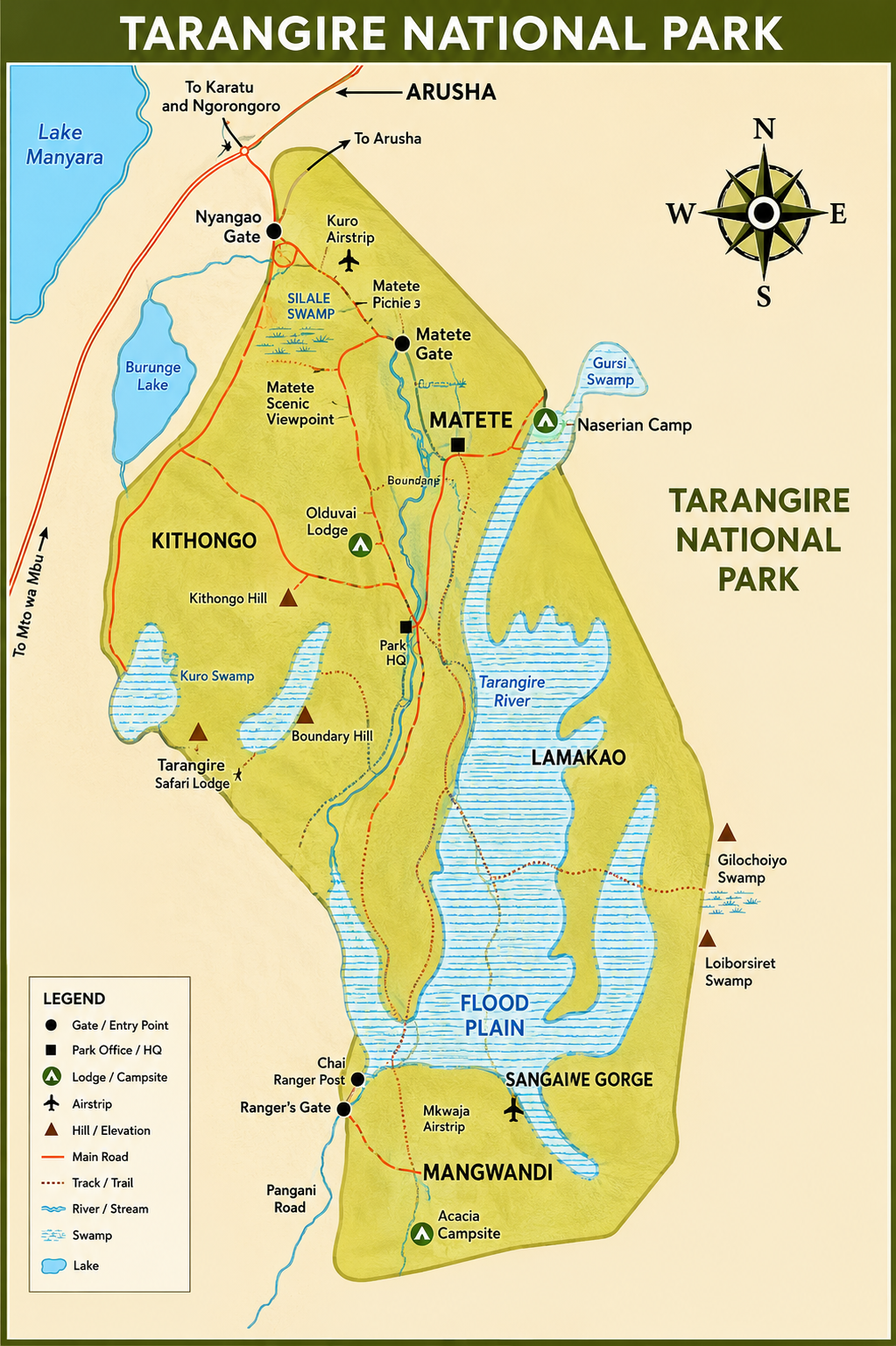
Tarangire National Park, established in 1970, spans 2,850 km² in the Manyara Region of northern Tanzania. Named after the Tarangire River, its landscape features acacia-dotted floodplains, ancient baobab trees (some 1,000+ years old), and seasonal swamps. It forms part of a 35,000 km² ecosystem connected with Lake Manyara and Ngorongoro, and is world-renowned for giant elephant herds of up to 300 individuals, over 550 bird species, and an intimate, uncrowded safari experience. The park has 2 main gates: Main Gate (north) and Boundary Hill Gate (east).
Why Tarangire is Famous
Tarangire's fame rests on its astonishing elephant population (2,500+ individuals, one of the highest densities in Africa), ancient baobab trees (some over 1,000 years old), and exceptional birdlife (550+ species). The park also supports healthy Big Five populations, with far fewer vehicles than more famous northern parks. It's Tanzania's best park for close-range elephant encounters and tree-climbing pythons in the baobabs.
Location and Access
Located approximately 118 km from Arusha, the drive takes 2-2.5 hours via the main highway (A104 Arusha-Dodoma road). It lies south of Lake Manyara and is 3-4 hours from Ngorongoro Crater. Charter flights from Arusha or Kilimanjaro airports land at Kuro Airstrip in just 30 minutes. The park has 2 entry gates: Main Gate (north, near Kuro Airstrip) and Boundary Hill Gate (east). Combine easily with Lake Manyara (1 hour) and Ngorongoro (3-4 hours).
Tarangire Wildlife Guide
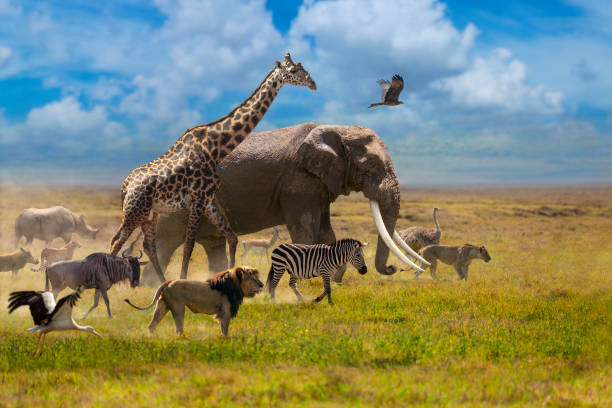
- African Elephant (largest herds in Tanzania, up to 300)
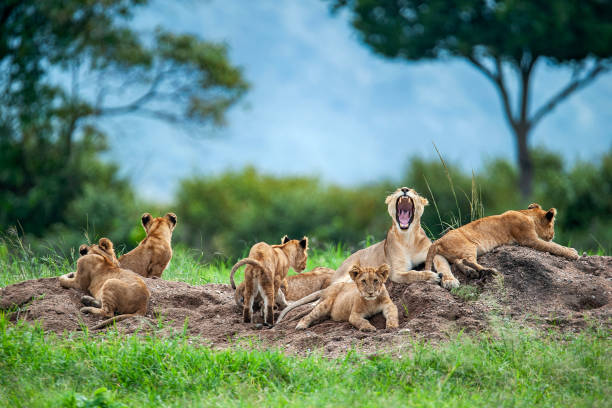
- Lion (strong population in the south)
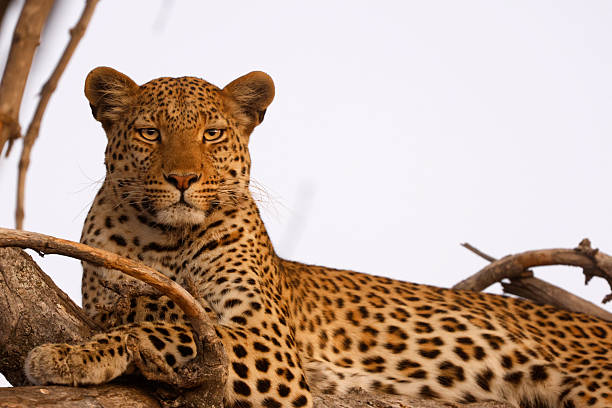
- Leopard (excellent sightings in riverine forests)
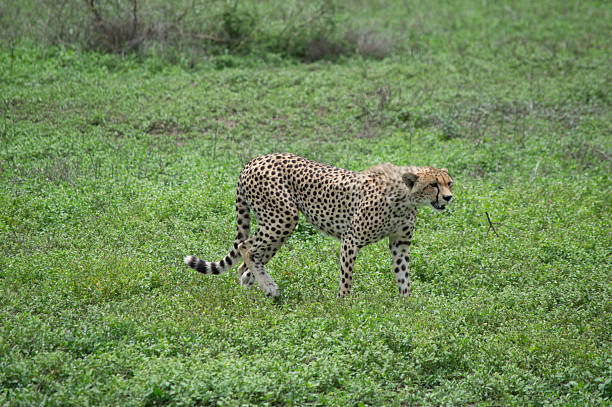
- Cheetah (open plains in the north-east)
- Cape Buffalo (large herds near swamps)
- Masai Giraffe (common throughout)
- Plains Zebra (migratory herds)
- Wildebeest (dry season concentrations)
- Greater Kudu (baobab-dotted hills)
- Thomson's Gazelle
- Grant's Gazelle
- Topi
- Eland (largest antelope)
- Ostrich
- Secretary Bird
- Martial Eagle
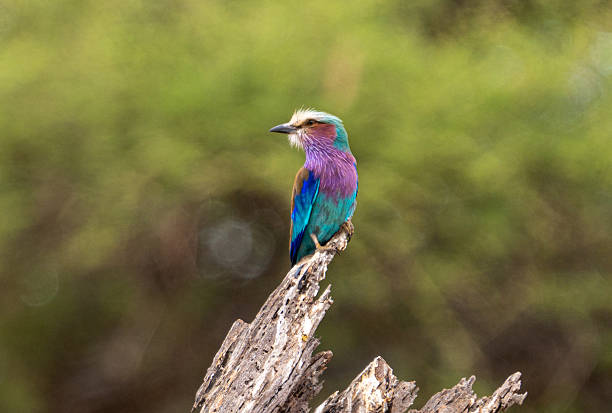
- Lilac-breasted Roller
- Yellow-collared Lovebird
- African Fish Eagle
- Baboon
- Warthog
- Dik-dik
- Bushbuck
- Waterbuck
- Hippopotamus (Tarangire River)
Best spots: Elephants at Tarangire River/Silale Swamp, lions in southern sector, leopards in Matete woodlands, birds at Silale Swamp year-round.
The Tarangire Elephant Experience
Tarangire's signature wildlife encounter features over 2,500 elephants with one of the highest densities in Africa. During the dry season (June-October), herds of up to 300 gather along the Tarangire River and Silale Swamp. The park's baobab trees play a vital role — elephants strip the bark for moisture and disperse seeds across the landscape. Tarangire elephants are famous for their massive tusks — some of the largest in East Africa.
Elephant Viewing Calendar
Jan-Mar: Best elephant viewing in Tarangire. Herds concentrate along the river corridor.
Apr-May: Large elephant herds visible along the Tarangire River and Silale Swamp.
Jun-Jul: Excellent elephant viewing continues as the dry season intensifies. Elephants gather at remaining waterholes.
Aug-Oct: Peak elephant viewing with hundreds of elephants congregating around the river. Dry season at its height.
Nov-Dec: Elephants disperse across the park as seasonal rains fill waterholes. Smaller groups but more natural behaviour.
Tarangire Gallery

Best Time to Visit Tarangire
| Month | Season | Wildlife Highlights | Rating |
|---|---|---|---|
| Jan | Green | Excellent elephant viewing along the river. Lush landscapes. Good birding. | ★★★★☆ |
| Feb | Green | Large herds visible. Predator sightings good. Fewer tourists than dry season. | ★★★★☆ |
| Mar | End of green | Elephant viewing remains excellent. Birds active. Good value period. | ★★★★☆ |
| Apr | Long Rains | Lowest rates. Best birding of the year. Few visitors. Some lodges close. | ★★☆☆☆ |
| May | Long Rains | Quietest month. Excellent for dedicated birders. Dramatic skies for photography. | ★★☆☆☆ |
| Jun | Dry | Dry season begins. Elephants concentrate along the river. Viewing improves daily. | ★★★★☆ |
| Jul | Dry | Herds of up to 300 elephants visible. Excellent game viewing across the park. | ★★★★★ |
| Aug | Dry / Peak | Peak elephant viewing. Animals concentrated at remaining water sources. | ★★★★★ |
| Sep | Dry / Peak | Outstanding wildlife viewing. Hot days, cool mornings. Best photo conditions. | ★★★★★ |
| Oct | End of dry | Last month of peak season. Elephant herds at their largest. Hot conditions. | ★★★★☆ |
| Nov | Short Rains | Green landscapes return. Elephants disperse. Lower prices, fewer crowds. | ★★★☆☆ |
| Dec | Short Rains | Lush scenery. Birding improves. Good value. Smaller elephant groups. | ★★★☆☆ |
★ = Rating based on wildlife viewing quality, crowds, and value. Peak dry season (Jul-Oct) scores highest.
Safari Activities in Tarangire
Game drives in customised 4x4 vehicles offer morning (6:00 AM) and afternoon (3:30 PM) wildlife viewing. Walking safaris with armed rangers provide a ground-level perspective of tracks and smaller creatures. With 550+ bird species, Tarangire is a top birding destination, especially around Silale Swamp. Cultural visits to Maasai bomas near the park entrance offer insight into traditional pastoral life. Night drives available on private concessions adjacent to the park. Full-day drives with picnic at Silale Swamp recommended in dry season.
Accommodation in Tarangire
Options range from ultra-luxury tented camps like Sanctuary Swala ($700-1,200/night) to budget campsites ($30-50/night). Mid-range choices include Lake Burunge Tented Camp ($200-350/night), Roika Tarangire Lodge ($150-300/night). Luxury stays at Tarangire Treetops ($500-900/night) offer treehouse-style rooms overlooking the plains. Lemala Mpingo Ridge ($800-1,400/night) sits on the Rift Valley escarpment. Book 3-6 months ahead for dry season (Jul-Oct).
Tarangire Safari Cost
| Category | Price Per Person/Day | Includes |
|---|---|---|
| Budget | $200 - $300 | Camping, shared vehicle, meals, park fees |
| Mid-Range | $350 - $600 | Lodge/tented camp, private 4x4, meals, guide |
| Luxury | $700 - $1,500 | Premium lodge, private vehicle, gourmet meals |
| Ultra-Luxury | $1,500 - $3,000+ | Exclusive camps, butler service, spa, private chef |
Park Entry Fees: Non-resident adults pay $45 per person per day, children (5-15) pay $15. East African residents pay TZS 15,000 per day. Camping fees are $30 per person per night, and vehicle entry is $40 per vehicle. Prices are per person sharing; single supplements apply. 2-day minimum recommended.
Frequently Asked Questions
Nearby Attractions
Tarangire National Park lies on the southern edge of Tanzania's Northern Safari Circuit, making it an excellent stopover or alternative to the busier parks. Nearby highlights include:
- Lake Manyara National Park (1.5 hours) — Groundwater lake and forests famous for tree-climbing lions, huge flamingo flocks, and buffalo herds along the Rift Valley.
- Ngorongoro Crater (2.5-3 hours) — UNESCO World Heritage Site and one of Africa's best wildlife viewing areas, home to the Big Five and thousands of grazers inside an extinct caldera.
- Serengeti National Park (5-6 hours) — Tanzania's flagship park featuring the Great Migration of 1.5 million wildebeest, endless plains, and all Big Five species.
- Lake Natron (4 hours north-east) — Harsh soda lake and breeding ground for lesser flamingos, with Ol Doinyo Lengai active volcano nearby.
Tarangire works perfectly as a 1-2 day add-on to a Serengeti-Ngorongoro safari. Browse full itineraries on our Destination Hub.
Related Tarangire Tours
3 Days Tarangire Safari
A focused Tarangire experience with game drives and riverside picnics. Perfect for a weekend escape.
View Tour5 Days Northern Circuit Safari
Explore Tarangire, Lake Manyara, and Ngorongoro Crater with expert guides and premium accommodation.
View Tour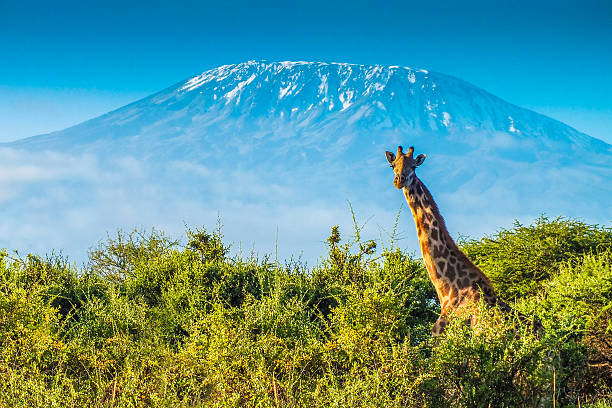
Tarangire & Ngorongoro
Combine the elephant herds of Tarangire with Ngorongoro Crater. Includes game drives, lodge stays, and park fees.
View TourHow to Book Your Tarangire Safari
Arranging your Tarangire safari with African Majestic Adventure takes just five steps:
- Step 1: Choose your preferred tour package or request a custom itinerary tailored to your interests and budget.
- Step 2: Receive a transparent quote covering park fees, accommodation, transport, meals, and guiding — no surprises.
- Step 3: Confirm with a 30% deposit. We book your park permits, lodging, and safari vehicle.
- Step 4: Get your pre-departure briefing with packing advice, safari tips, and guide details 2 weeks prior.
- Step 5: Arrive at Kilimanjaro or Arusha airport — we handle your transfer and begin the adventure.
All packages include airport transfers, park fees, game drives, accommodation, full-board meals, and a professional English-speaking guide. Flights and visas are separate. Mix and match parks for a custom Northern Circuit safari — get in touch for a tailored quote.