Your Complete Ngorongoro Safari Planner
What is Ngorongoro Conservation Area?
The Ngorongoro Conservation Area is a UNESCO World Heritage Site spanning 8,292 km² in northern Tanzania. Its centrepiece is the Ngorongoro Crater — the world's largest intact volcanic caldera, 600 metres deep and covering 260 km². Formed when a giant volcano erupted and collapsed 2.5 million years ago, the crater today hosts one of Africa's highest densities of wildlife, including the entire Big Five and a rare population of black rhino. The conservation area is unique because it protects both wildlife and the traditional way of life of the Maasai people, who have grazing rights throughout the area. It also includes Olduvai Gorge, where the Leakey family discovered some of humanity's earliest ancestors.
Why Ngorongoro is Famous
Ngorongoro Crater is often called "Africa's Garden of Eden" for its breathtaking beauty and unparalleled wildlife density. The crater floor is a natural arena where an estimated 25,000 large animals live year-round, including some 4,000 wildebeest, 5,000 zebras, 3,000 elands, 60 lions, 70 hyenas, and critically endangered black rhino. The crater rim rises 600 metres above the floor, creating a natural enclosure that makes game viewing extraordinary. Ngorongoro also holds the world-famous Olduvai Gorge, where the Leakey family discovered 3.7-million-year-old hominid footprints. The area's unique dual UNESCO designation protects both natural and cultural heritage, including Maasai pastoralism.
Location and How to Get to Ngorongoro Conservation Area
The Ngorongoro Conservation Area is located 180 km west of Arusha, approximately 3-4 hours drive. The approach via the A104 highway passes through Lake Manyara and ascends the Rift Valley escarpment to the crater rim at 2,286 metres elevation. The descent into the crater is a steep 600-metre drop along a winding road that takes about 15-20 minutes. Only registered safari vehicles with a guide are permitted on the crater floor. Access is from sunrise to sunset; overnight stays on the crater floor are not permitted. Chartered flights land at Lake Manyara Airstrip (1 hour from the crater). The main entrance gate is at Seneto (Loduare Gate) on the east side.
Ngorongoro Conservation Area
Northern Tanzania • 180 km from Arusha
Accessible by road (3-4 hours from Arusha) or charter flights to Lake Manyara Airstrip.
Open in Google MapsNgorongoro Wildlife Guide
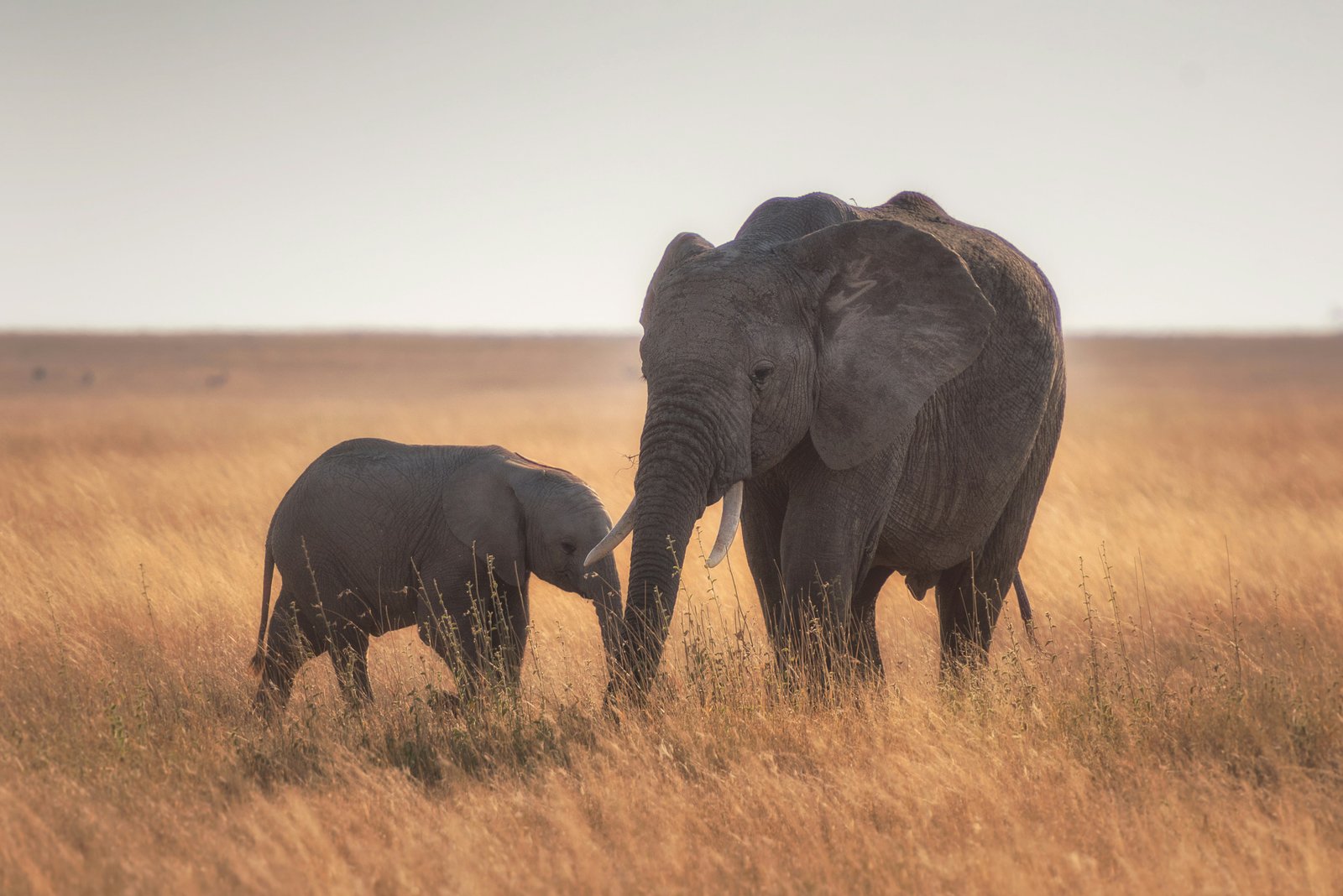
The Ngorongoro Crater hosts an estimated 25,000 large mammals on the crater floor. Key species include:
- Black Rhino (critically endangered)
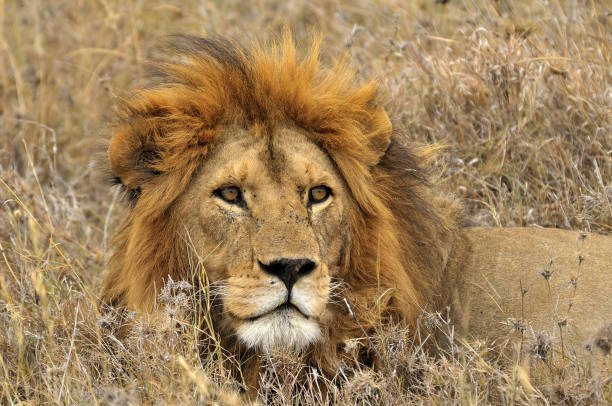
- Lion (60+ in crater)
- Leopard (escarpment forests)
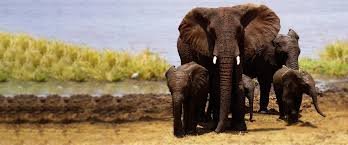
- African Elephant
- Cape Buffalo (3,000+)
- Spotted Hyena (70+)
- Cheetah (open plains)
- Masai Giraffe
- Plains Zebra
- Wildebeest
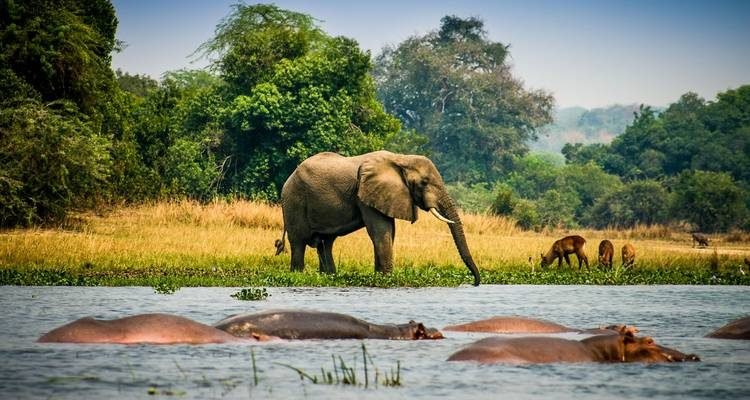
- Hippopotamus (Gorigor Swamp)
- Eland
- Thomson's Gazelle
- Grant's Gazelle
- Waterbuck
- Bushbuck
- Impala
- Warthog
- Golden Jackal
- Serval
- Ostrich
- Lesser Flamingo (Lake Magadi)
- Kori Bustard
- Secretary Bird
Best spots: Rhinos near Lerai Forest, lions at Gorigor Swamp, hippos at Lake Magadi, elephants in the forest areas. The entire crater floor is visible — the key is finding where animals are concentrated.
Ngorongoro Gallery
The Ngorongoro Crater Experience
Descending into Ngorongoro Crater is one of Africa's most unforgettable safari moments. The road winds 600 metres down the crater wall through misty forest before opening to the vast caldera floor. Once on the floor, you enter a world that feels prehistoric — herds of zebra and wildebeest stretch across the plains, hippos wallow in Gorigor Swamp, and elephants emerge from Lerai Forest. The crater's approximately 25,000 animals are largely resident year-round because the abundant water and grazing reduce the need for migration. Game drives typically last 4-6 hours, and the high density of predators means lion sightings are near-guaranteed. Lake Magadi, a shallow soda lake on the crater floor, attracts flamingos and is a focal point for wildlife. Remember: no overnight stays are permitted on the crater floor — all accommodation is on the rim.
Best Time to Visit Ngorongoro Crater
| Month | Season | Wildlife Highlights | Rating |
|---|---|---|---|
| Jan | Green | Lush crater floor. Good game viewing. Fewer tourists than dry season. | ★★★★☆ |
| Feb | Green | Excellent birding. Lush landscapes. Good predator sightings. | ★★★★☆ |
| Mar | Green / Rains | Green season. Fewer crowds. Good rhino sightings. Afternoon showers. | ★★★☆☆ |
| Apr | Long Rains | Heavy rains. Some road access limited. Lowest rates. Best for birders. | ★★☆☆☆ |
| May | Long Rains | Quietest month. Crater floor green. Good value. Roads slippery. | ★★☆☆☆ |
| Jun | Dry | Dry season begins. Excellent game viewing. Crater rim cold mornings. | ★★★★☆ |
| Jul | Dry / Peak | Outstanding wildlife viewing. Dry weather. Peak tourist season. | ★★★★★ |
| Aug | Dry / Peak | Peak game viewing. Animals concentrate at water sources. Book ahead. | ★★★★★ |
| Sep | Dry / Peak | Excellent predator sightings. Dusty but spectacular. Best Big Five viewing. | ★★★★★ |
| Oct | End of dry | Hot, dry conditions. Animals at permanent water. Last peak month. | ★★★★☆ |
| Nov | Short Rains | Green season returns. Fewer tourists. Good value shoulder season. | ★★★☆☆ |
| Dec | Short Rains | Lush scenery. Birding excellent. Festive season. Good predator viewing. | ★★★☆☆ |
★ = Rating based on wildlife viewing quality, predator sightings, and weather. The crater is excellent year-round, but dry season (Jun-Oct) offers peak wildlife viewing.
Safari Activities in Ngorongoro Conservation Area
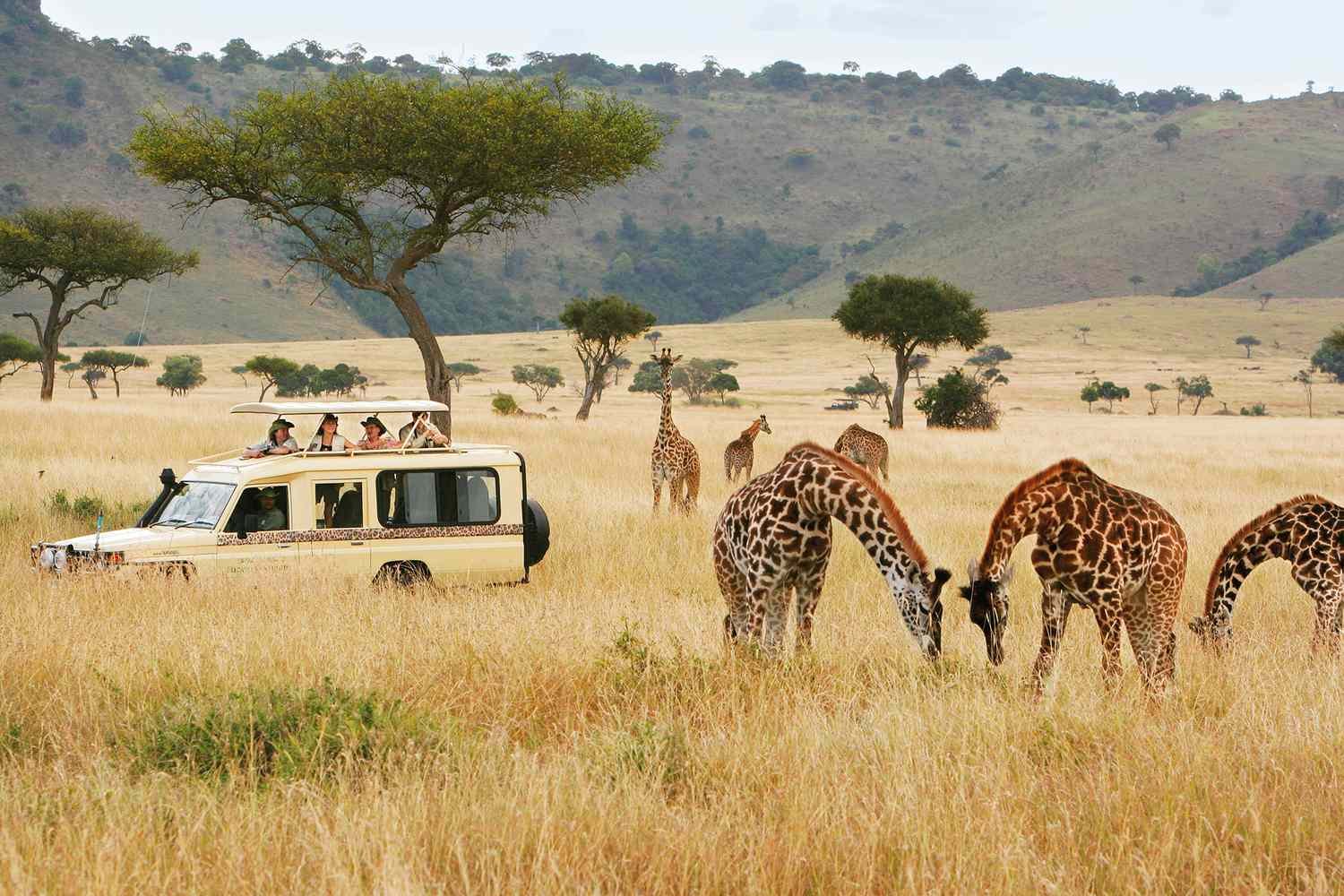
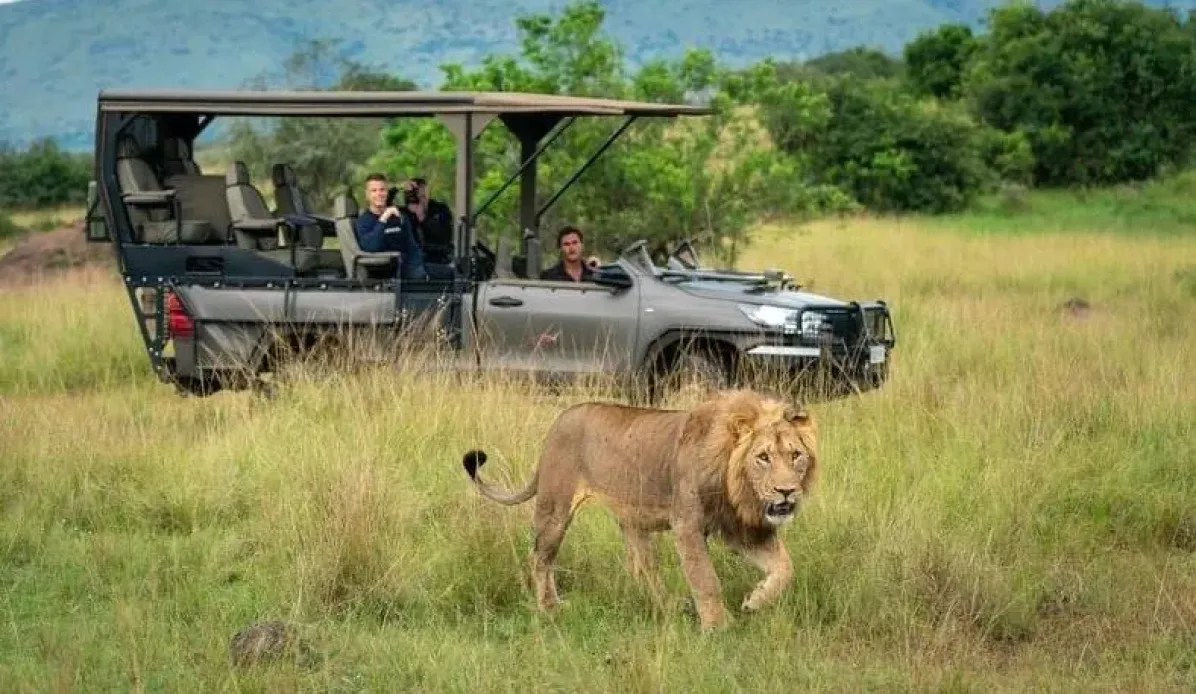
Crater game drives are the main activity — a 4-6 hour descent onto the crater floor in a 4x4 vehicle with pop-up roof. Walking safaris on the crater rim with armed rangers, including the Empakaai Crater rim walk and the Olmoti Crater hike. Cultural visits to Maasai bomas offer insight into traditional pastoral life within the conservation area. Olduvai Gorge Museum visit is a must for anyone interested in human origins — the Leakey family's archaeological discoveries are on display. Birdwatching on the crater floor is excellent, especially around Lake Magadi and Gorigor Swamp. Photography from the crater rim viewpoints (the "crater view" pullouts) offers iconic sunrise shots over the caldera.
Accommodation in Ngorongoro Conservation Area
Ngorongoro offers spectacular accommodation on the crater rim with sunrise views over the caldera. Luxury: Ngorongoro Crater Lodge ($1,200-3,000/night) — arguably Africa's most luxurious safari lodge, andungoro Serena Safari Lodge ($400-700/night). Mid-Range: Ngorongoro Wildlife Lodge ($350-550/night), Kirurumu Ngorongoro Camp ($300-500/night), Rhino Lodge ($200-350/night). Budget: Simba Campsite ($30-50/night), Ngorongoro Campsite ($40-60/night). Most lodges perch on the crater rim, offering spectacular views. Book 6-12 months ahead for peak season (Jul-Oct). No accommodation is permitted on the crater floor.
Ngorongoro Safari Cost & Fees
| Category | Price Per Person/Day | Includes |
|---|---|---|
| Budget | $250 – $400 | Camping, shared vehicle, meals, park fees |
| Mid-Range | $400 – $700 | Lodge/tented camp, private 4x4, meals, guide |
| Luxury | $700 – $1,500 | Premium lodge, private vehicle, gourmet meals |
| Ultra-Luxury | $1,500 – $3,000+ | Exclusive lodges, butler service, spa |
Crater Entry Fee: $70/person/day (non-resident adult), $40 (child 5-15), free (under 5). East African residents pay TZS 30,000/adult/day. Vehicle: $40/day. Guide fee: mandatory — included in most safari packages. Crater descent permits are included in the entry fee. Maximum 6 hours on the crater floor. Prices are per person sharing; single supplements apply.
Frequently Asked Questions about Ngorongoro Crater
Nearby Attractions
Ngorongoro Conservation Area sits at the heart of Tanzania's Northern Safari Circuit with several incredible destinations within reach.
- Olduvai Gorge (within the conservation area) — The "Cradle of Humankind" where the Leakey family discovered 3.7-million-year-old hominid footprints and fossils.
- Serengeti National Park (3-4 hours from the crater) — Tanzania's flagship park featuring the Great Migration of 1.5 million wildebeest, endless plains, and all Big Five.
- Lake Manyara National Park (1.5 hours) — Tree-climbing lions, thousands of flamingos, lush groundwater forest along the Rift Valley escarpment.
- Tarangire National Park (3-4 hours) — Giant elephant herds, ancient baobab trees, and over 550 bird species in an intimate uncrowded setting.
Ngorongoro is the centrepiece of the Northern Circuit. Most visitors combine it with Serengeti, Lake Manyara, and Tarangire for a 5-7 day safari. See our Destination Hub for full packages.
Related Ngorongoro Safari Tours
How to Book Your Ngorongoro Safari
Booking your Ngorongoro safari with African Majestic Adventure is simple:
- Step 1: Choose your preferred itinerary or contact us for a custom plan tailored to your interests.
- Step 2: Get a detailed quote including crater fees, accommodation, transport, meals, and guide — no hidden costs.
- Step 3: Confirm your booking with a 30% deposit. We handle all park reservations, crater permits, and lodging.
- Step 4: Receive your pre-travel briefing, packing list, and safari guide assignment 2 weeks before departure.
- Step 5: Arrive in Tanzania — we meet you at Kilimanjaro or Arusha airport and begin your adventure.
All packages include airport transfers, crater entry fees, game drives, accommodation, meals, and an English-speaking guide. Flights and visas extra. Custom itineraries welcome — contact us for a personalized quote.
.png)