Lake Manyara National Park Tanzania tree climbing lions flamingos safari
Lake Manyara National Park

Lake Manyara National Park: The Ultimate Guide

Discover tree-climbing lions, thousands of flamingos, lush groundwater forests, safari costs, accommodation, and expert travel tips.

Quick Facts

Location

Tanzania, East Africa

Size

330 km² (127 sq mi)

Established

1960

Ecosystem

Groundwater forest, lake, savannah

Best Time

June – October

Nearest Airport

Arusha / Lake Manyara Airstrip

Main Wildlife

Tree-climbing lions, elephants, flamingos, buffalo, giraffes

Famous For

Tree-climbing lions, flamingos, Rift Valley backdrop

Bird Species

400+

What is Lake Manyara National Park?

Lake Manyara National Park is a compact but incredibly diverse wildlife sanctuary in northern Tanzania, covering 330 km² including the alkaline Lake Manyara itself. Established in 1960, the park is sandwiched between the dramatic Rift Valley escarpment (rising 600 metres) and the shimmering soda lake. Despite its small size, it boasts an extraordinary range of habitats — groundwater forest fed by springs from the escarpment, open savannah, acacia woodlands, and swamp. The park is famous for its tree-climbing lions, vast flocks of flamingos, and as the filming location for the opening scene of Out of Africa. It forms part of the Lake Manyara Biosphere Reserve and is a crucial stop on Tanzania's Northern Safari Circuit.

Why Lake Manyara is Famous

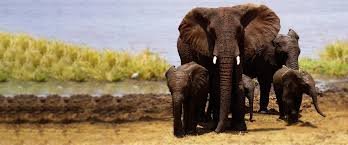
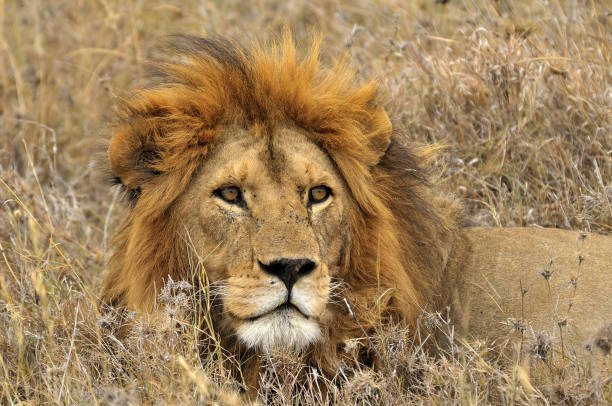
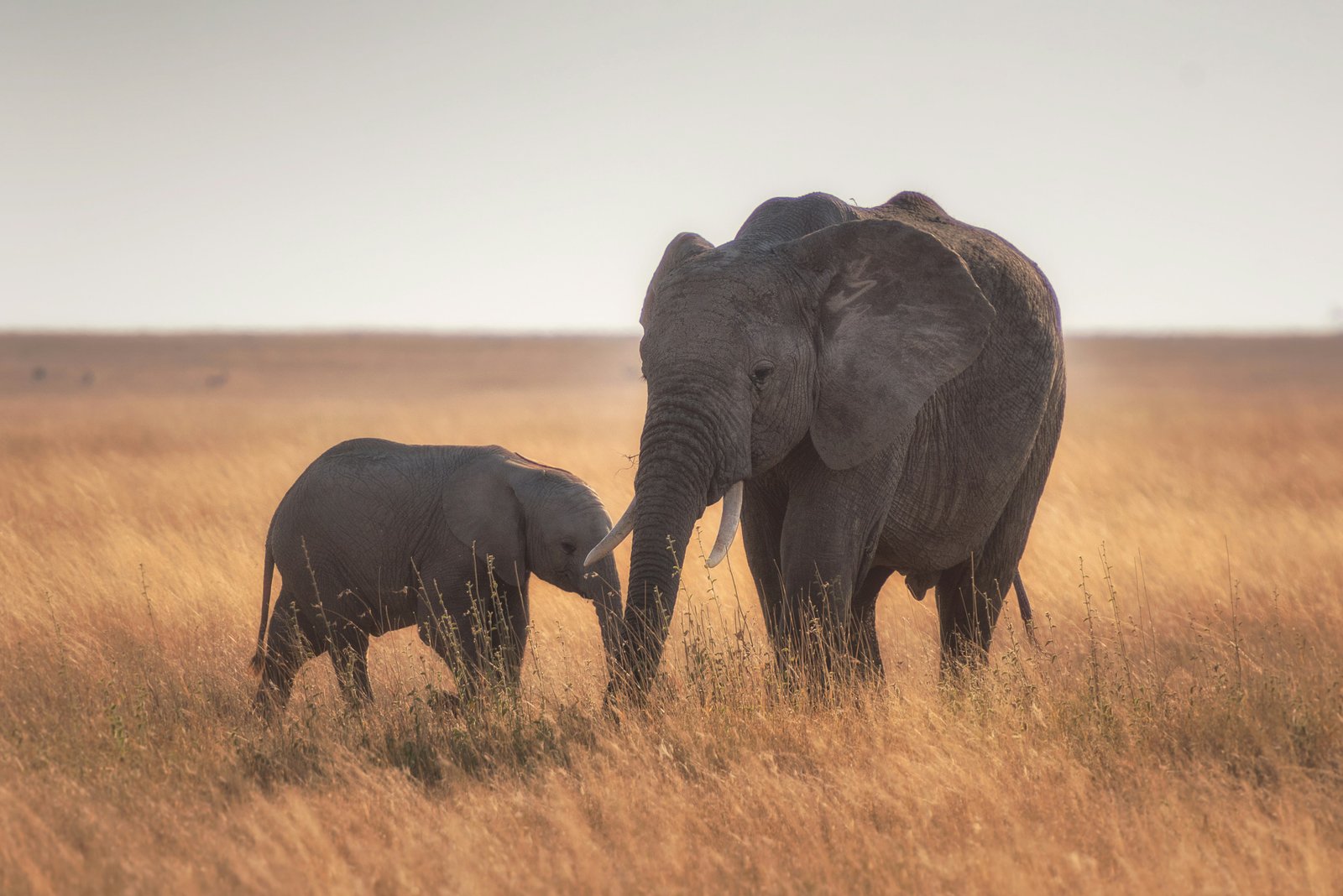
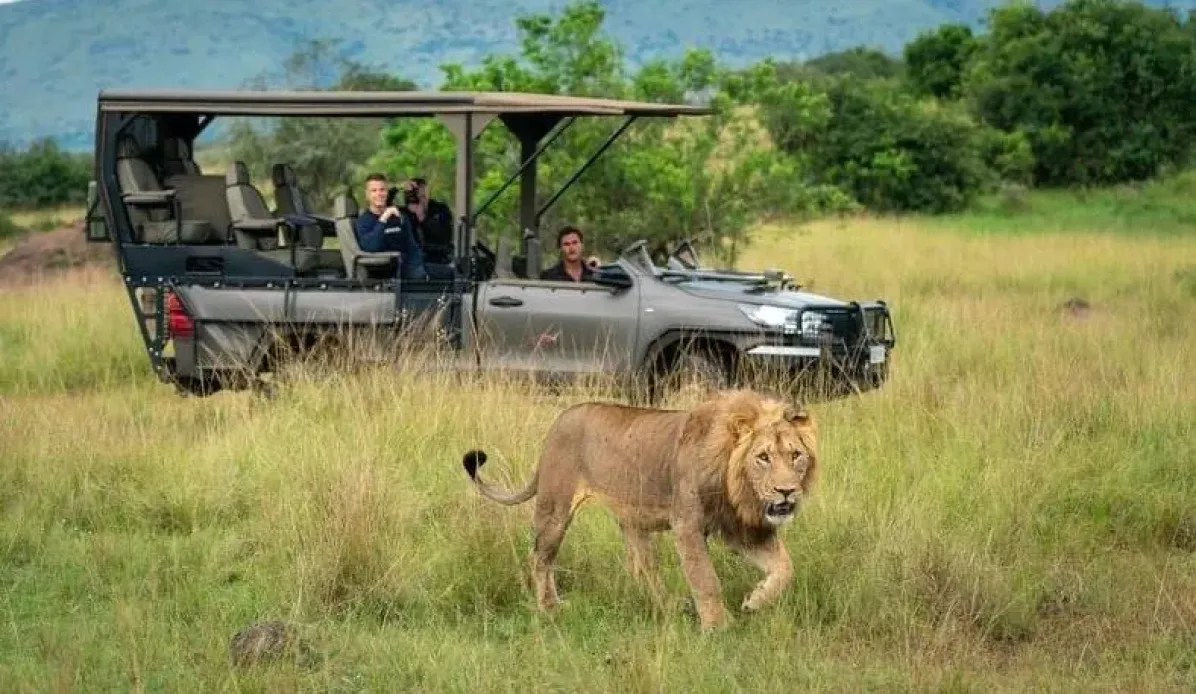
Lake Manyara's fame rests on three unique attractions. First, its tree-climbing lions — one of only two populations in Africa where lions regularly rest in acacia trees, a behaviour thought to be a response to the dense undergrowth and biting flies. Second, the park's groundwater forest is a lush, fig-tree cathedral fed by mineral-rich springs, creating a microclimate that supports vervet monkeys, blue monkeys, and abundant birdlife. Third, the alkaline lake attracts thousands of flamingos (lesser and greater) during the wet season, while the Rift Valley escarpment provides one of Africa's most dramatic park backdrops. The park's elephants are known for their impressive tusks and mud-wallowing habits along the lake shore.

Location and How to Get to Lake Manyara National Park

Lake Manyara National Park is located 126 km west of Arusha, approximately 1.5-2 hours drive along the main Arusha-Dodoma highway (A104). The park is easily accessible and sits directly on the route from Arusha to Ngorongoro Crater and Serengeti, making it a perfect stopover. The main gate is located at the northern end of the park. Charter flights from Arusha or Kilimanjaro International airports land at Lake Manyara Airstrip inside the park. The park has one main entry gate at the north end, and vehicles can continue south through the park to exit via the southern gate during dry season.

Lake Manyara National Park

Northern Tanzania • 126 km from Arusha

-3.5788, 35.9857

Accessible by road (1.5-2 hours from Arusha) or charter flights to Lake Manyara Airstrip.

Open in Google Maps

Lake Manyara Wildlife Guide

Lake Manyara National Park hosts a rich diversity of wildlife across its varied habitats. Key species include:

  • Tree-Climbing Lion (unique population)
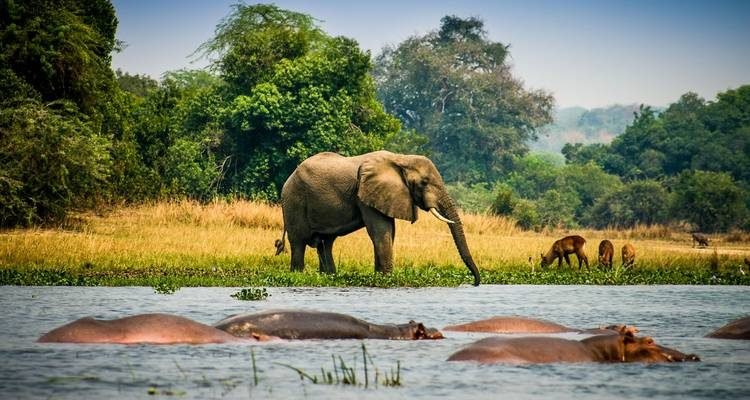
  • African Elephant (large tusks)
  • Cape Buffalo (herds up to 400)
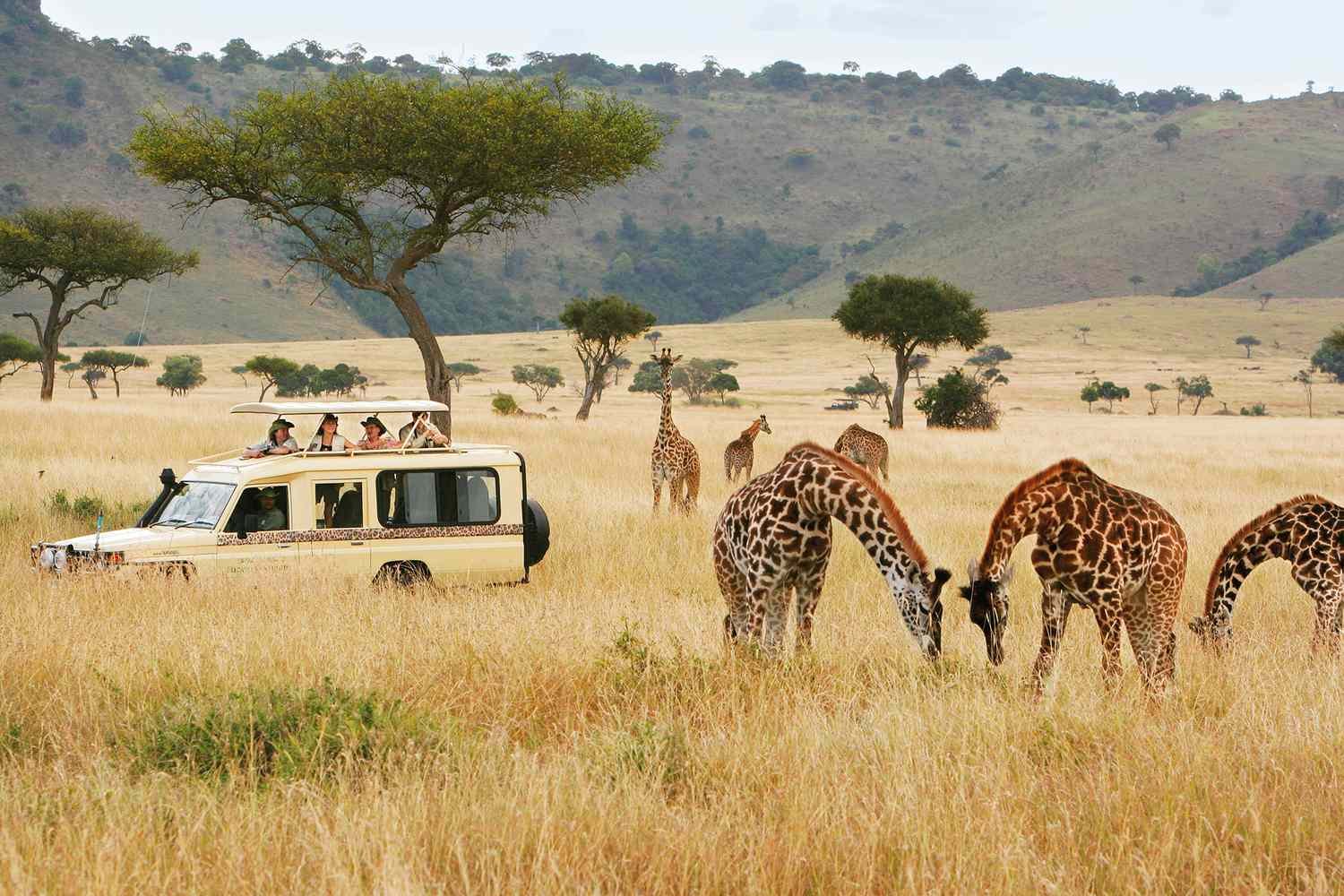
  • Masai Giraffe
  • Plains Zebra
  • Wildebeest
  • Hippopotamus
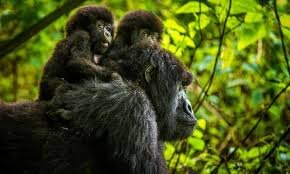
  • Vervet Monkey
  • Blue Monkey
  • Olive Baboon
  • Bushbuck
  • Waterbuck
  • Impala
  • Thomson's Gazelle
  • Grant's Gazelle
  • Warthog
  • Spotted Hyena
  • Leopard (rare)
  • Cheetah (rare, open plains)
  • Lesser Flamingo (thousands)
  • Greater Flamingo
  • Pelican
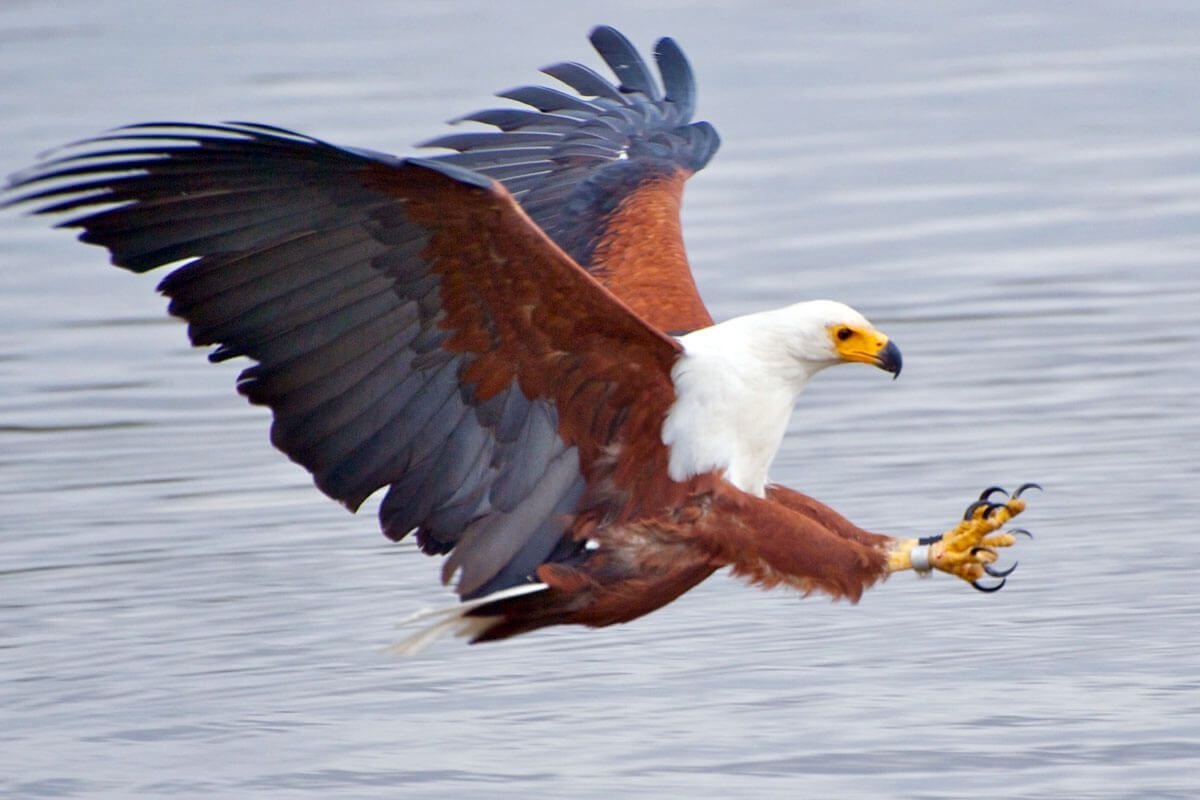
  • African Fish Eagle
  • Marabou Stork

Best spots: Tree-climbing lions in acacia trees near the park entrance, elephants along the lake shore, flamingos at the lake edge, monkeys in the groundwater forest boardwalk.

The Tree-Climbing Lions of Lake Manyara

Lake Manyara is one of only two places in Africa (along with Queen Elizabeth National Park in Uganda) where lions regularly climb and rest in trees. The park's acacia and mahogany trees serve as natural platforms where prides of up to 12 lions sprawl across branches 5-10 metres above ground. Scientists believe this behaviour evolved to escape tsetse flies and biting insects on the ground, to catch cooling breezes, and to gain a vantage point for spotting prey. The best time to see them is during the dry season (June-October) when the foliage is thinner. Morning and late afternoon game drives offer the highest chance of sightings, particularly along the Hippo Pool track and in the park's central acacia woodland.

Best Time to Visit Lake Manyara National Park

MonthSeasonWildlife HighlightsRating
JanGreenFlamingo numbers high. Lush forest canopy. Good birding.★★★★☆
FebGreenExcellent birding. Flamingos still present. Lush scenery.★★★★☆
MarGreen / RainsFlamingos peak. Groundwater forest at its greenest. Fewer tourists.★★★☆☆
AprLong RainsWettest month. Some roads close. Best for birders. Lowest rates.★★☆☆☆
MayLong RainsQuietest period. Good for dedicated birders. Lodges offer discounts.★★☆☆☆
JunDryTree-climbing lion sightings improve. Vegetation thins. Good value.★★★★☆
JulDry / PeakExcellent lion sightings. Elephant herds gather near lake. Peak season begins.★★★★★
AugDry / PeakPeak wildlife viewing. Lions visible in trees. Flamingo numbers lower.★★★★★
SepDry / PeakOutstanding game viewing. Animals concentrate at water sources.★★★★★
OctEnd of dryHot and dry. Animals near permanent water. Good lion sightings.★★★★☆
NovShort RainsGreen season returns. Flamingos return. Good value shoulder period.★★★☆☆
DecShort RainsLush landscapes. Birding excellent. Festive season. Fewer lions in trees.★★★☆☆

★ = Rating based on wildlife viewing quality, tree-lion visibility, crowds, and value. Dry season (Jul-Oct) scores highest for tree-climbing lions.

Safari Activities in Lake Manyara National Park

Classic game drives in 4x4 vehicles depart morning (6:30 AM) and afternoon (3:00 PM), traversing the forest, savannah, and lake shore. The park's canopy walkway near the entrance is a short boardwalk through the groundwater forest canopy — excellent for monkeys and birds. Walking safaris with armed rangers are permitted in designated zones, offering a ground-level forest experience. Boat safaris on Lake Manyara are available during the dry season (usually July-February), providing close-up views of hippos, pelicans, and flamingos. Birdwatching is outstanding year-round with over 400 recorded species. Cultural visits to nearby Mto wa Mbu village offer guided walks through banana plantations and local markets.

Accommodation in Lake Manyara National Park

Lake Manyara offers a range of accommodation from luxury lodges to budget campsites. Luxury: Lake Manyara Serena Safari Lodge ($500-900/night) sits on the escarpment overlooking the lake, Kirurumu Manyara Lodge ($400-800/night) is a tented camp on the escarpment rim. Mid-Range: Lake Manyara Wildlife Lodge ($250-450/night), Twiga Lodge & Camp ($200-350/night), Rhotia Valley Tented Camp ($150-300/night). Budget: Park campsites ($30-50/night), Manyara Bush Camp ($100-200/night). The park is small and can be visited as a day trip from Arusha, but an overnight stay allows evening game drives.

Lake Manyara Safari Cost & Fees

CategoryPrice Per Person/DayIncludes
Budget$200 – $300Camping, shared vehicle, meals, park fees
Mid-Range$300 – $500Lodge/tented camp, private 4x4, meals, guide
Luxury$500 – $900Premium lodge, private vehicle, gourmet meals
Ultra-Luxury$900 – $2,000+Exclusive camps, butler service, spa, private chef

Park Entry Fee: $45/person/day (non-resident adult), $20 (child 5-15), free (under 5). East African residents pay TZS 15,000/adult/day. Vehicle: $40/day. Boat safari: $30-50/person. Walking safari included with entry. Prices are per person sharing; single supplements apply. Lake Manyara works well as a half-day or full-day stop on the way to Ngorongoro.

Frequently Asked Questions about Lake Manyara National Park

How many days do I need in Lake Manyara?
A half-day game drive is enough for a quick visit. For a thorough experience including the canopy walkway and boat safari, plan for 1-2 days.
Can I see tree-climbing lions in Lake Manyara?
Yes — Lake Manyara is one of only two places in Africa where lions regularly climb trees. Best seen June-October in acacia trees near the entrance.
Are there flamingos in Lake Manyara?
Yes, thousands of lesser and greater flamingos feed on the alkaline lake, especially January-April when water levels are optimal.
Is Lake Manyara worth visiting?
Absolutely. Its compact size, diverse habitats, tree-climbing lions, and location on the Northern Circuit make it a perfect 1-day stop en route to Ngorongoro.
How much does a Lake Manyara safari cost?
Budget $200-300/day, mid-range $300-500/day, luxury $500-900/day. Entry fee is $45/adult/day, plus $40 vehicle fee.
What is the entry fee for Lake Manyara?
Non-resident adults $45/day, children 5-15 $20, under 5 free. East African residents pay TZS 15,000/day.
Can I combine Lake Manyara with Ngorongoro?
Yes — Lake Manyara is 1.5 hours from Arusha, 1.5 hours from Ngorongoro, and 4-5 hours from Serengeti, making it a perfect stopover.
How do I get to Lake Manyara?
1.5-2 hour drive from Arusha on the A104 highway. Charter flights from Arusha to Lake Manyara Airstrip.
What should I pack for Lake Manyara?
Light clothing, warm layer for dawn, hat, sunscreen, insect repellent, binoculars, camera with zoom lens, and a reusable water bottle.
Do I need a visa for Tanzania?
Most nationalities require a tourist visa. Apply via the Tanzania eVisa portal before travel or obtain a visa on arrival. Single entry visa costs $50 USD.

Nearby Attractions

Lake Manyara National Park is perfectly positioned on the Northern Safari Circuit between Arusha and the Ngorongoro Highlands.

  • Ngorongoro Crater (1.5 hours) — UNESCO World Heritage Site and Africa's Garden of Eden, home to the Big Five inside an extinct volcanic caldera.
  • Tarangire National Park (1.5 hours south) — Giant elephant herds, ancient baobab trees, and over 550 bird species in an intimate uncrowded setting.
  • Serengeti National Park (4-5 hours) — Tanzania's flagship park featuring the Great Migration of 1.5 million wildebeest and all Big Five species.
  • Lake Natron (4 hours north) — Soda lake and breeding ground for lesser flamingos, with Ol Doinyo Lengai active volcano nearby.

Lake Manyara is the perfect first stop on a Northern Circuit safari. Most itineraries combine it with Ngorongoro Crater, Serengeti, and Tarangire. See our Destination Hub for full packages.

Related Lake Manyara Safari Tours

How to Book Your Lake Manyara Safari

Booking your Lake Manyara safari with African Majestic Adventure is simple. Here's how it works:

  • Step 1: Choose your preferred itinerary or contact us for a custom plan tailored to your schedule.
  • Step 2: Get a detailed quote including park fees, accommodation, transport, meals, and guide services — no hidden costs.
  • Step 3: Confirm your booking with a 30% deposit. We handle all park reservations, lodging, and permits.
  • Step 4: Receive your pre-travel briefing, packing list, and safari guide assignment 2 weeks before departure.
  • Step 5: Arrive in Tanzania — we meet you at the airport and begin your adventure.

All our safaris include airport transfers, park entry fees, game drives, accommodation, meals, and an English-speaking guide. International flights and visas are not included. Custom itineraries are welcome — contact us for a personalized quote.

Ready to Experience Lake Manyara National Park?

From tree-climbing lions to thousands of flamingos, Lake Manyara is waiting. Our local safari experts are ready to create your unforgettable Tanzania adventure.

👋 Hello!
Welcome to African Majestic Adventure!
Ready to plan your dream safari?
Chat with us now!