.png)
Your Complete Gombe Safari Planner
What is Gombe Stream National Park?
Gombe Stream National Park is one of Tanzania's smallest national parks, covering just 52 km² along the eastern shore of Lake Tanganyika in western Tanzania. Despite its size, Gombe is one of the most famous protected areas in the world thanks to Dr. Jane Goodall, who began her groundbreaking chimpanzee research there in 1960. The park comprises a narrow strip of rugged, forested hills, steep river valleys, and pristine lake shoreline. Its dense tropical rainforest is home to approximately 100 habituated chimpanzees spread across several communities that can be visited by trekkers. Gombe offers an intimate, immersive wildlife experience unlike any other in Africa — there are no roads, no large lodges, and no crowds. You explore the forest on foot, following chimpanzees through the canopy, swimming in Lake Tanganyika, and experiencing the raw beauty of a place that has changed our understanding of what it means to be human.
Why Gombe Stream National Park is Famous
Gombe's global fame rests on one name: Jane Goodall. In July 1960, a young Englishwoman with no formal scientific training arrived at Gombe to study wild chimpanzees, a project that continues to this day as the longest-running continuous study of any animal in the wild. Goodall's discoveries — that chimpanzees use tools, hunt for meat, have complex social hierarchies, and exhibit emotions like joy and grief — revolutionised primatology and changed the way humanity sees itself. The park's chimpanzee communities, named the Kasekela, Mitumba, and Kalande groups, have been continuously observed for over six decades. Beyond the research, Gombe is famous for its breathtaking setting on the shores of Lake Tanganyika — the world's longest freshwater lake — with its crystal-clear waters, sandy beaches, and spectacular sunsets. The park also protects a remarkable diversity of primates, including olive baboons, red colobus monkeys, and blue monkeys, making it one of the best places in Africa for primate viewing.
Location and How to Get to Gombe Stream National Park
Gombe Stream National Park is located in western Tanzania, 20 km north of the lakeside town of Kigoma, on the eastern shore of Lake Tanganyika. Reaching Gombe is an adventure in itself. The most common route is to fly from Dar es Salaam or Arusha to Kigoma Airport (1.5-2 hours), then take a boat from Kigoma to the park entrance — a scenic 1-2 hour ride across Lake Tanganyika. Charter flights directly to the park's airstrip near the park headquarters can also be arranged. By road, the journey from Dar es Salaam to Kigoma takes approximately 12-14 hours on the B6 highway (partly tarmac, partly gravel). Once at the park, there are no roads — all exploration is done on foot via a network of forest trails. The park's remoteness is part of its magic, ensuring an exclusive and tranquil experience far from the crowds found in northern Tanzania's safari circuits.
Gombe Stream National Park Wildlife Guide
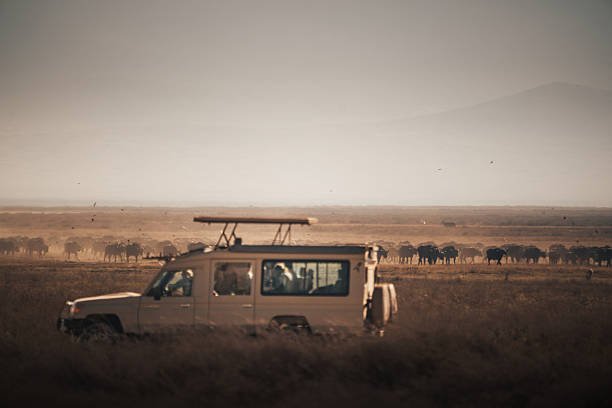
Gombe Stream National Park hosts a rich diversity of wildlife concentrated in its forested valleys and lake shore. Key species include:
- Chimpanzee
- Olive Baboon
- Red Colobus Monkey
- Red-tailed Monkey
- Blue Monkey
- Bushbuck
- Bushpig
- African Civet
- Genet
- Squirrel
- Dwarf Mongoose
- Monitor Lizard
- Hippopotamus
- Crocodile
- Fish Eagle
- Palm-nut Vulture
- African Goshawk
- Hornbill
- Sunbird
- Kingfisher
- Weaver Bird
- Pied Crow
Best spots: Chimpanzees follow their food sources through the forest — your guide will track them via radio. Red colobus and baboons are common along the lake shore trail. Hippos and crocodiles can be seen near the park's river mouths.
Gombe Stream National Park Gallery
The Gombe Chimpanzee Trekking Experience
Chimpanzee trekking is the ultimate reason to visit Gombe Stream National Park, and it offers an experience unlike any other primate trek in Africa. Unlike gorilla trekking in Rwanda or Uganda, where you are allocated one hour with a specific group, Gombe allows you to spend the entire day with the chimpanzees, following them as they move through the forest. Your day begins early — typically 6:00 AM — when your experienced guide and a tracker set off into the forest with a radio receiver. The chimpanzees of Gombe are fully habituated to human presence, thanks to over 60 years of continuous research. Once located, you sit quietly and watch as they go about their daily lives — grooming each other, foraging for fruits, play-chasing juveniles, and occasionally hunting red colobus monkeys.
The trekking can be physically demanding — Gombe's steep valleys and dense vegetation require a good level of fitness. Walks can last anywhere from 2 to 6 hours depending on where the chimps have spent the night and where they are feeding. But the reward is extraordinary: sitting just metres away from a wild chimpanzee as it looks you in the eye, you feel a connection that transcends species. The park has three habituated communities: the Kasekela group (the largest, with around 55 individuals), the Mitumba group (about 25 individuals), and the Kalande group (smaller, approximately 15 individuals). Trekkers are assigned to a community based on availability and recent tracking data. Each group has its own unique personalities, hierarchies, and stories that your guide will share with you. The experience is intimate, emotional, and utterly unforgettable.
Best Time to Visit Gombe Stream National Park
| Month | Season | Wildlife Highlights | Rating |
|---|---|---|---|
| Jan | Green | Lush forests. Good chimp trekking. Fewer tourists. | ★★★★☆ |
| Feb | Green | Excellent chimp viewing. Green season rates. Warm weather. | ★★★★☆ |
| Mar | Green / Rains | Chimps in lower valleys. Forests at their most lush. | ★★★☆☆ |
| Apr | Long Rains | Wettest month. Trails can be slippery. Best for keen birders. | ★★☆☆☆ |
| May | Long Rains | Quietest period. Low rates. Chimps stay in forest canopy. | ★★☆☆☆ |
| Jun | Dry | Trails improving. Chimp trekking conditions good. | ★★★★☆ |
| Jul | Dry / Peak | Peak season. Chimps concentrate near fruiting trees. Excellent trekking. | ★★★★★ |
| Aug | Dry / Peak | Peak chimp trekking. Best visibility in the forest. Warm days. | ★★★★★ |
| Sep | Dry / Peak | Outstanding trekking. Chimps easy to locate near water sources. | ★★★★★ |
| Oct | End of dry | Hot and humid. Good trekking continues. Fewer peak-season crowds. | ★★★★☆ |
| Nov | Short Rains | Green season returns. Forest rejuvenates. Migrant birds arrive. | ★★★☆☆ |
| Dec | Short Rains | Lush landscapes. Good chimp viewing. Festive season visits. | ★★★☆☆ |
★ = Rating based on chimp trekking conditions, trail accessibility, weather comfort, birding, and value. Dry season (Jul-Oct) scores highest for chimp viewing.
Safari Activities in Gombe Stream National Park
Chimpanzee trekking is the primary activity, with daily walks led by expert guides and researchers. You typically spend 2-6 hours following a habituated chimp community through the forest. Lake Tanganyika swimming and kayaking offers a refreshing break after a morning trek — the lake's crystal-clear waters are ideal for a midday dip, and kayaking along the shore provides stunning views of the escarpment. Snorkelling in Lake Tanganyika reveals an extraordinary world of colourful cichlid fish — the lake is home to over 250 species, 99% of which are endemic. Guided forest walks focus on Gombe's other wildlife — red colobus monkeys, baboons, butterflies, and the park's 200+ bird species including fish eagles, palm-nut vultures, and crowned hornbills. Cultural visits to nearby fishing villages along the lake shore provide insight into the traditional ways of life of the Watongwe people. Sunset boat rides on Lake Tanganyika are a magical way to end the day, with the sun setting behind the Congolese mountains across the lake.
Accommodation in Gombe Stream National Park
Gombe offers limited but charming accommodation options, reflecting its remote and intimate character. Luxury: Gombe Forest Lodge ($450-900/night) is the park's only upscale option, offering six spacious tented rooms overlooking Lake Tanganyika with en-suite bathrooms, private verandas, and restored 1950s charm. Mid-Range: Jane Goodall's old research camp has been converted into basic guesthouses ($100-200/night) managed by TANAPA, offering simple but comfortable rooms with shared facilities right on the lake shore. Budget: The park's public campsite ($20-30/night) is perfect for self-sufficient travellers — basic but spectacularly located on the beach. Most visitors prefer to stay at a lodge in Kigoma town ($50-150/night) and boat to the park each day, which provides more dining and service options. Booking well in advance is essential as Gombe has limited beds and high demand.
Gombe Stream National Park Safari Cost & Fees
| Category | Price Per Person/Day | Includes |
|---|---|---|
| Budget | $150 – $250 | Camping, boat transfers, meals, guide |
| Mid-Range | $250 – $450 | Lodge/guesthouse, boat transfers, chimp permit, guide |
| Luxury | $450 – $900 | Gombe Forest Lodge, private guide, all meals, boat |
| Ultra-Luxury | $900 – $1,500 | Exclusive use of lodge, private researcher guide, premium services |
Park Entry Fee: $35/person/day (non-resident adult), $15 (child 5-15), free (under 5). Chimpanzee Trekking Permit: $100/person/day (highly recommended to pre-book). Boat Transfer from Kigoma: $80-120 per boat (up to 6 people). Guide Fee: $20-30/day per group. Note that Gombe is one of Tanzania's most expensive parks per day due to the remote logistics — the combination of flights, boat transfers, and permits adds up, but the experience is truly once-in-a-lifetime. Contact us for package rates that include all logistics.
Frequently Asked Questions about Gombe Stream National Park
Nearby Attractions
Gombe Stream National Park is located in western Tanzania's remote but fascinating region, with several outstanding destinations within reach.
- Mahale Mountains National Park (3-4 hours south by boat) — Another premier chimpanzee trekking destination with the added beauty of the Mahale Mountains rising from Lake Tanganyika's shore. Home to the Mimikire chimp community.
- Katavi National Park (distant, charter flight required) — Tanzania's third-largest park, a remote wilderness of floodplains, massive buffalo herds, and some of Africa's highest concentrations of crocodiles and hippos.
- Kigoma Town (20 km south) — The historic port town on Lake Tanganyika, departure point for Gombe and Mahale. Visit the railway station museum, local markets, and Dr. Livingstone's memorial at Ujiji.
- Lake Tanganyika — The world's longest freshwater lake (673 km), second deepest, and one of the most biodiverse. Swim, kayak, or take a sunset dhow cruise on its crystal-clear waters between Gombe and Mahale.
- Ujiji (near Kigoma) — The historic site where Henry Morton Stanley famously uttered "Dr. Livingstone, I presume?" in 1871. Visit the Livingstone Memorial Museum and the iconic mango tree.
Gombe is the gateway to Tanzania's wild western circuit. Combine with Mahale Mountains for the ultimate chimp trekking experience, or extend to Katavi for raw wilderness. See our Destination Hub for full packages.
Related Gombe Stream National Park Safari Tours
3 Days Gombe Chimp Trekking
Experience the ultimate chimp trekking adventure including boat transfers from Kigoma, two full days of forest walks with Gombe's habituated chimpanzees, and Lake Tanganyika swimming.
View Tour7 Days Gombe & Mahale Chimp Safari
Combine Tanzania's two premier chimp trekking destinations. Trek with Gombe's Kasekela and Mahale's Mimikire communities. Boat transfers on Lake Tanganyika throughout.
View Tour
10 Days Western Tanzania Adventure
Explore Gombe, Mahale Mountains, and Katavi National Park. Chimpanzee trekking, game drives, Lake Tanganyika kayaking, and the remote wilderness of Katavi's floodplains.
View TourHow to Book Your Gombe Stream National Park Safari
Booking your Gombe safari with African Majestic Adventure is simple. Here's how it works:
- Step 1: Choose your preferred itinerary or contact us for a custom plan tailored to your schedule.
- Step 2: Get a detailed quote including park fees, accommodation, transport, meals, and guide services — no hidden costs.
- Step 3: Confirm your booking with a 30% deposit. We handle all park reservations, chimp permits, and lodging.
- Step 4: Receive your pre-travel briefing, packing list, and safari guide assignment 2 weeks before departure.
- Step 5: Arrive in Tanzania — we meet you at the airport or your Kigoma hotel and begin your adventure.
All our safaris include airport transfers, park entry fees, chimp trekking permits, accommodation, meals, and an English-speaking guide. International flights and visas are not included. Custom itineraries are welcome — contact us for a personalized quote.