.png)
Your Complete Kigosi Safari Planner
What is Kigosi National Park?
Kigosi National Park is one of Tanzania's newest and most remote national parks, gazetted in 2012 and spanning an immense 7,000 km² of pristine miombo woodland, seasonal wetlands, and vast floodplains in western Tanzania. Located within the Tabora Region, Kigosi protects a significant portion of the Malagarasi River system — Tanzania's second-largest river catchment. The park is one of the least visited in the country, offering a truly untouched wilderness experience for those seeking solitude and raw Africa. Kigosi is renowned for its large herds of buffalo, healthy populations of sable and roan antelope, and one of Tanzania's most important strongholds for the endangered African wild dog. The park's remote location and limited infrastructure mean visitors are rewarded with exclusive game-viewing amid landscapes that have remained virtually unchanged for centuries.
Why Kigosi National Park is Famous
Kigosi National Park is famous for being one of Tanzania's last true wilderness frontiers. It is celebrated as a premier destination for African wild dog sightings — the park and its adjacent Ugalla River ecosystem form one of the most important wild dog conservation areas in East Africa. Kigosi's vast Malagarasi wetlands are a haven for waterbirds, including the prehistoric shoebill, while its miombo woodlands support impressive populations of sable, roan, greater kudu, and eland. The park's buffalo herds rival those of Katavi in size, and the extensive floodplain system attracts large numbers of elephant and hippo during the dry season. Its extreme remoteness — few roads, no permanent lodges, and very low visitor numbers — makes Kigosi one of the purest safari experiences available anywhere in Africa. For the dedicated wildlife enthusiast, Kigosi represents the ultimate off-the-beaten-path adventure.
Location and How to Get to Kigosi National Park
Kigosi National Park is located in western Tanzania's Tabora Region, approximately 100 km north of the regional capital Tabora and extending toward the Malagarasi River basin. Access is challenging and requires careful planning. The most practical way to reach Kigosi is by chartered flight from Arusha, Dar es Salaam, or Kigoma to one of the park's bush airstrips (typically the Kigosi airstrip or chartered landings on suitable dry-season strips). By road, Kigosi is a serious expedition — approximately 900 km from Arusha (2 days drive) or 350 km from Kigoma (5-6 hours). The park is accessible only during the dry season (June-October) when river crossings are passable. Most visitors combine Kigosi with the adjacent Ugalla River National Park for a comprehensive western Tanzania wilderness safari. A 4x4 vehicle and experienced driver-guide are essential.
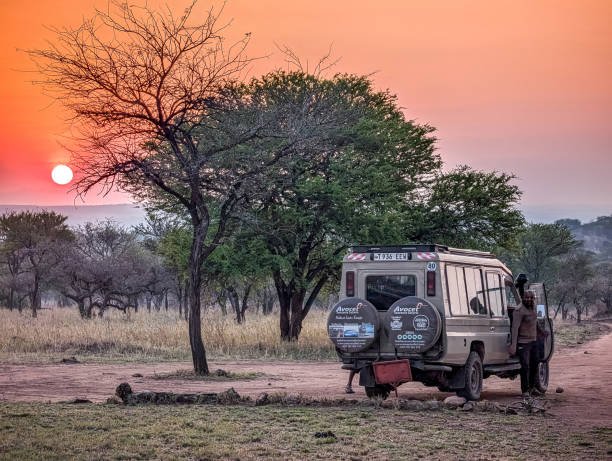
Kigosi National Park Wildlife Guide
Kigosi National Park supports a remarkable diversity of wildlife across its miombo woodlands, wetlands, and floodplains. Key species include:
- Buffalo
- Elephant
- Sable Antelope
- Roan Antelope
- African Wild Dog
- Lion
- Leopard
- Spotted Hyena
- Hippopotamus
- Crocodile
- Zebra
- Eland
- Greater Kudu
- Waterbuck
- Sitatunga
- Bushbuck
- Warthog
- Baboon
- Shoebill
- African Fish Eagle
- Goliath Heron
- Saddle-billed Stork
Best spots: The Malagarasi wetlands for waterbirds and sitatunga at dawn, miombo woodlands for sable and roan, open floodplains for buffalo and elephant herds, and the river channels for wild dog sightings at dusk.
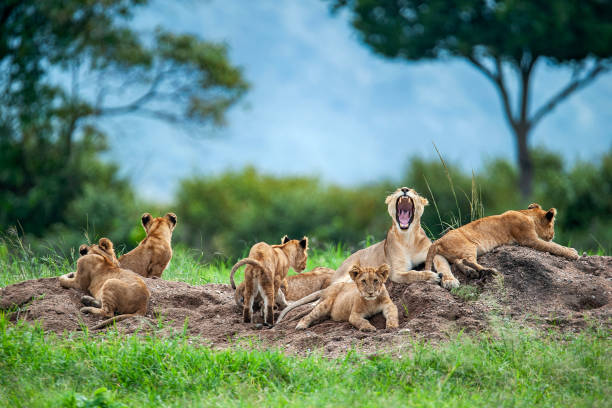
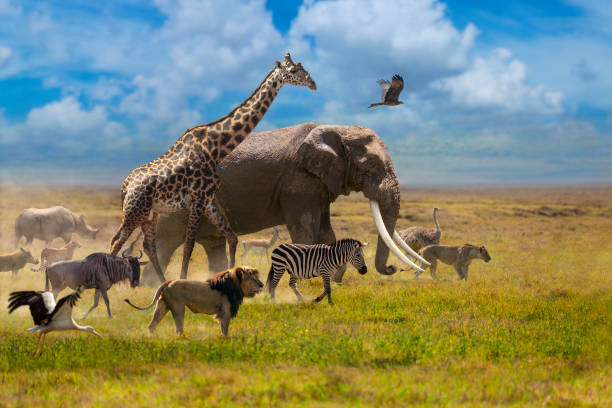
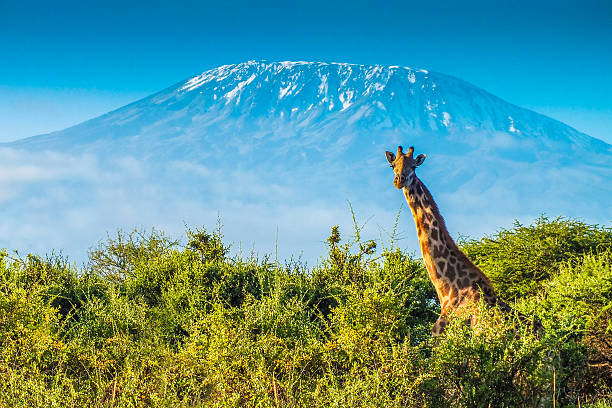
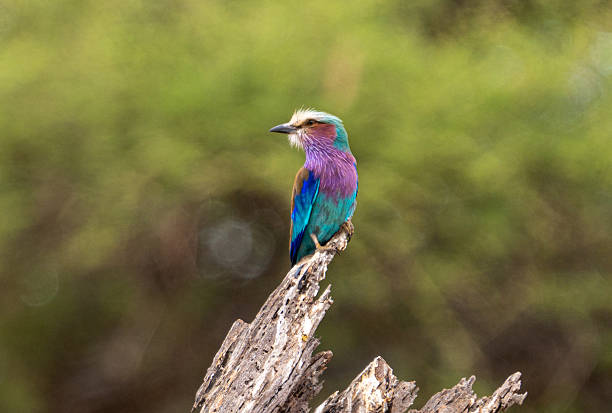
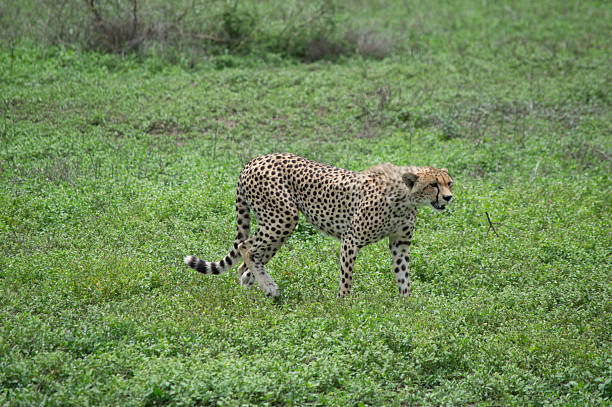
Kigosi National Park Gallery

The Malagarasi Wetlands & Waterways
The Malagarasi River system is the lifeblood of Kigosi National Park and one of Tanzania's most important wetland ecosystems. As the second-largest river catchment in the country, the Malagarasi flows through the heart of Kigosi, creating an intricate network of seasonal floodplains, oxbow lakes, papyrus swamps, and riverine forests. During the dry season (June-October), the receding waters concentrate wildlife along the remaining channels and pools, creating spectacular game-viewing opportunities. The wetlands are a paradise for birdwatchers — shoebill, Goliath heron, saddle-billed stork, African fish eagle, and countless migratory waterbirds thrive here. The papyrus swamps and stagnant backwaters provide habitat for the elusive sitatunga, a semi-aquatic antelope perfectly adapted to life in the wetlands. Exploring the Malagarasi waterways by boat offers a unique perspective on this untamed landscape, with hippo pods, crocodiles basking on sandbars, and elephants wading through the shallows. The Malagarasi wetlands represent one of Africa's last great unexplored aquatic wildernesses, and Kigosi offers rare access to this pristine environment.
Best Time to Visit Kigosi National Park
| Month | Season | Wildlife Highlights | Rating |
|---|---|---|---|
| Jan | Green | Lush landscapes. Fewer animals scattered. Good birding. Very few tourists. | ★★★☆☆ |
| Feb | Green | Wildlife dispersed. Birding excellent. Quiet season with low rates. | ★★★☆☆ |
| Mar | Green / Rains | Peak green season. Good for birders. Some roads may be challenging. | ★☄☆☆☆ |
| Apr | Long Rains | Heavy rains. Park quiet. Difficult access. Lowest rates available. | ★☄☆☆☆ |
| May | Long Rains | Rains easing. Animals beginning to congregate. Good for keen birders. | ★★☆☆☆ |
| Jun | Dry | Dry season begins. Wildlife concentrates along waterways. Prime time. | ★★★★☆ |
| Jul | Dry / Peak | Excellent game viewing. Large herds gather. Peak season for remote camps. | ★★★★★ |
| Aug | Dry / Peak | Best month for wetland wildlife concentrations. Perfect weather. | ★★★★★ |
| Sep | Dry / Peak | Outstanding game viewing across floodplains. Hot days, clear skies. | ★★★★★ |
| Oct | End of dry | Hottest month. Wildlife intensely concentrated near remaining water. Dramatic scenes. | ★★★★★ |
| Nov | Short Rains | Rains arrive. Scattered wildlife. Green season returns. Good value period. | ★★★☆☆ |
| Dec | Short Rains | Lush landscapes return. Fewer visitors. Birding picks up. Festive season. | ★★★☆☆ |
★ = Rating based on wildlife viewing quality, concentration of game, accessibility, and value. Dry season (July-October) is unquestionably the best time for Kigosi.
Safari Activities in Kigosi National Park
Game drives are the primary activity, traversing the vast miombo woodlands, open floodplains, and wetlands in search of Kigosi's exceptional wildlife. The park's limited road network means you are unlikely to see other vehicles — exclusivity is guaranteed. Walking safaris with armed rangers are particularly rewarding in Kigosi's remote wilderness, allowing you to track wildlife on foot and learn about the miombo ecosystem. Boat safaris along the Malagarasi River and its tributaries offer a unique perspective on the wetlands — hippos, crocodiles, elephants, and incredible birdlife are best viewed from the water. Birdwatching is outstanding with over 400 species recorded, including the sought-after shoebill, Goliath heron, and Pel's fishing owl. Photography opportunities are exceptional — the untouched landscapes and concentrated wildlife provide endless inspiration. Fly camping (mobile tented camping under the stars) is an unforgettable way to experience Kigosi's raw wilderness, sleeping in the bush with only the sounds of the African night.
Accommodation in Kigosi National Park
Kigosi National Park is extremely remote and currently has very limited accommodation options, reflecting its status as one of Tanzania's least-developed parks. Most visitors stay at seasonal mobile camps or fly-camp sites organized through specialist tour operators. Luxury: Exclusive-use mobile tented camps can be arranged on request ($600-1,200/night), featuring full-service guiding, gourmet dining, and custom safari experiences. Mid-Range: Basic tented camps with en-suite facilities are available through select operators during the dry season ($300-500/night). Budget: The park offers basic public campsites ($50-100/night) with minimal facilities. Most accommodation is seasonal (June-October). Contact us for current availability and rates.
Kigosi National Park Safari Cost & Fees
| Category | Price Per Person/Day | Includes |
|---|---|---|
| Budget | $300 – $450 | Public campsite, shared 4x4, meals, park fees |
| Mid-Range | $450 – $700 | Tented camp, private 4x4, all meals, guide |
| Luxury | $700 – $1,200 | Premium tented suite, private vehicle, gourmet meals |
| Ultra-Luxury | $1,200 – $2,000 | Exclusive mobile camp, butler service, private chef, fly-camping |
Park Entry Fee: Non-resident adults $50/person/day, children 5-15 $25, under 5 free. Vehicle Fee: $40/day. Walking Safari: Included with entry (with ranger). Charter Flight: $350-600/person each way from Arusha. Kigosi is a premium destination due to its remote location and limited access, but the unfiltered wilderness experience is truly priceless.
Frequently Asked Questions about Kigosi National Park
Nearby Attractions
Kigosi National Park is part of Tanzania's remote western safari circuit, offering access to other unique destinations.
- Ugalla River National Park (adjacent north) — Pristine miombo wilderness along the Ugalla River, renowned for wild dog, roan antelope, and untouched landscapes. Often combined with Kigosi.
- Katavi National Park (5 hours drive) — Tanzania's wildest park, famous for the Katuma River, massive hippo and buffalo herds, and remote floodplains.
- Malagarasi River — The second-largest river catchment in Tanzania, this vast wetland system flows through Kigosi and supports incredible biodiversity, including shoebill and sitatunga.
- Mahale Mountains National Park (5-6 hours drive) — Home to the Mimikire chimpanzee group, crystal-clear Lake Tanganyika, and stunning white sandy beaches.
- Lake Tanganyika (accessible from Kigoma, 5 hours drive) — The world's second-deepest lake, offering swimming, kayaking, and cultural visits to local fishing villages.
Kigosi is often combined with Ugalla River and Katavi for a 10-14 day western Tanzania safari. See our Destination Hub for package details.
Related Kigosi Safari Tours
8 Days Western Tanzania Wilderness Safari
Combine Kigosi National Park with Ugalla River for the ultimate remote miombo experience. Fly-in safari with expert guides, game drives, and walking safaris.
View Tour12 Days Kigosi, Ugalla & Katavi Combo
Three of Tanzania's wildest parks combined — Kigosi's wetlands, Ugalla's miombo, and Katavi's floodplains. Premium guiding and exclusive mobile camping.
View Tour14 Days Ultimate Western Circuit
Explore Kigosi, Ugalla, Katavi, and Mahale Mountains. Game drives, boat safaris, chimp trekking, Lake Tanganyika beaches, and fly-camping in remote wilderness.
View TourHow to Book Your Kigosi National Park Safari
Booking your Kigosi safari with African Majestic Adventure is simple. Here's how it works:
- Step 1: Choose your preferred itinerary or contact us for a custom plan tailored to your schedule.
- Step 2: Get a detailed quote including park fees, accommodation, transport, meals, charter flights, and guide services — no hidden costs.
- Step 3: Confirm your booking with a 30% deposit. We handle all park reservations, lodging, and permits.
- Step 4: Receive your pre-travel briefing, packing list, and safari guide assignment 2 weeks before departure.
- Step 5: Arrive in Tanzania — we meet you at the airport and begin your adventure.
All our safaris include airport transfers, park entry fees, game drives, accommodation, meals, and an English-speaking guide. Charter flights and visas are not included. Custom itineraries are welcome — contact us for a personalized quote.