.png)
Your Complete Kitulo Safari Planner
What is Kitulo National Park?
Kitulo National Park is a unique protected area in Tanzania's Southern Highlands, covering 413 km² of montane grassland and afro-alpine moorland at elevations between 2,400 and 3,000 metres. Established in 2005, Kitulo is the first national park in East Africa to be gazetted primarily for its floral biodiversity rather than its large mammal populations. The park is famously known as the "Serengeti of Flowers", a name that perfectly captures its extraordinary seasonal displays of wildflowers — vast rolling meadows that explode into colour during the rainy season with more than 350 species of vascular plants, including over 40 species of terrestrial orchids. The park is located on the Kitulo Plateau, a vast grassy plain surrounded by the dramatic peaks of the Livingstone Mountains and Mount Rungwe, creating a landscape of breathtaking beauty.
Kitulo is a botanist's dream destination and a critical refuge for some of Africa's rarest plant species. The park forms part of the Eastern Afromontane Biodiversity Hotspot and is recognised by BirdLife International as an Important Bird Area, hosting populations of the endangered Denham's bustard and the blue swallow, among many other species. The park's cool, temperate climate — with temperatures rarely exceeding 20°C even at midday — provides a refreshing contrast to the heat of the lowland parks. Kitulo's cultural landscape is equally fascinating, with the surrounding highlands inhabited by the Nyakyusa, Ndali, and Kinga peoples, whose traditional farming practices have shaped the region for centuries. For those seeking a completely different Tanzania experience — one of flowers, birds, and cool mountain air — Kitulo is an unforgettable destination.
Why Kitulo National Park is Famous
Kitulo National Park's fame rests on its extraordinary floral diversity and the breathtaking seasonal spectacle of its wildflower displays. The park is often described as the "Serengeti of Flowers", and for good reason — from November to April, the rolling grasslands of the Kitulo Plateau transform into a carpet of colour as hundreds of species burst into bloom simultaneously. The most celebrated of Kitulo's botanical treasures are its terrestrial orchids, with over 40 species recorded, many of which are endemic to the Southern Highlands. The orchids range from the delicate, ground-hugging Disa species to the tall, striking spikes of Satyrium and Habenaria. But the floral spectacle extends far beyond orchids — the park also hosts a remarkable diversity of aloes, proteas, geraniums, lobelias, gladioli, and giant senecios.
Kitulo is equally famous among birdwatchers. The park's montane grasslands provide habitat for over 200 bird species, including the endangered Denham's bustard — one of Africa's largest flying birds — whose courtship displays on the open plains are a highlight of the birding calendar. Other sought-after species include the blue swallow, mountain marsh widowbird, and the red-necked francolin. The park's scenic beauty is another key feature — the Kitulo Plateau offers panoramic views of the Livingstone Mountains, Mount Rungwe, and across the border to Lake Nyasa and the mountains of Malawi. The combination of floral spectacle, birdlife, and breathtaking highland scenery makes Kitulo one of Tanzania's most unique and compelling destinations.
Location and How to Get to Kitulo National Park
Kitulo National Park is located in the Southern Highlands of Tanzania, in the Mbeya Region, approximately 100 km southwest of Mbeya town and 60 km from the border with Malawi. The park lies on the Kitulo Plateau, between the Livingstone Mountains to the west and Mount Rungwe to the east. Access is primarily by road from Mbeya, which takes approximately 2-3 hours via the tarmacked road towards Chimala and then a well-maintained gravel road to the park's main entrance. Mbeya is served by Mbeya Airport (MBI) with daily flights from Dar es Salaam and Kilimanjaro. From Mbeya town, visitors can hire a 4x4 vehicle for the journey to Kitulo. The park can also be approached from the south via the border town of Tukuyu, making it a possible stop on a route between Tanzania and Malawi. Kitulo's location in the Southern Highlands places it within reach of other southern circuit parks, making it a valuable addition to a broader southern Tanzania itinerary.
Kitulo National Park Wildlife Guide
Kitulo National Park is botanically focused but also supports a range of wildlife adapted to its high-altitude grassland ecosystem. Key species include:
- Eland
- Mountain Reedbuck
- Klipspringer
- Grey Duiker
- Bushbuck
- Zebra (rare)
- Serval
- Wild Dog (rare)
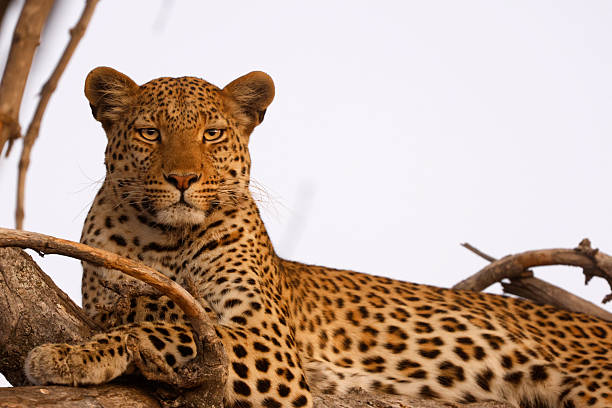
- Leopard (rare)
- Blue Monkey
- Olive Baboon
- Red-necked Francolin
- Denham's Bustard
- Blue Swallow
- Mountain Marsh Widowbird
- African Snipe
- Common Quail
- Long-crested Eagle
- Augur Buzzard
- Crowned Eagle
- Lammergeyer
- White-necked Raven
Best spots: Denham's bustard on the open grasslands of the Kitulo Plateau, eland and mountain reedbuck near the park headquarters, orchids and wildflowers along the park's hiking trails, and raptors soaring above the Livingstone Mountains escarpment.
Kitulo National Park Gallery


The Serengeti of Flowers — Kitulo's Botanical Wonders
The "Serengeti of Flowers" is not just a marketing slogan — it is an accurate description of one of Africa's most extraordinary natural spectacles. From November to April, the Kitulo Plateau is transformed into a living carpet of colour as the park's 350+ plant species burst into bloom. The peak flower display occurs between January and March, when the rains are at their heaviest and the grasslands are at their most lush. During this period, the plateau resembles a painter's palette — swathes of purple, yellow, white, pink, and blue stretch across the meadows in seemingly endless waves. The most celebrated blooms are the terrestrial orchids, with over 40 species including the striking Disa, the tall Satyrium, and the delicate Habenaria. But Kitulo's botanical riches extend far beyond orchids — the park also hosts spectacular displays of aloes (with their vivid red and orange flower spikes), proteas (the iconic African sugarbushes), giant lobelias, kniphofias (red-hot pokers), and countless species of daisies, irises, and lilies.
Kitulo's botanical importance extends beyond its aesthetic beauty. The park is a critical refuge for a number of endemic and threatened plant species, many of which are found nowhere else on Earth. The montane grassland ecosystem of the Southern Highlands is one of the most botanically rich regions in Africa, and Kitulo sits at its heart. The park's plants have evolved in isolation on these high-altitude plateaus, creating a unique flora that combines elements from the East African mountains, the Congo basin, and the Southern African temperate zone. For botanists, ecologists, and nature photographers, Kitulo offers an unparalleled opportunity to study and document one of Africa's most remarkable floral assemblages. The park's management works closely with the Kitulo Botanical Research Programme, which conducts ongoing surveys and conservation work to protect these precious plant communities.
Best Time to Visit Kitulo National Park
| Month | Season | Wildlife Highlights | Rating |
|---|---|---|---|
| Jan | Peak Flowers | Peak wildflower display. Orchids in full bloom. Lush green landscapes. | ★★★★★ |
| Feb | Peak Flowers | Best month for orchids and wildflowers. Excellent birding. Cool temperatures. | ★★★★★ |
| Mar | Peak Flowers | Outstanding flower displays. Aloes in bloom. Rainy but rewarding. | ★★★★☆ |
| Apr | Late Flowers | Flowers begin to fade. Still good for birding. Lower visitor numbers. | ★★★☆☆ |
| May | End of Rains | Flowers mostly finished. Grasslands still green. Good for hiking. | ★★☆☆☆ |
| Jun | Dry | Cool, clear weather. Good hiking conditions. Fewer flowers. | ★★☆☆☆ |
| Jul | Dry / Cool | Coldest month. Frost possible at dawn. Clear skies. Good for birding. | ★☄☆☆☆ |
| Aug | Dry / Cool | Cold and dry. Limited floral interest. Good for hiking and mountain views. | ★☄☆☆☆ |
| Sep | Dry / Warm | Temperatures begin to rise. Dry grasslands. Pre-flower season. | ★★☆☆☆ |
| Oct | Pre-Flowers | End of dry season. First buds appear. Good time for hiking. | ★★☆☆☆ |
| Nov | Flowers Begin | Short rains begin. First flowers appear. Green season starts. | ★★★☆☆ |
| Dec | Flowers | Flower season underway. Lush landscapes. Fewer tourists than Jan-Feb. | ★★★★☆ |
★ = Rating based on flower displays, birding quality, hiking conditions, and value. The peak flower season (January-March) offers the most spectacular botanical experience.
Safari Activities in Kitulo National Park
Kitulo offers a unique set of activities focused on its botanical wonderland and highland scenery. Wildflower walks are the signature experience — guided hikes across the Kitulo Plateau during the flowering season to explore the extraordinary diversity of orchids, aloes, and other wildflowers. Botanical photography is a major draw, with the plateau's colourful meadows, dramatic skies, and mountain backdrops providing endless creative opportunities. Birdwatching is exceptional, with guided walks targeting Denham's bustard, blue swallow, red-necked francolin, and the endemic mountain marsh widowbird. Hiking and trekking are available year-round, with trails exploring the Livingstone Mountains escarpment, Mount Rungwe, and the park's pristine afro-alpine moorlands. Cultural visits to the surrounding Nyakyusa and Ndali villages offer insight into the traditional highland farming lifestyle, including coffee growing and banana cultivation. Stargazing is spectacular at Kitulo's altitude with minimal light pollution — the clear mountain skies offer superb views of the Southern Cross and Milky Way.
Accommodation in Kitulo National Park
Kitulo National Park offers limited but charming accommodation options that focus on the park's highland character and natural beauty. Mid-Range: Kitulo Plateau Lodge ($180-300/night) is the main property within the park, offering comfortable stone cottages with fireplaces, hot water, and hearty highland cuisine. The lodge is ideally situated for exploring the plateau and its wildflower meadows. Budget: The park operates a basic campsite ($10-20/night) near the park headquarters with simple facilities — suitable for self-sufficient campers with their own equipment. There are also several guesthouses in nearby Matamba and Chimala villages ($30-60/night) that offer basic accommodation. Most visitors to Kitulo choose the mid-range lodge option for comfort and proximity to the park's main flower-viewing areas. For those combining Kitulo with other southern circuit parks, accommodation in Mbeya town ($60-150/night) provides additional options including the Mbeya Hotel and Utengule Coffee Lodge.
Kitulo National Park Safari Cost & Fees
| Category | Price Per Person/Day | Includes |
|---|---|---|
| Budget | $100 – $180 | Camping, guided walks, basic meals, park fees |
| Mid-Range | $180 – $350 | Lodge accommodation, private guide, full board, park fees |
| Luxury | $350 – $550 | Premium lodge, private botanical guide, gourmet meals, all activities |
| Photography | $300 – $500 | Specialist botanical photography guide, extended walks, vehicle access |
Park Entry Fee: $30/person/day (non-resident adult), $10 (child 5-15), free (under 5). East African residents pay TZS 8,000/adult/day. Guide Fee: $15-25/day for a mandatory park guide. Vehicle Fee: $30/day. Hiking Permit: Included in guide fee. Kitulo is one of the most affordable national parks in Tanzania, with lower entry fees than the northern circuit parks. The best value is during the flower season (November-April) when the botanical experience is at its peak.
Frequently Asked Questions about Kitulo National Park
Nearby Attractions
Kitulo National Park's location in the Southern Highlands makes it an ideal base for exploring some of Tanzania's most scenic and culturally rich areas.
- Ruaha National Park (5 hours northeast) — Tanzania's largest national park, famous for its giant elephant herds, lion prides, wild dogs, and spectacular baobab-studded landscape along the Great Ruaha River.
- Udzungwa Mountains National Park (4 hours north) — A primate paradise with endemic red colobus monkeys, Sanje crested mangabeys, spectacular waterfalls, and some of the best hiking trails in Tanzania.
- Lake Nyasa (2 hours south) — Africa's third-largest lake, forming the border between Tanzania, Malawi, and Mozambique. Offers stunning beaches, snorkelling, kayaking, and the historic town of Matema.
- Mbeya Town (2 hours northeast) — The regional capital of the Southern Highlands, with a bustling market, the Livingstone Museum, and access to the Livingstone Mountains for hiking and cultural tours.
- Livingstone Mountains (bordering the park) — A dramatic mountain range running parallel to Lake Nyasa, offering challenging hiking trails, remote villages, and spectacular viewpoints over the lake and the Kitulo Plateau.
Kitulo is the perfect starting point for a Southern Highlands circuit combining botanical wonders, mountain scenery, and the great lakes of Tanzania. See our Destination Hub for full packages.
Related Kitulo Safari Tours
Kitulo Flower Safari (3 Days)
Explore the Serengeti of Flowers with guided wildflower walks, orchid spotting, birdwatching, and cultural visits to Nyakyusa villages. Includes lodge accommodation and all meals.
View TourSouthern Circuit Explorer (10 Days)
Combine Kitulo with Ruaha and Udzungwa Mountains for the ultimate southern Tanzania safari. Experience flowers, wildlife, hiking, and birding in three spectacular parks.
View TourKitulo & Lake Nyasa (6 Days)
Combine the botanical wonders of Kitulo with the beach and water activities of Lake Nyasa. Wildflowers, birding, hiking, and relaxation on the shores of Africa's third-largest lake.
View TourHow to Book Your Kitulo Safari
Booking your Kitulo National Park safari with African Majestic Adventure is simple and straightforward. Here's how it works:
- Step 1: Choose your preferred itinerary or contact us for a custom plan combining Kitulo with other southern circuit destinations tailored to your schedule.
- Step 2: Get a detailed quote including park fees, accommodation, guided walks, transport, and meals — no hidden costs or surprises.
- Step 3: Confirm your booking with a 30% deposit. We handle all park reservations, guide bookings, and lodging.
- Step 4: Receive your pre-travel briefing, packing list (including flower season tips), and safari guide assignment 2 weeks before departure.
- Step 5: Arrive in Tanzania — we meet you at Mbeya Airport and begin your unforgettable botanical adventure in the Southern Highlands.
All our Kitulo packages include airport transfers, park entry fees, guided wildflower walks, accommodation, meals, and an English-speaking guide. International flights and visas are not included. Custom itineraries are welcome — contact us for a personalized quote.