.png)
Your Complete Mkomazi Safari Planner
What is Mkomazi National Park?
Mkomazi National Park is a spectacular semi-arid wilderness in northeastern Tanzania, covering 3,234 km² along the border with Kenya. Established initially as a game reserve in 1951 and upgraded to national park status in 2008, Mkomazi forms part of the larger Tsavo-Mkomazi ecosystem, connecting with Kenya's Tsavo West National Park. The park is dominated by the dramatic backdrop of the Pare Mountains and Usambara Mountains, creating a landscape of extraordinary beauty. Its name derives from the Pare language word meaning "spoon of water" — a reference to the seasonal Umba River that flows through the park. Mkomazi is perhaps best known globally for its highly successful black rhino sanctuary and the African wild dog reintroduction project, two remarkable conservation success stories that have put this park firmly on the safari map.
Unlike the lush, green parks of northern Tanzania, Mkomazi offers a strikingly different aesthetic — open acacia savannah, baobab-studded hillsides, and vast horizons stretching towards Mount Kilimanjaro on clear days. The park's dry, thorny landscape supports a surprising diversity of wildlife, including species specially adapted to arid conditions such as the fringe-eared oryx, gerenuk, and lesser kudu. Mkomazi remains one of Tanzania's least-visited national parks, offering a tranquil, off-the-beaten-path safari experience that contrasts sharply with the crowds of the northern circuit. For travellers seeking wilderness, solitude, and world-class conservation viewing, Mkomazi is an unmissable destination.
Why Mkomazi National Park is Famous
Mkomazi's global reputation is built on two extraordinary conservation achievements that have made headlines around the world. The Mkomazi Rhino Sanctuary, established in the 1990s in partnership with the Tony Fitzjohn / George Adamson African Wildlife Preservation Trust, created a secure, fenced breeding area for the critically endangered eastern black rhino. Today, the sanctuary is one of Tanzania's most important rhino conservation strongholds, with a steadily growing population that has become a beacon of hope for rhino conservation across Africa. The African Wild Dog Reintroduction Project is equally significant — Mkomazi has been instrumental in re-establishing wild dog populations in Tanzania, with packs successfully released into the park and monitored by conservation teams.
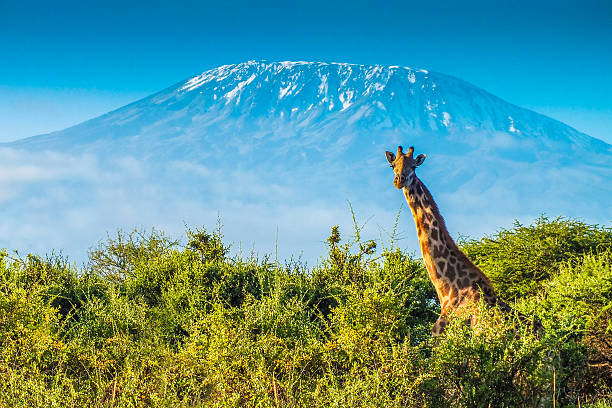
Beyond its conservation fame, Mkomazi is renowned for its stunning scenery. The park lies in a dramatic rain-shadow at the base of the Eastern Arc Mountains, with the sheer cliffs of the Pare Mountains rising to over 2,000 metres along the park's western boundary. On clear days, the snow-capped peak of Mount Kilimanjaro is visible in the distance, creating breathtaking photographic opportunities. The park's Umba River valley supports lush riverine forest, a green ribbon through the arid landscape that attracts wildlife, especially during the dry season. Mkomazi's sense of wildness and isolation, combined with world-class conservation viewing, makes it one of the most compelling destinations in Tanzania.
Location and How to Get to Mkomazi National Park
Mkomazi National Park is located in northeastern Tanzania, in the Kilimanjaro Region, approximately 120 km east of Moshi town and 150 km from the Kilimanjaro International Airport (JRO). The park lies directly south of Kenya's Tsavo West National Park, separated only by an international border. Access is straightforward by road from Moshi or Arusha. From Moshi, the drive takes approximately 2 hours via the A14 highway towards Same, with the park's main entrance at Zange Gate near the village of Same. The road is tarmacked all the way to Same, making Mkomazi one of the more accessible parks in northern Tanzania. For those flying, the easiest option is to fly into Kilimanjaro International Airport (JRO) and then drive east. There is also a small airstrip near the park headquarters for charter flights. Mkomazi's location makes it an excellent addition to a northern circuit itinerary, easily combined with Kilimanjaro, Arusha, and Lake Manyara.
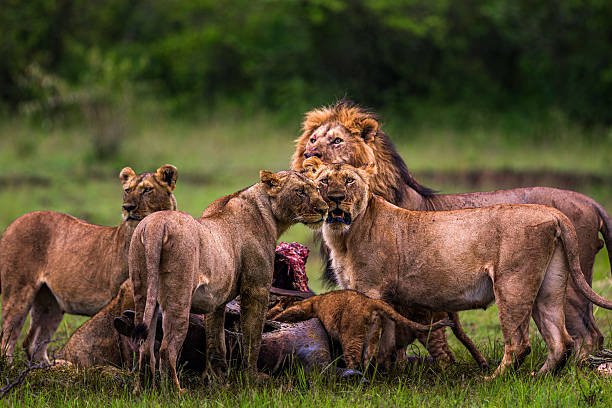
Mkomazi National Park Wildlife Guide
Mkomazi National Park supports a remarkable diversity of wildlife adapted to its semi-arid environment. Key species include:
- Black Rhino
- African Wild Dog
- Elephant
- Lion
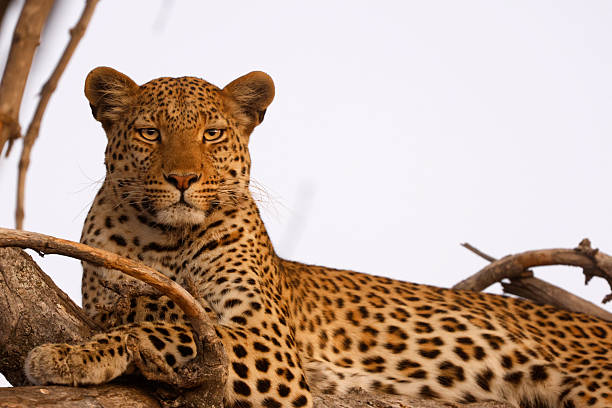
- Leopard
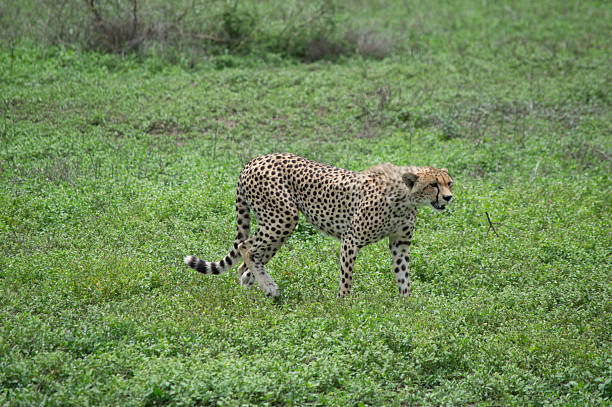
- Cheetah
- Giraffe
- Zebra
- Wildebeest
- Eland
- Greater Kudu
- Oryx
- Gerenuk
- Dik-dik
- Impala
- Buffalo
- Ostrich
- Secretary Bird
- Kori Bustard
- Martial Eagle
- Vulture
- Hornbill
Best spots: Rhino viewing at the Mkomazi Rhino Sanctuary (booked separately), wild dog packs near the Umba River, elephant herds in the riverine forest, gerenuk and oryx on the open plains, and abundant birdlife around the park headquarters and waterholes.
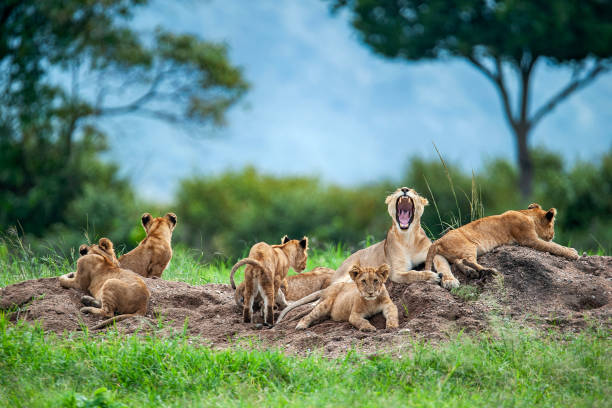
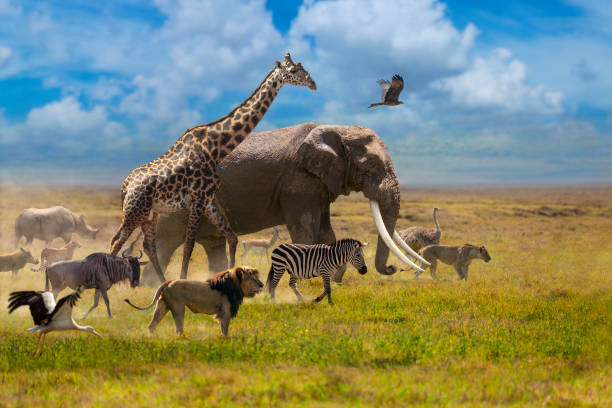
Mkomazi National Park Gallery

Mkomazi Rhino & Wild Dog Conservation
The Mkomazi Rhino Sanctuary is the crown jewel of conservation in northern Tanzania. Established in 1996 through a public-private partnership between the Tanzanian government and the Tony Fitzjohn / George Adamson African Wildlife Preservation Trust, the sanctuary is a 45 km² fenced breeding area within the park dedicated to protecting the critically endangered eastern black rhino. The sanctuary has been remarkably successful — from an initial founder population, the rhino numbers have grown steadily, and Mkomazi is now considered one of the safest havens for black rhinos in East Africa. Visitors can observe rhinos from designated viewing points under the guidance of sanctuary rangers, a truly privileged experience given the critically endangered status of these magnificent animals.
The African Wild Dog Reintroduction Project is Mkomazi's second major conservation triumph. African wild dogs (painted wolves) were extinct in Tanzania outside of the Selous ecosystem when the project began. Mkomazi's wild dog programme has successfully reintroduced several packs into the park, using soft-release methods that have become a model for carnivore reintroductions across Africa. The dogs are monitored by radio collars and a dedicated team of researchers. Seeing a pack of African wild dogs on the hunt in Mkomazi's open plains is one of the most thrilling wildlife experiences in Africa. The success of both projects has cemented Mkomazi's reputation as a world-class conservation destination and a vital stronghold for two of Africa's most endangered large mammals.
Best Time to Visit Mkomazi National Park
| Month | Season | Wildlife Highlights | Rating |
|---|---|---|---|
| Jan | Green | Lush landscapes. Good birding. Fewer tourists. Moderate game viewing. | ★★★☆☆ |
| Feb | Green | Hot and humid. Wildlife disperses with available water. Good birding. | ★★★☆☆ |
| Mar | Green / Rains | Short rains begin. Lush but animals spread out. Birding remains good. | ★★☆☆☆ |
| Apr | Long Rains | Wettest month. Roads challenging. Park quieter. Best rates available. | ★★☆☆☆ |
| May | Long Rains | Heavy rain. Limited game viewing. Not recommended for first-time visitors. | ★☆☆☆☆ |
| Jun | Dry | Clearing skies. Game concentrates near Umba River. Excellent viewing begins. | ★★★★☆ |
| Jul | Dry / Peak | Outstanding game viewing. Animals gather at water sources. Peak season. | ★★★★★ |
| Aug | Dry / Peak | Best month for rhino and wild dog sightings. Clear views of Kilimanjaro. | ★★★★★ |
| Sep | Dry / Peak | Superb game viewing. Animals concentrated around permanent water. Perfect weather. | ★★★★★ |
| Oct | End of dry | Hot and dry. Excellent game viewing near waterholes. Good visitor numbers. | ★★★★☆ |
| Nov | Short Rains | Green season returns. Fewer crowds. Good value. Birding picks up. | ★★★☆☆ |
| Dec | Short Rains | Lush and green. Migratory birds present. Festive season atmosphere. | ★★★☆☆ |
★ = Rating based on wildlife viewing, rhino/wild dog visibility, weather comfort, and value. The dry season (June-October) offers the best all-round conditions for park exploration.
Safari Activities in Mkomazi National Park
Mkomazi offers a range of safari activities focused on its unique conservation story and spectacular landscapes. Game drives in open 4x4 vehicles are the primary activity, with excellent wildlife viewing across the park's semi-arid plains and riverine forests. The park's road network covers most of the main wildlife areas, including the Umba River valley and the open savannah near the park headquarters. Rhino sanctuary visits are a special activity — guided tours into the Mkomazi Rhino Sanctuary offer the rare opportunity to see black rhinos in a protected breeding environment. Wild dog tracking is possible for dedicated wildlife enthusiasts, though sightings depend on the location of the monitored packs. Walking safaris with armed rangers are available in designated areas, offering a thrilling ground-level perspective of the park's arid ecosystem. Birdwatching is outstanding in Mkomazi, with over 450 species recorded, including endemics of the Eastern Arc Mountains. Photography is a major draw, with dramatic light, baobab trees, and the backdrop of the Pare Mountains and Kilimanjaro creating stunning compositions.
Accommodation in Mkomazi National Park
Mkomazi National Park offers a limited but high-quality selection of accommodation, with most options focusing on the park's wilderness character and conservation theme. Luxury: Babu's Camp ($400-700/night) is the premier property, offering spacious tented suites with views over the Umba River, a pool, and excellent guiding. Mid-Range: Mkomazi Tented Camp ($200-350/night) provides comfortable safari tents with en-suite facilities and a central dining area, located near the park headquarters. Budget: The park operates a basic public campsite ($15-25/night) near Zange Gate with pit toilets and no running water — suitable for self-sufficient campers. There are also several community-run campsites near Same town. Most visitors to Mkomazi stay in the mid-range to luxury options, combining excellent wildlife viewing with comfortable accommodation. For those combining Mkomazi with Kilimanjaro, many travellers choose to stay in Moshi town and drive into the park for day trips or one-night stays.
Mkomazi National Park Safari Cost & Fees
| Category | Price Per Person/Day | Includes |
|---|---|---|
| Budget | $150 – $250 | Camping, shared vehicle, basic meals, park fees |
| Mid-Range | $250 – $450 | Tented camp, private 4x4, full board, experienced guide |
| Luxury | $450 – $750 | Premium tented suite, private vehicle, gourmet meals, rhino sanctuary visit |
| Ultra-Luxury | $750 – $1,200 | Exclusive camp, private guide, wild dog tracking, all-inclusive |
Park Entry Fee: $40/person/day (non-resident adult), $15 (child 5-15), free (under 5). East African residents pay TZS 12,000/adult/day. Rhino Sanctuary Fee: $30/person for guided sanctuary tour. Vehicle Fee: $40/day. Walking Safari: $15-25/person with armed ranger. Guide Fee: $20-30/day for a mandatory park guide. Mkomazi offers excellent value compared to the northern circuit parks, with lower accommodation costs and smaller crowds. The rhino sanctuary visit is an additional cost but is well worth it for the unique experience.
Frequently Asked Questions about Mkomazi National Park
Nearby Attractions
Mkomazi National Park's location in northeastern Tanzania makes it an ideal base for exploring some of the country's most iconic destinations.
- Kilimanjaro National Park (2 hours west) — Home to Africa's highest peak, Mount Kilimanjaro. Whether you are climbing or just visiting, the views from Mkomazi's plains towards Kilimanjaro are spectacular.
- Usambara Mountains (1.5 hours southeast) — One of Tanzania's Eastern Arc mountain ranges, offering hiking trails, waterfalls, and the historic town of Lushoto with its German colonial architecture.
- Pare Mountains (bordering the park) — The dramatic mountain range that forms the western boundary of Mkomazi, offering hiking, cultural visits to Pare villages, and stunning viewpoints over the park.
- Arusha National Park (3 hours west) — A compact but beautiful park featuring Mount Meru, Ngurdoto Crater, and the Momella Lakes. Excellent for day trips and combining with Mkomazi.
- Same Town (15 minutes from Zange Gate) — The nearest town to Mkomazi, with basic services, local markets, and the starting point for cultural tours to Pare and Maasai communities. A great spot for a cultural immersion before or after your safari.
Mkomazi is perfectly positioned for a northern Tanzania circuit combining wildlife, mountains, and culture. See our Destination Hub for full packages.
Related Mkomazi Safari Tours
Mkomazi Conservation Safari (3 Days)
Experience Mkomazi's world-class conservation with guided rhino sanctuary tours, wild dog tracking, game drives, and walking safaris. Includes accommodation, meals, and park fees.
View TourKilimanjaro & Mkomazi (7 Days)
Climb Mount Kilimanjaro via one of the scenic routes then recover with a 2-day Mkomazi safari. The perfect combination of adventure and wildlife in northern Tanzania.
View TourNorthern Circuit & Mkomazi (10 Days)
Combine Mkomazi with Tarangire, Lake Manyara, Ngorongoro, and Serengeti for the ultimate northern Tanzania safari. Includes all park fees, accommodation, and expert guiding.
View TourHow to Book Your Mkomazi Safari
Booking your Mkomazi National Park safari with African Majestic Adventure is simple and straightforward. Here's how it works:
- Step 1: Choose your preferred itinerary or contact us for a custom plan combining Mkomazi with other northern Tanzania destinations tailored to your schedule.
- Step 2: Get a detailed quote including park fees, accommodation, rhino sanctuary fees, transport, and meals — no hidden costs or surprises.
- Step 3: Confirm your booking with a 30% deposit. We handle all park reservations, rhino sanctuary permits, and lodging.
- Step 4: Receive your pre-travel briefing, packing list, and safari guide assignment 2 weeks before departure.
- Step 5: Arrive in Tanzania — we meet you at Kilimanjaro International Airport and begin your unforgettable Mkomazi conservation safari.
All our Mkomazi packages include airport transfers, park entry fees, game drives, rhino sanctuary tours, accommodation, meals, and an English-speaking guide. International flights and visas are not included. Custom itineraries are welcome — contact us for a personalized quote.