.png)
Your Complete Kilimanjaro Safari Planner
What is Kilimanjaro National Park?
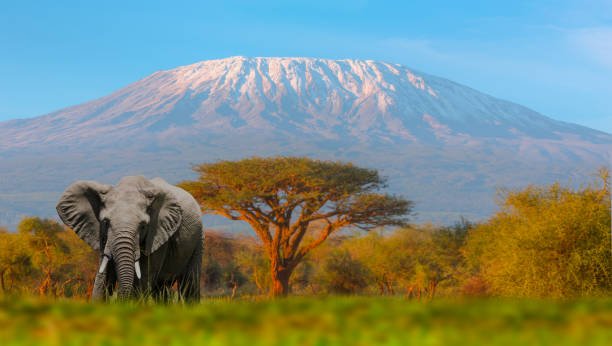
Kilimanjaro National Park protects Africa's highest mountain — Mount Kilimanjaro (5,895 m / 19,341 ft) — and covers 1,688 km² of pristine montane forest, heath, moorland, alpine desert, and glacial zones. Established in 1973 and designated a UNESCO World Heritage Site in 1987, the park encompasses all land above the 2,700 m contour line around the mountain. Kilimanjaro is the world's tallest free-standing mountain, rising 4,877 m from base to summit. The park is renowned for its six distinct ecological zones as you ascend from the cultivated foothills through lush rainforest and heathland into the stark alpine desert and finally the arctic summit with its shrinking glaciers. Each year, over 35,000 climbers attempt to reach the iconic Uhuru Peak, with the Marangu and Machame routes being the most popular pathways to the roof of Africa.
Why Kilimanjaro National Park is Famous
Kilimanjaro's fame rests on its status as Africa's highest peak and the world's tallest free-standing mountain. The iconic snow-capped summit (Uhuru Peak) is one of the most recognisable mountain silhouettes on Earth, immortalised by Ernest Hemingway's "The Snows of Kilimanjaro." The park is unique for its five distinct vegetation zones — from the dense montane rainforest alive with colobus monkeys and exotic birds to the surreal alpine desert and the spectacular glacial summit. The park is the only place where you can walk from tropical rainforest to an arctic glacier in just a few days. The Marangu Route (Coca-Cola) and Machame Route (Whiskey) are world-famous climbing paths, each offering a different experience. The shrinking glaciers, the result of climate change, add urgency and poignancy to every summit attempt. Kilimanjaro is also a critical water catchment area, providing water for millions of people in Tanzania and Kenya.
Location and How to Get to Kilimanjaro National Park
Kilimanjaro National Park is located in northeastern Tanzania, near the town of Moshi, approximately 300 km south of the equator. The main climbing gates — Marangu (eastern side) and Machame (western side) — are accessible via well-maintained roads from Moshi town (about 45 minutes). Kilimanjaro International Airport (JRO) is the primary gateway, located 40 km from Moshi and 85 km from Arusha, with direct flights from major African hubs and international connections via Doha, Istanbul, Nairobi, and Addis Ababa. From Arusha, the park is a 1.5 hour drive. Most climbers arrive a day early for gear checks and briefing. The park is open year-round, though the best climbing conditions are in the dry months. Local buses and private transfers connect Moshi to Arusha, Dar es Salaam, and other Tanzanian cities.
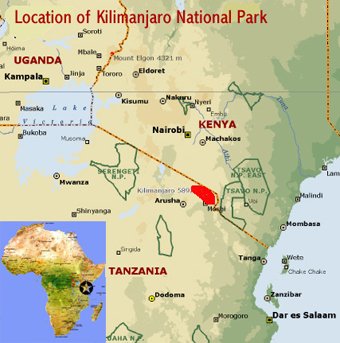
Kilimanjaro National Park Wildlife Guide
Kilimanjaro National Park hosts a surprising diversity of wildlife across its elevation zones, particularly in the lower montane forest. While large mammals are less common than in savannah parks, the forest is rich with primate and bird life. Key species include:
- Colobus Monkey (black-and-white)
- Blue Monkey
- Vervet Monkey
- Olive Baboon
- African Elephant (rare, lower slopes)
- Cape Buffalo (rare, lower slopes)
- Leopard (rare, night active)
- Giraffe (lower slopes, occasional)
- Bushbuck
- Duiker
- Waterbuck
- Klipspringer
- Genet
- Civet
- Mongoose
- Serval
- Porcupine
- Aardvark
- Bat-eared Fox
- Galago (Bushbaby)
- Tree Hyrax
- Sunbird (various species)
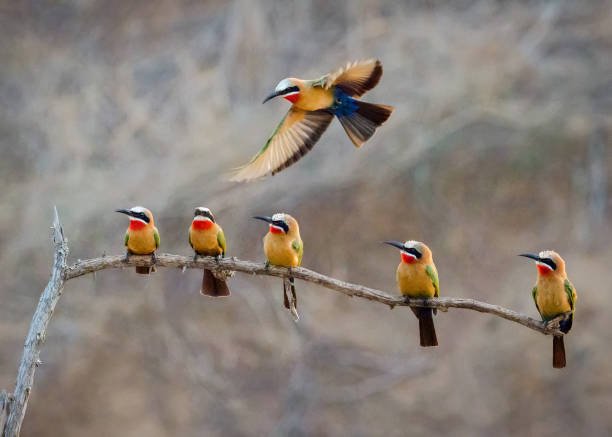
Best spots: Colobus and blue monkeys are commonly seen in the montane forest along the Marangu and Machame routes. Bushbuck and duiker frequent the lower trail sections. Birdwatching is excellent throughout the forest zone with over 180 species recorded including Hartlaub's turaco, white-necked raven, and the stunning malachite sunbird.
Kilimanjaro National Park Gallery
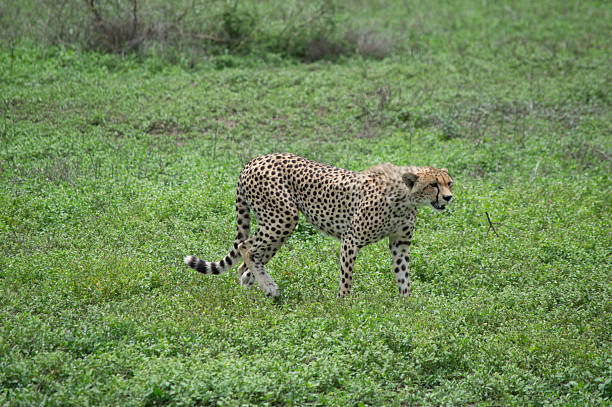
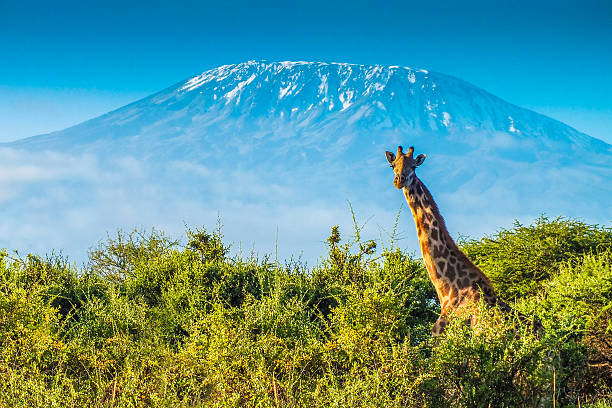
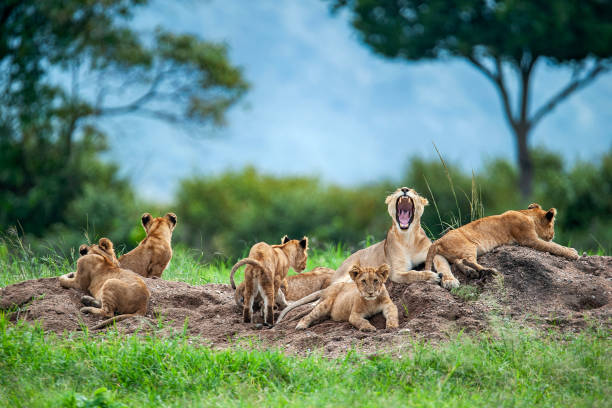
Kilimanjaro Climbing Routes
Kilimanjaro offers six established climbing routes to the summit, each with its own character, difficulty, scenery, and duration. The choice of route depends on your experience, fitness, preferred scenery, and tolerance for crowds. Compare our Kilimanjaro climbing packages for each route.
Marangu Route (Coca-Cola) — 5-6 days: The only route with hut accommodation. It is the easiest and most popular route, following a gentle gradient through forest to the summit. Success rate is moderate due to the short acclimatisation period. Suitable for beginners but beware of altitude sickness risk from the rapid ascent. Read our Machame vs Marangu comparison and see our best route for beginners guide.
Machame Route (Whiskey) — 6-7 days: The most popular route, known for its stunning scenery through rainforest, heath, and alpine desert. It is more strenuous than Marangu but offers better acclimatisation and higher summit success rates. Camping only. The "climb high, sleep low" profile significantly improves acclimatisation. Read our Machame vs Lemosho comparison for detailed insights.
Lemosho Route — 7-8 days: A longer, more remote route approaching from the west. It traverses the Shira Plateau before joining the Machame route near Barranco Camp. Excellent acclimatisation, very scenic, lower crowds. Ideal for those seeking a wilderness experience with high summit success rates. Compare it with the Machame and Lemosho differences.
Rongai Route — 6-7 days: The only route approaching from the north, near the Kenyan border. It is the least crowded route and offers a different perspective of the mountain. Drier conditions than western routes. Moderate difficulty with good acclimatisation profile.
Northern Circuit Route — 8-9 days: The newest and longest route, circling the northern slopes of Kilimanjaro. It offers the best acclimatisation and highest summit success rate of all routes. Remote, uncrowded, and incredibly scenic. Recommended for serious trekkers with time to spare.
Umbwe Route — 5-6 days: The steepest, most technical, and least crowded route. It climbs directly up the southern ridge and is considered very difficult. Only recommended for experienced, well-conditioned climbers. High altitude gain per day makes acclimatisation challenging, resulting in lower summit success rates. View route success rates and recommendations.
Best Time to Climb Kilimanjaro
| Month | Season | Climbing Conditions | Rating |
|---|---|---|---|
| Jan | Warm Dry | Excellent summit conditions. Clear skies, warm days, cold nights. Fewer crowds than Dec. Good wildlife on lower slopes. | ★★★★★ |
| Feb | Warm Dry | Best month overall. Warmest dry month. Clear views. Peak climbing season. Book well in advance. | ★★★★★ |
| Mar | Start of Rains | Increasing cloud and afternoon showers. Lush forest. Fewer climbers. More variable summit conditions. | ★★★☆☆ |
| Apr | Long Rains | Heavy rain on lower slopes, snow on upper mountain. Lowest crowds. Budget-friendly. Wet and slippery trails. | ★★☆☆☆ |
| May | Long Rains | Wettest month. High cloud cover. Limited summit views. Best avoided unless you are experienced and equipped for wet conditions. | ★★☆☆☆ |
| Jun | Start of Dry | Skies clearing. Cold nights at altitude. Improving conditions. Good for experienced climbers wanting quieter trails. | ★★★★☆ |
| Jul | Peak Dry / Cool | Clear, cold, dry. Excellent summit conditions. Peak climbing season. Warm days, very cold nights. Book ahead. | ★★★★★ |
| Aug | Peak Dry / Cool | Best wildlife viewing on lower slopes. Coldest nights at summit. Highest climber numbers. Clear skies guaranteed. | ★★★★★ |
| Sep | Dry / Warm | Consistently fine weather. Warm days, cold nights. Still peak season. Excellent summit success rates. Good visibility. | ★★★★★ |
| Oct | End of Dry | Warming up. Still dry with good summit conditions. Fewer crowds as peak season ends. Excellent window for climbing. | ★★★★☆ |
| Nov | Short Rains | Afternoon showers return. Lush greenery. Fewer climbers. Good value. Summit still achievable with proper gear. | ★★★☆☆ |
| Dec | Short Rains | Mornings clear, afternoon clouds. Festive climbing season. Good conditions overall. Popular time for holiday climbers. | ★★★☆☆ |
★ = Rating based on summit conditions, temperature, precipitation, crowds, and overall climbing experience. The best climbing windows are January-February and July-October. Avoid April-May for the best experience. Learn more in our detailed best time guide.
Activities in Kilimanjaro National Park
The primary activity in Kilimanjaro National Park is summiting Mount Kilimanjaro — a 5-9 day trek depending on route. Each route offers a unique experience through the mountain's five ecological zones, culminating at the iconic Uhuru Peak (5,895 m). Day hikes on the lower slopes (e.g., Marangu Waterfalls, Mandara Hut day trek) are excellent for non-climbers. Walking safaris in the montane forest zone offer superb birdwatching and primate spotting. Birdwatching is outstanding with over 180 species. Coffee tours on the lower slopes near Moshi provide a cultural addition. Many climbers combine their Kilimanjaro climb with a safari adventure to nearby parks like Tarangire, Lake Manyara, Ngorongoro Crater, and Serengeti for a complete Tanzania experience.
Accommodation in Kilimanjaro National Park
Accommodation on the mountain varies by route. Marangu Route provides basic A-frame huts at Mandara, Horombo, and Kibo camps with dormitory beds, mattresses, and solar lighting. All other routes use tented camping at designated camp sites, with your crew setting up and packing down each day. Luxury tented options with proper beds, private toilets, and hot showers are available on certain routes through premium tour operators. Pre- and post-climb accommodation is in Moshi (30 min from park gates) or Arusha (1.5 hrs): budget lodges ($30-80/night), mid-range hotels like Parkview Inn or Kilimanjaro Wonders Hotel ($80-200/night), and luxury options like the Kilimanjaro Mountain Resort or Four Points by Sheraton ($200-500/night). Most climbing packages include one night pre-climb and one night post-climb accommodation with transfers.
Kilimanjaro Climbing Cost & Fees
| Category | Price Per Person (7-8 Day Climb) | Includes |
|---|---|---|
| Budget | $1,500 – $2,500 | Tented camping, group equipment, meals, guide, porters, park fees |
| Mid-Range | $2,500 – $4,000 | Quality tented camp or hut, private guide, better meals, experienced crew |
| Luxury | $4,000 – $6,000 | Premium tents with amenities, private toilet, gourmet food, expert guides |
| Ultra-Luxury | $6,000 – $12,000+ | Exclusive private climb, personal chef, luxury camp, VIP treatment |
Park Entry Fee: $70/person/day (non-resident adult), $35 (child 5-15), free (under 5). Camping Fee: $50/night. Guide Fee: $200 per climb (mandatory). Rescue Fee: $20. Crew (porter/chef): $20-25 each per day. All climbers must enter through a registered tour operator. Prices vary significantly by route — longer routes (Lemosho, Northern Circuit) cost more due to additional days but offer higher summit success rates.
Frequently Asked Questions about Kilimanjaro National Park
Nearby Attractions
Kilimanjaro National Park is perfectly positioned near Tanzania's top Northern Circuit parks, making it easy to combine a climb with a classic safari.
- Arusha National Park (2 hours) — Ngurdoto Crater, Momela Lakes, Mount Meru trekking, colobus monkeys, and canoeing safaris.
- Tarangire National Park (2.5 hours south) — Giant elephant herds, ancient baobab trees, and over 550 bird species in an intimate setting.
- Lake Manyara National Park (1.5 hours west) — Tree-climbing lions, thousands of flamingos, lush groundwater forest, and Rift Valley escarpment views.
- Ngorongoro Crater (3 hours west) — UNESCO World Heritage Site and Africa's Garden of Eden, home to the Big Five inside a massive volcanic caldera.
- Serengeti National Park (5-6 hours west) — Tanzania's flagship park with the Great Migration of 1.5 million wildebeest, all Big Five species, and endless savannah plains.
Most Kilimanjaro climbers combine their trek with a 3-7 day Northern Circuit safari. See our Destination Hub for full packages combining Kilimanjaro with Tanzania's finest parks.
Related Kilimanjaro Safari Tours
7-Day Machame Route Climb
Our most popular Kilimanjaro route. 7 days of stunning scenery through rainforest, heath, and alpine desert. Expert guides, quality equipment, high summit success rate.
View TourKilimanjaro + Safari Combo (12 Days)
Climb Kilimanjaro via Machame then explore Tarangire, Ngorongoro Crater, Lake Manyara and Serengeti. The ultimate Tanzania adventure package.
View Tour8-Day Lemosho Route Climb
Our premium recommended route. Longer profile, remote wilderness, stunning Shira Plateau crossing. Highest summit success rate of any Kilimanjaro route.
View TourHow to Book Your Kilimanjaro Climb
Booking your Kilimanjaro adventure with African Majestic Adventure is simple. Here's how it works:
- Step 1: Choose your preferred route and climb duration, or contact us for a custom itinerary tailored to your schedule and fitness level.
- Step 2: Receive a detailed quote including park fees, accommodation, crew, meals, airport transfers, and equipment — no hidden costs.
- Step 3: Confirm your booking with a 30% deposit. We handle all park reservations, climbing permits, crew hiring, and camp logistics.
- Step 4: Receive your pre-travel briefing, detailed packing list, training tips, and guide assignment 3 weeks before departure.
- Step 5: Arrive at Kilimanjaro International Airport — we meet you and transfer you to your pre-climb hotel. Your adventure begins.
All our climbs include airport transfers, park entry fees, camping or hut fees, meals on the mountain, English-speaking guides, porters, and cooks. International flights, visas, travel insurance, tips, and personal gear are not included. Custom itineraries welcome — contact us for a personalized quote.