.png)
Your Complete Arusha Safari Planner
What is Arusha National Park?
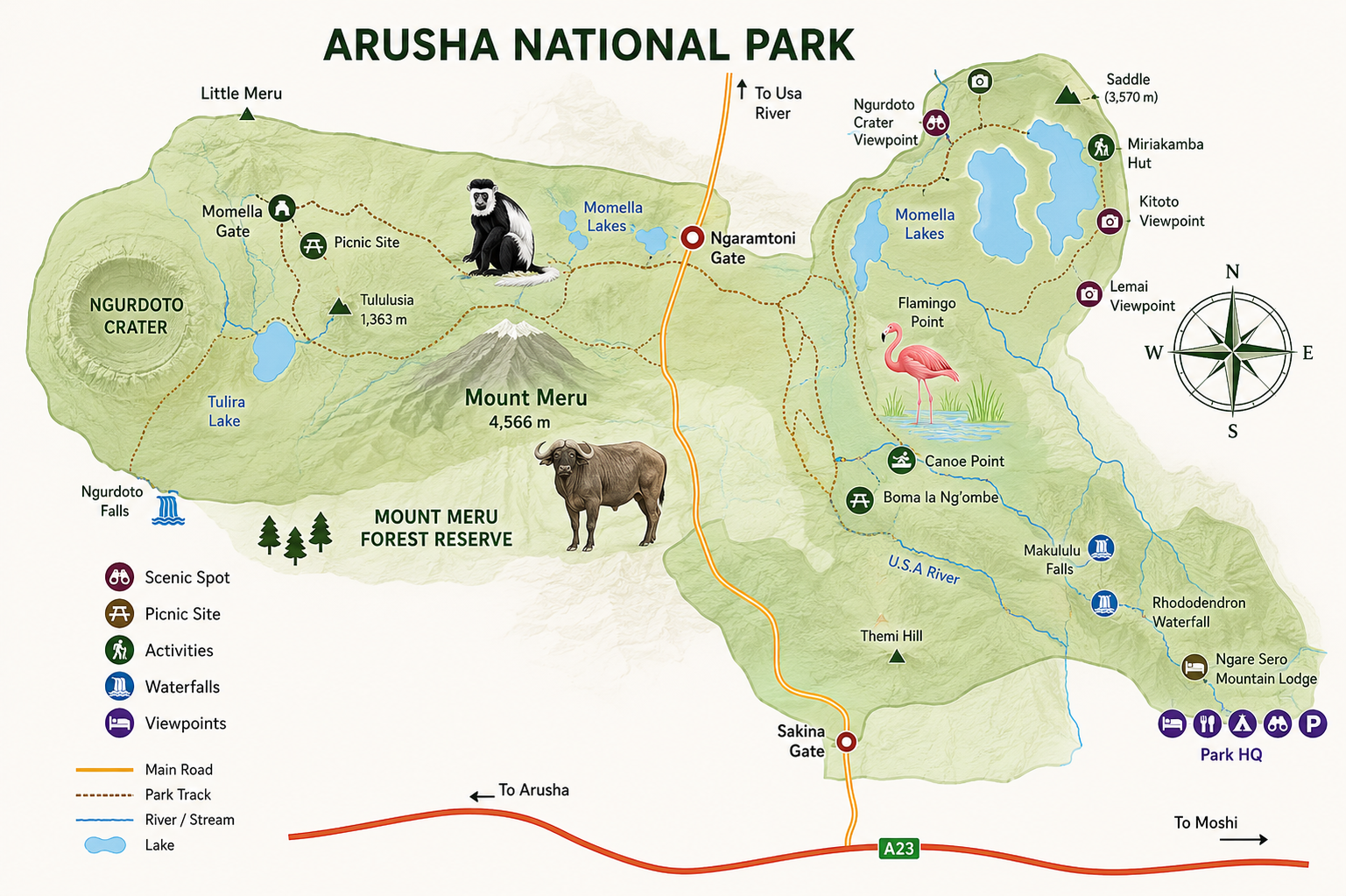
Arusha National Park is a compact yet remarkably diverse wildlife park in northern Tanzania, covering 552 km² just 25-30 km northeast of Arusha city. Established in 1960, the park is unique for its three distinct zones: the towering Mount Meru (4,566 m), the lush Ngurdoto Crater (a mini-Ngorongoro), and the seven alkaline Momela Lakes. Despite being one of Tanzania's smallest national parks, it offers an extraordinary variety of landscapes — montane forest, crater floor, savannah, and lake shoreline — all within a single day trip from Arusha. The park is famous for its black-and-white colobus monkeys, pink flamingos on the Momela Lakes, and as the base for climbing Mount Meru, Tanzania's second-highest peak.
Why Arusha National Park is Famous
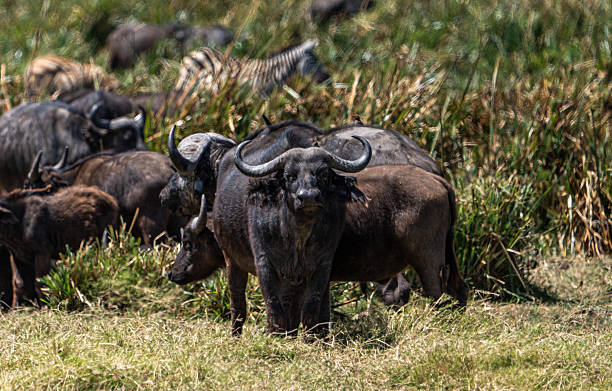
Arusha National Park's fame rests on three unique features. First, the Ngurdoto Crater — a 3.5 km wide volcanic crater with a swampy floor that hosts buffalo, warthog, and waterbuck, viewable from spectacular rim lookouts (the crater floor is protected, no vehicles enter). Second, the Momela Lakes — seven shallow alkaline lakes that shift colour seasonally due to algae and minerals, attracting thousands of lesser flamingos and a wealth of waterbirds. Third, Mount Meru — Africa's fifth-highest peak and the training peak for Kilimanjaro climbers, offering a 3-4 day trek through pristine montane forest to a summit with breathtaking views of Kilimanjaro. The park is also the easiest place in Tanzania to see black-and-white colobus monkeys in the wild, with their striking black fur and long white tail.
Location and How to Get to Arusha National Park
Arusha National Park is located just 25-30 km northeast of Arusha city centre, approximately a 40-minute drive via the Usa River road. The park is the most accessible national park in Tanzania — you can leave Arusha after breakfast and be on a game drive by mid-morning. The main entrance gate is at Ngongongare Gate on the western side. Kilimanjaro International Airport (KIA) is 50 km away (about 1 hour), making the park an ideal first or last stop on any Northern Circuit itinerary. A road connects the Momela Lakes sector to the Ngurdoto Crater sector. The park is small enough to explore in a half-day, though a full day allows a more relaxed experience including walking safaris.
Arusha National Park Wildlife Guide
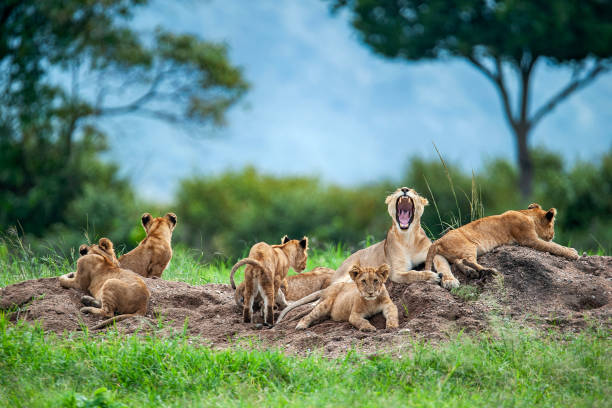
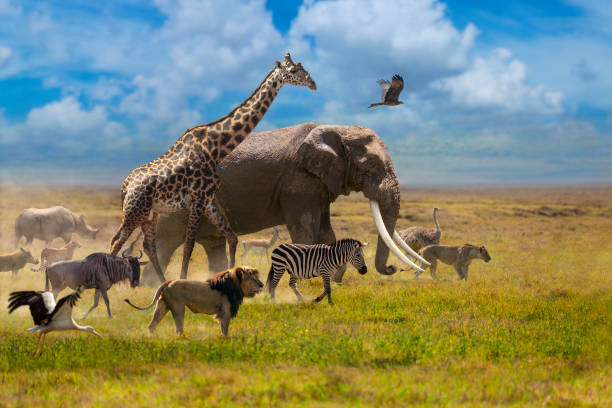
Arusha National Park hosts a rich diversity of wildlife across its montane forest, crater, and lake habitats. Key species include:
- Black-and-White Colobus Monkey (iconic)
- Blue Monkey
- Vervet Monkey
- Olive Baboon
- African Elephant (small population)
- Cape Buffalo
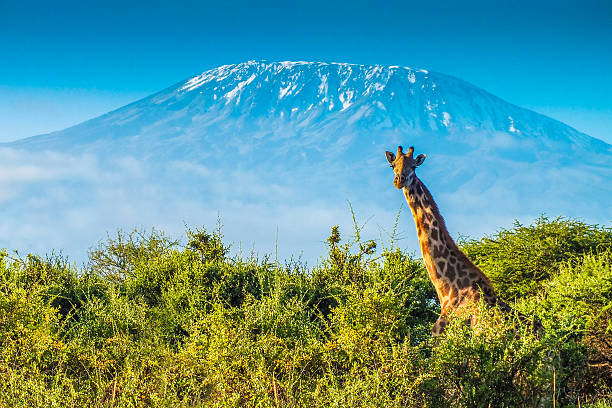
- Masai Giraffe
- Plains Zebra
- Warthog
- Hippopotamus
- Bushbuck
- Waterbuck
- Duiker
- Suni (tiny antelope)
- Spotted Hyena
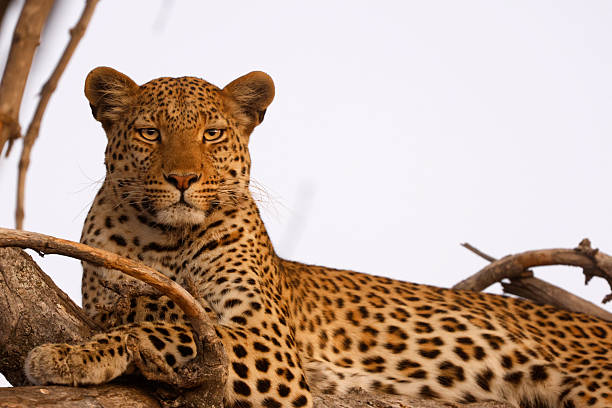
- Leopard (rare, forest)
- Serval Cat
- Lesser Flamingo (Momela Lakes)
- Greater Flamingo
- Pelican (Great White)
- African Fish Eagle
- Hamerkop
- Goliath Heron
Best spots: Colobus monkeys in the montane forest near the gate, buffalo and waterbuck on Ngurdoto Crater rim, flamingos and pelicans on Momela Lakes, giraffe on the open savannah plains.
Arusha National Park Gallery

Ngurdoto Crater & Momela Lakes
Ngurdoto Crater is a 3.5 km wide, 400 m deep volcanic crater often called "Little Ngorongoro." Unlike Ngorongoro, the crater floor is protected — no vehicles are allowed inside and only walking safaris with armed rangers can enter. The crater rim offers spectacular viewpoints (the main one is called "The Ark") where you can observe buffalo, warthog, waterbuck, and baboons on the swampy floor below. The steep crater walls are draped in lush montane forest that hosts colobus monkeys and abundant birdlife.
Momela Lakes are a series of seven shallow alkaline lakes located in the eastern sector of the park. Their colours shift between green, blue, and pink depending on the season and algae concentration. The lakes are a magnet for lesser flamingos (thousands during the wet season), great white pelicans, African fish eagles, and other waterbirds. A highlight of any visit is the canoeing safari on Momela Lakes — one of the few places in Tanzania where you can paddle among flamingos, hippos, and pelicans. The lakes are also a popular picnic spot with Mount Meru as a backdrop.
Best Time to Visit Arusha National Park
| Month | Season | Wildlife Highlights | Rating |
|---|---|---|---|
| Jan | Green | Flamingo numbers high on Momela Lakes. Lush forest. Excellent birding. | ★★★★☆ |
| Feb | Green | Good wildlife viewing. Flamingos present. Canoeing conditions good. | ★★★★☆ |
| Mar | Green / Rains | Flamingos peak. Forest greenest. Fewer tourists. Good for birders. | ★★★☆☆ |
| Apr | Long Rains | Wettest month. Canoeing possible. Best for birders. Lowest rates. | ★★☆☆☆ |
| May | Long Rains | Quietest period. Good for dedicated birders. Mount Meru trails wet. | ★★☆☆☆ |
| Jun | Dry | Clearing skies. Good game viewing. Canoeing season improves. | ★★★★☆ |
| Jul | Dry / Peak | Excellent all-round conditions. Flamingo numbers lower. Peak season. | ★★★★★ |
| Aug | Dry / Peak | Peak wildlife viewing. Mount Meru climbing conditions best. | ★★★★★ |
| Sep | Dry / Peak | Outstanding game viewing. Clear views of Kilimanjaro from Mount Meru. | ★★★★★ |
| Oct | End of dry | Hot and dry. Animals near water. Good game drives. | ★★★★☆ |
| Nov | Short Rains | Green season returns. Flamingos return. Good value shoulder period. | ★★★☆☆ |
| Dec | Short Rains | Lush landscapes. Birding excellent. Festive season. | ★★★☆☆ |
★ = Rating based on wildlife viewing quality, birding, canoeing conditions, Mount Meru climbing, crowds, and value. Dry season (Jul-Oct) scores highest.
Safari Activities in Arusha National Park
Classic game drives in 4x4 vehicles traverse the park's three main zones — the Ngurdoto Crater rim, Momela Lakes shoreline, and the open savannah between them. Canoeing safaris on Momela Lakes are a highlight, offering a unique perspective of flamingos, hippos, and waterbirds from the water. Walking safaris with armed rangers are particularly rewarding here — the park is one of the best in Tanzania for guided nature walks through montane forest looking for colobus monkeys. Birdwatching is outstanding with over 400 species recorded. Mount Meru trekking is a 3-4 day adventure that starts from within the park, climbing through forest, heath, and alpine zones to the summit (4,566 m). Picnic sites at the Momela Lakes provide stunning settings for lunch with Mount Meru views.
Accommodation in Arusha National Park
Arusha National Park has limited accommodation inside the park boundaries, but excellent options on the outskirts. Luxury: Hatari Lodge ($500-900/night) is a historic property on the park border with stunning Mount Meru views. Mid-Range: Kigongoni Lodge ($200-400/night) overlooks the park with tented suites and a pool, Momela Lodge ($150-350/night) inside the park offers charming cottages. Budget: The park has a public campsite ($30/night). Most visitors stay in Arusha city (25 km away) where accommodation ranges from budget hostels ($30-80) to luxury hotels ($200-600) and do Arusha as a day trip.
Arusha National Park Safari Cost & Fees
| Category | Price Per Person/Day | Includes |
|---|---|---|
| Budget | $150 – $250 | Camping, shared vehicle, meals, park fees |
| Mid-Range | $250 – $400 | Lodge/tented camp, private 4x4, meals, guide |
| Luxury | $400 – $700 | Premium lodge, private vehicle, gourmet meals |
| Ultra-Luxury | $700 – $1,500+ | Exclusive camps, butler service, private chef |
Park Entry Fee: $45/person/day (non-resident adult), $20 (child 5-15), free (under 5). East African residents pay TZS 15,000/adult/day. Vehicle: $40/day. Canoeing: $30-50/person. Walking safari included with entry. Mount Meru climbing fees are separate — contact us for details. Arusha is an affordable day trip and a perfect add-on to any Northern Circuit itinerary.
Frequently Asked Questions about Arusha National Park
Nearby Attractions
Arusha National Park is perfectly positioned at the gateway to Tanzania's Northern Safari Circuit.
- Kilimanjaro National Park (1.5 hours) — Africa's highest peak (5,895 m) and a UNESCO World Heritage Site. Climbing or a day hike on the Marangu route.
- Tarangire National Park (1.5 hours south) — Giant elephant herds, ancient baobab trees, and over 550 bird species in an intimate uncrowded setting.
- Lake Manyara National Park (2 hours west) — Tree-climbing lions, thousands of flamingos, lush groundwater forest, and the Rift Valley escarpment.
- Ngorongoro Crater (2.5-3 hours) — UNESCO World Heritage Site and one of Africa's best wildlife viewing areas, home to the Big Five and thousands of grazers inside an extinct caldera.
- Serengeti National Park (5-6 hours) — Tanzania's flagship park featuring the Great Migration of 1.5 million wildebeest, endless plains, and all Big Five species.
- Lake Natron (4 hours north) — Soda lake and breeding ground for lesser flamingos, with Ol Doinyo Lengai active volcano nearby.
- Chemka Hot Springs (1 hour east) — Crystal-clear natural spring with turquoise water, perfect for swimming and relaxation after a safari.
Arusha National Park is the ideal starting point for any Northern Circuit safari. Most itineraries combine it with Tarangire, Lake Manyara, Ngorongoro Crater, and Serengeti. See our Destination Hub for full packages.
Related Arusha National Park Safari Tours
Arusha Half-Day Safari
4-5 hour game drive covering Ngurdoto Crater, Momela Lakes, and colobus monkey spotting. Perfect add-on from Arusha city.
View TourMount Meru Climbing (4 Days)
Trek Tanzania's second-highest peak through pristine montane forest to summit views of Kilimanjaro. Expert guides and porters included.
View Tour5 Days Northern Circuit Safari
Explore Arusha, Tarangire, Ngorongoro Crater, and Lake Manyara with expert guides and premium accommodation.
View TourHow to Book Your Arusha National Park Safari
Booking your Arusha safari with African Majestic Adventure is simple. Here's how it works:
- Step 1: Choose your preferred itinerary or contact us for a custom plan tailored to your schedule.
- Step 2: Get a detailed quote including park fees, accommodation, transport, meals, and guide services — no hidden costs.
- Step 3: Confirm your booking with a 30% deposit. We handle all park reservations, lodging, and permits.
- Step 4: Receive your pre-travel briefing, packing list, and safari guide assignment 2 weeks before departure.
- Step 5: Arrive in Tanzania — we meet you at the airport and begin your adventure.
All our safaris include airport transfers, park entry fees, game drives, accommodation, meals, and an English-speaking guide. International flights and visas are not included. Custom itineraries are welcome — contact us for a personalized quote.