

.png)
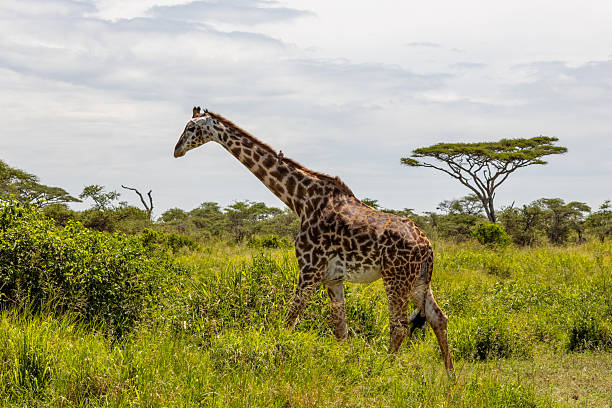
The Forest Cobra (Naja melanoleuca) is one of Africa's most fascinating and recognisable wildlife species, and a highlight of any East African safari. Classified within the Reptiles group, it is currently listed as Least Concern by the IUCN. Africa's largest cobra, a glossy black tree-climbing snake found in humid forest.
Wildlife enthusiasts travel from around the world to catch a glimpse of this remarkable animal. Its combination of beauty, behaviour and ecological importance makes it a firm favourite among safari-goers, photographers and conservationists alike. Across Uganda, guided game drives offer unforgettable close encounters.
As a carnivore, the Forest Cobra plays an important role in its ecosystem. Its presence supports the natural balance of the desert habitat, influencing vegetation, prey and predator populations, and enriching the landscape that so many other species depend upon.
Seeing the Forest Cobra in the wild is more than a thrill — it is a chance to support conservation. Sustainable tourism revenue directly funds anti-poaching patrols, habitat protection and community programmes, ensuring that future generations can continue to enjoy Africa's incredible wildlife heritage.
The Forest Cobra belongs to a family of animals well adapted to life in desert. Its scientific name Naja melanoleuca reflects its unique place in the natural world, and researchers continue to study its behaviour and genetics to better protect wild populations.
The Forest Cobra is instantly recognisable and wonderfully adapted to its environment. Here are the key physical traits that make it so special:
Like many African species, the Forest Cobra shows some differences between the sexes. Here's a quick comparison:
| Characteristic | Male | Female |
|---|---|---|
| Weight | Typically larger and heavier | Generally smaller and lighter |
| Size | Often slightly longer | Usually slightly shorter |
| Appearance | More pronounced features | More streamlined build |
| Role | Competes for territory and mates | Core of family groups and care |
| Behaviour | May roam singly or in bachelor groups | Often found with young and relatives |
| Lifespan | 20-30 yrs | 20-30 yrs (often slightly longer) |
Fun Fact: Males of the species can reach weights of around 1-3 kg — an impressive sight in the wild.
The next generation of forest cobra is the heart of every population. Mothers invest heavily in their offspring, and young animals learn vital survival skills from experienced adults.
Watching a newborn take its first steps, watched over by attentive adults, is one of the most heartwarming sights on any African safari.
The Forest Cobra is found across Uganda, with key populations in Uganda's rainforests. It is most at home in Desert environments.
It is adaptable across a range of altitudes and climates, from lowland plains to higher woodland, as long as its core needs are met. Conservation areas play a crucial role in securing these habitats for the long term.
The Forest Cobra is found primarily in Uganda. The map below highlights the key range countries:
Core populations concentrated in East and Southern Africa.
The species' range overlaps several famous safari destinations, making Uganda the best place to encounter it in the wild. Protected national parks safeguard the largest and healthiest populations.
Forest Cobra can be seen in several world-famous parks and reserves. Here are the top places to look:
Best: Jun-Oct (Dry) | Region: Uganda
High Sightings
Tip: Ask your guide about the best local hotspots for the Forest Cobra.
A closer look at the Forest Cobra in its natural East African habitat — its striking appearance, habitat and behaviour are best appreciated up close.
Plan your trip around the destinations and safaris where the Forest Cobra is easiest to see. Explore the parks, itineraries and tour packages by destination below.
The Forest Cobra is a Carnivore, and its feeding habits are perfectly matched to the desert landscape it calls home.
Understanding what the Forest Cobra eats helps safari guides find it and helps conservationists protect the habitats it depends on.
Morning (6am–10am): Active foraging while temperatures are cool.
Midday (10am–3pm): Rest and conserve energy in the shade.
Afternoon (3pm–6pm): Resume feeding and move toward water sources.
Night: Continue activity under the cover of darkness.
In the wild, the Forest Cobra must stay alert. Large predators such as lions, leopards and hyenas may pose a threat, particularly to young or weak individuals. Its best defences are vigilance, speed and group protection.
Watching tip: Early-morning and late-afternoon game drives offer the best chance to observe active behaviour, social interactions and feeding.
IUCN Red List Status: Least Concern.
Protected national parks and reserves are the backbone of conservation for the Forest Cobra. Organisations such as African Parks and WWF work with governments to fund anti-poaching units, restore habitat and support local communities. In Tanzania, TAWIRI monitors wild populations to ensure healthy, sustainable numbers.
| Feature | Forest Cobra | African Rock Python |
|---|---|---|
| Weight | 1-3 kg | up to 90 kg |
| Size | Up to 3.2 m long | Up to 6 m long |
| Speed | 15 km/h | 10 km/h |
| Lifespan | 20-30 yrs | 20-30 yrs |
| Diet | Carnivore | Carnivore |
| Feature | Forest Cobra | Black Mamba |
|---|---|---|
| Weight | 1-3 kg | 1.5-2.5 kg |
| Size | Up to 3.2 m long | Up to 4.5 m long |
| Speed | 15 km/h | 20 km/h |
| Lifespan | 20-30 yrs | 11-15 yrs |
| Diet | Carnivore | Carnivore |
| Feature | Forest Cobra | Boomslang |
|---|---|---|
| Weight | 1-3 kg | 0.5-1.5 kg |
| Size | Up to 3.2 m long | Up to 1.8 m long |
| Speed | 15 km/h | 10 km/h |
| Lifespan | 20-30 yrs | 8-12 yrs |
| Diet | Carnivore | Carnivore |
Across the African continent, the Forest Cobra holds a special place in culture, folklore and art.
The Forest Cobra (Naja melanoleuca) is a remarkable African wildlife species, classified within the Reptiles group. Africa's largest cobra, a glossy black tree-climbing snake found in humid forest.
The best places to see the Forest Cobra include Uganda's rainforests. Its key range countries are Uganda.
The Forest Cobra is a carnivore, feeding mainly on other animals found in its desert habitat.
Adults typically reach Up to 3.2 m long.
Adults can weigh up to around 1-3 kg.
The Forest Cobra can move at speeds of up to 15 km/h.
In the wild, the Forest Cobra typically lives 20-30 yrs.
The Forest Cobra is currently listed as Least Concern on the IUCN Red List. Conservation efforts across Uganda aim to keep populations healthy.
The Forest Cobra is most at home in Desert environments, including Uganda's rainforests.
Key threats include habitat loss, climate change, and human-wildlife conflict.
The Forest Cobra is often active in the cooler hours of dawn and dusk, spending much of the day resting. It is highly alert and well adapted to its desert home.
Yes — the Forest Cobra is often found in groups, where shared awareness and cooperation improve survival.
Large predators such as lions, leopards and hyenas may threaten the Forest Cobra, especially young or weak individuals.
The dry season (June to October) is generally best for wildlife viewing, when animals gather around reliable water sources.
Across Uganda, the Forest Cobra symbolises strength, resilience and the untamed spirit of the African wilderness.
Mothers give birth to a single young and raise it with intense care, teaching it to find food and avoid danger.
It communicates using a combination of calls, scent and body language.
As a reptiles species, the Forest Cobra helps maintain the balance of its ecosystem, influencing vegetation, prey and predator populations.
Absolutely — early-morning and late-afternoon drives in Uganda's rainforests offer superb photography opportunities.
Classic game drives in national parks and reserves offer the best and most reliable encounters.
Choose responsible safari operators, support conservation organisations, and respect wildlife rules while on safari.
Yes — protected parks, anti-poaching units and organisations like African Parks and WWF work to secure its future.
From its size and behaviour to its role in the ecosystem, the Forest Cobra is one of the most fascinating animals on an African safari.
Tanzania is a world-class safari destination with exceptional wildlife viewing — ideal for seeing the Forest Cobra and much more.
Accurate numbers vary by region, but protected populations across Uganda remain the focus of active conservation monitoring.
Book a safari to see the Forest Cobra and the rest of Africa's incredible wildlife with our expert guides.