.png)
Your Complete Rongai Route Planner
What is the Rongai Route?
The Rongai Route is the only approach to Mount Kilimanjaro from the northern side, making it a uniquely remote and uncrowded alternative to the popular southern routes like Machame and Marangu. Starting at the Rongai Gate (Nalemoru) at 1,950m on the northeastern flank of the mountain, the route traverses through pine forests, open moorland, and across the saddle between Kibo and Mawenzi before summiting via the eastern side. At approximately 65 km in length with a recommended duration of 6-7 days, Rongai offers a moderate difficulty climb with an impressive 82% summit success rate. The route descends via the Marangu Route on the southern side, providing climbers with a complete circumnavigation experience and two different perspectives of the mountain. Rongai is particularly favoured by those seeking solitude, spectacular wilderness, and a genuine off-the-beaten-path Kilimanjaro experience.
Why Choose the Rongai Route?
The Rongai Route stands apart from every other path up Kilimanjaro for several compelling reasons. As the only northern approach route, it offers a completely different perspective of the mountain — you approach Kibo from the dry, stark northern flank and traverse between Kibo and Mawenzi, a landscape few southern-route climbers ever see. The Rongai Route is the quietest and least crowded of all Kilimanjaro routes, with far fewer trekkers than Machame or Marangu, ensuring a serene wilderness experience where the sounds of the mountain replace the chatter of crowded trails. The trail passes through an area of the park that is home to colobus monkeys, elephant, buffalo, duiker, and bushbuck, offering the best wildlife-viewing opportunities of any Kilimanjaro route. The moderate gradient and slightly longer acclimatisation profile — particularly when spread over 7 days — contribute to the excellent 82% success rate. For climbers who value solitude, remote beauty, and a genuine expedition feel, the Rongai Route is the perfect choice.
Route Profile & Key Details
| Attribute | Detail |
|---|---|
| Starting Point | Rongai Gate (Nalemoru Gate) — 1,950m |
| Summit | Uhuru Peak — 5,895m |
| Total Distance | ~65 km (ascending ~50 km, descending ~15 km) |
| Duration | 6-7 days recommended (7 days for best acclimatisation) |
| Difficulty | Moderate — suitable for fit first-time trekkers |
| Success Rate | 82% (with 7-day itinerary) |
| Descent Route | Marangu Route (southern side) |
| Crowd Level | Low — quietest of all Kilimanjaro routes |
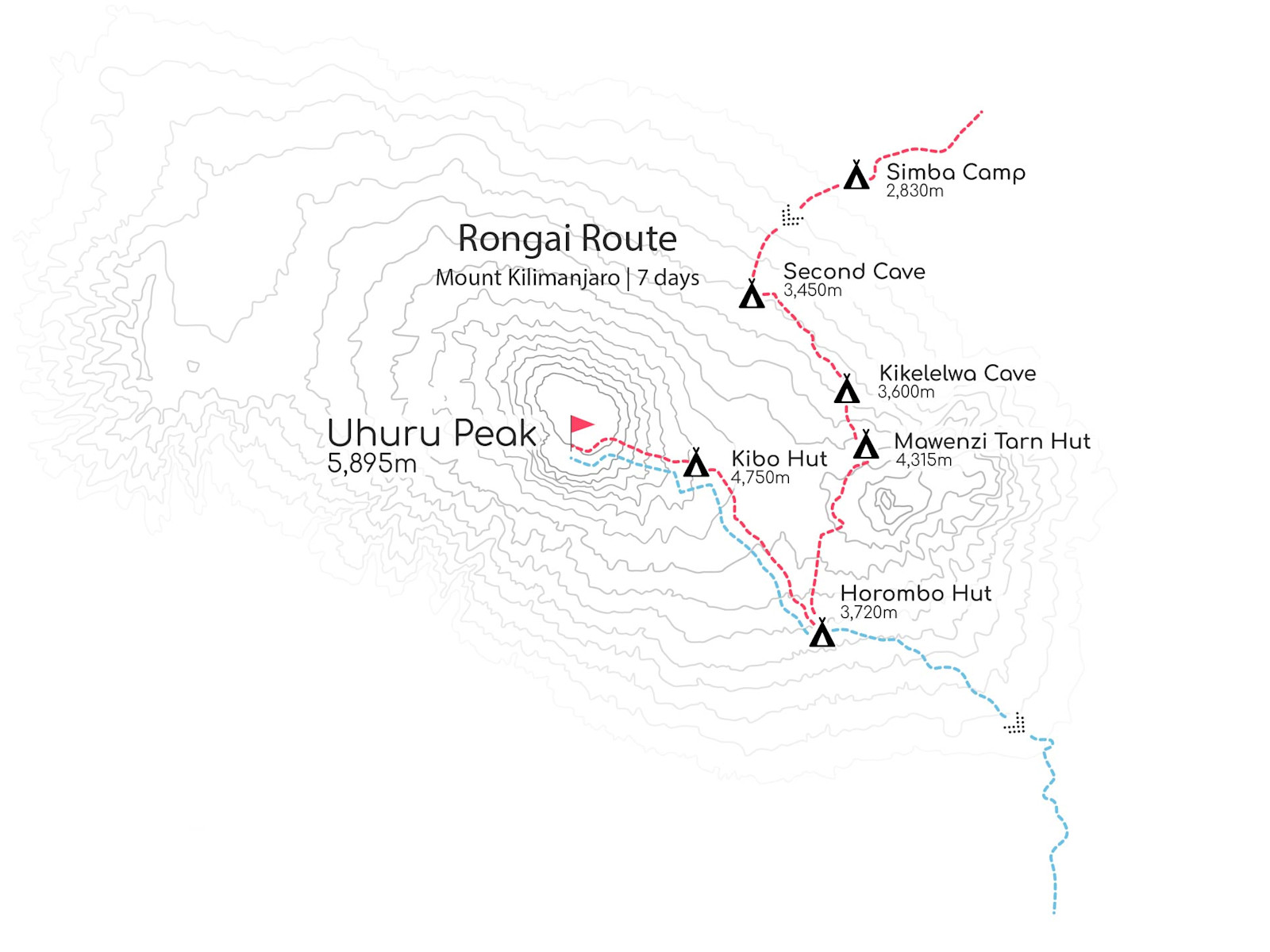
Rongai Route Itinerary (7-Day Recommended)
Day 1: Arrival in Tanzania — Arrive at Kilimanjaro International Airport. Transfer to your hotel in Moshi or Arusha for a pre-climb briefing, gear check, and overnight rest. Altitude: 890m.
Day 2: Rongai Gate to Simba Camp — Drive from Moshi to the Rongai Gate (Nalemoru) at 1,950m. After park formalities, begin trekking through montane forest and farmland. The trail gently climbs through pine and podocarpus forest to reach Simba Camp at 2,625m. Duration: 3-4 hours hiking. Wildlife sightings of colobus monkeys are common.
Day 3: Simba Camp to Second Cave — Continue ascending through open moorland with heather and giant lobelias. The landscape opens up dramatically as you traverse the northern slopes. Arrive at Second Cave (3,450m) for the night. Duration: 5-6 hours hiking. Excellent views of Mawenzi peak ahead.
Day 4: Second Cave to Kikelewa Cave — Trek across a rolling plateau of alpine desert toward the base of Mawenzi. The vegetation thins as you climb higher. Reach Kikelewa Cave at 3,630m, nestled beneath the cliffs of Mawenzi. Duration: 4-5 hours hiking. This is a key acclimatisation day.
Day 5: Kikelewa Cave to Mawenzi Tarn Camp — A shorter but steeper climb up to the stunning Mawenzi Tarn Camp at 4,330m, situated beside a glacial tarn at the foot of the dramatic Mawenzi peak. Afternoon acclimatisation walk to the ridge for panoramic views. Duration: 3-4 hours hiking.
Day 6: Mawenzi Tarn to Kibo Hut — Traverse the vast saddle between Mawenzi and Kibo — a barren, lunar-like landscape of volcanic rock and scree. Reach Kibo Hut at 4,703m, the last camp before summit night. Early dinner and rest. Duration: 5-6 hours hiking.
Day 7: Summit Day — Kibo Hut to Uhuru Peak to Horombo Hut — Awake at midnight for the final summit push. Ascend by headlamp through switchbacks on the eastern side of Kibo, passing Hans Meyer Cave and the glacial ice fields. Reach Gilman's Point (5,681m) on the crater rim at sunrise, then continue along the rim to Uhuru Peak (5,895m) — the highest point in Africa. After celebration and photos, descend back to Kibo Hut for a short rest, then continue down the Marangu Route to Horombo Hut (3,720m). Duration: 14-16 hours total. This is the most physically demanding day.
Day 8: Horombo Hut to Marangu Gate — Descend through moorland and lush rainforest to the Marangu Gate (1,860m). Receive your summit certificate, meet your transfer vehicle, and return to Moshi/Arusha for a hot shower and celebration dinner. Duration: 5-6 hours hiking.
Wildlife on the Rongai Route
The Rongai Route crosses through the montane forest zone on Kilimanjaro's northern slope, an area that supports a surprising diversity of wildlife uncommon on other routes. Key species you may encounter include:
- Colobus Monkey
- Elephant (rare)
- Buffalo (rare)
- Duiker
- Bushbuck
- Hyrax
- Sykes Monkey
- Leopard (rare)
- Mongoose
- Genet Cat
- Sunbird
- White-necked Raven
- Augur Buzzard
- Verreaux's Eagle
- Mountain Chameleon
- Tree Hyrax
Best spots: Colobus monkeys are frequently seen in the forest section between Rongai Gate and Simba Camp. Elephant and buffalo are occasionally spotted near the lower trails, though sightings are rare. Hyrax and birds become more common in the alpine zone above 3,000m.
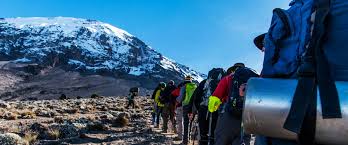
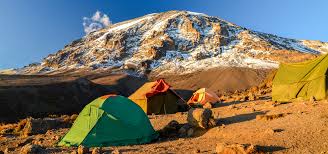
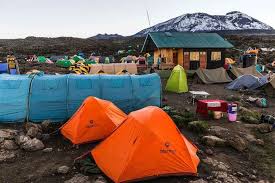
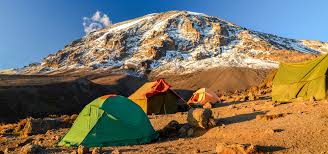
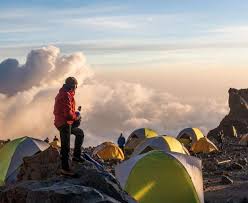
Rongai Route Gallery
Best Time to Climb the Rongai Route
| Month | Season | Climbing Conditions | Rating |
|---|---|---|---|
| Jan | Dry / High | Clear skies, moderate crowds. Excellent summit conditions. | ★★★★★ |
| Feb | Dry / High | Best month for summit clarity. Warm days, cold nights. | ★★★★★ |
| Mar | Short Rains | Increasing cloud and afternoon showers. Lower crowds. | ★★★☆☆ |
| Apr | Long Rains | Wettest month. Trails slippery. Summit obscured. Not recommended. | ★☆☆☆☆ |
| May | Long Rains | Heavy rain continues. Very low crowds. Budget-friendly but challenging. | ★★☆☆☆ |
| Jun | Dry Start | Rains ease. Skies clearing. Trails improving. Good wildlife. | ★★★★☆ |
| Jul | Dry / Peak | Peak season. Clear mornings, stable weather. Best visibility. | ★★★★★ |
| Aug | Dry / Peak | Excellent summit conditions. Busy on descent (Marangu). | ★★★★★ |
| Sep | Dry / Peak | Outstanding climbing conditions. Warm days, clear skies. | ★★★★★ |
| Oct | End of Dry | Still excellent. Fewer crowds than peak. Good summit rate. | ★★★★☆ |
| Nov | Short Rains | Afternoon showers return. Greener landscapes. Lower rates. | ★★★☆☆ |
| Dec | Short Rains | Mixed weather. Festive season crowds. Decent conditions. | ★★★☆☆ |
★ = Rating based on summit success likelihood, trail conditions, visibility, temperature comfort, and crowd levels. Best climbing window: June through October and January through February.
Accommodation on the Rongai Route
The Rongai Route uses tented camping throughout the climb, as there are no permanent huts on the northern side of Kilimanjaro. All camping equipment is carried by porters and set up by your crew at each camp. Camping on the mountain — Our deluxe mountain tents (spacious 3-person tents used for 2 people) are equipped with thick foam sleeping mats. We provide mess tents, camp tables and chairs, and portable toilet tents for your comfort. Pre- and Post-Climb Accommodation — Your package typically includes one night at a hotel in Moshi or Arusha before and after the climb. Options range from budget guesthouses ($50-80/night) to mid-range lodges ($100-200/night) and luxury hotels ($250-500/night). We recommend the Charming Lodge in Moshi or Arusha Planet Lodge for the best balance of comfort, proximity, and value. All pre-climb accommodation includes breakfast and airport transfers.
Rongai Route Climb Cost & Fees
| Category | Price Per Person | Includes |
|---|---|---|
| Budget (6 days) | $1,600 – $2,100 | Park fees, camping equipment, meals, guide, porters, transfers |
| Standard (7 days) | $2,100 – $2,800 | All park fees, quality tent, 3 meals daily, experienced guide, porters, mess tent |
| Premium (7 days) | $2,800 – $3,800 | Premium tent, private toilet, gourmet meals, summit porter, extra acclimatisation day |
| Luxury (7 days) | $3,800 – $5,500 | Luxury camping, private guide/chef/porter, VIP park access, hot showers, pre/post luxury hotel |
Park Entry Fee: $70/person/day (included in package). Camping Fee: $50/person/night. Rescue Fee: $20/person (mandatory). Guide & Porter Crew: Included in all our packages. Tips: Recommended $250-350 per climber for the full crew (shared among guides, porters, cook). All our packages are all-inclusive with no hidden fees. Contact us for a detailed breakdown and custom quote.
Frequently Asked Questions about the Rongai Route
Nearby Attractions
The Rongai Route is located on the northeastern side of Mount Kilimanjaro, with several outstanding destinations within easy reach of Moshi and Arusha.
- Machame Route — Kilimanjaro's most popular scenic route from the southern side. Known as the "Whiskey Route," it offers stunning views, diverse vegetation zones, and a challenging but rewarding climb.
- Lemosho Route — A longer, more remote western approach with high success rates and spectacular scenery across the Shira Plateau. Ideal for trekkers seeking wilderness and thorough acclimatisation.
- Marangu Route — The only route with hut accommodation, known as the "Coca-Cola Route." Rongai climbers descend via this route, experiencing the lush southern rainforest on their way out.
- Mount Meru — Tanzania's second-highest peak at 4,566m, located in Arusha National Park. A fantastic warm-up trek for Kilimanjaro, offering wildlife viewing and stunning crater views.
- Arusha National Park — A compact but diverse park with Mount Meru, Ngurdoto Crater, Momella Lakes, and excellent game viewing including giraffe, buffalo, zebra, and flamingos.
Moshi town is the main base for Rongai Route climbs, with Arusha just 60 km away offering additional safari and travel connections. See our Destination Hub for full packages.
Related Kilimanjaro Tours & Packages
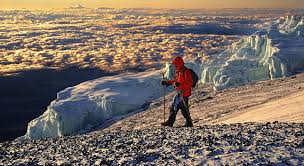
7 Days Rongai Route Climb
The ultimate Rongai experience with an extra acclimatisation day. Summit Kilimanjaro via the quiet northern approach, descend through the rainforest on Marangu. All-inclusive with expert guides.
View Tour
8 Days Lemosho Route Climb
Kilimanjaro's most scenic western route with the highest success rate. Cross the Shira Plateau, traverse the southern ice fields, and summit via Stella Point. Perfect for those seeking a wilderness trek.
View Tour12 Days Kilimanjaro & Safari Combo
Climb Kilimanjaro via the Rongai Route then recover on a 4-day Tanzania safari. Visit Tarangire, Serengeti, Ngorongoro Crater, and Lake Manyara. The ultimate Tanzanian adventure.
View TourHow to Book Your Rongai Route Climb
Booking your Rongai Route climb with African Majestic Adventure is simple. Here's how it works:
- Step 1: Choose your preferred itinerary or contact us for a custom plan tailored to your schedule and fitness level.
- Step 2: Get a detailed quote including park fees, accommodation, transport, meals, crew, and guide services — no hidden costs.
- Step 3: Confirm your booking with a 30% deposit. We handle all park reservations, route permits, and camping logistics.
- Step 4: Receive your pre-travel briefing, packing list, and guide assignment 2 weeks before departure.
- Step 5: Arrive in Tanzania — we meet you at Kilimanjaro International Airport and begin your adventure.
All our climbs include airport transfers, park entry fees, camping fees, rescue fees, meals on the mountain, drinking water, professional guide, porters, cook, mess tent, and pre- & post-climb accommodation. International flights, visas, travel insurance, and crew tips are not included. Custom itineraries are welcome — contact us for a personalised quote.