

.png)
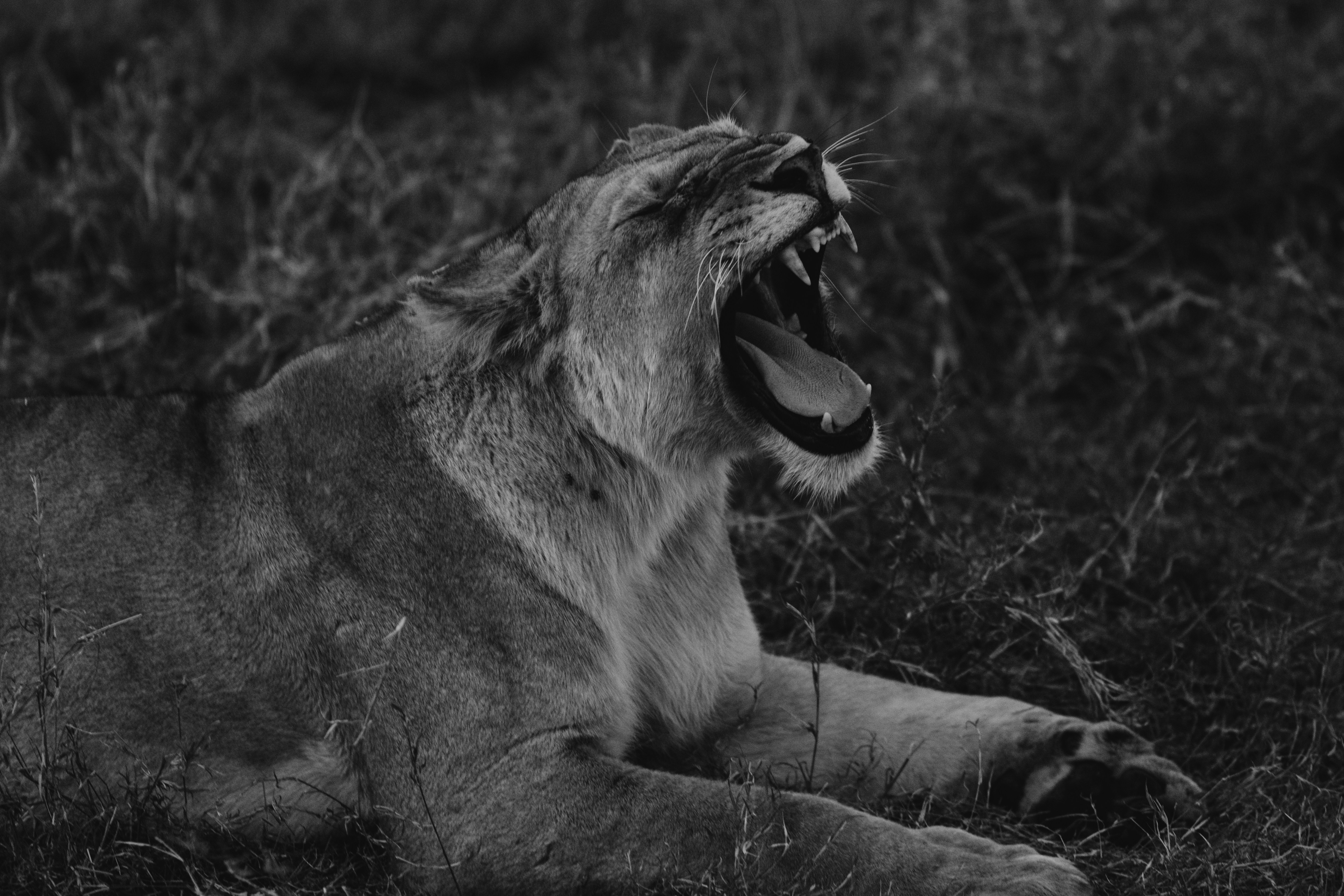
8 Days Tanzania Safari: Serengeti & Ngorongoro
Introduction
Embark on an extraordinary 8-day Tanzania safari through the country's most iconic wildlife destinations. From the elephant-filled baobab landscapes of Tarangire to the infinite golden plains of the Serengeti, the spectacular Ngorongoro Crater, and the scenic Lake Manyara, this carefully crafted itinerary delivers Tanzania's finest wildlife encounters. Witness the Great Migration, track the Big Five, and immerse yourself in Africa's untamed wilderness with expert guides and premium accommodations.
Why This Safari?
Big Five Guaranteed
Excellent chances of seeing all Big Five members across four diverse parks. Ngorongoro Crater offers the highest density of wildlife in Africa, including the endangered black rhino.
Great Migration Viewing
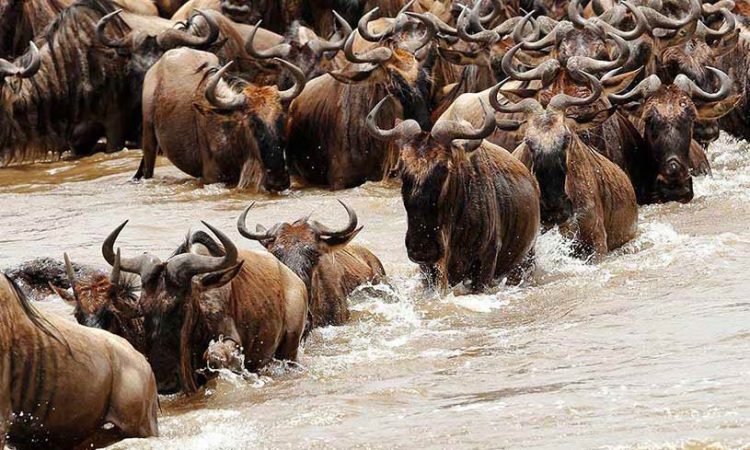
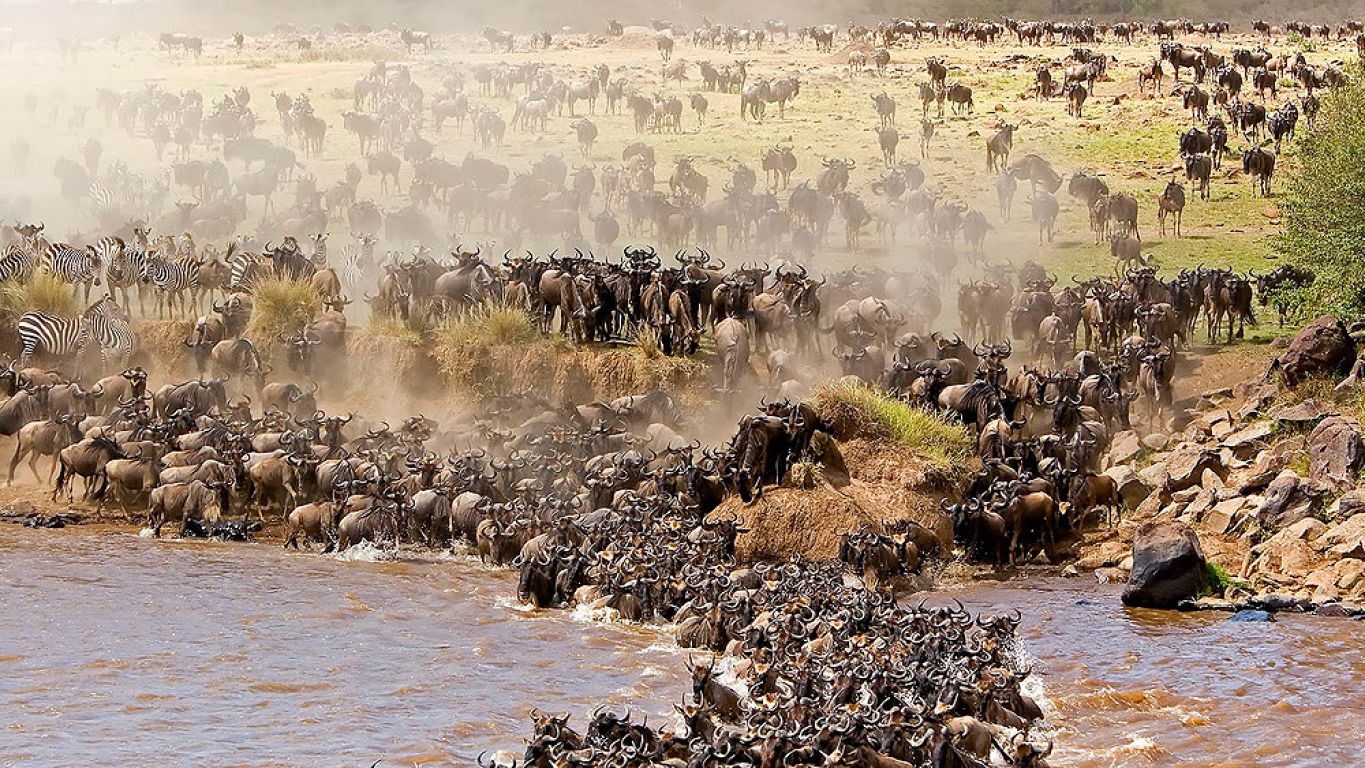
Depending on the season, witness the greatest wildlife spectacle on Earth. From calving season in the south to dramatic river crossings in the north, your guide positions you perfectly.
Ngorongoro Crater
Descend 600 metres into the world's largest intact volcanic caldera, a UNESCO World Heritage Site teeming with wildlife. Nowhere else on Earth offers such concentrated game viewing.
Expert Safari Guides
Our guides are among Tanzania's finest, with decades of experience tracking wildlife, understanding animal behaviour, and ensuring you capture the perfect photograph.
Premium Lodges & Camps
Stay in carefully selected mid-range lodges and luxury tented camps that combine comfort with authentic safari atmosphere. Each property offers unique views and exceptional service.
All-Inclusive Package
No hidden costs. Your package includes park fees, full board meals, professional guide, 4x4 transport, and airport transfers. Just bring your camera and sense of adventure.
Tour Highlights
- Serengeti game drives across endless golden plains
- Ngorongoro Crater full day descent and game tour
- Tarangire elephant herds beneath ancient baobab trees
- Lake Manyara tree-climbing lions and pink flamingos
- Big Five spotting: lion, leopard, elephant, buffalo, rhino
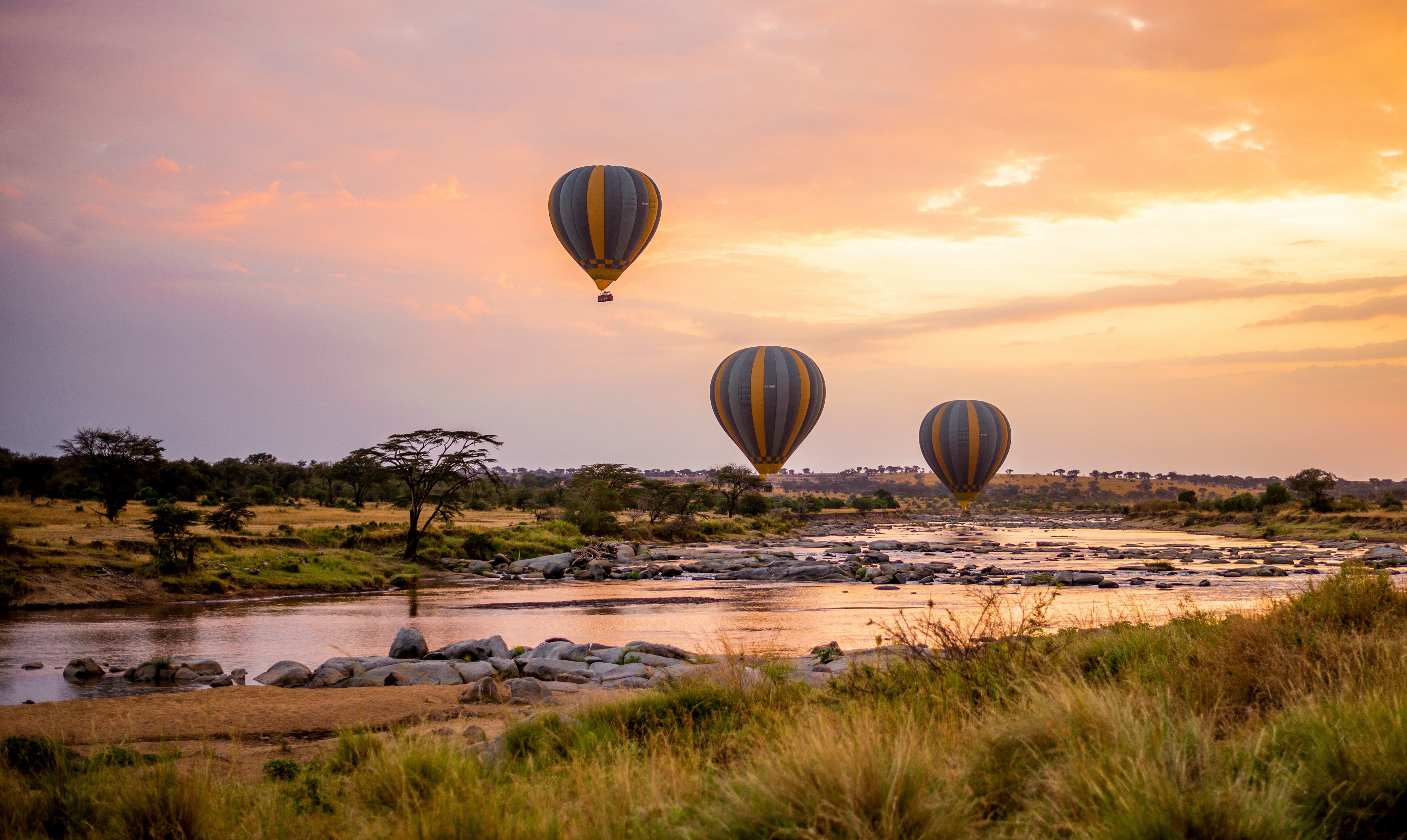
- Sundowner cocktails overlooking the African savannah
- Maasai village cultural visit and interactions
- Photography opportunities at every turn
Detailed Itinerary
Each day is carefully crafted to maximise your wildlife encounters while ensuring comfort and relaxation. Below you will find a complete breakdown of every day, from morning game drives to evening sundowners at your lodge.
Arrive Arusha & Transfer to Lodge
Upon arrival at Kilimanjaro International Airport (JRO), you will be warmly welcomed by your professional safari guide. After helping with your luggage, your guide will provide a comprehensive briefing about your 8-day adventure ahead. The scenic drive to Arusha takes you through lush coffee plantations and traditional Tanzanian villages with views of Mount Meru in the distance. Check into your Arusha lodge and enjoy a welcome dinner while your guide reviews the itinerary and answers any questions. Overnight at your Arusha lodge.
Arusha → Tarangire National Park
After an early breakfast, depart Arusha for Tarangire National Park, one of Tanzania's most underrated gems. Tarangire is famous for its massive elephant herds — the largest concentration in northern Tanzania — and its surreal landscape dotted with ancient baobab trees. The 2,850 sq km park is named after the Tarangire River, which becomes a lifeline for wildlife during the dry season. Spend the day exploring the park's diverse habitats: open savannah, acacia woodlands, seasonal swamps, and riverine forests. Expect to see elephants, zebras, wildebeests, giraffes, buffalo, lions, and over 500 bird species including the striking yellow-collared lovebird.
Tarangire → Serengeti National Park
After breakfast, depart Tarangire and journey toward the world-famous Serengeti National Park. The route passes through the Ngorongoro Highlands, offering spectacular views of the Great Rift Valley escarpment. Enter Serengeti through the Naabi Hill Gate and immediately begin game viewing as you descend into the endless plains. The Central Serengeti (Seronera area) is renowned for its year-round resident wildlife and is the heart of the park. Expect to see large prides of lions, cheetahs on the hunt, herds of zebras and wildebeests, giraffes, and the elusive leopard frequently spotted in the Seronera River valley.
Full Day Serengeti — Great Migration Tracking
A full day dedicated to exploring the vast Serengeti ecosystem. Depending on the season, your guide will position you for optimal wildlife viewing — whether that means tracking the Great Migration herds or focusing on resident predators in the Seronera area. The Serengeti spans 15,000 sq km, and each region offers unique wildlife experiences. During the dry season (June-October), the migration herds concentrate in the northern Serengeti, preparing for dramatic Grumeti River crossings. In the wet season (November-May), the herds spread across the southern and eastern plains, with calving season peaking in February. Your expert guide knows exactly where to go for the best sightings of the day.
Serengeti → Ngorongoro Conservation Area
After an early morning game drive in the Serengeti, begin your journey to the Ngorongoro Conservation Area, a UNESCO World Heritage Site and one of Africa's most remarkable geological features. The drive takes you through the stunning Ngorongoro Highlands, with views of volcanic craters, rolling green hills, and Maasai bomas dotting the landscape. Check into your lodge perched on the crater rim, offering breathtaking views of the Ngorongoro Crater floor 600 metres below. The afternoon is at leisure to relax and absorb the incredible scenery, with optional walks around the crater rim or visits to a Maasai village.
Ngorongoro Crater — Full Day Crater Tour
Today you descend into the Ngorongoro Crater, the world's largest intact volcanic caldera, for a full day of extraordinary game viewing. The crater was formed when a massive volcano collapsed inward 2.5 million years ago, creating a natural enclosure 260 sq km in area with walls rising 600 metres high. The crater floor is a self-contained ecosystem featuring grasslands, swamps, forests, and a large soda lake. It supports approximately 25,000 large mammals, including the endangered black rhino, making it one of the best places in Africa to spot this elusive species. The crater is also famous for its dense lion population and large tusked elephants.
Ngorongoro → Lake Manyara National Park
After breakfast, depart the Ngorongoro Highlands and descend to Lake Manyara National Park, one of Tanzania's most scenic and ecologically diverse parks. Lake Manyara is famous for three things: its tree-climbing lions (a rare behaviour unique to this park and Uganda's Ishasha sector), its vast flocks of pink flamingos, and its lush groundwater forest. The park covers 330 sq km, of which the alkaline lake itself occupies 230 sq km during the wet season. The narrow strip of land between the Rift Valley escarpment and the lake creates a unique habitat that supports an incredible diversity of wildlife including elephants, giraffes, zebras, wildebeests, and over 400 bird species.
Lake Manyara → Arusha — Departure
Your final day begins with a morning game drive in Lake Manyara National Park, when wildlife is most active and the light is perfect for photography. After a memorable farewell breakfast back at the lodge, begin your transfer back to Arusha and Kilimanjaro International Airport. Depending on your flight schedule, you may have time for a final lunch in Arusha, shopping for Tanzanian handicrafts at the Cultural Heritage Centre or Maasai Market, or a quick visit to the Arusha Declaration Monument. Your guide will ensure you arrive at the airport in plenty of time for your departure flight.
Included / Excluded
| Included |
|
|---|---|
| Excluded |
|
| Transport |
|
Best Time to Visit Tanzania
| Month | Season | Wildlife Viewing | Weather | Rating |
|---|---|---|---|---|
| January – February | Dry Season | Excellent – Calving season in Serengeti | Warm days, cool nights | |
| March – April | Wet Season (Long Rains) | Good – Birds abundant, lush scenery | Heavy afternoon rains | |
| May | End of Long Rains | Good – Fewer tourists | Overcast, occasional rain | |
| June – July | Dry Season | Excellent – Peak migration viewing | Cool mornings, clear skies | |
| August – September | Dry Season | Excellent – River crossings | Warm days, cool nights | |
| October – November | Short Rains | Very Good – Green season begins | Brief afternoon showers | |
| December | Dry Season | Very Good – Calving begins | Warm, sunny |
Animals You'll See on This Safari
Tanzania's northern circuit is home to an extraordinary diversity of wildlife. Here is a comprehensive guide to the animals you can expect to encounter on your journey.
African Lion
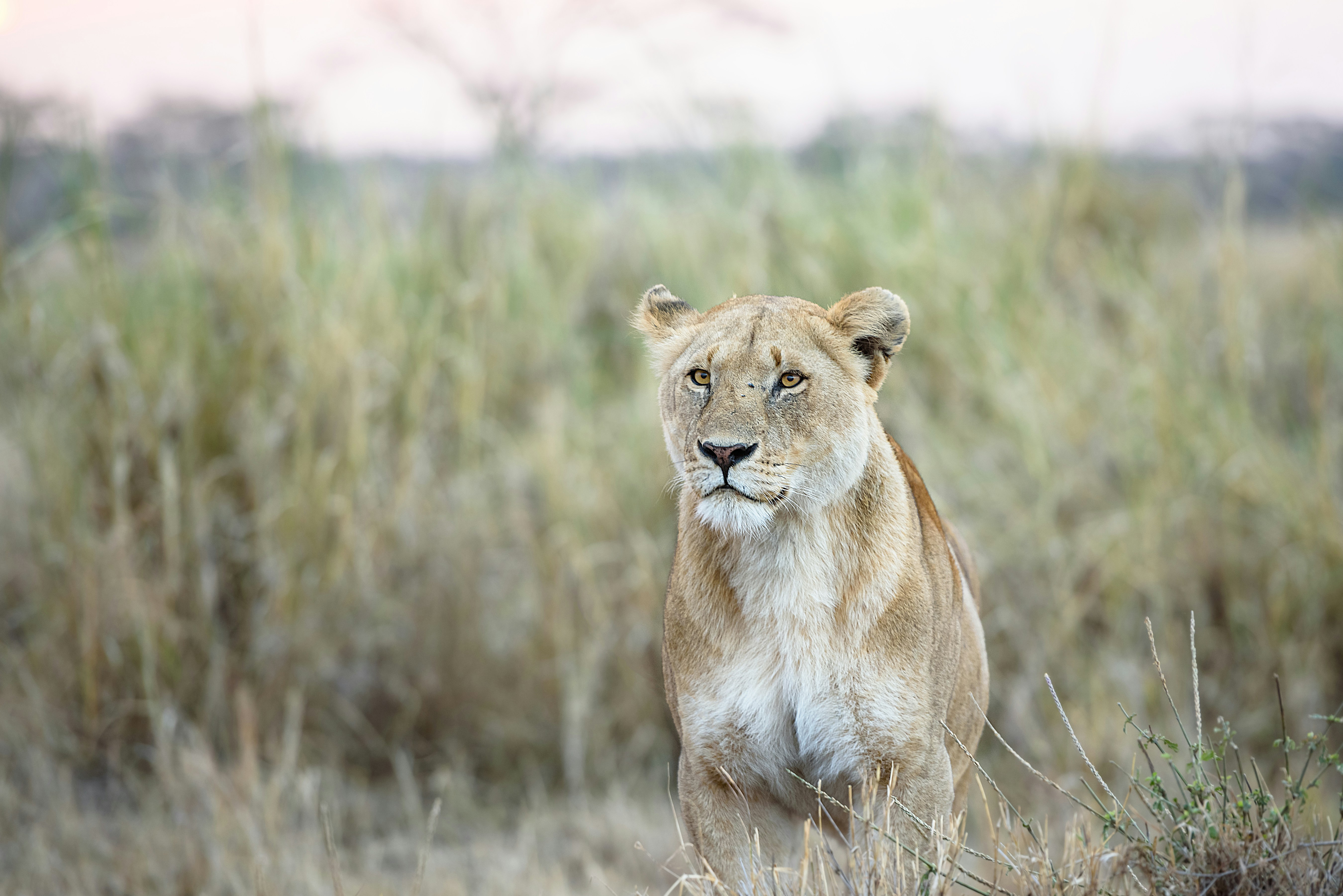
Serengeti and Ngorongoro have the highest lion density in Africa. Watch prides rest on kopjes and hunt at dusk.
Leopard
Elusive and graceful. Best spotted in the Seronera River valley and along the Tarangire River, often resting in sausage trees.
African Elephant
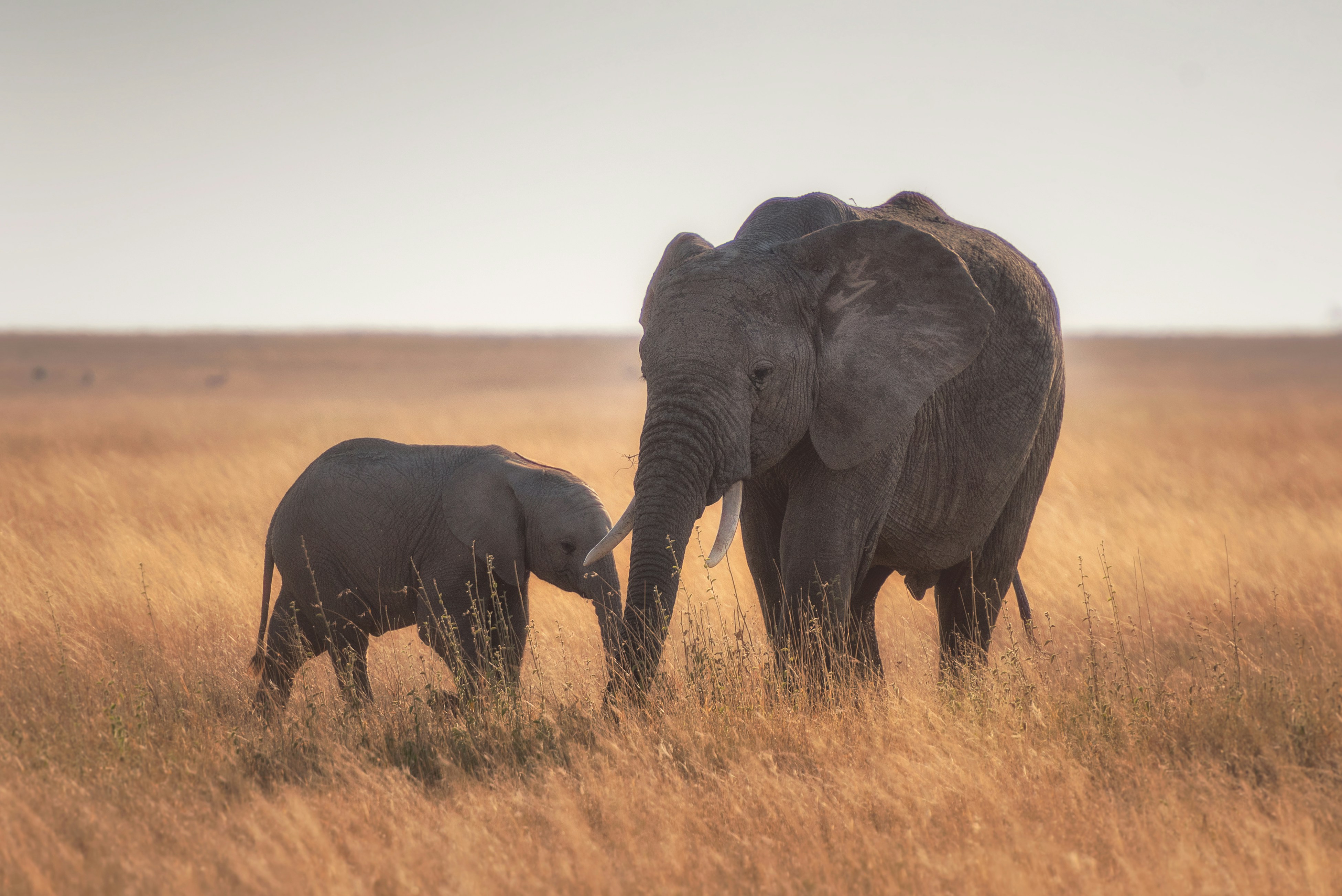
Tarangire boasts the largest elephant concentration in northern Tanzania. Watch family herds of 50-100 individuals.
Black Rhino
Endangered and rare. Ngorongoro Crater offers the best chance to spot black rhino in their natural habitat.
African Buffalo
Massive herds of Cape buffalo roam the Serengeti plains. Often seen near water sources with oxpeckers on their backs.
Maasai Giraffe
Graceful and photogenic. Serengeti and Tarangire have healthy populations of these gentle giants.
Plains Zebra
Millions of zebras migrate alongside wildebeest. Their distinctive stripes make them a photographer's favourite.
Nile Crocodile
Grumeti and Mara River crossings are dominated by massive crocodiles waiting for the migration herds.
Hippopotamus
Hippo pools in Serengeti and Ngorongoro offer spectacular viewing. Watch them emerge at sunset to graze.
Cheetah
The fastest land animal. Serengeti's open plains are the best place in Africa to watch cheetahs hunt.
Greater Flamingo
Lake Manyara and Ngorongoro's soda lakes host thousands of pink flamingos creating unforgettable vistas.
African Fish Eagle
Iconic call of the African wilderness. Often seen perched near lakes and rivers across all parks.
Destinations You'll Explore
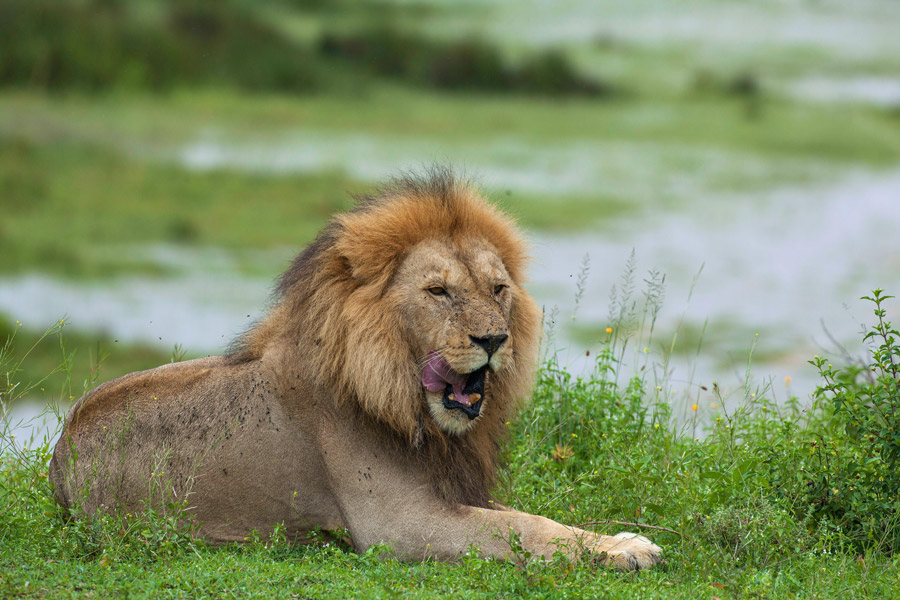
Tarangire National Park
Known for its massive elephant herds and iconic baobab trees, Tarangire offers one of the highest concentrations of wildlife in northern Tanzania. The Tarangire River attracts animals year-round, making it a premier game viewing destination.
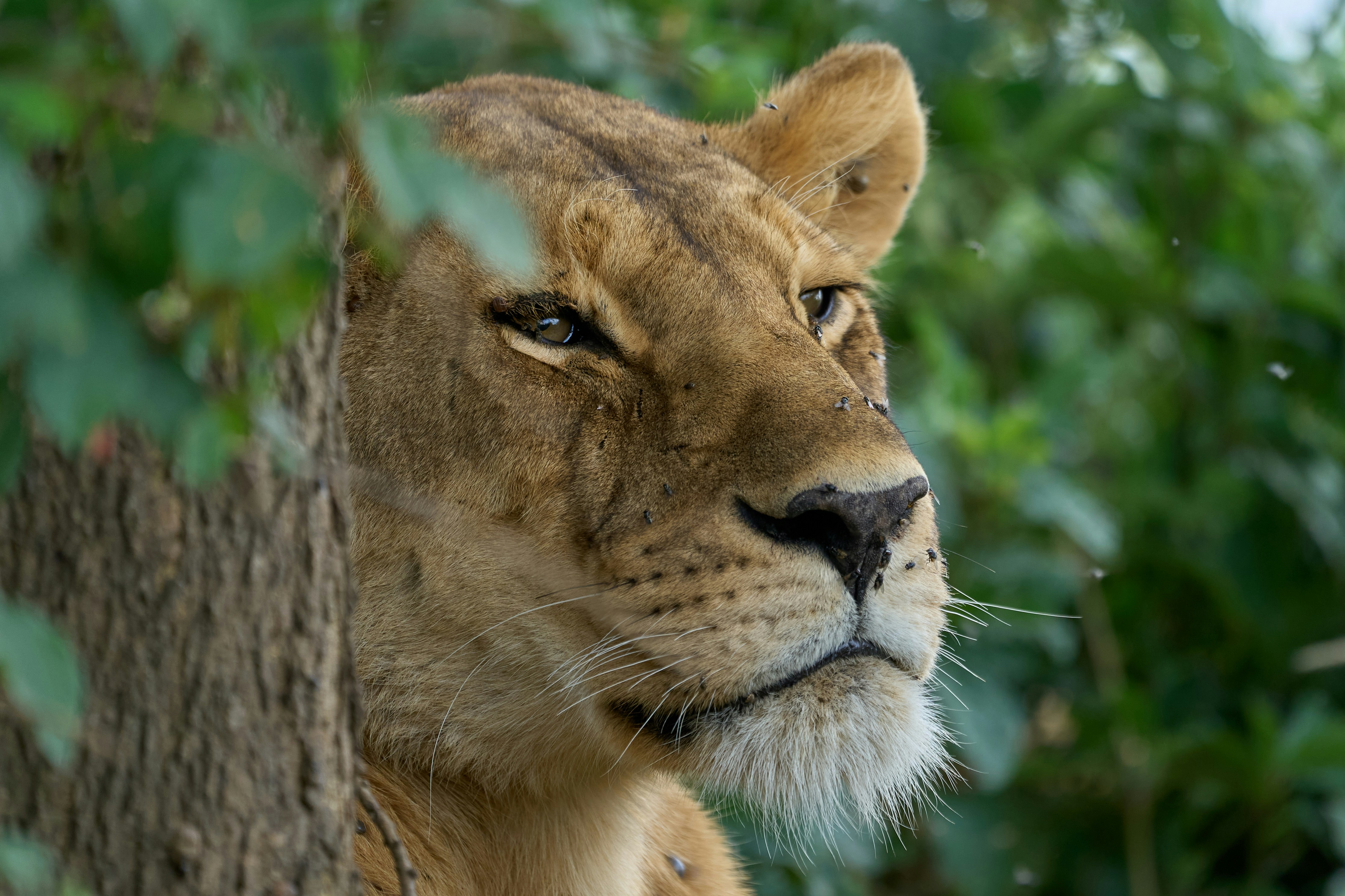
Serengeti National Park
Africa's most famous wildlife sanctuary and a UNESCO World Heritage Site. Endless savannah plains teeming with wildlife — the stage for the Great Migration and home to Africa's highest concentration of big cats.
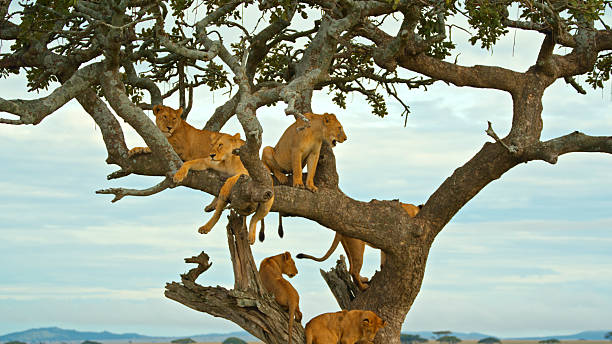
Ngorongoro Crater
A UNESCO World Heritage Site and one of Africa's most spectacular natural wonders. This 260 sq km volcanic caldera hosts 30,000 large mammals and offers the best chances to see the endangered black rhino in the wild.
Lake Manyara National Park
Lake Manyara is a stunning park at the base of the Great Rift Valley escarpment. Famous for its tree-climbing lions, large elephant herds, and thousands of flamingos that fringe the alkaline lake. Over 400 bird species recorded.
Tanzania Wildlife
Tanzania is Africa's premier safari destination. Here's what you can expect to see on this incredible journey.
- Big Five: Lion, leopard, elephant, buffalo, and black rhino (Ngorongoro)
- Predators: Cheetah, spotted hyena, striped hyena, jackal, bat-eared fox
- Herbivores: Wildebeest, zebra, giraffe, hippo, impala, topi, eland, hartebeest
- Birds: 500+ species — flamingos, ostriches, secretary birds, fish eagles, lovebirds
- Reptiles: Nile crocodile, leopard tortoise, agama lizards, pythons
- Primates: Yellow baboon, vervet monkey, blue monkey
Photo Gallery
Location
What Our Travelers Say
Join thousands of satisfied travellers who have experienced Tanzania with us.
Frequently Asked Questions
What is the best time to take this Tanzania safari?
The best time is during the dry season from June to October for the Serengeti and Ngorongoro. January to February is also excellent for calving season in the southern Serengeti. The park is accessible year-round.
What should I pack for this 8-day Tanzania safari?
Pack lightweight neutral-coloured clothing, a warm jacket for early morning game drives, comfortable walking shoes, a wide-brimmed hat, sunscreen, sunglasses, insect repellent, binoculars, a camera with extra batteries and memory cards, and a reusable water bottle.
Will I see the Big Five on this safari?
Yes. Tanzania's northern circuit offers excellent chances of seeing all Big Five members: lion, leopard, elephant, buffalo, and rhino (especially in Ngorongoro Crater where black rhinos are frequently spotted).
What type of vehicle is used for the safari?
We use custom 4x4 Safari Land Cruisers with pop-up roofs for excellent game viewing. Each vehicle is equipped with a fridge, charging ports, and comfortable seats for long game drives.
Can children join this safari?
Yes, children aged 5 and above are welcome on private safaris. Family-friendly lodges and specialised guides ensure a safe and educational experience for younger travellers.
How fit do I need to be for this safari?
This is a game-drive based safari, so no special fitness level is required. You will be comfortably seated in a safari vehicle for most wildlife viewing. Some walking at lodges and optional nature walks require basic mobility.
Do I need a visa for Tanzania?
Yes, most visitors need a Tanzania visa. You can obtain an e-visa online before travel or a visa on arrival at Kilimanjaro International Airport. Fees vary by nationality.
Is travel insurance required?
Yes, comprehensive travel insurance is strongly recommended. It should cover medical evacuation, trip cancellation, baggage loss, and personal liability.
What is the tipping guide for safari staff?
Tipping is appreciated. We recommend $15-25 per day for your guide, $8-10 per day for the cook, and lodge staff tipping is at your discretion. Tips are not included in the package price.
What meals are included on safari?
Full board meals are included: breakfast, lunch, and dinner. Picnic lunches are provided during game drives. Most dietary requirements can be accommodated with advance notice.
What type of accommodation is included?
Mid-range lodges and luxury tented camps with en-suite bathrooms, hot showers, and comfortable beds are included. Upgrades to luxury lodges are available upon request.
Are park fees included in the price?
Yes, all national park entry fees, conservation fees, and crater service fees are included in the package. There are no hidden charges during your safari.
When is the Great Migration in the Serengeti?
The Great Migration is a year-round movement. Calving season is January-March in the southern Serengeti. River crossings occur June-October in the northern Serengeti and Mara River. Your guide will position you for the best viewing based on the season.
What photography equipment should I bring?
A DSLR or mirrorless camera with a 70-200mm or 100-400mm lens is ideal for wildlife photography. A smartphone with a good camera also works well. Bring extra batteries, memory cards, and a lens cleaning cloth for dusty conditions.
What is the group size for this safari?
Our groups range from 2 to 8 guests per safari vehicle, ensuring a personalised experience with ample window seats and individual attention from your guide. Private safaris are also available.
Related Safaris
Ready for the Ultimate Tanzania Safari?
Book your 8-day journey through Tarangire, Serengeti, Ngorongoro Crater, and Lake Manyara.