

.png)
Machame Camp - Shira - Lava Tower - Barranco - Barafu - Uhuru Peak
7 Days Kilimanjaro Climb: Machame Route
Introduction
The 7-day Machame Route, famously known as the "Whiskey Route", is one of Kilimanjaro's most scenic and popular trekking paths. With an extra acclimatization day over the 6-day version, this itinerary significantly boosts your summit success rate. Trek through lush rainforest, alpine desert, and glacial ice fields as you make your way to the Roof of Africa — Uhuru Peak at 5,895 metres.
Why This Climb?
Extra Acclimatization Day
The 7-day itinerary adds a crucial acclimatization day at Karanga Camp, following the "climb high, sleep low" principle for maximum summit success.
Best Scenery on Kilimanjaro
Pass through five distinct climate zones — rainforest, heath, moorland, alpine desert, and arctic — with breathtaking views at every turn.
Higher Summit Success Rate
With an 85-90% success rate, the 7-day Machame Route gives you the best statistical chance of reaching Uhuru Peak.
Expert Mountain Guides
Our certified Kilimanjaro guides have decades of combined experience and are trained in altitude sickness recognition and emergency response.
Climb High, Sleep Low
The route's design takes you to Lava Tower (4,630m) before descending to Barranco Camp (3,960m) — the ideal acclimatization pattern.
Full Support Team
Your crew of guides, assistant guides, porters, and cooks ensures you can focus entirely on the climb while we handle everything else.
Tour Highlights
- Machame Gate — rainforest trek through ancient giant heather and orchids
- Shira Plateau — stunning volcanic landscape with panoramic summit views
- Lava Tower — climb to 4,630m for critical acclimatization
- Barranco Wall — scale the dramatic "Breakfast Wall" with spectacular exposure
- Karanga Camp — extra acclimatization night under the stars
- Barafu Camp — base camp with sunset views over the clouds
- Uhuru Peak — stand on the Roof of Africa at sunrise
- Mweka Forest — lush descent through tropical rainforest
Detailed Itinerary
Each day is carefully designed to balance trekking distance with proper acclimatization. The 7-day schedule includes a full acclimatization day at Karanga Camp, giving your body the best possible preparation for summit night.
Arrive Moshi → Machame Gate (1,800m) → Machame Camp (3,000m)
Your Kilimanjaro adventure begins with an early morning pick-up from your hotel in Moshi or Arusha. Drive approximately 50 minutes to the Machame Gate (1,800m), where you complete park registration and meet your full mountain crew. After a brief orientation, begin your trek through the enchanting rainforest. The trail winds through dense vegetation draped in moss and lichen, with giant fig trees and wild impatiens flowers lining the path. Look out for black-and-white colobus monkeys and vibrant tropical birds in the canopy above. The trail climbs steadily for 5-6 hours to Machame Camp (3,000m), where your tents are already set up by the porters. Enjoy a hot dinner as the forest sounds lull you to sleep.
Machame Camp (3,000m) → Shira Camp (3,845m)
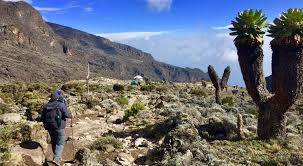
Wake to the sounds of the forest and enjoy a hot breakfast as the morning mist rises through the trees. Today's trek takes you out of the rainforest and into the heath and moorland zone, where the landscape opens dramatically to reveal expansive views of Kilimanjaro's glaciated summit. The trail ascends through a transition zone where the vegetation changes from towering trees to giant groundsels (Senecio) and lobelias — bizarre-looking plants adapted to the high-altitude environment. Around midday, you emerge onto the Shira Plateau, a vast ancient volcanic caldera. Continue across the plateau to Shira Camp (3,845m), perched on the edge of the plateau with breathtaking views of the summit cone. This is one of the most photogenic campsites on the mountain.
Shira Camp (3,845m) → Lava Tower (4,630m) → Barranco Camp (3,960m)
Today is the most important day for acclimatization — the classic "climb high, sleep low" strategy. You leave Shira Camp heading east, ascending gently across the upper moorland towards Lava Tower (4,630m). The landscape is stark and otherworldly, with volcanic rock formations and lichen-covered boulders stretching in every direction. The trail passes the Shark's Tooth rock formation before reaching the iconic Lava Tower — a 90-metre volcanic plug that dominates the skyline. Here you stop for lunch and rest at altitude. This high point prepares your body for summit night. After lunch, descend steeply into the lush Barranco Valley, passing through giant groundsels and lobelias. The descent to Barranco Camp (3,960m) rewards you with lower elevation for better sleep, while your body has already been primed at 4,630m.
Barranco Camp (3,960m) → Karanga Camp (4,035m)
Today starts with the exhilarating climb of the Barranco Wall — the most iconic section of the Machame Route. This is not a technical climb, but it is steep and exposed, requiring the use of hands for balance on the volcanic rock. The wall rises 300 metres above the camp and takes approximately 1-2 hours to ascend. At the top, you are rewarded with panoramic views of the surrounding peaks and valleys stretching all the way back to Shira Plateau. From the top of the wall, the trail undulates across alpine ridges with spectacular drop-offs on both sides. You cross the Karanga Valley on a narrow ridge before climbing gently to Karanga Camp (4,035m). This extra night at Karanga is the key advantage of the 7-day itinerary — it provides critical additional acclimatization time before the summit push.
Karanga Camp (4,035m) → Barafu Camp (4,673m)
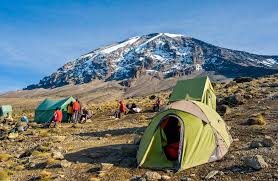
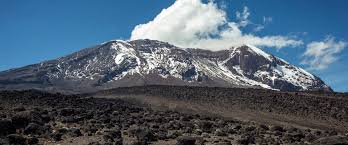
A shorter trekking day allows you to arrive at Barafu Camp early, giving you maximum time to rest and prepare for summit night. The trail from Karanga climbs gently at first, then more steeply as you approach the barren, rocky slopes of Barafu Camp. The landscape here is pure alpine desert — dark volcanic rock, scree slopes, and patches of ice. Barafu means "ice" in Swahili, and the camp is named for the cold winds that sweep across this exposed ridge. From Barafu Camp, you have clear views of the summit cone and the massive glaciers that cling to its slopes. Spend the afternoon resting, hydrating, and eating an early dinner. Your guide will wake you around 11:00 PM to begin the summit attempt — the most challenging and rewarding part of the entire climb.
SUMMIT DAY: Barafu Camp (4,673m) → Uhuru Peak (5,895m) → Mweka Camp (3,100m)
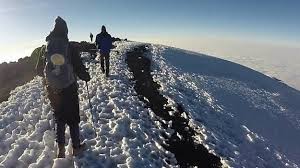
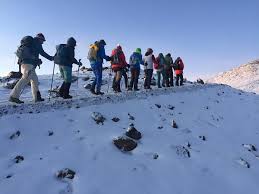
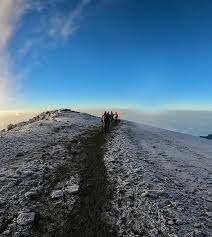
Summit night — the moment you've been training for. You are woken at 11:00 PM with hot tea and snacks. By midnight, you begin the ascent in the pitch dark, your headlamp beam illuminating the path ahead. The trail climbs relentlessly up steep scree switchbacks — this is the most physically demanding section of the entire climb. At 5,000m you pass Stella Point on the crater rim, then follow the scenic but exposed ridge to Uhuru Peak. The sunrise from the Roof of Africa is a sight you will never forget. After celebrating at the summit (5,895m), you begin the long descent — back to Barafu Camp for a rest, then continuing down through the alpine desert and rainforest to Mweka Camp (3,100m). This is the longest and most physically demanding day, but also the most rewarding.
Mweka Camp (3,100m) → Mweka Gate → Arusha/Moshi
Your final morning on the mountain! After breakfast, begin the descent through the lush Mweka Rainforest. The trail is muddy and steep in sections — take your time and enjoy the last few hours on Kilimanjaro's slopes. The forest is alive with birdsong, butterflies, and the occasional monkey sighting. Arrive at Mweka Gate where you sign out with park authorities and receive your official summit certificate. Your driver meets you here for the transfer back to Moshi or Arusha. A hot shower, a cold drink, and a comfortable bed await — you've earned it. Congratulations, you have climbed Kilimanjaro!
Destinations You'll Explore
Machame Gate & Rainforest
The starting point of the adventure. Trek through dense, misty rainforest filled with giant trees, moss-covered branches, and the calls of colobus monkeys. The first taste of Kilimanjaro's incredible biodiversity.
Shira Plateau
A vast ancient volcanic caldera offering some of the most dramatic scenery on the mountain. The views of Kibo peak rising above the plateau are unforgettable, especially at sunrise and sunset.
Barranco Wall & Valley
The most dramatic section of the Machame Route. Scale the iconic Barranco Wall with its exposed scramble and descend into the lush Barranco Valley surrounded by giant groundsels.
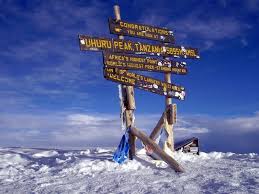
Uhuru Peak — Summit
The Roof of Africa at 5,895 metres. Stand on the highest point in Africa and witness a sunrise that stretches across the entire continent. Glaciers, clouds, and an overwhelming sense of achievement.
| Included |
|
|---|---|
| Excluded |
|
| Transport |
|
Kilimanjaro Wildlife & Nature
Kilimanjaro is a UNESCO World Heritage Site and one of the most biodiverse mountains on Earth, spanning five distinct climate zones.
- Rainforest: Colobus monkeys, blue monkeys, bushbuck, over 180 bird species
- Heath & Moorland: Giant groundsels (Senecio), lobelias, sunbirds
- Alpine Desert: Hardy lichens, mosses, volcanic rock formations
- Arctic Zone: Glaciers, ice fields, snow — no plant or animal life
- Birds: White-necked ravens, augur buzzards, mountain chats, sunbirds
- Unique Flora: Kilimanjaro endemic plants found nowhere else on Earth
Photo Gallery
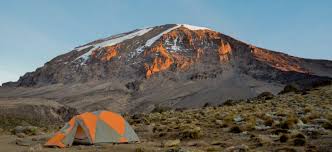 Machame Route Trail
 Climbers Enjoying the ViewBarranco Wall AscentSunset Above the Clouds
 Mountain Camping
 Summit Success
Location
What Our Climbers Say
Join thousands of climbers who have reached the Roof of Africa with us.
Frequently Asked Questions
What is the best time to climb Kilimanjaro via the Machame Route?
The best months are June to October and December to March. These dry seasons offer clear skies, moderate temperatures, and the highest summit success rates.
How difficult is the 7-day Machame Route?
The Machame Route is considered moderate to difficult. It requires a good fitness level, but the 7-day itinerary provides an extra acclimatization day, significantly improving your chances of reaching the summit.
What is the success rate for the 7-day Machame Route?
The 7-day itinerary has a success rate of approximately 85-90%, significantly higher than shorter itineraries due to the extra day for acclimatization.
Do I need climbing experience for Kilimanjaro?
No technical climbing experience is required for the Machame Route. It is a trekking route, not a technical climb. However, good physical fitness and endurance are essential.
What should I pack for the 7-day Machame Route climb?
Essential items include waterproof hiking boots, layered clothing, a warm down jacket, sleeping bag rated to -10°C, headlamp, trekking poles, water bottles, sunscreen, and a first aid kit.
Is altitude sickness common on the Machame Route?
Altitude sickness can affect anyone regardless of fitness. The 7-day itinerary's "climb high, sleep low" strategy helps minimize the risk. Our guides monitor all climbers closely and carry emergency oxygen.
What is the accommodation like on the Machame Route?
Accommodation is in mountain tents at designated campsites. We provide high-quality 4-season tents, sleeping mats, and dining tents. Camping is part of the authentic Kilimanjaro experience.
How much does the 7-day Machame Route cost?
Please contact us for a personalised quote. Prices vary based on group size, season, and inclusions.
What is included in the climbing package?
Included: professional guides and porters, park fees, camping equipment, full board meals, emergency oxygen, and summit certificate. Excluded: flights, insurance, personal gear, tips, and drinks.
What if I cannot reach the summit?
Your safety is our priority. If a guide determines you cannot continue, you will descend with an assistant guide. You can still be proud of how far you climbed — reaching any point on Kilimanjaro is an achievement.
Can I charge my electronics on the mountain?
Portable power banks are recommended. Some camps may have basic charging facilities at an extra cost, but availability is limited. We recommend bringing fully charged power banks.
Is travel insurance required?
Yes, comprehensive travel insurance covering high-altitude trekking up to 6,000m and emergency evacuation is mandatory.
What fitness level is required?
You should be comfortable with 5-7 hours of trekking per day, sometimes on steep terrain. Cardiovascular fitness, leg strength, and mental endurance are the most important factors.
What is the food like on the mountain?
We provide nutritious, high-energy meals prepared by our mountain cooks. Expect soups, pasta, rice, vegetables, fruits, porridge, eggs, and plenty of hot drinks to keep you energised.
How many guides and porters will be on my team?
The team ratio is approximately 1 guide per 2 climbers, plus assistant guides and porters. A typical group of 4 climbers has 2 guides, 1 cook, and 8-10 porters.
Ready to Conquer Kilimanjaro?
Book your 7-day Machame Route climb with African Majestic Adventure and experience the Roof of Africa.