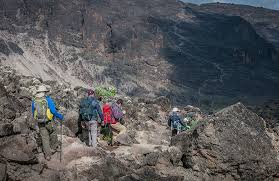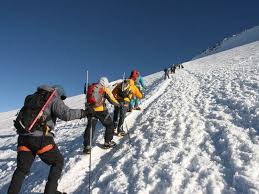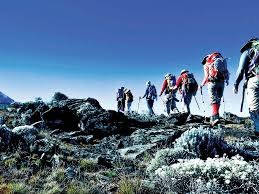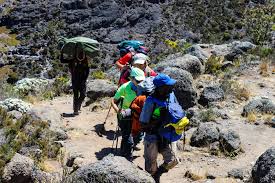

Kilimanjaro Northern Circuit Route
Kilimanjaro Climbing

10-Day Kilimanjaro Climb: Northern Circuit Route

The longest and most complete Kilimanjaro route—circling the entire mountain through remote northern wilderness with unbeatable acclimatization and the highest summit success rate.

5.0/5.0 Trusted by 10,000+ Travelers Google Reviews TripAdvisor SafariBookings Rating

Londorossi Gate - Lemosho - Northern Circuit - Uhuru Peak

10-Day Kilimanjaro Climb: Northern Circuit Route

Circumnavigate Kibo 10 Days / 9 Nights Moshi to Arusha 2-12 climbers Full Board

Introduction

The Northern Circuit is Kilimanjaro's longest, newest, and most complete route. It approaches from the west on the Lemosho trail, then continues around the entire northern side of Kibo—the only route that circumnavigates the mountain. This extraordinary journey offers remote wilderness, breathtaking northern glaciers, and the best acclimatization profile of any route, resulting in the highest summit success rate (over 95%). For those seeking the ultimate Kilimanjaro expedition with unmatched scenery and maximum summit chances, the Northern Circuit is the definitive choice.

10 Days
Duration
Tanzania
Destination
Moshi
Starting Point
Northern Circuit
Route
Demanding
Difficulty
Full Board
Meals

Why This Route?

Longest Route — Best Acclimatization

At 10 days, the Northern Circuit offers the gradualest ascent profile of any route. This extended duration allows your body maximum time to adapt to altitude.

Circle the Entire Mountain

The only route that fully circumnavigates Kibo, taking you around the remote northern side that fewer than 5% of climbers ever see.

Remote Northern Wilderness

Experience true solitude on the northern slopes of Kilimanjaro, far from the crowds of the southern routes. The sense of wilderness is unmatched.

Highest Summit Success Rate (95%+)

The superior acclimatization profile of the Northern Circuit gives climbers the best statistical chance of reaching Uhuru Peak.

Fewer Climbers — More Peace

The Northern Circuit sees far fewer trekkers than the Machame or Marangu routes, offering a more peaceful and intimate wilderness experience.

Unforgettable 360° Views

From the northern glaciers to the sunrises over the African plains, the panoramic views on this route are simply extraordinary.

Tour Highlights

Detailed Itinerary

Each day is carefully designed to maximize acclimatization while showcasing the incredible diversity of Kilimanjaro's landscapes—from lush rainforest to arctic summit.

Day 1

Arrive Moshi & Briefing

Full Day Transfer: 1 hr from JRO Accommodation: Moshi Hotel Meals: Dinner

Upon arrival at Kilimanjaro International Airport (JRO), your driver-guide will meet you and transfer you to your hotel in Moshi, a vibrant town at the foot of Kilimanjaro. In the evening, enjoy a comprehensive briefing from your lead guide, who will check your gear, discuss the route, and answer any questions about the days ahead.

Morning: Arrive at Kilimanjaro International Airport (JRO). Clear immigration and collect your luggage. Your professional driver-guide will be waiting outside the arrivals hall holding a sign with your name. The drive to Moshi takes approximately one hour through the lush Tanzanian countryside, passing coffee plantations and small villages along the way.
Afternoon: Arrive in Moshi (elevation 890m) and check into your hotel. Take the afternoon to rest after your journey. Moshi sits at the base of Kilimanjaro and offers stunning views of the mountain on clear days. You can explore the local markets or simply relax by the pool and prepare for the adventure ahead.
Evening: Enjoy a welcome dinner at the hotel followed by a comprehensive briefing with your lead guide. This is the time to ask any questions. Your guide will inspect your gear, ensure you have the right equipment, and provide final recommendations. We recommend an early bedtime to start fresh in the morning.
Airport Transfer Gear Check Briefing
Day 2

Londorossi Gate to Lemosho Forest Camp (2,100m)

Full Day Drive: ~3 hrs Trek: 3-4 hrs Accommodation: Lemosho Forest Camp Meals: Breakfast, Lunch, Dinner

After breakfast, drive from Moshi to the Londorossi Park Gate (about 3 hours) for park registration. From here, you'll begin your trek through the lush, misty rainforest on a winding trail to Lemosho Forest Camp (2,100m). The forest is alive with bird calls, colobus monkeys, and the occasional elephant track.

Morning: Early breakfast at the hotel. Depart Moshi by vehicle for the drive to Londorossi Gate (about 3 hours). The route passes through farmland, forest, and small villages. At Londorossi Gate (2,250m), complete park registration formalities while your crew prepares the gear. This is a good opportunity to use the facilities and enjoy a packed lunch.
Afternoon: Begin the trek from Londorossi Gate into the forest on a dirt track. The trail descends slightly before climbing gently through the rainforest. The forest zone is humid and lush, with towering trees draped in moss and lichen. Look out for black-and-white colobus monkeys and exotic bird species. Trekking time: approximately 3-4 hours to Lemosho Forest Camp.
Evening: Arrive at Lemosho Forest Camp (2,100m). Your team will have tents set up and hot water waiting. Enjoy dinner in the mess tent. Tip: the forest can be damp, so ensure your sleeping bag and clothing stay dry in sealed bags. The sounds of the forest at night are magical.
Rainforest Trek Park Registration Wildlife Spotting
Day 3

Forest Camp to Shira 1 Camp (3,500m)

Full Day Trek: 5-6 hrs Elevation Gain: 1,400m Accommodation: Shira 1 Camp Meals: Breakfast, Lunch, Dinner

Today you leave the forest behind and ascend through montane forest and heathland onto the Shira Plateau. The vegetation changes dramatically as you climb higher—from dense rainforest to open grasslands dotted with giant heather and lobelia. The views of Kibo's western slopes begin to open up, offering the first real sense of the scale of the mountain.

Morning: Wake to the sounds of the forest. Breakfast at 7:00 AM. The trail climbs steadily through the forest zone, with the trees gradually becoming shorter and more stunted as you gain altitude. Pass through the lush undergrowth and emerge onto the open moorland zone around mid-morning.
Afternoon: Continue ascending through the heath and moorland zone, characterised by giant heather, protea, and lobelia plants. The trail offers increasingly spectacular views back over the forest below and the distant plains. Arrive at Shira 1 Camp (3,500m) in the early afternoon. The Shira Plateau is one of the highest plateaus in Africa.
Evening: Dinner at camp. The altitude is now significant, and you may begin to feel the effects. Drink plenty of water and take it easy. The sunset views over the Shira Plateau are extraordinary, painting the sky in shades of orange and pink behind Kibo's massive silhouette.
Moorland Zone Shira Plateau Kibo Views
Day 4

Shira 1 Camp to Lava Tower (4,630m) to Barranco Camp (3,960m)

Full Day Trek: 6-7 hrs Max Elevation: 4,630m Accommodation: Barranco Camp Meals: Breakfast, Lunch, Dinner

A classic acclimatization day following the 'climb high, sleep low' principle. You ascend to Lava Tower (4,630m)—a striking volcanic rock formation—for lunch and spectacular views, then descend to Barranco Camp (3,960m) for the night. This profile is key to your body's adaptation to altitude and dramatically increases your summit success chances.

Morning: Breakfast at 7:00 AM. Leave Shira 1 Camp and ascend eastward across the Shira Plateau towards Lava Tower. The landscape is stark and alpine, with volcanic rocks and hardy desert plants. The trail offers panoramic views of Kibo's glaciated peak to the east and the Shira Ridge to the west.
Afternoon: Arrive at Lava Tower (4,630m) for lunch. This distinctive rock formation rises 90 metres from the plateau. Take time to acclimatise and enjoy the stunning views. After lunch, descend for approximately 2 hours to Barranco Camp (3,960m). The descent provides relief from the altitude and prepares your body for the summit push.
Evening: Arrive at Barranco Camp, situated in a valley below the massive Barranco Wall. The camp offers incredible views of the Great Barranco Wall and the glaciers of Kibo directly above. Dinner and overnight. By now you will feel the altitude during the climb to Lava Tower, but the descent to Barranco will bring relief.
Acclimatisation Hike Climb High Sleep Low Lava Tower
Day 5

Barranco Camp to Karanga Camp (4,035m)

Full Day Trek: 4-5 hrs Elevation Gain: 75m Accommodation: Karanga Camp Meals: Breakfast, Lunch, Dinner

Today starts with the famous Great Barranco Wall—a steep but non-technical scramble up the towering cliff face behind camp. After conquering the wall, you traverse through the Karanga Valley with its dramatic topography, crossing several ridges and valleys before arriving at Karanga Camp (4,035m). This is a shorter day designed for continued acclimatization.

Morning: Early breakfast. Today begins with the exhilarating climb up the Great Barranco Wall. This is not a technical climb, but you will use your hands in places as you scramble up the 257-metre cliff. The view from the top is spectacular, with the entire Barranco Valley opening up below you. Your guide will help you find the best route and pace.
Afternoon: After the Barranco Wall, the trail traverses the Karanga Valley, crossing several ridges and valleys. The terrain is alpine desert with volcanic scree and dramatic rock formations. The trail offers stunning views of the Heim Glacier and the southern icefields. Arrive at Karanga Camp (4,035m) in the early afternoon.
Evening: Rest and acclimatise at Karanga Camp. This is a key lunch and rest stop before the final summit push. Many climbers do an afternoon acclimatisation walk to a nearby ridge for better views. Dinner and early bedtime. The stars are incredibly bright at this altitude.
Great Barranco Wall Scramble Glacier Views
Day 6

Karanga Camp to Barafu Camp (4,673m) — High Camp

Full Day Trek: 4-5 hrs Elevation Gain: 638m Accommodation: Barafu Camp Meals: Breakfast, Lunch, Dinner

Today you ascend from Karanga Camp to Barafu Camp—the high camp for the summit attempt. The trail is a steady climb across alpine desert terrain. Barafu Camp sits on a rocky ridge at 4,673m, offering panoramic views of the summit cone and the Mawenzi peaks. After lunch, rest and prepare for the midnight summit attempt.

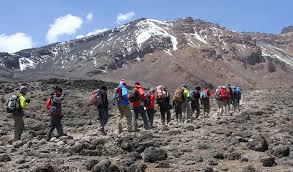
Morning: Breakfast at 7:00 AM. Depart Karanga Camp and begin the ascent to Barafu Camp. The trail is steep in sections, crossing the alpine desert landscape. The terrain is rocky and barren, with the summit cone of Kibo dominating the view ahead. Take your time and maintain a steady pace.
Afternoon: Arrive at Barafu Camp (4,673m) around midday. Barafu means 'ice' in Swahili—the camp is exposed on a rocky ridge with sweeping views in all directions. Enjoy a hot lunch, then rest. It is essential to sleep in the afternoon as the summit attempt begins at midnight. Your guide will prepare you for the night ahead.
Evening: Early dinner at 5:00 PM, then try to sleep. The summit attempt begins at approximately midnight. Your guide will wake you with tea and snacks before the climb. Pack your summit gear: headlamp with fresh batteries, multiple layers, warm gloves, water (insulated bottle), snacks, and your camera. The climb takes 6-8 hours.
High Camp Rest & Prep Summit Eve
Day 7

SUMMIT DAY: Barafu Camp to Uhuru Peak (5,895m) to Mweka Camp

Full Day Summit Trek: 6-8 hrs up, 6-7 hrs down Max Elevation: 5,895m Accommodation: Mweka Camp Meals: Breakfast, Lunch, Dinner

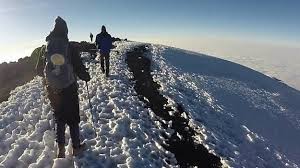
The day you've been training for. Starting at midnight, you make the arduous ascent under the stars to Stella Point (5,756m) on the crater rim, then continue along the rim to Uhuru Peak (5,895m)—the highest point in Africa. After celebrating at the summit, you descend back to Barafu for a short rest, then continue down to Mweka Camp for a well-earned rest.

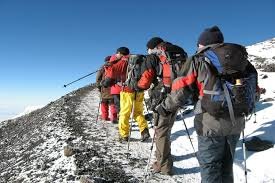
Morning: Wake at approximately 11:30 PM (Day 6 night) for tea and snacks. Depart Barafu Camp at midnight. The climb is slow and steady—'pole pole' (slowly, slowly) in Swahili. The trail switchbacks up steep scree slopes in the dark, illuminated only by headlamps. The temperature is well below freezing (-10°C to -20°C). After 5-7 hours of climbing, you reach Stella Point (5,756m) on the crater rim, just as the sun begins to rise—a breathtaking moment.
Afternoon: Continue from Stella Point along the crater rim for another 1-2 hours to Uhuru Peak (5,895m). Congratulations—you have reached the Roof of Africa! Take photos, enjoy the glaciers, and soak in the achievement. After 15-20 minutes at the summit, begin the long descent back to Barafu Camp (2-3 hours), rest briefly, then continue down to Mweka Camp (3-4 hours).
Evening: Arrive at Mweka Camp (3,100m) in the forest zone. The air is noticeably richer here. Celebrate your achievement with your crew. Your guide will present you with your summit certificate. Enjoy a well-deserved dinner and the deepest sleep of your life.
Uhuru Peak 5,895m Roof of Africa Summit Sunrise
Day 8

Mweka Camp to Mweka Gate to Arusha

Full Day Trek: 3-4 hrs Drive: ~1 hr Accommodation: Arusha Hotel Meals: Breakfast, Lunch, Dinner

A final morning trek through the lush rainforest back to Mweka Gate, where you sign out of Kilimanjaro National Park and receive your summit certificates. After a celebration with your crew, drive to Arusha for a hot shower, a soft bed, and a well-earned celebration dinner.

Morning: Breakfast at Mweka Camp. Begin the final descent through the rainforest to Mweka Gate. The trail is steep and can be muddy—trekking poles are recommended. The forest is teeming with birdlife and the air is thick and humid after the thin air of the summit zone. Trekking time: approximately 3-4 hours.
Afternoon: Arrive at Mweka Gate (1,650m). Sign out of the park and receive your gold or green summit certificate. Say goodbye to your amazing crew—this is the time for tips and heartfelt thanks. Drive to Arusha (approximately 1 hour). Check into your hotel and enjoy a long, hot shower—the first in days!
Evening: Celebration dinner in Arusha with your guide and fellow climbers. Enjoy a well-deserved meal, share stories of the summit night, and celebrate your incredible achievement. Overnight at your Arusha hotel.
Certificate Celebration Dinner Arusha
Day 9

Buffer Day in Arusha

Full Day Rest Day Accommodation: Arusha Hotel Meals: Breakfast, Lunch, Dinner

A well-deserved rest day in Arusha. Sleep in, enjoy the pool, explore the local markets, or take an optional excursion to the nearby Arusha National Park or the Tanzanite Experience museum. This buffer day ensures you are fully recovered before your departure.

Morning: Sleep in after the physically demanding summit climb and descent. Enjoy a leisurely breakfast at the hotel. You've earned it! Your legs will be sore, so take it easy—gentle stretching helps recovery. Many climbers find this day deeply satisfying as they reflect on their achievement.
Afternoon: Optional activities in Arusha: visit the Tanzanite Experience to learn about Tanzania's famous blue gemstone, explore the Maasai Market for souvenirs, or book a half-day tour of Arusha National Park for more wildlife viewing. Alternatively, simply relax by the pool and enjoy the warm weather at a much lower altitude (1,400m).
Evening: Final dinner in Arusha. If you haven't already, exchange contact details with your climbing companions. This rest day ensures you are well-rested before your departure and gives you time to process the incredible experience of summiting Kilimanjaro.
Rest Day Arusha City Tour Recovery
Day 10

Departure

Full Day Transfer: ~1 hr Meals: Breakfast

After breakfast, transfer from Arusha to Kilimanjaro International Airport (JRO) for your departure flight. The drive takes approximately one hour. As you leave, take one last look at Kilimanjaro in the rearview mirror—a mountain you have now conquered. End of tour.

Morning: Breakfast at the hotel. Check out and board your transfer vehicle for the drive to Kilimanjaro International Airport (JRO). The drive takes you through the Tanzanian countryside, with views of Mount Meru and, on clear days, Kilimanjaro itself in the distance.
Afternoon: Arrive at JRO airport with ample time for your flight. We recommend booking flights departing after 12:00 PM to allow for a relaxed morning. Check in for your flight and say goodbye to Tanzania—but take the memories of standing on the Roof of Africa with you forever.
Evening: End of tour. Asante sana (thank you very much) for climbing with African Majestic Adventures. We hope your Kilimanjaro experience was everything you dreamed of and more. Karibu tena—welcome again!
Airport Transfer End of Tour Kilimanjaro Memories

Destinations You'll Explore

Kilimanjaro National Park

Kilimanjaro National Park

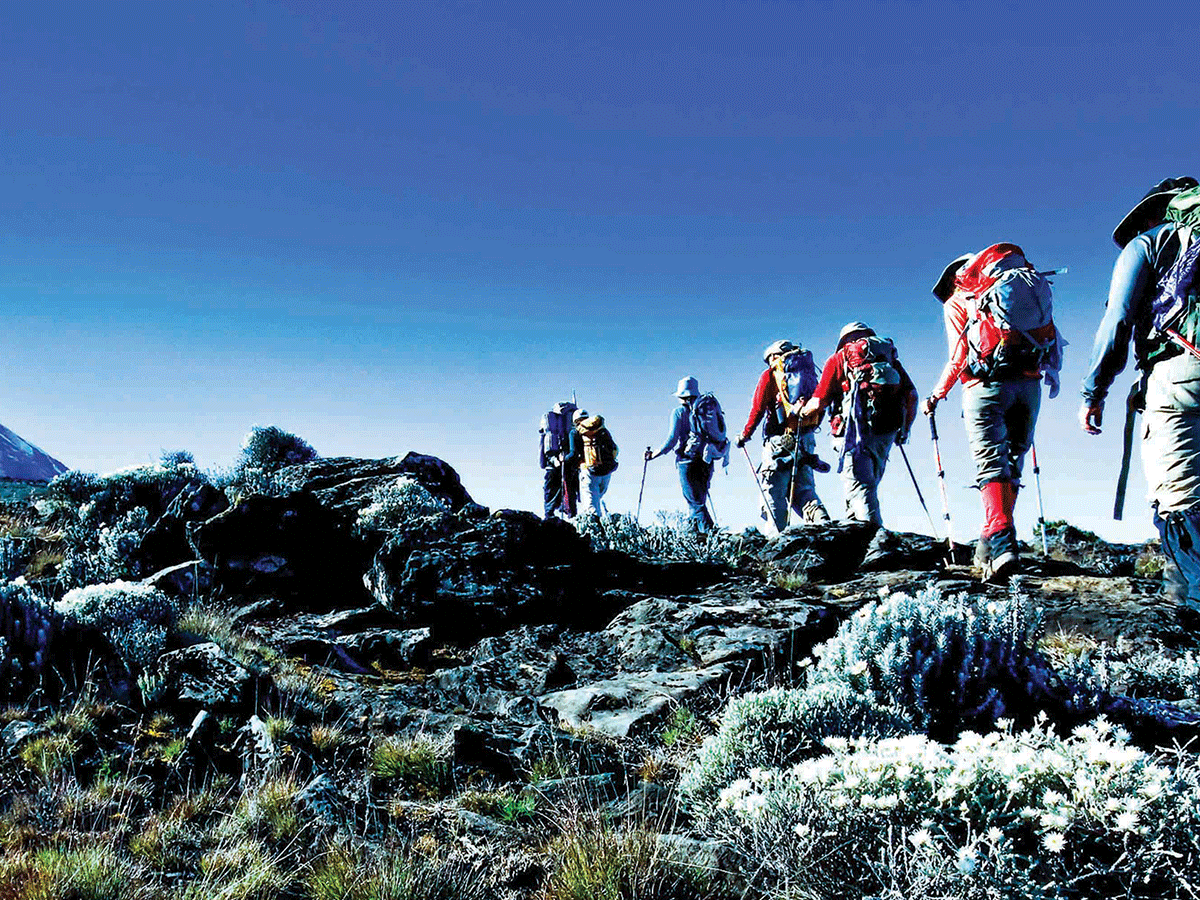
A UNESCO World Heritage Site covering the entire Kilimanjaro massif. From lush montane rainforest to alpine desert and arctic summit, the park protects extraordinary biodiversity and the highest peak in Africa.
UNESCO World Heritage 5 Climate Zones 5,895m Summit
Northern Circuit Route Kilimanjaro

Northern Circuit Route

The longest and newest route on Kilimanjaro, the Northern Circuit is the only path that fully circumnavigates the Kibo massif. It offers remote wilderness, northern glaciers, and the best acclimatization profile on the mountain.
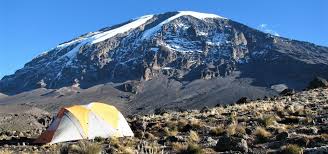
Circumnavigate Kibo Remote Northern Side 95%+ Success Rate
Lemosho Approach

Lemosho Approach

The Lemosho approach from the west is considered the most scenic route on Kilimanjaro. It traverses the Shira Plateau with spectacular views of the mountain before joining the Northern Circuit for the circumnavigation of Kibo.

Shira Plateau Scenic Wilderness Lemosho Trail
Included
  • Park Entry Fees
  • Camping Fees
  • Professional Guides
  • Porters & Cooks
  • All Meals on Mountain
  • Mountain Tents
Excluded
  • International Flights
  • Visa
  • Insurance
  • Tips
  • Personal Gear
  • Drinks
Transport
  • Hotel pickup & airport transfers
  • Private vehicle to park gate

Photo Gallery

Location

What Our Climbers Say

Join thousands of satisfied climbers who have reached Uhuru Peak with us.

5.0/5.0
Google Reviews
5.0/5.0
TripAdvisor
5.0/5.0
SafariBookings
Licensed Tour Operator TATO Registered Kilimanjaro Experts Secure Payment 10+ Years Experience

Frequently Asked Questions

What makes the Northern Circuit route unique?

The Northern Circuit is Kilimanjaro's longest and newest route. It circles around the northern side of Kibo, offering remote wilderness, stunning northern glaciers views, and the best acclimatization profile of any route, resulting in the highest summit success rate (over 95%).

How difficult is the Northern Circuit compared to other routes?

The Northern Circuit is considered demanding due to its length and the high altitude, but its gradual ascent profile makes it physically easier than shorter routes like Machame or Marangu. The extra days allow for better acclimatization, making the summit night more achievable.

What is the best time to climb the Northern Circuit?

The best times are the dry seasons: January-March and June-October. These months offer the most stable weather conditions, clearer skies, and higher summit success rates. The Northern Circuit can be climbed year-round, but wet seasons bring more rain and snow.

Why is the 10-day Northern Circuit the best option?

10 days allows for optimal acclimatization with a 'climb high, sleep low' strategy. The extended duration gives your body more time to adjust to altitude, includes a full circumnavigation of Kibo, and provides the highest summit success rate of any Kilimanjaro route.

What are the Northern Glaciers like?

The Northern Circuit offers spectacular views of Kibo's northern glaciers including the Northern Icefield, Credner Glacier, and the Drygalski Glacier. These ancient ice formations are seen up close along the remote northern side of the mountain—an area few climbers ever visit.

How does the acclimatization advantage work on this route?

The Northern Circuit follows the 'climb high, sleep low' principle perfectly. You ascend to higher altitudes during the day and descend to sleep at lower camps, stimulating your body to produce more red blood cells for better oxygen utilization.

What is the summit success rate for the Northern Circuit?

The Northern Circuit boasts the highest summit success rate of any Kilimanjaro route, typically above 95%. The 10-day duration and gradual altitude gain give climbers the best possible chance of reaching Uhuru Peak.

How fit do I need to be for the Northern Circuit?

While the Northern Circuit is less steep than some shorter routes, you still need good cardiovascular fitness. Regular aerobic exercise (hiking, running, cycling) for 3-4 months before your climb is recommended.

What should I pack for the Northern Circuit climb?

Essential items include: layers (base, mid, and outer shell), a down jacket, waterproof hiking boots, gaiters, trekking poles, a 0°C/-20°C sleeping bag, headlamp, sunscreen, sunglasses, water bottles/bladder, hydration salts, snacks, and a first-aid kit with altitude sickness medication.

What is the maximum group size?

Our groups range from 2 to 12 climbers. Smaller groups offer a more personalized experience with better attention from guides. Private climbs are also available.

How does tipping work for the crew?

Tipping is customary and shared among the crew (guides, cooks, porters). Recommended amounts are approximately $250-$350 per climber for the full crew, distributed at the end of the trek.

What park fees are included?

All Kilimanjaro National Park fees are included: park entry fees, camping fees, rescue fees, and crew fees. These are mandatory fees set by the Tanzania National Parks Authority (TANAPA) and KINAPA.

What camping equipment is provided?

We provide high-quality 4-season mountain tents, sleeping mattresses, dining tents, camp tables and chairs, and a portable toilet. Your sleeping bag and trekking poles are your own responsibility, though rental options are available.

What weather conditions should I expect?

Weather varies dramatically by altitude. At the start (2,100m) it is warm and humid. At high camp (4,673m) temperatures drop to -5°C to -10°C at night. On summit night, temperatures can plummet to -15°C to -25°C with strong winds.

Do I receive a summit certificate?

Yes, all climbers who reach Uhuru Peak (5,895m) receive a gold certificate from Kilimanjaro National Park. Those who reach Stella Point (5,756m) receive a green certificate.

Ready to Conquer Kilimanjaro?

Book the ultimate 10-day Northern Circuit expedition and summit the Roof of Africa with the highest success rate route.