

.png)
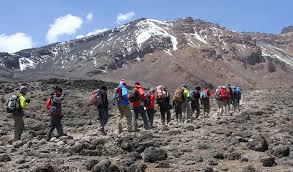
Londorossi Gate - Shira Plateau - Barranco - Barafu - Uhuru Peak
9 Days Kilimanjaro Climb: Lemosho Route
Introduction
The Lemosho Route is widely regarded as the most beautiful and scenic route on Kilimanjaro. Starting from the remote western side of the mountain, this 9-day itinerary crosses the pristine Shira Plateau, passes through the dramatic Barranco Valley, and ascends via the stunning southern ice fields. With an extra day for acclimatization on the Shira Plateau, this itinerary offers the highest summit success rate of any Lemosho program. This is the ultimate Kilimanjaro trek for those who want maximum time on the mountain, breathtaking scenery, and the best possible chance of reaching the Roof of Africa.
Why This Route?
Most Scenic Route
The Lemosho Route is widely considered the most beautiful path up Kilimanjaro, crossing the vast Shira Plateau with panoramic views of the entire mountain.
Maximum Acclimatization
Our 9-day itinerary includes an acclimatization day on the Shira Plateau and follows the 'climb high, sleep low' principle for the best altitude adaptation.
Remote Wilderness
The western approach passes through pristine, untouched wilderness with far fewer trekkers than the eastern routes, offering a true wilderness experience.
High Success Rate
The longer 9-day profile gives your body more time to adjust to altitude, resulting in the highest summit success rate among all Lemosho itineraries.
Western Approach
Starting from the remote Londorossi Gate on the western side, you traverse diverse ecosystems from lush rainforest to alpine desert before reaching the glaciers.
Expert Guides
Our certified mountain guides have decades of combined experience on Kilimanjaro. They are trained in altitude medicine, first aid, and wilderness safety.
Tour Highlights
- Londorossi Gate - Start from the remote western entrance
- Lemosho Forest Camp - Trek through pristine montane rainforest
- Shira Plateau - The vast high-altitude volcanic plateau
- Lava Tower - Spectacular volcanic rock formation at 4,630m
- Barranco Wall - Dramatic scramble with incredible views
- Karanga Valley - The stunning southern approach to Barafu
- Barafu Base Camp - Final camp before summit night
- Uhuru Peak - Stand atop Africa at 5,895 metres
Detailed Itinerary
Each day is carefully crafted to maximise your acclimatization while ensuring you experience the full beauty of Kilimanjaro's diverse ecosystems. Below is a complete breakdown of every day of this epic 9-day journey.
Drive to Londorossi Gate & Lemosho Forest Camp (2,100m)
Your Kilimanjaro adventure begins with a scenic 2-hour drive from Moshi to Londorossi Gate (2,250m). After registration with Kilimanjaro National Park authorities, you will drive to the trailhead at Lemosho Forest edge. The trek starts through lush montane rainforest on a well-defined trail. The forest is home to colobus monkeys, numerous bird species, and impressive ancient trees draped in moss.
Forest Camp to Shira 1 Camp (3,500m)
Today you leave the rainforest behind and ascend through a transition zone of heath and moorland. The trail climbs steadily through open grasslands with scattered giant heather trees. As you gain altitude, the vegetation becomes shorter and the views of the Shira Plateau begin to open up. This is a challenging day of ascent but the rewards are spectacular panoramic views.
Shira 1 to Shira 2 Camp (3,850m)
A gentler day designed for acclimatization. You trek across the magnificent Shira Plateau, one of the highest plateaus in Africa. The terrain is relatively flat with gentle undulations, making this an excellent day for your body to adjust to the altitude. The panoramic views of Kilimanjaro's ice fields and the Great Rift Valley are absolutely breathtaking.
Shira 2 to Lava Tower (4,630m) to Barranco Camp (3,960m)
A classic 'climb high, sleep low' day. You ascend to the iconic Lava Tower at 4,630m for altitude exposure before descending to Barranco Camp. This is a critical acclimatization day that significantly improves your summit success chances. The Lava Tower is a spectacular 85-metre volcanic plug that dominates the landscape.
Barranco Camp to Karanga Camp (4,035m)
Today you tackle the famous Great Barranco Wall - a steep but non-technical scramble that is one of the most exhilarating sections of the entire trek. The wall rises steeply from the valley floor and the climb involves using your hands on rocky sections. The views from the top are spectacular, with the entire Barranco Valley laid out below and Kilimanjaro's glacier-hung peak directly above.
Karanga Camp to Barafu Camp (4,673m)
A relatively short but challenging trek to Barafu Camp - your summit base camp. The trail climbs steadily through alpine desert terrain with loose scree underfoot. Barafu Camp is perched on a rocky ridge at 4,673 metres with commanding views of the summit and the plains far below. The name 'Barafu' means 'ice' in Swahili.
SUMMIT: Barafu to Uhuru Peak (5,895m) to Mweka Camp (3,100m)
The most challenging and rewarding day of your entire Kilimanjaro adventure. You are woken at midnight for the summit attempt. The climb to Uhuru Peak takes 6-8 hours through the cold, dark night with only your headlamp illuminating the trail. The path climbs steeply up the scree slope to Stella Point (5,756m) on the crater rim, then follows the crater edge for another hour to Uhuru Peak, the highest point in Africa at 5,895 metres.
Mweka Camp to Mweka Gate to Arusha
The final day on the mountain is a gentle descent through the lush rainforest to Mweka Gate. The trail is shaded by the forest canopy and the sounds of birds and monkeys accompany your last trekking section. After signing out at Mweka Gate, you will receive your summit certificate from Kilimanjaro National Park.
Buffer and Departure Day
Day 9 serves as a buffer day for weather contingencies, flight connections, or simply a rest day after your summit achievement. Depending on your schedule, you can depart from Kilimanjaro International Airport (JRO) or extend your stay for a safari in Tanzania's northern circuit or a relaxing beach holiday in Zanzibar.
| Included |
|
|---|---|
| Excluded |
|
| Transport |
|
Destinations You'll Explore
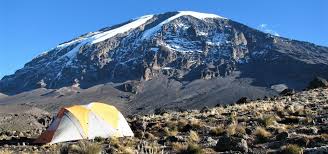
Kilimanjaro National Park
A UNESCO World Heritage Site, Kilimanjaro National Park protects the highest free-standing mountain in the world. From lush rainforest at its base to arctic conditions at the summit, it encompasses five distinct ecological zones.
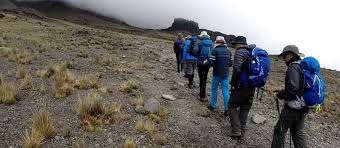
Lemosho Route
The most scenic route on Kilimanjaro, the Lemosho Route approaches from the remote western side of the mountain. It traverses the magnificent Shira Plateau and offers the best combination of wilderness, scenery, and acclimatization.
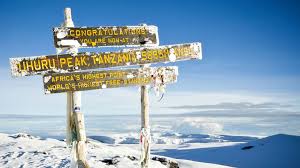
Mweka Route
The standard descent route for most Kilimanjaro climbs, the Mweka Route descends through beautiful montane rainforest on the southern side of the mountain. It offers a gentle and scenic finish to your Kilimanjaro adventure.
Photo Gallery
Shira Plateau ViewsLemosho TrailBarranco Valley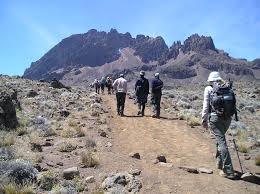 Lava Tower
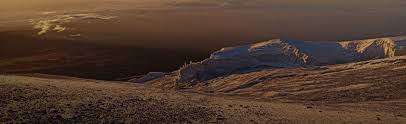 Alpine Desert
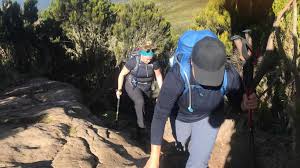 Summit Glaciers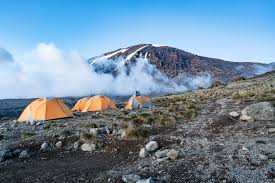
Location
What Our Travelers Say
Join thousands of satisfied climbers who have reached the Roof of Africa with us.
Frequently Asked Questions
What is the difference between Lemosho and Machame route?
Lemosho is longer, more remote, and widely considered the most scenic route on Kilimanjaro. It offers better acclimatization due to its longer profile and crossing of the Shira Plateau, resulting in higher summit success rates. Machame is shorter but steeper, more crowded, and has a lower success rate.
How does Lemosho compare to other Kilimanjaro routes?
Lemosho is the best overall route on Kilimanjaro. It is less crowded than Marangu and Machame, more scenic than Rongai and Umbwe, has superior acclimatization to the shorter routes, and approaches from the pristine, uncrowded western side of the mountain.
How difficult is the Lemosho route?
The Lemosho route is demanding but achievable for anyone with good fitness and determination. The 9-day itinerary provides excellent acclimatization, making the summit night more manageable. Prior trekking experience and cardiovascular training are recommended.
What is the best time to climb Kilimanjaro via Lemosho?
The best climbing seasons are January-March and June-October. January-February offers clear skies and warm conditions. June-October is the main dry season with the best summit success rates. The long rains (March-May) and short rains (November) are generally avoided.
What scenery can I expect on the Lemosho route?
The Lemosho route offers the most diverse scenery on Kilimanjaro. You traverse lush montane rainforest, heath and moorland, the vast Shira Plateau, alpine desert, the dramatic Barranco Valley, and finally the arctic glacial zone at the summit.
What level of fitness is required to climb Kilimanjaro?
A good level of fitness is required. You should be comfortable walking 6-8 hours per day over uneven terrain, often at altitude. Cardiovascular training, hill walking, and stair climbing are excellent preparation. The better your fitness, the more you will enjoy the experience.
How does altitude affect climbers on the Lemosho route?
Altitude affects everyone differently regardless of fitness. The 9-day Lemosho itinerary is designed with the 'climb high, sleep low' strategy, including a dedicated acclimatization day on the Shira Plateau. Our guides monitor your oxygen saturation levels and symptoms twice daily.
What should I pack for the Lemosho climb?
Essential items include layered clothing (thermal base layers, fleece, down jacket, waterproof shell), sturdy broken-in hiking boots, a sleeping bag rated to -15C, trekking poles, headlamp with spare batteries, sun hat, warm hat, gloves, buff, sunglasses, sunscreen, water bottles or hydration bladder, and personal medications.
Is there a minimum age for climbing Kilimanjaro?
The minimum age to climb Kilimanjaro is 12 years. However, we recommend 16+ for the Lemosho route due to its length and altitude. All climbers under 18 require a signed parental consent form and medical approval.
What is the group size for this climb?
Our groups range from 2 to 12 climbers. Smaller groups offer a more personalized experience with more attention from your guide. Private climbs are available for solo travelers, couples, or groups who prefer an exclusive experience.
What is the tipping policy for guides and porters?
Tipping is customary and greatly appreciated. We recommend $20-30 per day for lead guides, $15-20 for assistant guides, $10-15 for cooks, and $5-10 per day for porters. Tips are traditionally presented in a group ceremony on the final day.
What park fees are included in the climb?
Kilimanjaro National Park entry fees, camping fees, rescue fees, value added tax, and all government levies are included in your climb package. There are no hidden charges. You will not need to pay any additional fees at the park gates.
What are the advantages of the western approach via Lemosho?
The western approach offers pristine wilderness with very few other trekkers, spectacular views of the Shira Plateau, the widest variety of ecosystems from rainforest to arctic, the best acclimatization profile of any route, and the highest summit success rate.
What is summit night like on Kilimanjaro?
Summit night begins around midnight with a headlamp-lit climb through steep scree switchbacks. You ascend for 6-8 hours in temperatures as low as -20C. Reaching Stella Point on the crater rim at sunrise is an emotional moment. You then walk another hour along the crater rim to Uhuru Peak at 5,895m.
Do I receive a summit certificate?
Yes! All climbers who reach Uhuru Peak (5,895m) receive a prestigious gold summit certificate from Kilimanjaro National Park. Those who reach Stella Point (5,756m) receive a green certificate. Certificates are presented at Mweka Gate on the final day.
Ready to Conquer Kilimanjaro?
Book your 9-day Lemosho Route climb and experience the most scenic path to the Roof of Africa.