

.png)
Londorossi Gate - Shira Plateau - Lava Tower - Barranco Wall - Uhuru Peak
8 Days Kilimanjaro Climb: Lemosho Route
Introduction
The 8-day Lemosho Route is widely regarded as the most scenic trail on Mount Kilimanjaro. Beginning on the remote western side of the mountain, this trek traverses the lush montane rainforest, crosses the breathtaking Shira Plateau, passes the dramatic Lava Tower, and tackles the iconic Barranco Wall before making the final ascent to Uhuru Peak. With an excellent acclimatisation profile — including the crucial "climb high, sleep low" strategy — this itinerary offers one of the highest summit success rates on Kilimanjaro.
Why This Route?
Remote Wilderness
Begin your trek on the uninhabited western side of Kilimanjaro, far from the crowds. The first two days offer a true wilderness experience through pristine rainforest.
Shira Plateau Crossing
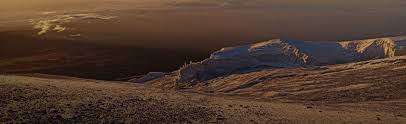
Cross the vast Shira Plateau, one of the highest plateaus in Africa. This dramatic lunar-like landscape offers panoramic views of Kilimanjaro's glaciers.
Spectacular Scenery
From rainforest to heath, moorland to alpine desert, the Lemosho Route showcases the greatest diversity of Kilimanjaro's ecological zones in a single trek.
Expert Acclimatization
The 8-day itinerary follows a carefully designed "climb high, sleep low" profile. Ascending to Lava Tower before descending to Barranco Camp maximises your body's adaptation.
High Summit Success
With over 90% summit success, the 8-day Lemosho Route consistently outperforms shorter itineraries thanks to its extended acclimatisation schedule.
Premium Experience
Our expert guides, quality camping equipment, and nutritious meals ensure you can focus entirely on the climb while we handle everything else.
Tour Highlights
- Londorossi Gate - Trek through lush montane rainforest teeming with colobus monkeys
- Shira Plateau - Cross the ancient volcanic caldera at 3,500m
- Lava Tower - Climb high to 4,630m for optimal acclimatisation
- Barranco Wall - Scramble the famous "Breakfast Wall" with breathtaking exposure
- Karanga Valley - Final acclimatisation before the summit push
- Stella Point - Reach the crater rim at 5,756m at sunrise
- Uhuru Peak - Stand on the Roof of Africa at 5,895m
- Mweka Descent - Descend through lush rainforest to receive your summit certificate
Detailed Itinerary
Each day is designed to optimise acclimatisation and maximise your enjoyment of the mountain. Below is a complete breakdown of your 8-day Lemosho Route adventure.
Londorossi Gate (2,100m) → Lemosho Forest Camp (2,650m)
After breakfast in Moshi, drive approximately 2.5 hours to Londorossi Gate (2,100m). Complete park registration and meet your full climbing crew — guides, assistant guides, porters, and your cook. After a picnic lunch, begin your trek through the enchanting montane rainforest. The trail meanders through dense vegetation with giant heather and ancient ferns. Watch for black-and-white colobus monkeys and blue monkeys in the canopy overhead. Arrive at Lemosho Forest Camp (2,650m) in the late afternoon. Set up camp, enjoy dinner, and retire early for a good night's rest.
Forest Camp (2,650m) → Shira 1 Camp (3,500m)
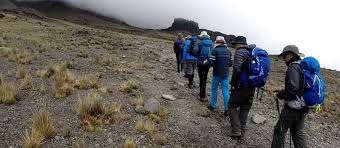
Wake to the sounds of the forest birds and enjoy a warm breakfast. Your second day takes you from the rainforest into the heath and moorland zones as you ascend the western slope. The vegetation transitions from towering trees to giant lobelias and groundsels. Around midday, you emerge from the forest onto the southern edge of the vast Shira Plateau. The views open up dramatically — you can see the entire volcanic massif of Kibo and the jagged rim of Shira Ridge. Arrive at Shira 1 Camp (3,500m) in the early afternoon. Relax, hydrate, and enjoy the spectacular sunset over the African plains below.
Shira 1 (3,500m) → Lava Tower (4,630m) → Barranco Camp (3,960m)
This is one of the most important days for acclimatisation. You set out across the Shira Plateau towards the distinctive Lava Tower (4,630m), a volcanic plug that dominates the landscape. The terrain becomes increasingly arid as you climb into the alpine desert zone. Upon reaching Lava Tower, you stop for a well-earned rest and lunch at altitude — this "climb high" portion is critical for your body to adapt. After lunch, you descend to Barranco Camp (3,960m) — the "sleep low" part of the strategy. The descent through the dramatic Barranco Valley is one of the most scenic sections of the entire route, with giant senecios (groundsels) dotting the landscape and the sheer face of the Barranco Wall looming above.
Barranco Camp (3,960m) → Karanga Camp (4,035m)
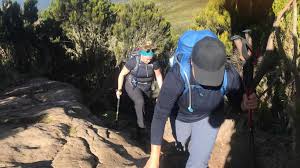
Today starts with the exhilarating Barranco Wall — often called the "Breakfast Wall" because you tackle it after your morning meal. Despite its dramatic appearance, the wall is a non-technical scramble. Your guides will help you find the best handholds and footholds as you ascend the steep rock face. From the top of the wall, you are rewarded with spectacular views back across the Barranco Valley and down to the plains below. The trail then undulates across alpine desert to reach Karanga Camp (4,035m). This is a shorter day designed for continued acclimatisation before the summit push. Afternoon rest is essential.
Karanga Camp (4,035m) → Barafu Camp (4,673m)
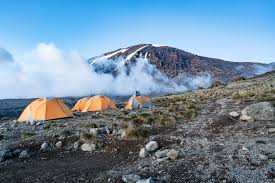
A relatively short but steep day as you climb to Barafu Camp, your summit base camp. The trail ascends through stark alpine desert terrain with loose volcanic scree underfoot. Despite the short distance, the altitude makes this a challenging day — take it pole pole. Barafu Camp (4,673m) is perched on a rocky ridge with incredible views down to the Mweka Valley and across to the jagged peaks of Mawenzi. The afternoon is spent resting, hydrating, and mentally preparing for the midnight summit attempt. Your guide will wake you at around 11:00 PM for a light meal before the biggest day of your life.
SUMMIT: Barafu Camp (4,673m) → Uhuru Peak (5,895m) → Mweka Camp (3,100m)
SUMMIT DAY — the moment you have been preparing for. Your guide wakes you around 11:00 PM for tea and biscuits. You set off by headlamp into the freezing darkness, climbing steeply up scree slopes towards Stella Point (5,756m) on the crater rim. The ascent is slow and methodical — "pole pole" with frequent short breaks. The sky above is a canopy of stars, and far below you can see the lights of Moshi and Arusha. After approximately 5-6 hours of climbing, you reach Stella Point at the crater rim — the sun is just beginning to paint the sky in shades of orange and pink. From Stella Point, it is another 1-2 hours along the crater rim to Uhuru Peak (5,895m), the highest point in Africa. Congratulations — you have reached the Roof of Africa! Take photos, celebrate with your team, and soak in the 360-degree views over the glaciers and the African continent below. After 15-20 minutes at the summit, you begin the long descent back to Barafu Camp for a short rest, then continue down to Mweka Camp (3,100m) in the lush rainforest zone. This is a long, demanding day — but the sense of achievement is overwhelming.
Mweka Camp (3,100m) → Mweka Gate (1,640m) → Arusha
Your final morning on the mountain! After breakfast, descend through lush rainforest to Mweka Gate. The trail is steep in sections and can be muddy — trekking poles are essential. The forest is alive with bird calls and you may spot blue monkeys and colobus monkeys one last time. At Mweka Gate, you sign out with park authorities and receive your official summit certificates — a green certificate for reaching Stella Point and a gold certificate for reaching Uhuru Peak. Meet your driver and transfer back to your hotel in Arusha or Moshi. Enjoy a hot shower — the first proper shower in a week — and a celebratory dinner.
Departure
Enjoy a final breakfast at your hotel in Moshi or Arusha. Depending on your flight schedule, you may have time for a short city tour or some souvenir shopping at the local craft markets. Your driver will transfer you to Kilimanjaro International Airport (JRO) for your departure flight. End of an unforgettable Kilimanjaro adventure.
Destinations You'll Explore
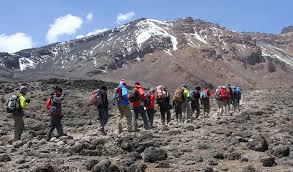
Kilimanjaro National Park
A UNESCO World Heritage Site covering 1,688 sq km of Tanzania's most iconic landscape. The park encompasses five distinct ecological zones from montane rainforest to the arctic summit.
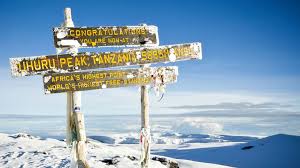
Lemosho Route & Shira Plateau
The Lemosho Route begins on the remote western side, crossing the vast Shira Plateau — an ancient volcanic caldera. This is the most scenic entry to Kilimanjaro with outstanding views from day one.
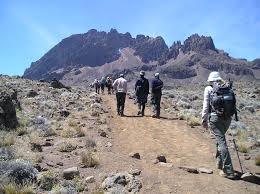
Mweka Route & Rainforest
The Mweka Route is the standard descent path from Kilimanjaro, leading through lush montane rainforest with towering trees, ferns, and abundant birdlife back to the park gate.
| Included |
|
|---|---|
| Excluded |
|
| Transport |
|
Photo Gallery
Lemosho Rainforest Trek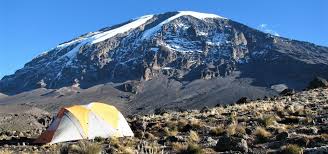 Shira Plateau Crossing
 Kibo Peak ViewBarranco Wall ScrambleUhuru Peak 5,895m
 Glacier Views
 Mweka Camp Descent
 Sunset on KilimanjaroSummit Celebration
Location
What Our Travelers Say
Join thousands of satisfied climbers who have summited Kilimanjaro with us.
Frequently Asked Questions
How hard is the 8-day Lemosho Route?
The Lemosho Route is considered demanding but achievable for fit beginners. The 8-day itinerary provides excellent acclimatization with a summit success rate above 90%. A good level of fitness and mental determination are the most important factors.
What is the best time to climb Kilimanjaro via Lemosho?
The best climbing seasons are January-March and June-October. These months offer the clearest skies and most stable weather for summit success. The wettest months (April-May and November) are less ideal but still possible.
Do I need climbing experience?
No technical climbing experience is required. The Lemosho Route involves hiking and scrambling — no ropes or technical gear needed. Good fitness and determination are far more important than prior climbing experience.
What is unique about the Lemosho Route?
The Lemosho Route is the most scenic route on Kilimanjaro, offering a remote wilderness start, a dramatic crossing of the Shira Plateau, and the famous "climb high, sleep low" acclimatization profile that maximises summit success.
How much does the 8-day Lemosho climb cost?
Please contact us for a personalised quote. Prices vary based on group size, accommodation preference (camping only vs luxury add-ons), and season. We offer transparent pricing with no hidden fees.
What is the success rate on the 8-day Lemosho?
The 8-day Lemosho Route has one of the highest summit success rates on Kilimanjaro, typically exceeding 90%, thanks to the extended acclimatization profile and the "climb high, sleep low" strategy.
What should I pack for the Lemosho Route?
Essential items include thermal layers, a waterproof jacket and trousers, a warm sleeping bag rated to -10°C, trekking poles, headlamp, water bottles (3L capacity), sunscreen, and sturdy waterproof hiking boots. A detailed packing list is provided upon booking.
Is altitude sickness a concern on the Lemosho Route?
Altitude sickness can affect any climber regardless of fitness. The 8-day Lemosho itinerary is designed for optimal acclimatization. Our guides are trained to recognise symptoms early and make safety-first decisions. We carry emergency oxygen at all times.
What is the Barranco Wall like?
The Barranco Wall is a steep but non-technical scramble on Day 4. It is exhilarating and safe, with your guides helping you find the best hand and footholds. No ropes required. Despite its dramatic appearance, it is one of the most fun sections of the trek.
Is the Lemosho Route crowded?
The Lemosho Route starts in a remote area on the western side of the mountain and sees fewer climbers than the Marangu or Machame routes, especially in the first two days. After merging with other routes at Lava Tower, the trail becomes busier but never uncomfortably so.
Can I see wildlife on the Lemosho Route?
The lower forest section of the Lemosho Route is home to colobus monkeys, blue monkeys, bushbuck, and diverse birdlife. Higher up, the landscape becomes alpine and wildlife is sparse — the vegetation itself becomes the main attraction with giant groundsels and lobelias.
What accommodation is provided on the trek?
High-quality mountain tents are provided with sleeping mats. We use spacious four-season tents designed for Kilimanjaro conditions. Dining tents, toilet tents, and camp furniture are included at each campsite. You provide your own sleeping bag (rated to -10°C recommended).
How do I train for Kilimanjaro?
Focus on cardiovascular fitness (running, cycling, hiking), leg strength (squats, lunges, stair climbing), and long weekend hikes carrying a 10-15kg pack. Start training 3-4 months before your climb. The single best preparation is hiking hills with a weighted pack.
What happens if I cannot summit?
Your safety is our priority. If the guides assess that you cannot safely summit, you will be accompanied back down by an assistant guide. There is no shame in turning back — the mountain will always be there. Most climbers who do not summit on the first attempt return and succeed on their second.
What is the food like on the mountain?
Our cooks prepare nutritious, high-energy meals including soups, pasta, rice, vegetables, fruit, porridge, eggs, bread, and hot drinks. Dietary requirements can be accommodated with advance notice. The food is surprisingly good given the altitude and conditions.
Do I need a porter?
Porters are included in your package and carry all camping gear and communal equipment. You only need to carry a daypack with your personal essentials (water, snacks, camera, extra layers, sunscreen). We follow ethical porter practices and are KPAP members.
What is the summit night like?
Summit night starts around midnight. You climb by headlamp through the freezing darkness, reaching Stella Point at 5,756m around sunrise, then continue along the crater rim to Uhuru Peak at 5,895m. It is the most physically demanding day of the trek but the sunrise from the Roof of Africa makes every step worthwhile.
Can I charge my devices on the mountain?
There is limited ability to charge devices on the mountain. We recommend bringing a portable power bank (10,000-20,000 mAh) to keep your camera and phone charged. Please keep devices switched off when not in use to conserve battery.
What is the tipping policy?
Tipping your crew is customary and greatly appreciated. Recommended amounts are approximately $250-350 per climber total, shared among guides, assistant guides, porters, and the cook. Your lead guide will advise on the appropriate distribution at the end of the trek.
Ready to Climb Kilimanjaro?
Book your 8-day Lemosho Route adventure and experience the most scenic path to the Roof of Africa.