5.0/5.0
Trusted by 10,000+ Travelers
Google Reviews
TripAdvisor
SafariBookings Rating
Introduction
The Northern Circuit is the longest Kilimanjaro route, circling the remote northern slopes of Africa's highest peak. This 9-day expedition offers the best possible acclimatization profile — climb high, sleep low — resulting in a 95%+ summit success rate. Far from the crowded southern routes, you will trek through pristine alpine desert, ancient glacial valleys, and vast wilderness landscapes that few ever see. Starting from the lush Lemosho rainforest and crossing the entire northern flank of Kibo, this is the ultimate Kilimanjaro adventure for those seeking solitude, scenery, and the highest chance of standing on the Roof of Africa.
Why Choose the Northern Circuit?
Remote Northern Slopes
Trek across Kilimanjaro's least-travelled northern flank, far from the busy southern routes. Experience true wilderness solitude.
Best Acclimatization
The 'climb high, sleep low' profile — the longest route circling the mountain — gives you the best possible altitude adaptation.
95%+ Summit Rate
The Northern Circuit boasts the highest summit success rate of any Kilimanjaro route thanks to its extended acclimatization schedule.
Few Crowds
The northern slopes see a fraction of the traffic compared to Machame, Marangu, and Lemosho. Pure wilderness trekking.
360° Mountain Views
Panoramic views of Kibo, Mawenzi, and the vast plains of Amboseli and Tsavo in Kenya from the remote northern side.
Complete Kilimanjaro Experience
Cross every vegetation zone — rainforest, heath, moorland, alpine desert, and arctic summit — on the ultimate circuit.
Tour Highlights
- Londorossi Gate — enter Kilimanjaro's pristine western rainforest
- Lemosho Forest Camp — overnight deep in the montane jungle
- Shira Plateau — Africa's largest volcanic caldera
- Lava Tower — 4,630m geological landmark for acclimatization
- Moir Camp — first night on the remote northern circuit
- Buffalo Camp & Rongai Third Cave — traverse the wild northern face
- The Saddle — cross between Kibo and Mawenzi peaks
- Uhuru Peak sunrise — the ultimate summit achievement at 5,895m
Detailed Itinerary
Each day is carefully structured to maximise acclimatization while ensuring you experience the full majesty of Kilimanjaro's diverse landscapes. Below you will find a complete breakdown of every stage, from the rainforest ascent to the summit and descent.
Day 1
ARRIVAL
Arrive Moshi & Pre-Climb Briefing
Transfer: 1 hr
Accommodation: Moshi Hotel
Meals: Dinner
Upon arrival at Kilimanjaro International Airport (JRO), you will be met by your driver-guide and transferred to Moshi, the gateway town to Kilimanjaro at the foot of the mountain. Settle into your hotel, before attending a comprehensive pre-climb briefing covering the Northern Circuit route, safety procedures, gear check, and what to expect each day. Meet your lead guide and trekking team. Rest and prepare for the adventure ahead.
Morning: Arrive at Kilimanjaro International Airport (JRO). Clear immigration and collect your luggage. Your professional driver-guide will be waiting outside the arrivals hall, holding a sign with your name. The drive to Moshi takes approximately 1 hour through the lush foothills of Kilimanjaro, passing coffee plantations and banana groves.
Afternoon: Check in at your hotel in Moshi. Enjoy lunch at the hotel or explore the town. Visit the Moshi market or relax by the pool. In the afternoon, your lead guide will conduct a thorough gear check to ensure you have all necessary equipment for the trek. Any missing items can be rented in Moshi.
Evening: Comprehensive pre-climb briefing with your lead guide. Review the 9-day itinerary, discuss altitude sickness prevention, summit strategy, and safety protocols. Enjoy a welcome dinner and an early bedtime. Tomorrow the adventure begins.
Airport Pickup
Gear Check
Briefing
Day 2
FOREST
Londorossi Gate to Lemosho Forest Camp
Drive: 2 hrs
Hiking: 3-4 hrs
Distance: 6 km
Elevation: 2,100 m
Meals: Breakfast, Lunch, Dinner
After breakfast, drive from Moshi to the Londorossi Gate (2,100m), the western entrance to Kilimanjaro National Park. Complete park registration and meet your porters. Begin your trek through the lush montane rainforest on a winding trail. The forest is alive with Colobus monkeys, bird calls, and giant ferns. Arrive at Lemosho Forest Camp for your first night on the mountain.
Morning: Early breakfast at the hotel (6:30 AM) and check out. Drive approximately 2 hours from Moshi to Londorossi Gate, passing through the town of Sanya Juu and ascending through coffee and banana plantations. The road becomes rougher as you approach the park gate. At Londorossi Gate, your guide handles park registration while porters organize and weigh the equipment.
Afternoon: Begin your trek from Londorossi Gate into the lush montane rainforest. The trail winds through dense vegetation with giant heather, moss-draped trees, and the calls of tropical birds. Look out for black-and-white colobus monkeys and the occasional blue monkey. The hike is a gentle 3-4 hour introduction to Kilimanjaro trekking. Arrive at Lemosho Forest Camp (2,100m) by mid-afternoon.
Evening: Settle into camp. Your cook prepares a hot meal in the mess tent. Enjoy the sounds of the rainforest at night as the temperature drops. Your guide checks on each climber, ensuring everyone is feeling well. Early night — the best way to adapt to altitude is to rest and stay hydrated.
Rainforest Trek
Montane Forest
Wildlife Spotting
Day 3
HEATH
Forest Camp to Shira 1 Camp
Hiking: 5-6 hrs
Distance: 8 km
Elevation: 3,500 m
Meals: Breakfast, Lunch, Dinner
Leave the rainforest behind as you ascend into the heath and moorland zone. The trail opens up to rolling hills, giant lobelias, and senecio plants. As you climb, the views become increasingly spectacular — looking back over the forest and out to the plains below. Arrive at Shira 1 Camp on the edge of the Shira Plateau, Africa's largest volcanic caldera.
Morning: Wake to the sounds of the forest. Breakfast at 7:00 AM and break camp. Today's trail climbs steadily through the transition from rainforest to heath and moorland zones. The vegetation changes dramatically — giant heather, tussock grass, and the remarkable giant lobelias and senecios that are unique to East Africa's high mountains. The morning hike offers increasingly expansive views.
Afternoon: Continue climbing through the moorland with its otherworldly plant life. The trail steepens as you approach the Shira Plateau. Arrive at Shira 1 Camp (3,500m) by early afternoon. The camp sits on the edge of the vast Shira Plateau — the remains of an ancient volcanic caldera that collapsed millions of years ago. This is the highest camp so far; take it easy and drink plenty of water.
Evening: Enjoy dinner in the mess tent as the sun sets over the Shira Plateau. The stars are brilliant at this altitude. Your guide checks everyone's oxygen saturation and discusses the next day's challenging section. Acclimatization walk around camp is recommended before settling in for the night.
Shira Plateau
Moorland Zone
Acclimatization
Day 4
ACCLIMATIZATION
Shira 1 to Moir Camp via Lava Tower
Hiking: 6-7 hrs
Distance: 10 km
Max Elevation: 4,630 m
Camp Elevation: 4,200 m
Meals: Breakfast, Lunch, Dinner
Today is a classic 'climb high, sleep low' day. Ascend to the iconic Lava Tower (4,630m), a spectacular volcanic rock formation, for lunch and acclimatization. The landscape transforms from moorland to alpine desert. After Lava Tower, descend slightly to Moir Camp (4,200m), your first camp on the northern side of the mountain. This acclimatization strategy significantly boosts your summit success chances.
Morning: Early breakfast and departure from Shira 1. Today's trek crosses the Shira Plateau towards the eastern end, with Kibo Peak looming ever closer. The trail traverses rocky terrain and alpine desert as you ascend towards the Lava Tower. The vegetation becomes sparse as you climb above 4,000m. Watch your pace — slow and steady is the key to good acclimatization.
Afternoon: Arrive at Lava Tower (4,630m) for lunch and a rest. This iconic rock formation is a landmark of the western circuit. The altitude here is significant — you will feel the thin air. After lunch, descend to Moir Camp (4,200m) following the trail around the northern flank of the mountain. The descent to a lower sleeping altitude is a deliberate acclimatization strategy — 'climb high, sleep low'.
Evening: Arrive at Moir Camp on the remote northern slopes. The views from this camp are extraordinary — looking north into Kenya's Amboseli National Park and across the vast plains of Tsavo. Fewer than 10% of Kilimanjaro trekkers visit this northern side. Dinner and overnight. The solitude is profound.
Lava Tower
Climb High Sleep Low
Northern Slopes
Day 5
TRAVERSE
Moir Camp to Buffalo Camp
Hiking: 5-6 hrs
Distance: 9 km
Elevation: 4,020 m
Meals: Breakfast, Lunch, Dinner
Today you traverse the remote northern slopes of Kilimanjaro, a region seen by very few climbers. The trail contours around the mountain through alpine desert, offering uninterrupted views of the northern plains stretching into Kenya. The terrain is otherworldly — barren volcanic rock, ancient lava flows, and hardy alpine plants clinging to the harsh environment. Arrive at Buffalo Camp (4,020m) for the night.
Morning: Breakfast with sunrise views over the northern plains. Depart Moir Camp and continue your traverse of the northern circuit. The trail follows a contour around Kibo's northern flank, crossing streams fed by the mountain's shrinking glaciers. The alpine desert landscape is stark and beautiful — volcanic rock, scree slopes, and the occasional hardy everlasting flower (Helichrysum). Keep an eye out for the sunbirds that visit these flowers even at 4,000m.
Afternoon: The trail gently undulates as you round the northern side of the mountain. Views of Mawenzi Peak become more prominent. The vastness of the landscape is humbling — you can see for miles across the Kenyan plains. Arrive at Buffalo Camp (4,020m) in the early afternoon. The camp is named for the buffalo that occasionally wander up from the forest below — a reminder that you are still within a living ecosystem.
Evening: Rest and hydrate at Buffalo Camp. The afternoon is free for rest and acclimatization. Your camp staff provides hot water for washing. Dinner is served as the temperature drops rapidly. The stars at this altitude are magnificent — far from any light pollution.
Northern Traverse
Alpine Desert
Kenya Views
Day 6
NORTH SIDE
Buffalo Camp to Rongai Third Cave
Hiking: 5-6 hrs
Distance: 8 km
Elevation: 3,980 m
Meals: Breakfast, Lunch, Dinner
Continue your journey across the northern slopes, descending slightly to the Rongai Third Cave (3,980m). This route section offers the most dramatic views of Mawenzi's jagged peaks and the vast Saddle between Kibo and Mawenzi. The landscape is predominantly alpine desert with striking rock formations and prehistoric-looking plants. The descent to a lower sleeping altitude continues the excellent acclimatization pattern.
Morning: Breakfast and departure from Buffalo Camp. The trail continues eastwards across the northern slopes, gradually descending towards the Rongai route. The terrain becomes more varied with rocky outcrops, dry stream beds, and patches of hardy vegetation. The views of Mawenzi Peak (5,149m) become increasingly dramatic as you approach its northern flank. Mawenzi is the second-highest peak of the Kilimanjaro massif — a jagged, volcanic remnant.
Afternoon: The trail descends gently to Rongai Third Cave (3,980m), a natural rock shelter used by porters on the Rongai route. The surrounding area is characterized by volcanic boulders and the hardy Senecio plants that survive in this harsh environment. Enjoy the afternoon resting and taking in the vast views across the northern savannah. From here, you can see the saddle between Kibo and Mawenzi — a preview of tomorrow's crossing.
Evening: Camp at Rongai Third Cave. The sunset over the northern plains is spectacular, with Kibo Peak glowing pink in the alpenglow. Your guide briefs you on the next day's trek across the Saddle to School Hut, the final camp before summit night. This is a critical briefing — summit protocols are reviewed in detail.
Rongai Route
Mawenzi Views
Alpine Desert
Day 7
SADDLE
Third Cave to School Hut
Hiking: 4-5 hrs
Distance: 7 km
Elevation: 4,730 m
Meals: Breakfast, Lunch, Dinner
Today you cross the iconic Saddle — the high-altitude desert that connects Kibo and Mawenzi peaks. This exposed traverse offers breathtaking views in all directions. The terrain is barren and lunar-like, with volcanic scree and glacial moraines. Arrive at School Hut (4,730m) on the eastern side of Kibo. This is your final camp before the summit attempt. After an early dinner, you will rest for a few hours before the midnight summit push.
Morning: Breakfast at Rongai Third Cave and depart for the Saddle crossing. The trail ascends gradually from the camp towards the vast, open saddle between the two peaks. This high-altitude desert is one of the most exposed sections of the route — the wind can be fierce. The ground is covered in volcanic scree and glacial moraine. Along the way, you may encounter the hardy alpine plants that survive here, including mosses and lichens. The views of Mawenzi's jagged ridge are unforgettable.
Afternoon: Arrive at School Hut (4,730m) by early afternoon. Check in and settle into the hut or your tents. The afternoon is for resting — you will need all your energy for the summit attempt. Your guide will check everyone's health and oxygen saturation. An early dinner is served around 5:00 PM. After dinner, you will have the summit briefing: departure at midnight, what to wear, pacing, hydration, and what to expect in the darkness and cold.
Evening: Try to sleep from 6:00 PM to 11:00 PM. Hot drinks will be provided at 11:30 PM. Gear up with your summit layers, headlamp, and trekking poles. Your guide will lead a prayer or blessing from the local Chagga tradition — a special moment shared by many Kilimanjaro climbers. By midnight, the final ascent begins.
The Saddle
School Hut
Summit Prep
Day 8
SUMMIT
School Hut to Uhuru Peak to Horombo Hut
Hiking: 12-16 hrs
Distance: 15 km total
Summit: 5,895 m
Sleeping: 3,720 m
Meals: Breakfast, Lunch, Dinner
Summit day! Depart at midnight for the final ascent. The steep trail winds through volcanic scree up to Gilman's Point (5,681m) on the crater rim, then follows the rim to Stella Point (5,756m) and finally to Uhuru Peak (5,895m) — the Roof of Africa. Arrive at the summit for sunrise — the most glorious moment of your life. After celebration and photos, descend through heavy scree to Horombo Hut (3,720m) for a well-earned rest.
Morning (Summit Push): Wake at 11:30 PM for hot tea and biscuits. Your guide checks each climber's condition one final time. By midnight, you begin the slow, steady climb. The trail is steep and the air is thin. Your headlamp illuminates the path ahead as you follow the line of lights from other climbers. The climb takes 6-7 hours to reach Gilman's Point. Step by step, pole pole (slowly slowly) is the mantra. The summit ridge walk from Gilman's Point to Uhuru Peak takes 45-60 minutes along the crater rim. Watch the sunrise paint the glaciers gold.
Afternoon (Summit & Descent): Reach Uhuru Peak (5,895m) — you are standing on the highest point in Africa! Celebrate with your guide, take photographs, and sign the summit register. The view is indescribable — glaciers, the crater, and the continent stretching to the horizon. After 15-20 minutes at the summit, begin the descent. The return to School Hut takes 2-3 hours. Collect your gear, eat a quick lunch, and continue descending through the Saddle to Horombo Hut (3,720m). The total descent from the summit to Horombo takes 6-8 hours.
Evening: Arrive at Horombo Hut in the late afternoon or early evening. Your legs will be tired, but the sense of achievement is overwhelming. Remove your boots, wash, and enjoy a hot meal. The porters and cook will congratulate you — this is a team achievement. Your lead guide presents you with your summit certificate during dinner. Sleep comes easily tonight.
Uhuru Peak 5,895m
Summit Sunrise
Crater Ridge
Certificate
Day 9
DESCENT
Horombo Hut to Marangu Gate to Arusha
Hiking: 4-5 hrs
Distance: 10 km
Elevation Loss: 1,820 m
Meals: Breakfast, Lunch
After breakfast, descend through the lush montane rainforest of the Marangu route to the park gate. The trail winds through giant ferns, moss-draped trees, and colourful impatiens flowers. At Marangu Gate, collect your official summit certificate from Kilimanjaro National Park. A taxi-drive takes you back to Moshi or Arusha for hot showers, a celebration dinner, and a well-deserved rest.
Morning: Breakfast at Horombo Hut with sunrise views of Mawenzi. The final descent takes you through the beautiful montane rainforest of the Marangu route. The trail is well-maintained and passes through rolling hills, giant fern forests, and the Mandara Hut clearing. The vegetation becomes increasingly lush as you lose altitude. The morning air is filled with bird calls, and you may see Colobus monkeys in the canopy. The scent of damp earth and tropical flowers fills your nostrils.
Afternoon: Arrive at Marangu Gate (1,830m) by midday. Complete the park exit formalities. This is the moment you receive your official summit certificate from Kilimanjaro National Park — a gold certificate if you reached Uhuru Peak, or a green one for Stella Point. Celebrate with your guide team, distribute tips, and say your goodbyes. Board the vehicle for the transfer to your hotel in Moshi or Arusha (approximately 1 hour).
Evening: Arrive at your hotel. Take a long hot shower — the first in 8 days! Enjoy a celebration dinner at your hotel or at a recommended restaurant in Moshi or Arusha. You have conquered Kilimanjaro. Relax, reflect, and plan your next African adventure with African Majestic Adventure.
Certificate Ceremony
Marangu Gate
Celebration
Destinations You'll Explore
Kilimanjaro National Park
A UNESCO World Heritage Site covering 1,688 sq km around Africa's highest mountain. Home to five distinct ecological zones, from montane rainforest to arctic summit, with extraordinary biodiversity including colobus monkeys, duikers, and over 140 bird species.
UNESCO Heritage
5 Climate Zones
Africa's Highest Peak
Northern Circuit Route
The longest and most remote Kilimanjaro route, circling the northern slopes between Moir Camp and Rongai Third Cave. This pristine wilderness section offers solitude, dramatic alpine desert landscapes, and unparalleled views of Kibo, Mawenzi, and the plains below.
Remote Wilderness
Alpine Desert
Few Crowds
Summit Descent
The descent via the Marangu route takes you through the Saddle between Kibo and Mawenzi, down the steep scree slopes, and through the lush montane rainforest to Marangu Gate. This well-established route offers a fitting finale to your Kilimanjaro expedition.
Saddle Crossing
Marangu Route
Certificate Ceremony
| Included | - Park Entry Fees
- Camping Fees
- Professional Guide Team
- All Meals on Mountain
- Camping Equipment
- Transfers
|
|---|
| Excluded | - Flights
- Visa
- Travel Insurance
- Tips
- Personal Gear
- Drinks
|
|---|
| Transport | - Private 4x4 Safari Vehicle
|
|---|
Photo Gallery
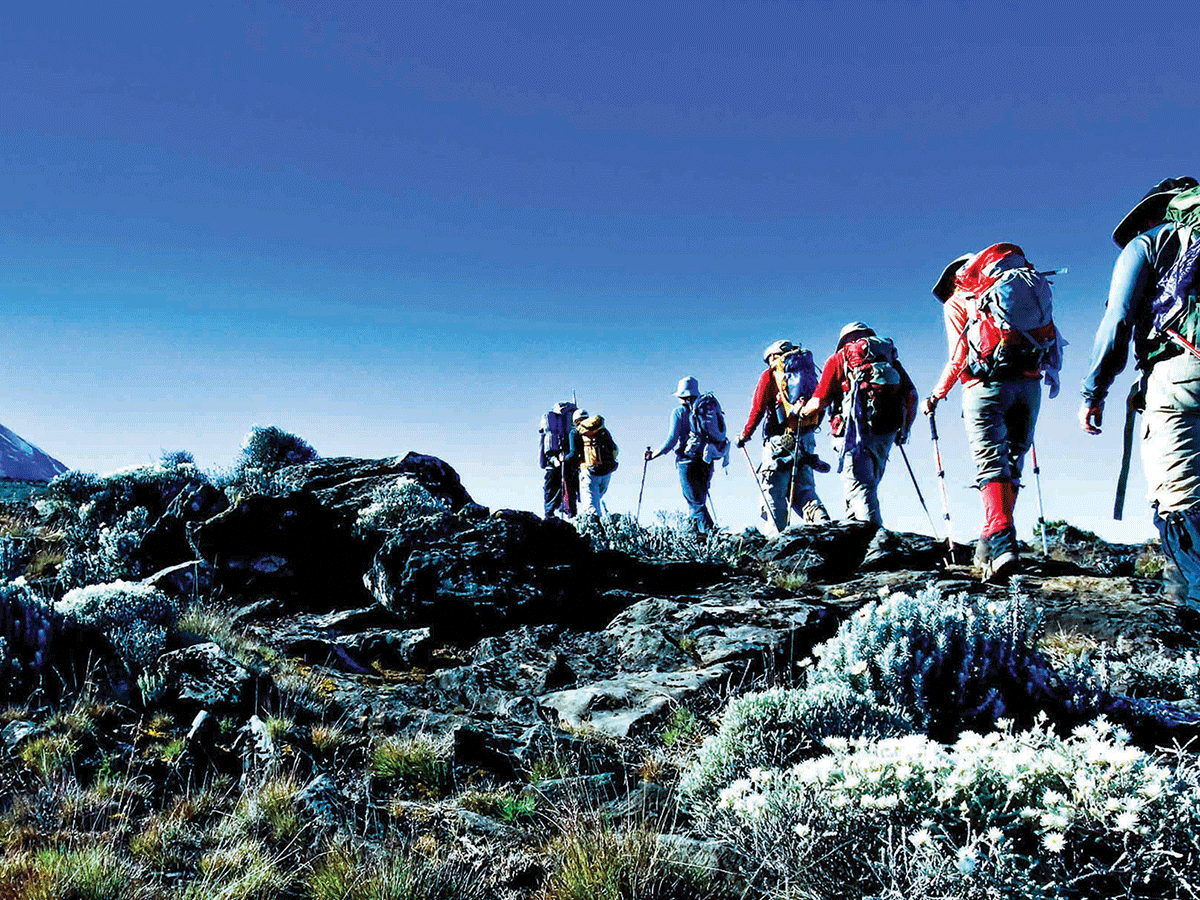
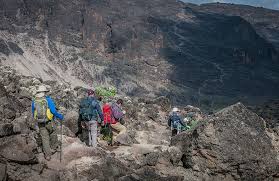 Northern Circuit Trail
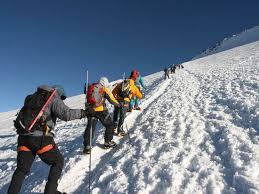 Kibo Summit View
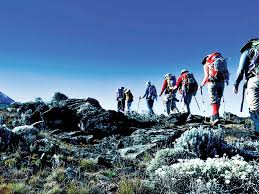 Glacier View
 Route Map
 Sunset on the Mountain
Summit Celebration
Location
What Our Travelers Say
Join thousands of satisfied climbers who have conquered Kilimanjaro with us.
Licensed Tour Operator
TATO Registered
Kilimanjaro Specialist
Secure Payment
10+ Years Experience
Frequently Asked Questions
What is the Northern Circuit Route on Kilimanjaro?
The Northern Circuit is the longest route on Kilimanjaro, circling the northern slopes of the mountain. It offers the best acclimatization due to its 'climb high, sleep low' profile and sees fewer crowds than other routes.
How difficult is the Northern Circuit Route?
The Northern Circuit is considered demanding. Trekkers should be physically fit and prepared for long days of hiking at high altitude. The extended duration provides better acclimatization, improving summit success rates.
What is the best time to climb via the Northern Circuit?
The best times are June to October (dry season) and December to March. These months offer the most stable weather conditions and clearer skies for summit attempts.
Why choose the 9-day Northern Circuit over shorter routes?
The 9-day itinerary allows for optimal acclimatization with the 'climb high, sleep low' principle. The Northern Circuit has the highest summit success rate of all Kilimanjaro routes at over 95%.
What is the acclimatization advantage of the Northern Circuit?
The Northern Circuit circles the mountain at varying altitudes, allowing trekkers to climb high during the day and sleep at lower elevations. This repeated pattern significantly reduces altitude sickness risk.
What is the summit success rate on the Northern Circuit?
The Northern Circuit boasts a 95%+ summit success rate, the highest of any Kilimanjaro route, thanks to its superior acclimatization profile and extended duration.
What scenery will I see on the Northern Circuit?
The Northern Circuit offers diverse landscapes including montane rainforest, heath and moorland, alpine desert, and the remote northern slopes with panoramic views of Kibo and Mawenzi peaks.
What level of fitness do I need for the Northern Circuit?
A good level of fitness is required. Regular cardio exercise, hiking with a loaded backpack, and stair climbing are recommended preparation. Previous high-altitude trekking experience is beneficial but not essential.
What should I pack for the Northern Circuit trek?
Pack thermal base layers, fleece jacket, waterproof jacket and trousers, insulated down jacket, trekking trousers, hiking boots, gaiters, sleeping bag rated to -10°C, headlamp, trekking poles, water bottles, sunscreen, and sunglasses.
Are there age limits for climbing via the Northern Circuit?
The minimum age is 12 years. There is no upper age limit, but trekkers over 60 should provide a medical certificate of fitness. All climbers must complete a medical questionnaire.
What is the group size on the Northern Circuit?
Group sizes typically range from 4 to 12 climbers plus a professional guide team including assistant guides, porters, and a cook.
How does tipping work on Kilimanjaro treks?
Tipping is customary and should be budgeted separately. Recommended amounts are $20-25 per day for guides, $15-20 for assistant guides, $10-12 for cooks, and $8-10 per porter for the entire trek.
What park fees are included?
Park fees include entry to Kilimanjaro National Park, camping fees, rescue fees, and all government taxes and levies. These are typically included in the tour price.
What is the weather like on the Northern Circuit?
Weather varies dramatically by altitude. The forest zone is warm and humid. The alpine desert is cold and dry. Summit nights can drop to -20°C. Afternoon showers are common in the forest zone year-round.
Do I receive a summit certificate?
Yes, all climbers who reach Uhuru Peak receive a gold summit certificate from Kilimanjaro National Park. Those who reach Stella Point receive a green certificate.
Ready to Conquer Kilimanjaro?
Book the 9-day Northern Circuit Route — the remote path circling Kilimanjaro's northern slopes with the highest summit success rate.


.png)