

.png)
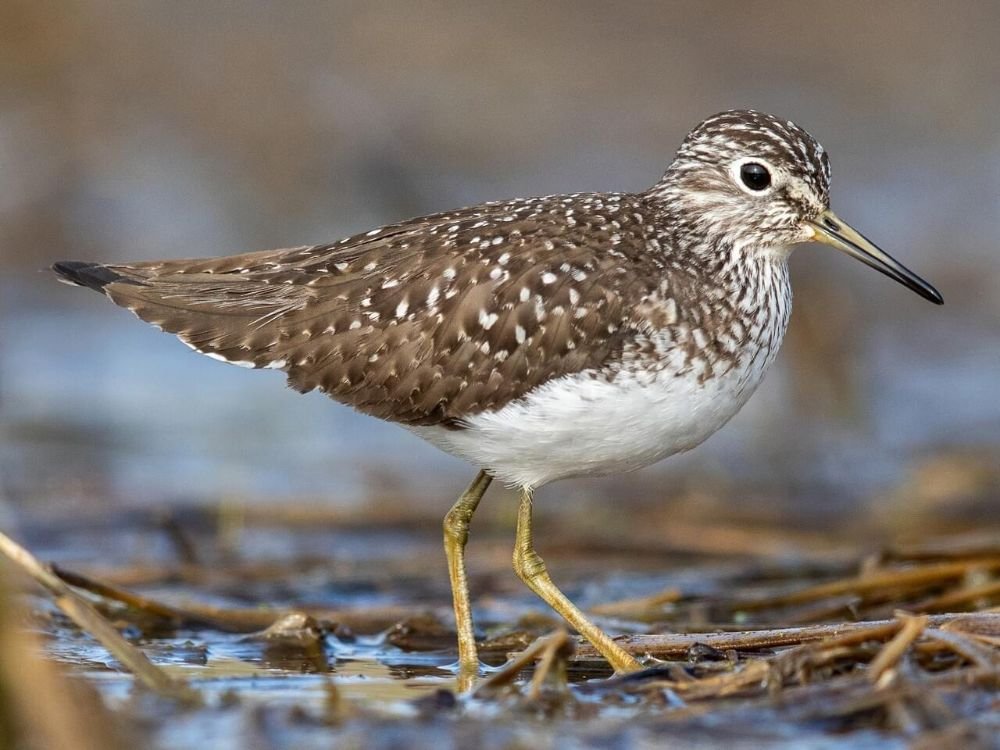
Wood Sandpiper
Tringa glareolaA distinctive, crested eagle of Africa's forests and woodlands – a master rodent hunter.
The Wood Sandpiper (Tringa glareola) is a medium-sized bird of prey in the family Accipitridae. It is a distinctively shaped eagle with a long, full crest, long broad wings, and a relatively short tail . It is found in wooded habitats across much of sub-Saharan Africa .
Wood Sandpiper Quick Facts
What Is the Wood Sandpiper?
The Wood Sandpiper (Tringa glareola) is a medium-sized migratory wader in the sandpiper family Scolopacidae. It breeds mainly across northern Eurasia and travels south to Africa and other wintering areas, where it is often found around shallow freshwater wetlands.
In Tanzania, Wood Sandpipers are best understood as seasonal visitors rather than resident birds. They favour productive wetland margins, flooded grass, muddy pools and shallow water where small invertebrate prey can be reached by walking and probing.
Why the Wood Sandpiper Matters:
This elegant wader is a useful indicator of healthy wetland mosaics. Its presence connects Tanzanian wetlands with the much larger Afro-Eurasian migratory system, making local marshes, pans and lake edges important links in an international chain of habitats.
How to Identify a Wood Sandpiper
The Wood Sandpiper has a slim, elegant shape, a noticeably pale eyebrow, grey-brown upperparts with fine pale spotting, a white underside and yellowish to greenish legs. The bill is relatively short, straight and dark, often with a paler base.
Key Identification Features
- Size: About 20–24 cm long, with a compact wader profile.
- Eyebrow: A strong pale supercilium is one of the most useful field marks.
- Back: Grey-brown upperparts are neatly spotted, especially in fresh plumage.
- Underparts: White, with streaking concentrated around the breast and flanks.
- Legs: Yellow-green to olive-yellow rather than bright orange.
- Flight: A conspicuous white rump and dark-barred tail pattern help confirm it in flight.
Look-alike Species:
Wood Sandpipers can be confused with other Tringa sandpipers. The combination of a slim build, strong eyebrow, finely spotted upperparts and yellowish legs is particularly useful when separating it from darker or more boldly marked relatives.
Behavior & Daily Life
Wood Sandpipers are active, alert foragers. They commonly walk through shallow water or wet mud, picking small prey from the surface, vegetation and sediment. When disturbed they may give quick calls and fly strongly to another patch of suitable wetland.
Social Life:
Outside the breeding season, they may occur alone or in small loose groups, particularly where food is concentrated. Their social behaviour is flexible and strongly influenced by water levels and feeding opportunities.
Daily Activity
- Foraging: Walks through shallow water and soft mud while searching for aquatic and terrestrial invertebrates.
- Resting: Uses tussocks, muddy margins and exposed wetland edges between feeding bouts.
- Flight: Often moves rapidly between wetland patches when disturbed or when local feeding conditions change.
Migration
Wood Sandpipers are long-distance migrants. Individuals breeding in northern Europe and Asia migrate south to wintering areas in Africa and southern Asia, making Tanzania part of a much larger seasonal movement network.
Habitat & Distribution
Wood Sandpipers favour shallow freshwater wetlands with open muddy margins and low emergent vegetation. They often choose habitats where wet grass, reeds, pools and exposed mud occur together.
- Shallow freshwater marshes and seasonal pools.
- Flooded grassland and wet meadows.
- Mud margins around lakes, pans and riverine wetlands.
- Wet agricultural landscapes where natural feeding habitat remains available.
Distribution: The species breeds across northern Eurasia and migrates along major flyways to wintering grounds in Africa and Asia. Tanzania forms part of its African non-breeding range.
Tanzania Distribution
In Tanzania, Wood Sandpipers are associated with wetlands used during migration and the non-breeding season. National records include sites such as Lake Manyara and other suitable freshwater and seasonal wetland habitats.
Wood Sandpiper in Tanzania
Look for Wood Sandpipers around shallow water, flooded grass and muddy wetland margins, especially during periods when migratory shorebirds are moving through or wintering in Tanzania.
Lake Manyara National Park
Wetland margins around Lake Manyara provide suitable feeding habitat for migrant sandpipers and other waterbirds.
Lake Manyara safariNgorongoro Conservation Area
The crater floor and surrounding wet habitats can hold migrant shorebirds when water and mud conditions are favourable.
Ngorongoro safariTarangire National Park
Seasonal pools and wetland edges can attract migratory waders in suitable conditions.
Tarangire safariSeasonal Wetlands & Pans
Small marshes, flooded grasslands and shallow pans across northern Tanzania may provide feeding opportunities.
Tanzania wildlife safariSafari Methods
- Birdwatching with binoculars around shallow wetlands.
- Game drives that pass lakes, pans and flooded grasslands.
- Wildlife photography from a respectful distance to capture foraging and flight patterns.
Best Time to See Them
The best opportunities are during the migratory season and wetter periods when shallow water and muddy feeding margins are available. Local timing varies with rainfall and water levels.
Diet & Feeding
The Wood Sandpiper is an insectivorous and small-invertebrate-feeding wader. It forages in shallow water, damp soil and muddy edges where prey is close to the surface.
Food Sources
- Aquatic insects and their larvae.
- Small crustaceans and other tiny freshwater invertebrates.
- Worms and other soft-bodied prey collected from wet mud.
- Small molluscs and miscellaneous invertebrates when available.
Feeding Technique:
It typically walks steadily while pecking at prey from the water surface, vegetation or mud. It may also probe soft substrate with the bill, adjusting its technique to water depth and prey availability.
Ecological Role:
By feeding on small wetland invertebrates, Wood Sandpipers form part of the transfer of energy between aquatic and terrestrial food webs and help illustrate the importance of productive shallow-water habitats.
Foraging Strategy
Its careful walking and probing style allows the Wood Sandpiper to exploit prey concentrated along shallow edges, wet vegetation and soft mud.
Breeding & Life Cycle
Wood Sandpipers breed in northern Eurasia, usually in wet open habitats such as boggy ground, marshes and taiga wetlands. Tanzania is part of the species' non-breeding range rather than its main breeding range.
Nesting
- Nest: A shallow scrape or simple nest on the ground, often concealed among vegetation.
- Eggs: Typically 4 eggs.
- Season: Breeding is timed to the short northern summer, when wetlands support abundant invertebrate prey.
Chicks
The young are precocial and leave the nest soon after hatching, feeding themselves while remaining under parental guidance. Before migration, juveniles build condition for the long southward journey.
Conservation Status
The Wood Sandpiper is currently assessed as Least Concern globally. BirdLife's current taxonomy and Red List framework are updated regularly as new evidence is incorporated.
Although its global category remains secure, the species depends on networks of wetlands spread across international flyways. Loss or degradation of wetlands can reduce feeding and resting habitat at multiple stages of migration.
Key Conservation Concerns:
- Wetland drainage and conversion of shallow marshes.
- Pollution and declining water quality.
- Human disturbance around important roosting and feeding sites.
- Climate change that alters rainfall, water availability and migration timing.
Protecting Migratory Wetlands:
Maintaining connected wetlands across Africa and the broader flyway is especially important for long-distance migrants. Protecting local Tanzanian feeding sites contributes to conservation far beyond a single park or season.
Comparisons
Wood Sandpipers can be separated from other similar migrant waders by their size, eyebrow, plumage pattern and leg colour.
| Feature | Wood Sandpiper | Common Sandpiper | Green Sandpiper |
|---|---|---|---|
| Scientific name | Tringa glareola | Actitis hypoleucos | Tringa ochropus |
| Build | Slender, elegant | Compact, distinctive rocking gait | Compact and slightly heavier-looking |
| Eyebrow | Strong and pale | Noticeable but less striking | Pale and obvious |
| Upperparts | Spotted grey-brown | Brown-grey, generally plainer | Dark greenish-grey |
| Legs | Yellow-green/olive | Yellowish to olive | Greenish |
| Typical habitat | Shallow freshwater wetlands, marsh edges | Riverbanks and wetland margins | Freshwater pools, streams and marshes |
Did You Know?
Long-distance Migrant
The Wood Sandpiper links northern Eurasian breeding grounds with African and Asian wintering areas.
Pale Eyebrow
Its strong pale supercilium is one of the quickest clues for identifying it in a mixed wader flock.
Wetland Specialist
It favours shallow, vegetated freshwater wetlands rather than relying on a single type of shoreline.
Four Eggs
The typical clutch consists of four eggs in a ground nest hidden among wetland vegetation.
White Rump
In flight, the white rump and tail pattern provide useful clues when the bird is seen briefly.
Flyway Traveller
Its conservation depends on a chain of suitable wetlands across multiple countries and seasons.
A Wood Sandpiper can seem like a small, easily overlooked wader until you watch it work a shallow pool. The bird moves with purpose through the mud and water, picking tiny prey with remarkable efficiency. In Tanzania, seeing one is also a reminder that a quiet seasonal wetland may be part of a migratory highway stretching across continents.
Gallery
Frequently Asked Questions
The Wood Sandpiper (Tringa glareola) is a medium-sized migratory wader of the sandpiper family Scolopacidae.
Yes. Tanzania records the species as a migrant and non-breeding visitor at suitable wetlands, including documented sites such as Lake Manyara.
It mainly eats small aquatic and terrestrial invertebrates, including insects, larvae, small crustaceans and worms.
No. The current global assessment is Least Concern, although wetland loss and degradation remain important conservation concerns.
Look for the strong pale eyebrow, spotted grey-brown upperparts, white underparts, slim build and yellow-green to olive legs.
No. It is primarily a migratory visitor in Tanzania rather than a resident breeding species.
Look around shallow lakes, marshes, flooded grasslands and muddy wetland margins, especially during migration and the non-breeding season.
Timing varies with migration and rainfall, but migratory and wetter periods generally provide the best opportunities at suitable wetlands.
References & Further Reading
- BirdLife DataZone – current taxonomy and conservation framework for birds and IUCN assessments.
- Tanzania Birds – Tanzanian checklist and distribution records for Wood Sandpiper (Tringa glareola).
- BirdLife Australia – species profile covering identification, wetland habitat and Least Concern status.
- BTO BirdFacts – identification, migration, habitat and breeding information.
- Audubon Field Guide – identification and field marks for Wood Sandpiper.