








 Ngorongoro Conservation Area
 Volcanoes National Park







Kilimanjaro Birds — The Field Guide
151 bird species across 20 families await on Africa's highest peak. From turacos and sunbirds to raptors and weavers — discover the avian life of Kilimanjaro.
What is the Kilimanjaro Bird Hub?
Your complete field guide to Kilimanjaro's avian life
Mount Kilimanjaro is home to 151 bird species spread across 20 taxonomic families. From the rainforest at the base to the alpine heath zones, the mountain's five climate zones host a remarkable diversity of birdlife — turacos, eagles, sunbirds, weavers and many more. This hub brings together every bird species documented on Kilimanjaro, organized by family so you can explore them all.
Bird Families of Kilimanjaro
151 species across 20 families — click any to explore
Featured Kilimanjaro Birds
Some of the most iconic birds you'll encounter on the mountain

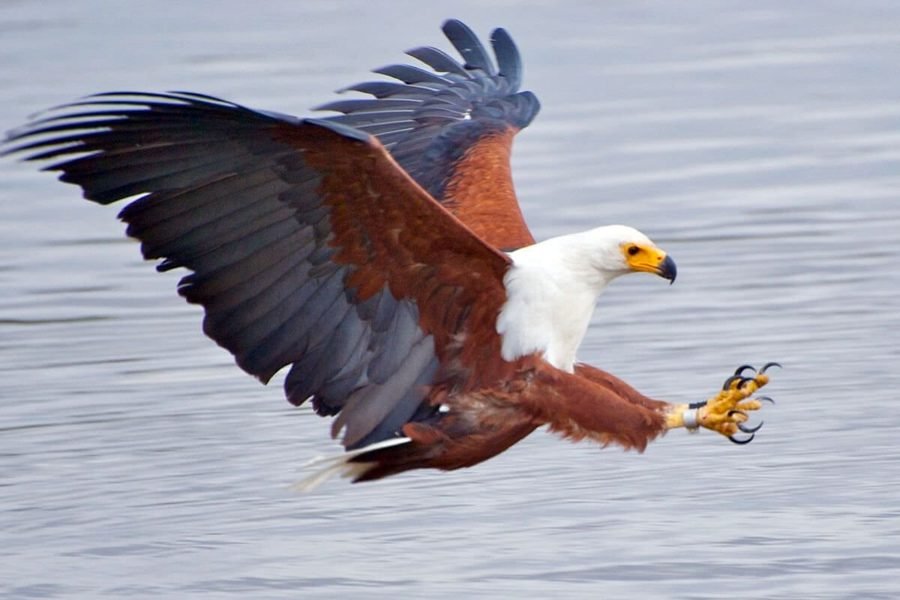
African Fish Eagle
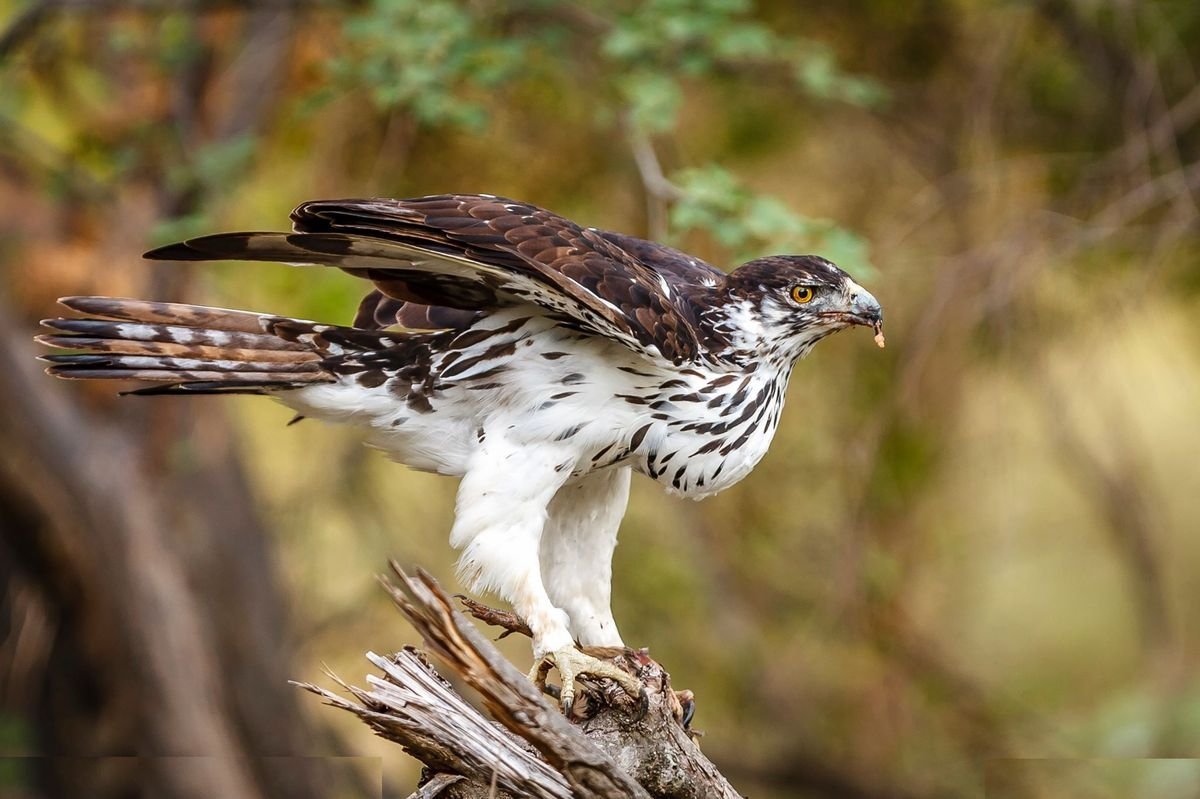
African Hawk-Eagle
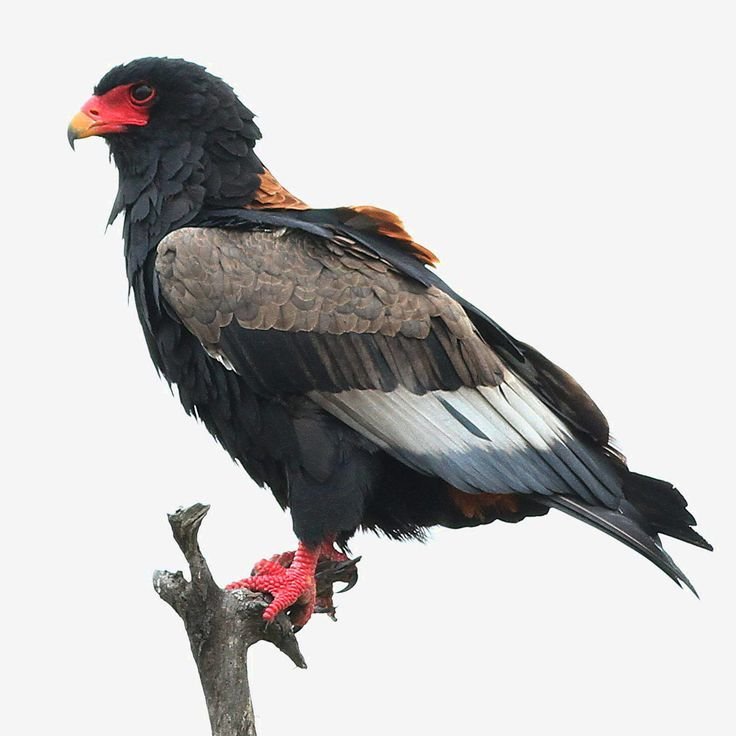
Bateleur Eagle
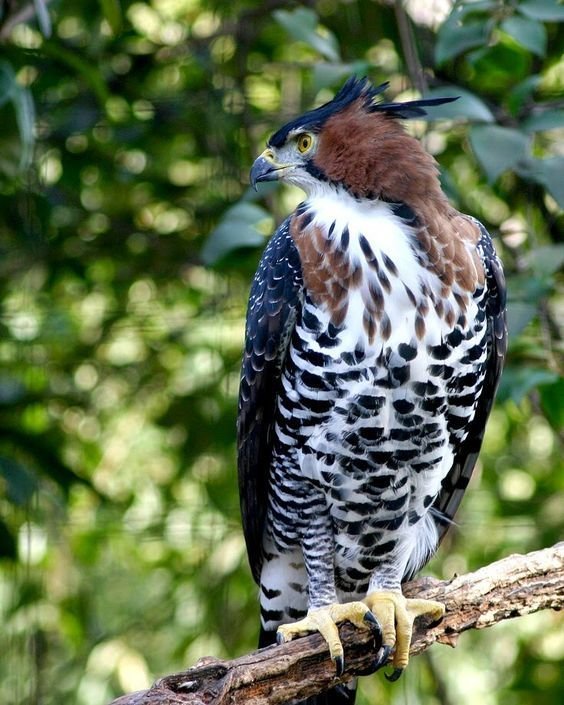
Crowned Eagle
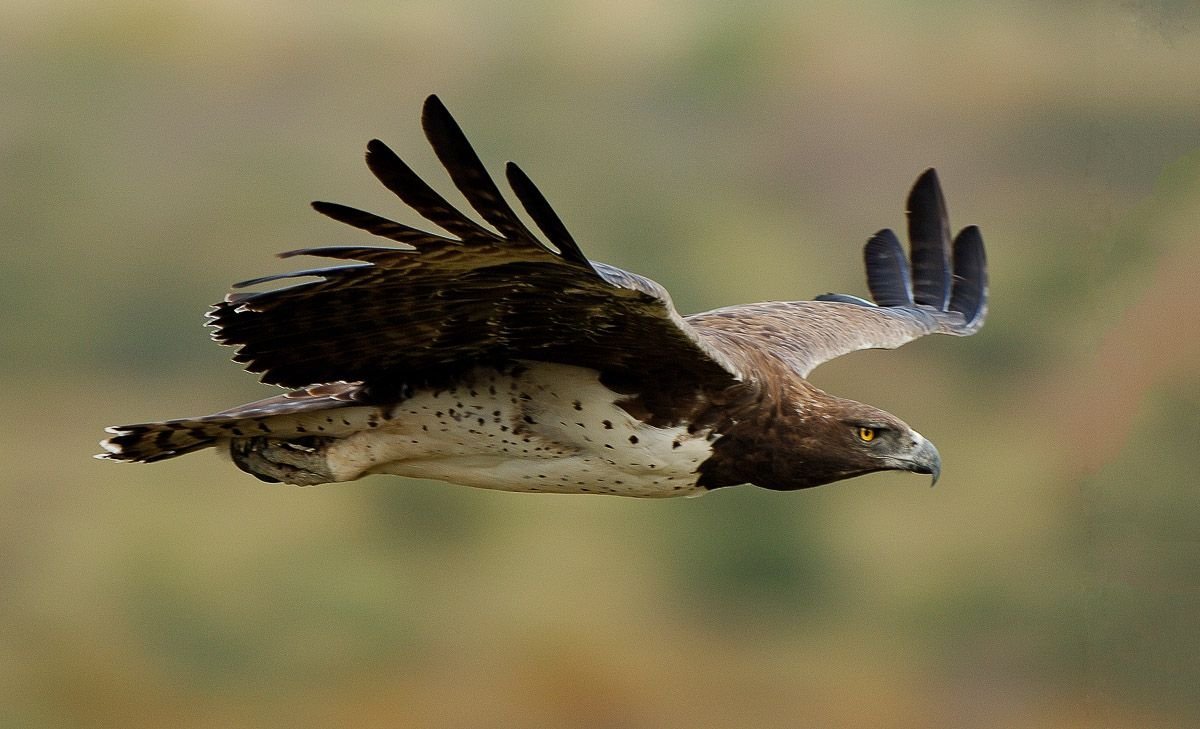
Martial Eagle
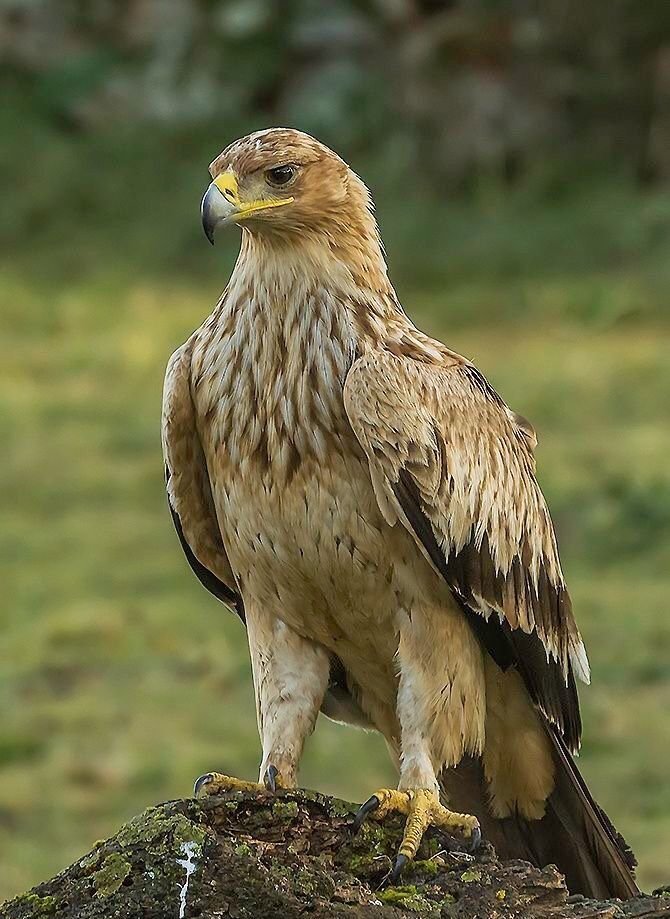
Tawny Eagle
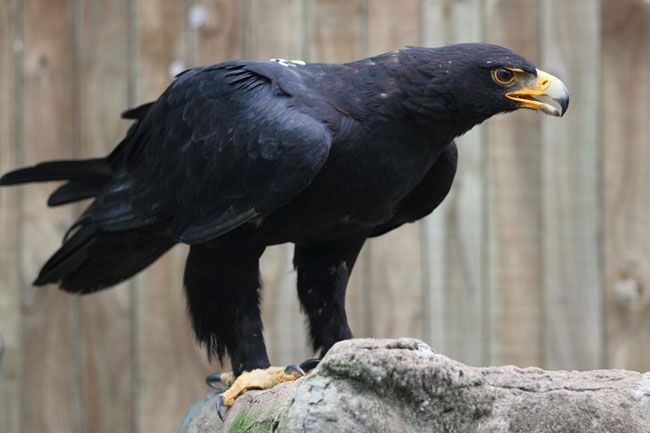
Verreaux's Eagle
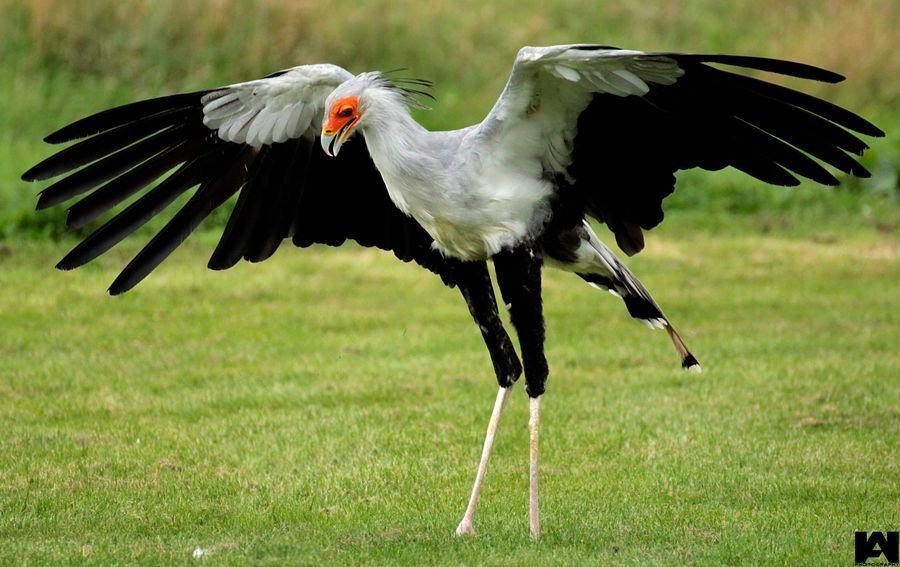
Secretarybird
Why Bird-Watch on Kilimanjaro With Us
Local guides who know every call and feather
Expert Bird Guides
Our guides know Kilimanjaro's birdlife by sight and sound — from the lower rainforest to the alpine heath.
5 Climate Zones
From 1,800m tropical forest to 4,600m alpine desert — each zone has its own birdlife.
Photography-Friendly
Slow-paced walks with time to observe and photograph — perfect for birders.
Small Groups
Small group sizes so everyone gets a clear view and personal attention.
Frequently Asked Questions
Everything you need to know about bird watching on Kilimanjaro
How many bird species are on Kilimanjaro?
Over 151 bird species have been documented across Mount Kilimanjaro, spread across 20 taxonomic families. The mountain's five climate zones each host different bird communities.
What are the best birding zones on Kilimanjaro?
The lower rainforest zone (1,800-2,800m) is richest in birdlife — turacos, hornbills, sunbirds and forest species. The moorland and alpine zones have fewer but unique species like the scarlet-tufted malachite sunbird.
When is the best time for bird watching on Kilimanjaro?
The dry seasons (January-March and June-October) offer the best visibility. Many resident species breed during these periods, making them more active and vocal. Migratory species are present November-April.
Do I need to climb to the summit to see birds?
No. The richest birding is in the lower forest zones (1,800-2,800m), accessible on day trips or short treks. Many birders combine a Kilimanjaro birding trek with a safari.
What equipment should I bring for bird watching?
Binoculars (8x42 recommended), a camera with telephoto lens, field guide for East African birds, notebook, and comfortable walking shoes. Our guides carry spotting scopes.
Are there endemic bird species on Kilimanjaro?
Yes — the Kilimanjaro White-eye (Zosterops eurycricotus) is endemic to the mountain. Several other species have distinct subspecies found only on Kilimanjaro and nearby peaks.
Can I do a dedicated birding tour on Kilimanjaro?
Yes. We offer custom birding itineraries ranging from 1-day forest walks to multi-day treks covering multiple climate zones. Contact us to plan your birding adventure.
What is the scarlet-tufted malachite sunbird?
The scarlet-tufted malachite sunbird (Nectarinia johnstoni) is a high-altitude specialist found above 3,000m on Kilimanjaro. It's one of the most sought-after birds by visiting birders.
Are raptors common on Kilimanjaro?
Yes — augur buzzards, mountain buzzards, African fish eagles and crowned eagles are regularly seen. The bearded vulture (lammergeyer) is a rare but spectacular sight in the high alpine zones.
How do I identify birds on Kilimanjaro?
Our field guide pages (linked from each species) include photos, scientific names, families, diet, size and location. We also recommend the "Birds of East Africa" field guide by Stevenson and Fanshawe.
What is the best season for photography?
Early morning light (6-9 AM) is best for bird photography. The dry seasons offer clearer skies. Our guides know the best perches and feeding spots for each species.
Can I combine bird watching with a Kilimanjaro climb?
Absolutely. Most climbers see dozens of bird species during their trek. We can add extra days for dedicated birding in the forest zones before or after your summit attempt.
Are bird guides available for hire?
Yes — all our Kilimanjaro guides are trained in bird identification. For specialized birding, we can arrange dedicated bird guides who focus solely on avian species.
Ready to Bird-Watch on Kilimanjaro?
Explore 151 bird species across 20 families. Plan your birding adventure with expert local guides.