
.jpg)
.jpg)
 Ngorongoro Conservation Area
 Volcanoes National Park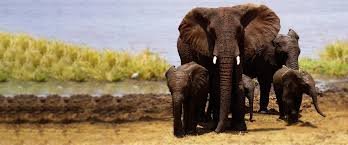
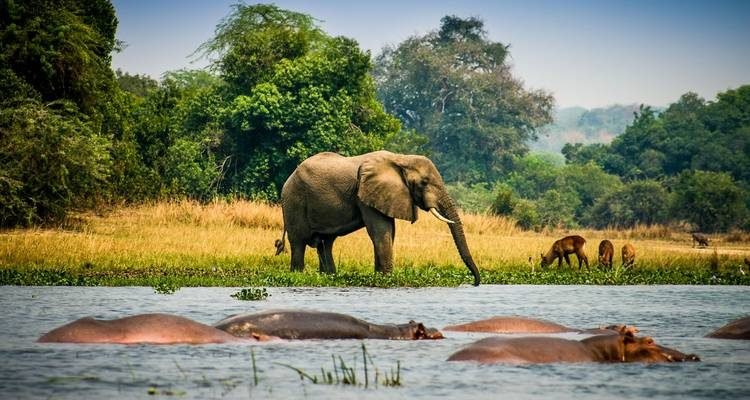
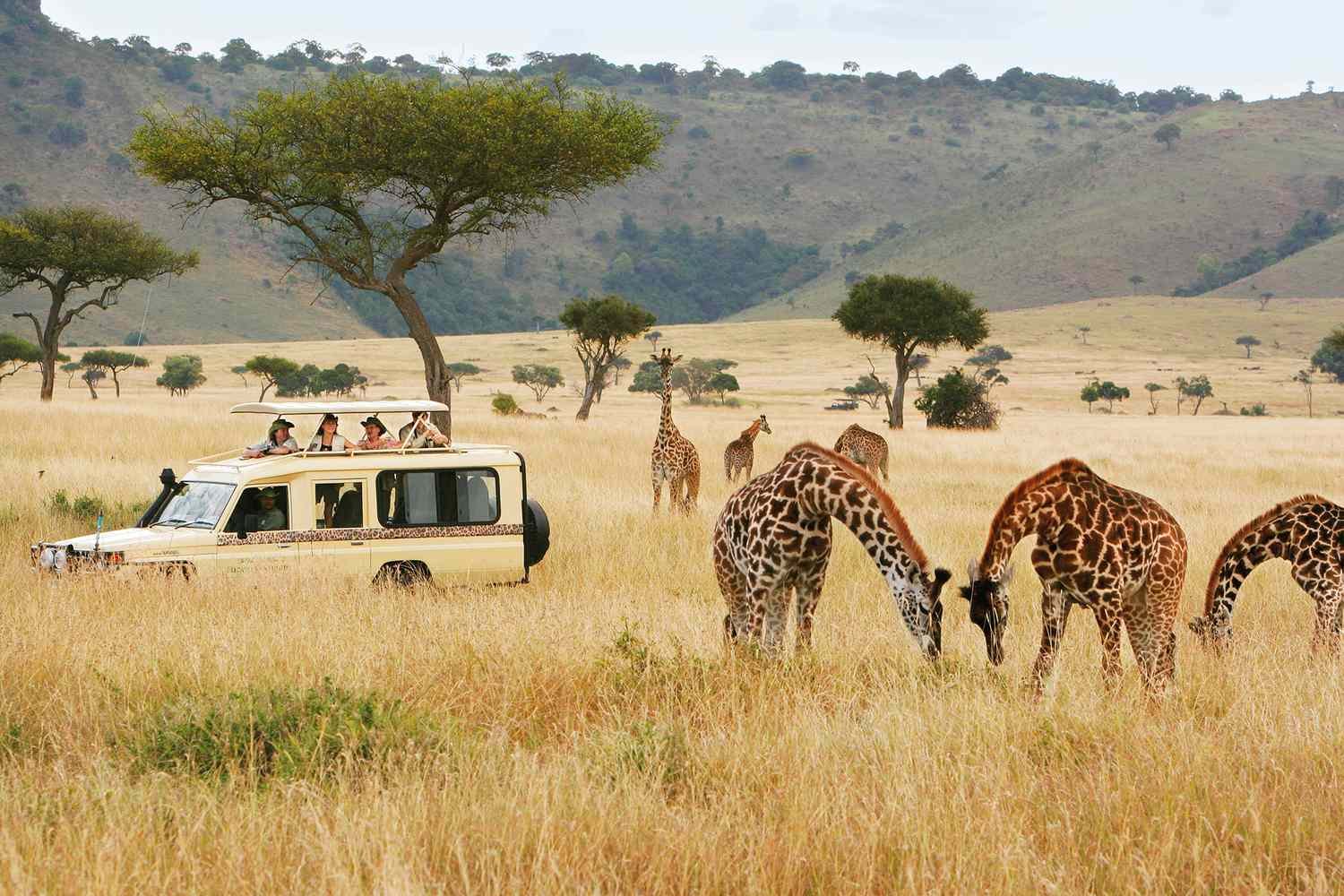
The Ngorongoro Conservation Area covers 8,292 km² of highlands, plains and forest in northern Tanzania and has been a UNESCO World Heritage Site since 1979. At its heart lies Ngorongoro Crater, the largest intact volcanic caldera in the world: about 19 km across, with walls rising 600 metres above a crater floor of roughly 260 km².
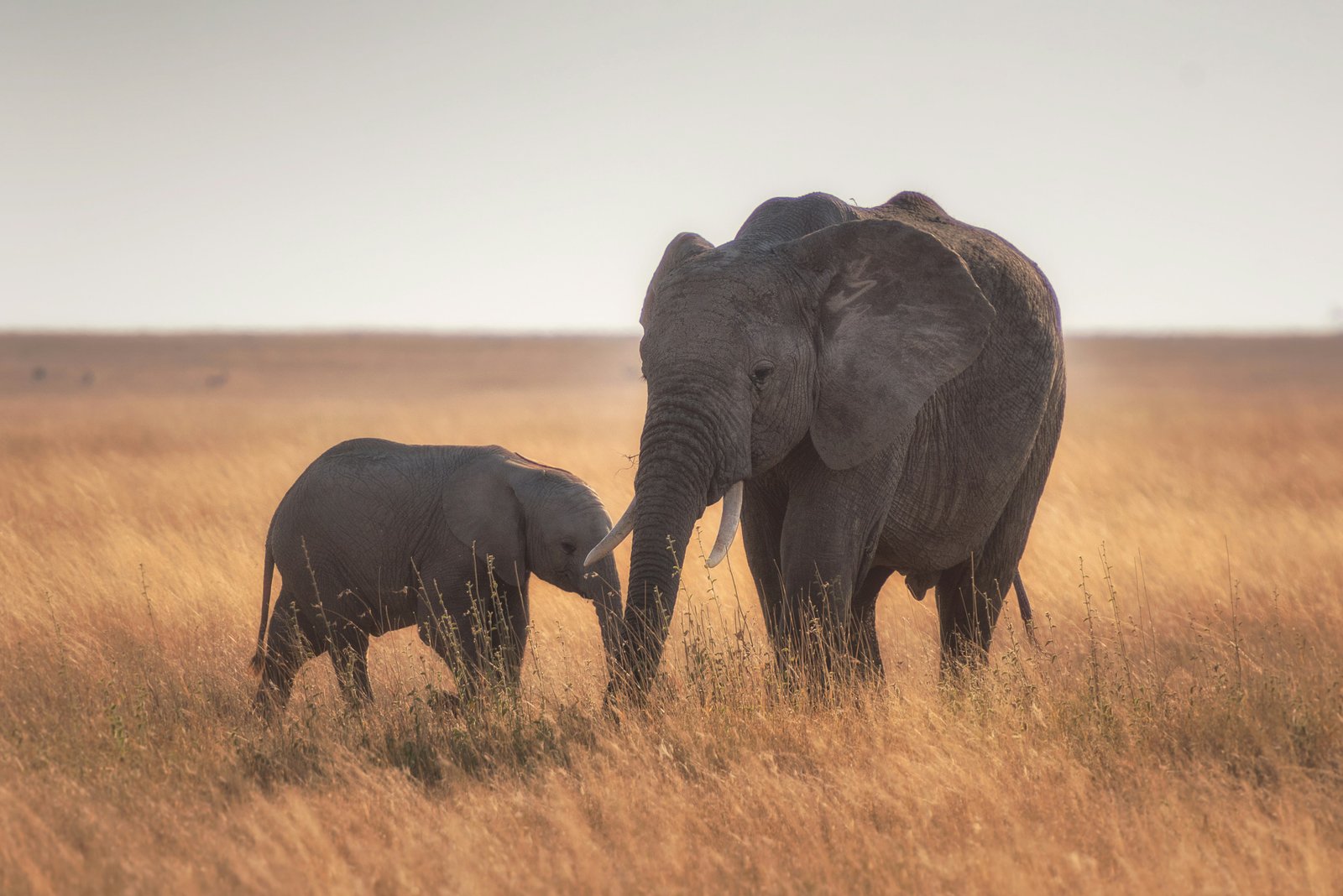
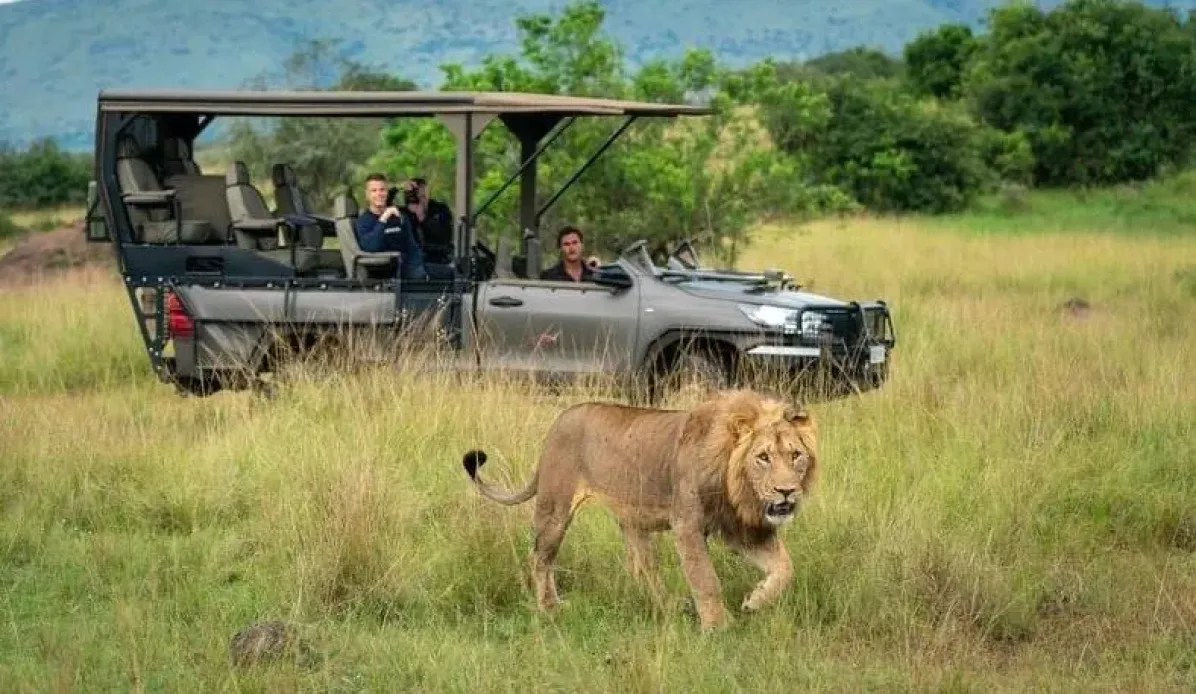
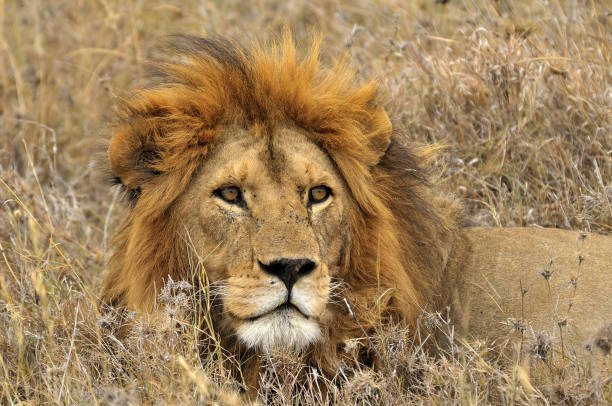
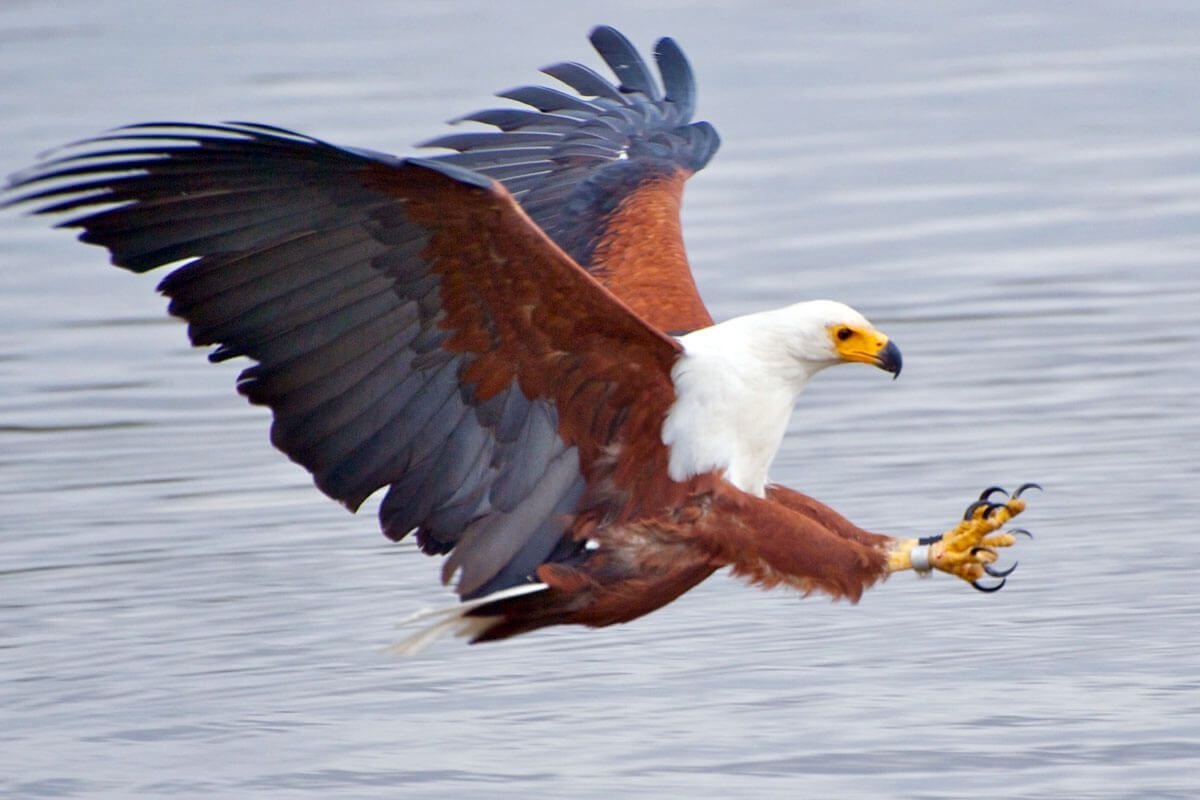
That enclosed floor holds one of the densest concentrations of wildlife in Africa, with around 25,000 large animals. It is among the best places in Tanzania to see black rhino, and lion, hyena, elephant, buffalo, hippo and zebra are seen on almost every game drive. Flamingos often colour the shallows of Lake Magadi.
Unlike a national park, the conservation area is also home to Maasai communities who graze their cattle alongside the wildlife, and to Olduvai Gorge, one of the world's most important early-human fossil sites. A crater game drive is usually a half or full day and fits naturally between Tarangire or Lake Manyara and the Serengeti.
That enclosed floor holds one of the densest concentrations of wildlife in Africa, with around 25,000 large animals. It is among the best places in Tanzania to see black rhino, and lion, hyena, elephant, buffalo, hippo and zebra are seen on almost every game drive. Flamingos often colour the shallows of Lake Magadi.
Unlike a national park, the conservation area is also home to Maasai communities who graze their cattle alongside the wildlife, and to Olduvai Gorge, one of the world's most important early-human fossil sites. A crater game drive is usually a half or full day and fits naturally between Tarangire or Lake Manyara and the Serengeti.
Tours in Ngorongoro Conservation Area
Get a Free Quote
Tell us about your trip and we'll get back to you within 24 hours — or message us on WhatsApp for a faster reply.