








 Ngorongoro Conservation Area
 Volcanoes National Park









Kilimanjaro Animals — The Field Guide
From colobus monkeys in the rainforest belt to tree hyrax and klipspringer on the moorland — discover the mammals that share Africa's highest mountain.
What Animals Live on Kilimanjaro?
Your complete field guide to Kilimanjaro's wildlife
Kilimanjaro rises from savannah at 800 m to the arctic summit at 5,895 m, and each elevation band has its own animal community. Forest monkeys and bushbuck live in the lower rainforest, duikers and klipspringer roam the moorland, and hardy rodents survive in the Afro-alpine zone. Large mammals such as elephant and buffalo stay on the lower slopes, while many of Kilimanjaro's most memorable animals are the smaller residents — tree hyrax, suni antelope, serval and civet.
Featured Kilimanjaro Animals
Some of the mammals you may meet on the mountain
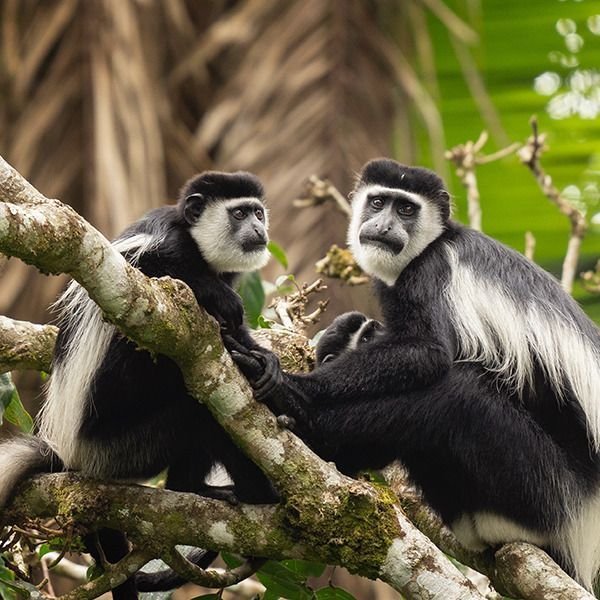
Black-and-white Colobus
Colobus guereza Forest Zone · 1,800 – 2,800 mThe most striking monkey of Kilimanjaro's rainforest — a long, flowing black-and-white coat and a dramatic cape of white hair across the shoulders.
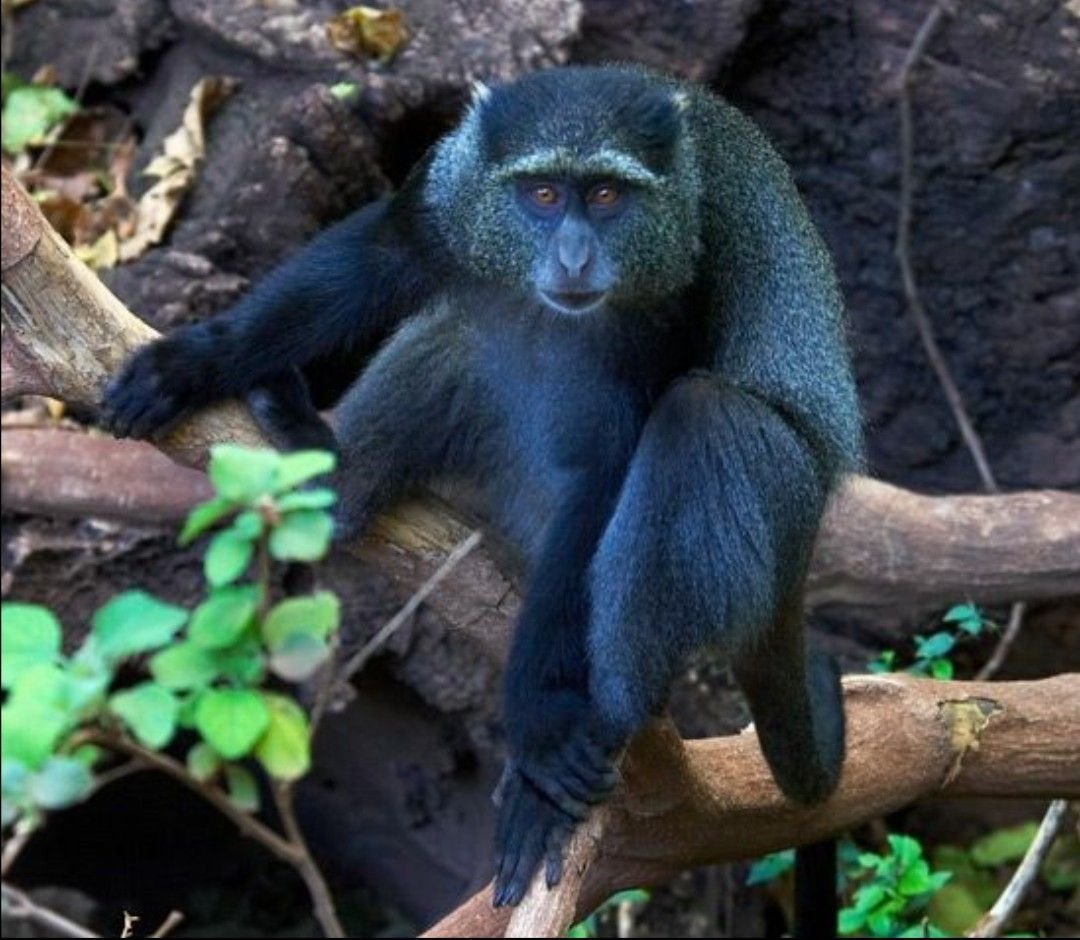
Blue Monkey
Cercopithecus mitis Forest Zone · 1,800 – 2,800 mA darker forest monkey often seen in troops high in the canopy. Named for the bluish-grey sheen of its coat, it feeds on fruit, leaves and insects.
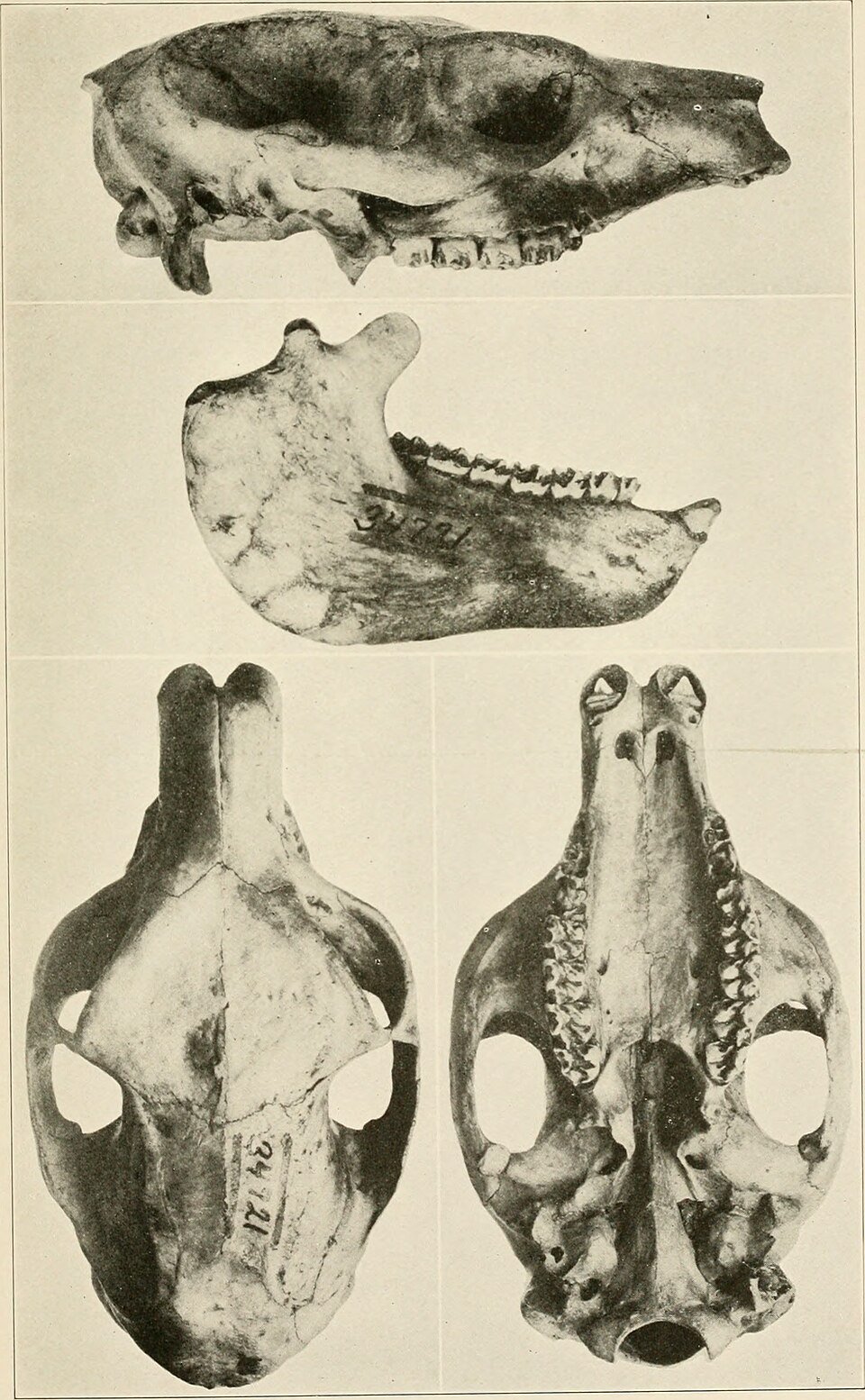
Eastern Tree Hyrax
Dendrohyrax validus Forest Zone · 1,800 – 3,200 mA small, primitive-looking mammal that shrieks through the night in Kilimanjaro's forest. Despite its size it is a close relative of the elephant.
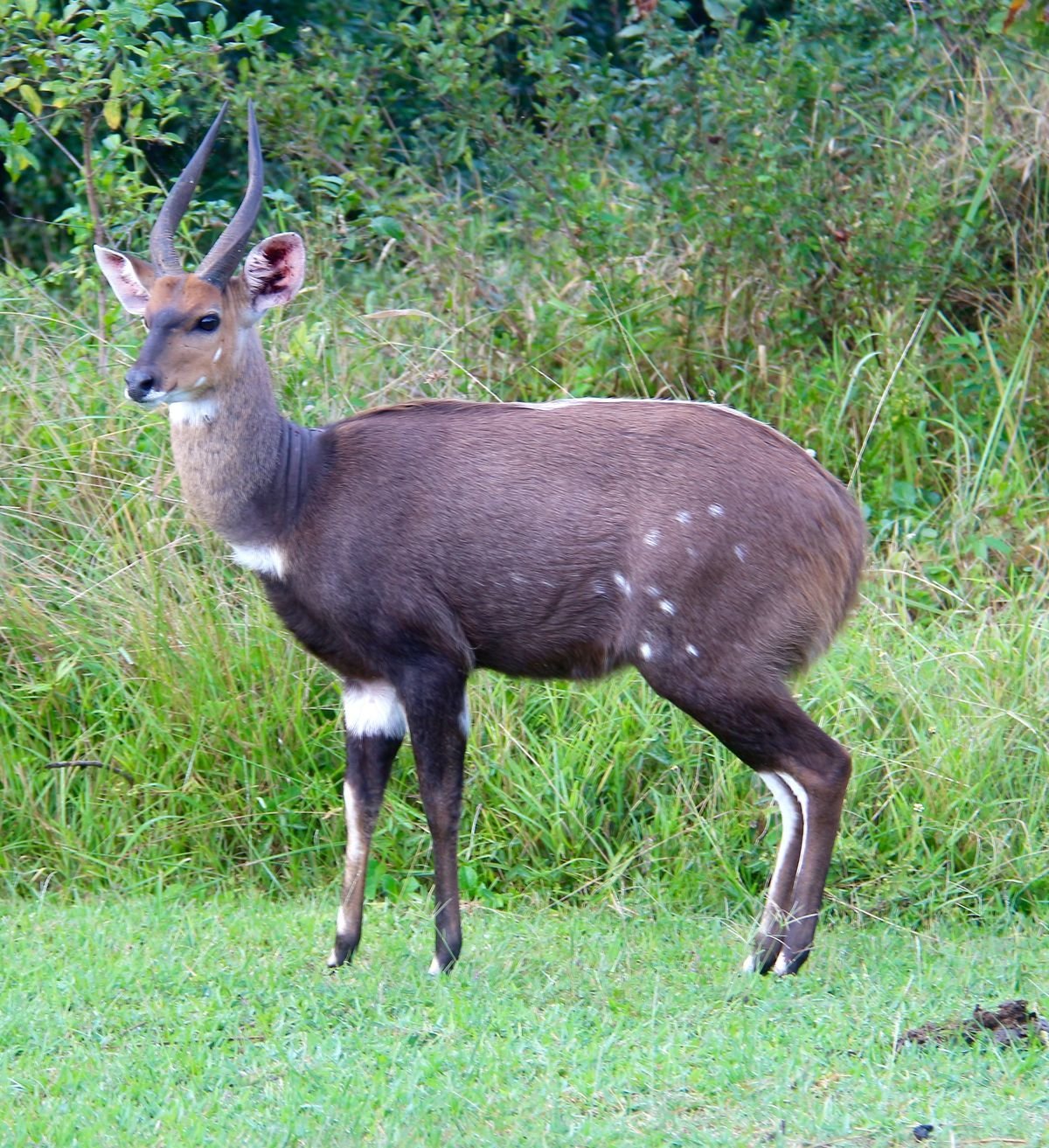
Bushbuck
Tragelaphus scriptus Forest Zone · 1,800 – 3,000 mA shy, spiral-horned antelope with faint white stripes and spots. Alone and crepuscular, it browses the forest edge and riverine thickets.
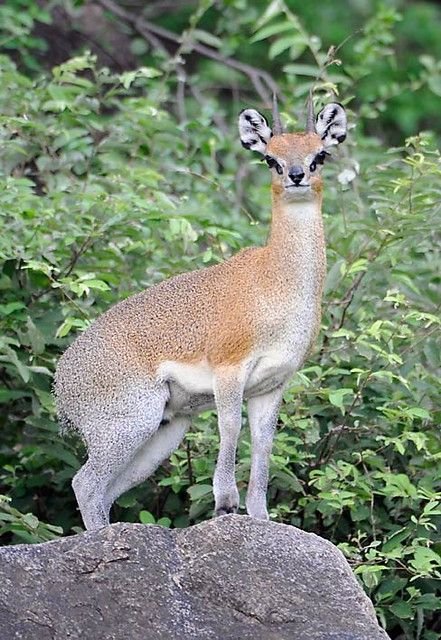
Klipspringer
Oreotragus oreotragus Moorland Zone · 2,800 – 4,000 mA remarkable rock-dwelling antelope that stands on the very tips of its hooves, built for the steep lava outcrops of the moorland.
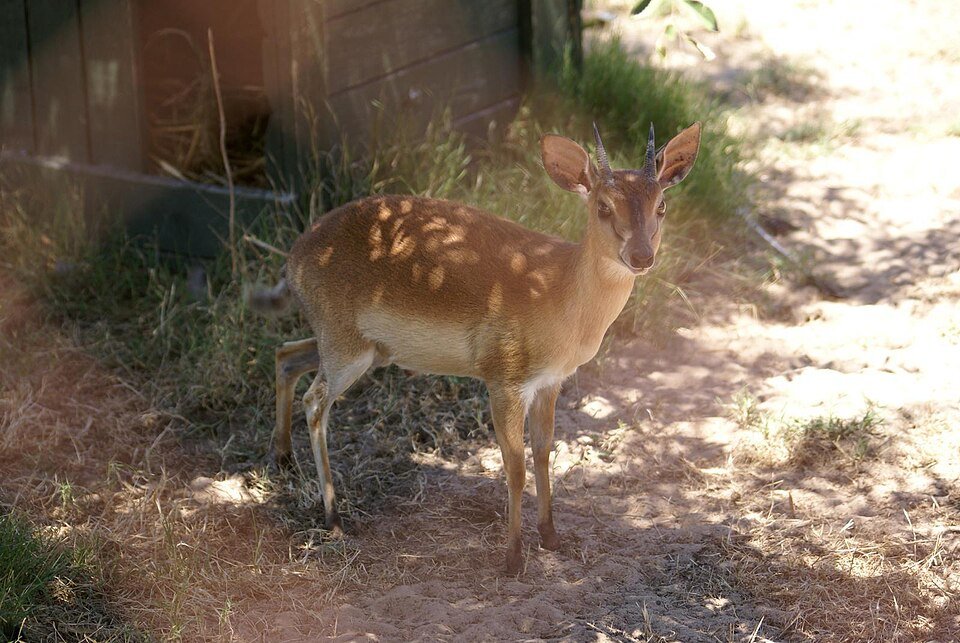
Suni
Neotragus moschatus Forest Zone · 1,800 – 2,800 mOne of Africa's smallest antelopes — a delicate, reddish-brown browser that slips almost unseen through dense forest undergrowth.
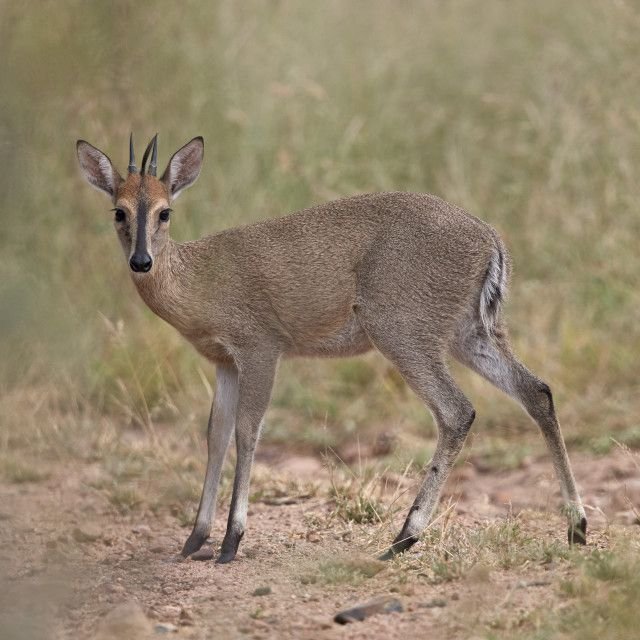
Common Duiker
Sylvicapra grimmia Heath Zone · 2,000 – 3,500 mA small, grey-brown antelope with a distinctive black muzzle and a bounding, diving escape run that gives the duiker family its name.
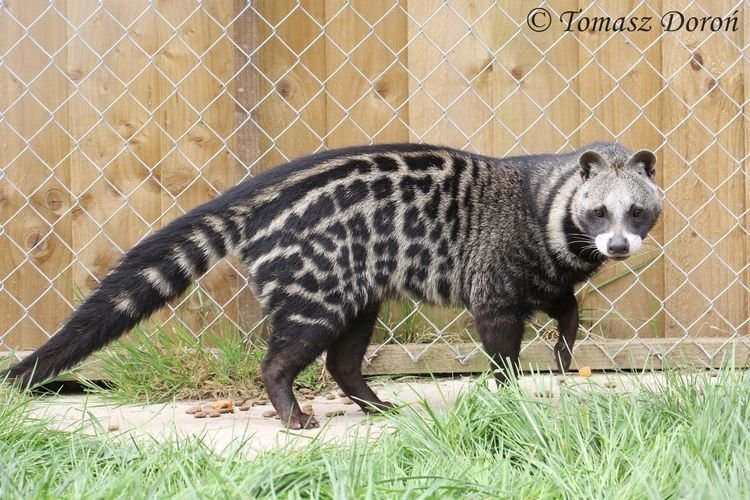
African Civet
Civettictis civetta Forest Zone · 1,800 – 2,800 mA striking nocturnal carnivore with bold black-and-white banding. Rarely seen by day, it patrols the forest trails after dark.
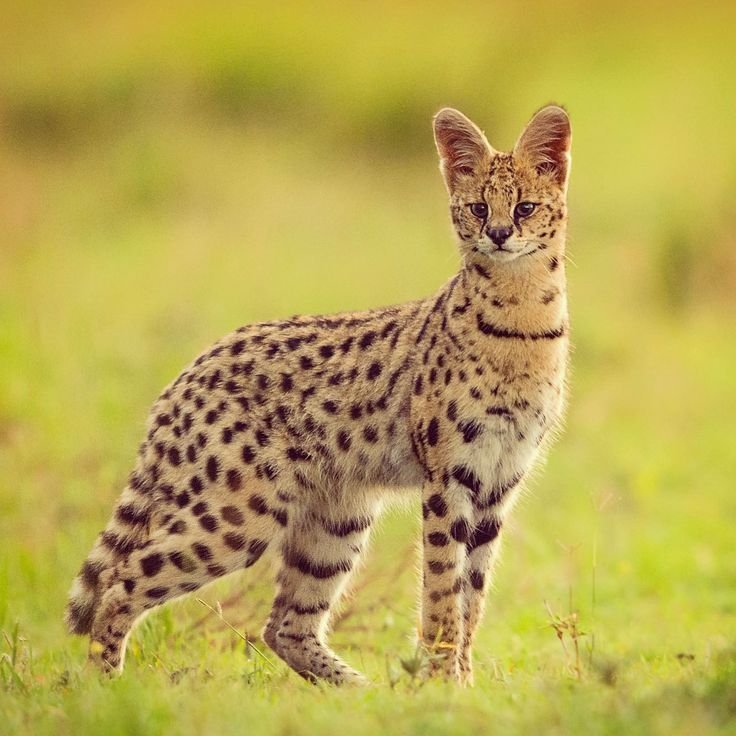
Serval
Leptailurus serval Moorland Zone · 2,000 – 3,800 mA slender, long-legged spotted cat with enormous ears, a superb hunter of rodents and birds in tall grass and moorland.
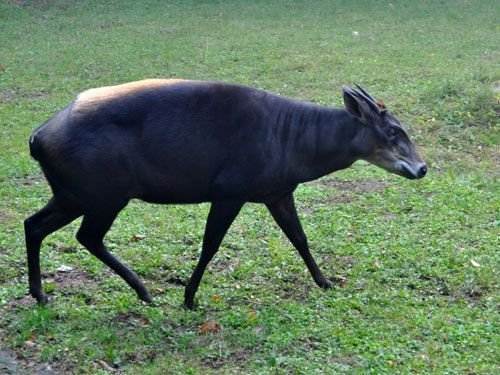
Blue Duiker
Philantomba monticola Forest Zone · 1,800 – 2,800 mTiny, secretive and beautiful — the blue duiker forages quietly on fallen fruit and leaves beneath the rainforest canopy.
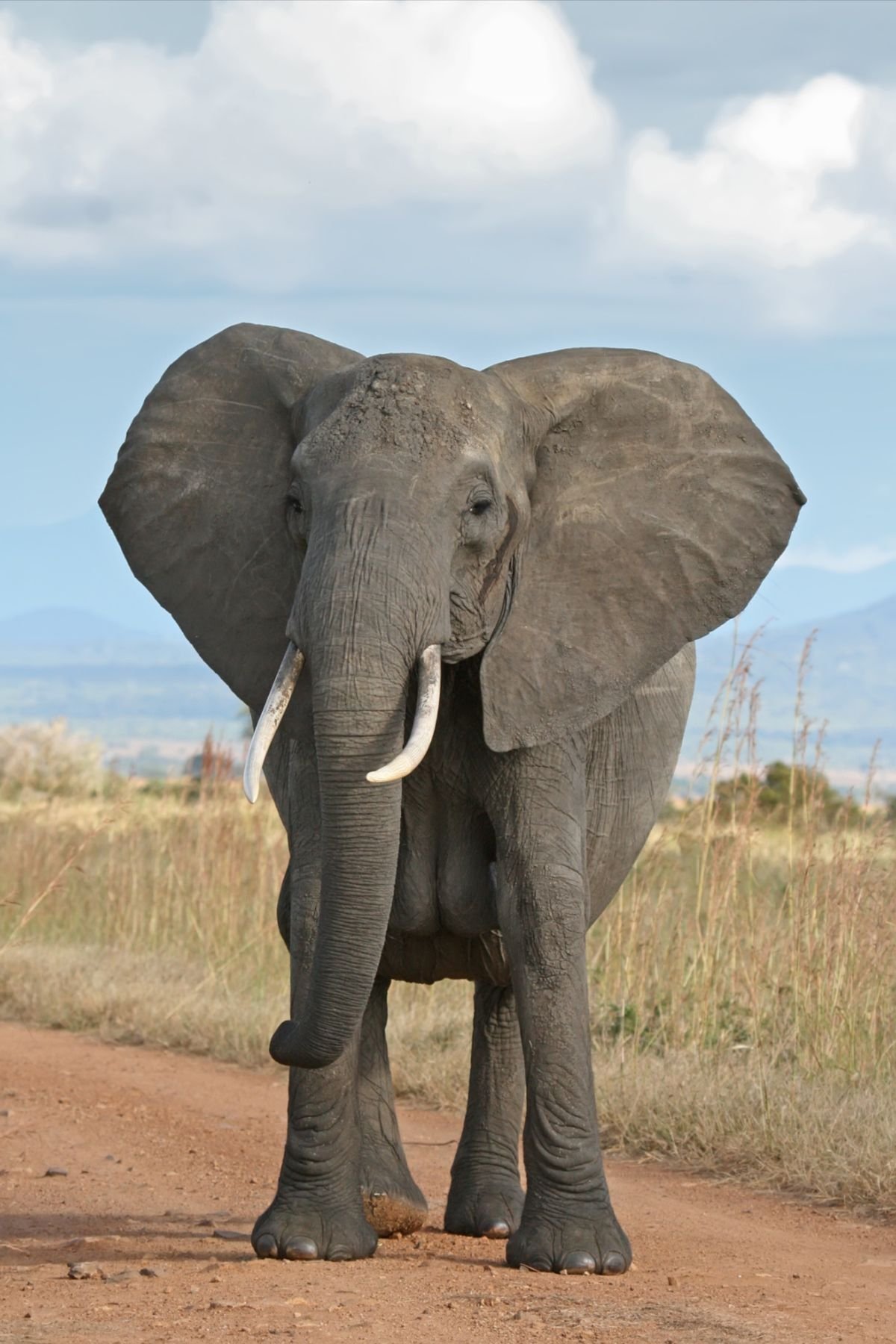
African Bush Elephant
Loxodonta africana Forest Zone · Below 2,500 mThe largest land animal on Earth. Kilimanjaro's lower forest and surrounding national park support elephant populations that move through the slopes.
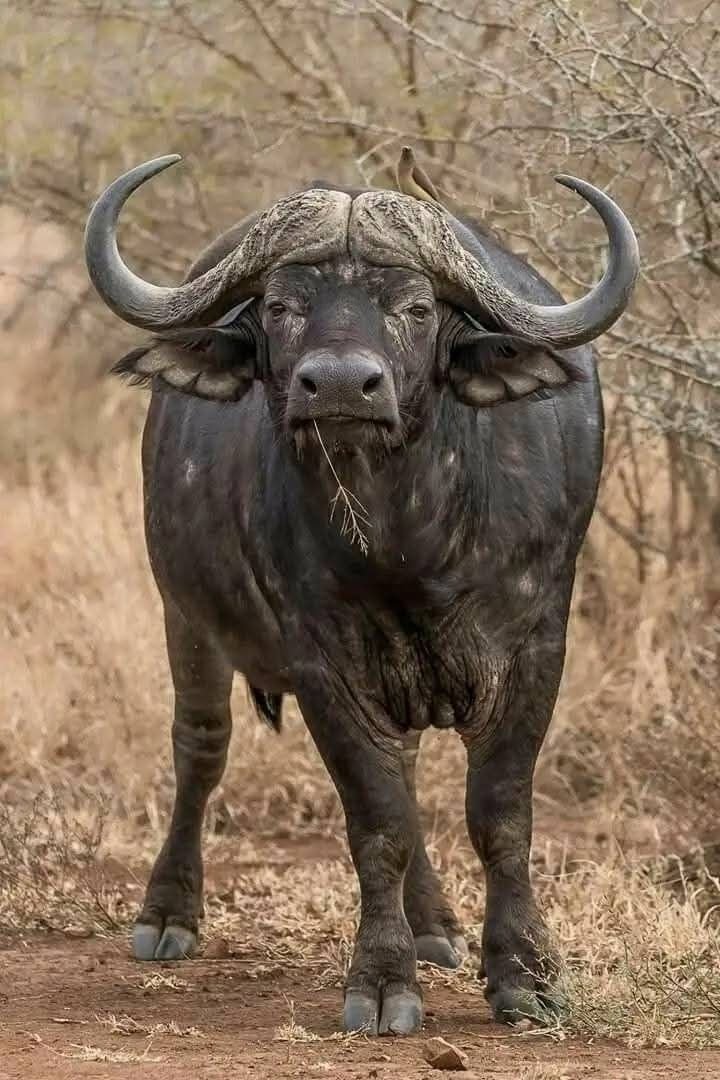
African Buffalo
Syncerus caffer Forest Zone · Below 3,000 mA powerful herd animal with massive curved horns — common in the forest and savannah at the mountain's foot.
Spot Wildlife on Kilimanjaro With Us
Guides who grew up on these slopes
Wildlife-Savvy Guides
Our mountain guides know the tracks, calls and habits of Kilimanjaro's animals — and the best hours to find them.
5 Climate Zones
From 1,800m tropical forest to the 5,895m summit — each zone has its own animal community.
Photography-Friendly
Slow-paced days with time to observe and photograph — perfect for wildlife lovers.
Small Groups
Fewer people, quieter trails and a much better chance of seeing shy species like suni, civet and tree hyrax.
Frequently Asked Questions
What to expect from Kilimanjaro's wildlife
What animals live on Mount Kilimanjaro?
Kilimanjaro is home to colobus and blue monkeys, bushbuck, duikers, suni antelope, klipspringer, tree hyrax, civet, serval and many smaller mammals. Elephant and buffalo roam the lower slopes and surrounding national park.
Will I see big animals like elephants on the trek?
Large mammals stay in the lower forest and savannah, usually below 2,500 m. Trekking routes pass through these zones on day one, so brief sightings are possible, but Kilimanjaro is not a big-game safari destination.
What is the best animal to look for on Kilimanjaro?
The tree hyrax is a Kilimanjaro classic. Klipspringer on the moorland and the striking scarlet-tufted malachite sunbird are other highlights, and colobus monkeys are a favourite in the forest zone.
Do I need a separate safari to see wildlife?
Many climbers add a 2 to 3 day safari in Tarangire, Ngorongoro or the Serengeti before or after the climb. That is where you will see elephant, lion, giraffe and the rest of Tanzania's big game.
Which zone has the most animals?
The lower rainforest zone (1,800 to 2,800 m) is richest in both mammals and birds. Density drops sharply above the moorland, with only hardy species in the Afro-alpine and summit zones.
When is the best time to see Kilimanjaro wildlife?
The dry seasons (January to March and June to October) give clearer undergrowth and better visibility. Animals are also easier to spot during the quieter early-morning hours.
Can children join a wildlife trek?
Yes, short forest day-walks suit families well. The full summit trek has minimum age requirements set by the national park; tell us the ages and we will advise.
Are the animals dangerous?
Kilimanjaro's larger mammals avoid people. Guides carry radios and follow park protocols. Buffalo can be unpredictable in thick bush, so always follow your guide's instructions.
Do I need special equipment to watch wildlife?
Binoculars help enormously, especially in the forest canopy. A camera with a zoom lens, neutral clothing and a headlamp for night-time sightings are also useful.
Can I see Kilimanjaro's animals without summiting?
Yes. Short forest day-walks from Moshi or Marangu let you see monkeys, birds and forest wildlife without a full trek — a good option for families or limited schedules.
What is the best time of day to photograph animals?
Early morning (6-9 AM) and late afternoon are best. Animals are most active in the cooler hours, and the low light in the forest zone produces lovely photographs.
Can I combine wildlife watching with a Kilimanjaro climb?
Absolutely. Every route passes through the forest and moorland zones where most animals live. We can also add buffer days before or after the climb for dedicated wildlife walks.
Are wildlife guides available for hire?
Yes — all our Kilimanjaro guides are trained in wildlife identification and tracking. For specialised trips we can arrange dedicated wildlife guides who focus solely on mammals and their habitats.
Ready to Meet Kilimanjaro's Wildlife?
Combine your summit trek with a forest wildlife day, or add a safari to Ngorongoro and Tarangire.