



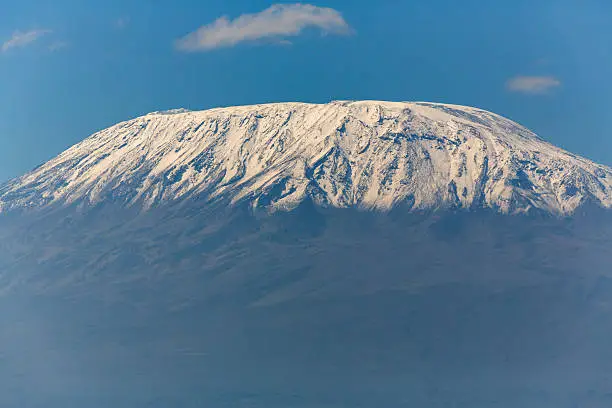
 Ngorongoro Conservation Area
 Volcanoes National Park




Hilgert’s Vervet Monkey
Chlorocebus pygerythrus hilgerti
Hilgert’s Vervet Monkey — Quick Facts
Important notice
This profile describes a species associated with the Mount Kilimanjaro ecological landscape. Checklist or locality records do not confirm a sighting on every route, camp or altitude. Route records are listed only when verified; none are asserted here.
Introduction
Hilgert’s vervet monkey is a regional form of the widespread vervet monkey, a medium-sized African primate known for its expressive face, long tail and adaptable feeding behaviour. It uses woodland, bushland and forest-edge habitats. Kilimanjaro field research recorded Hilgert’s vervet monkey at approximately 1,275 metres.
How to Identify the Animal
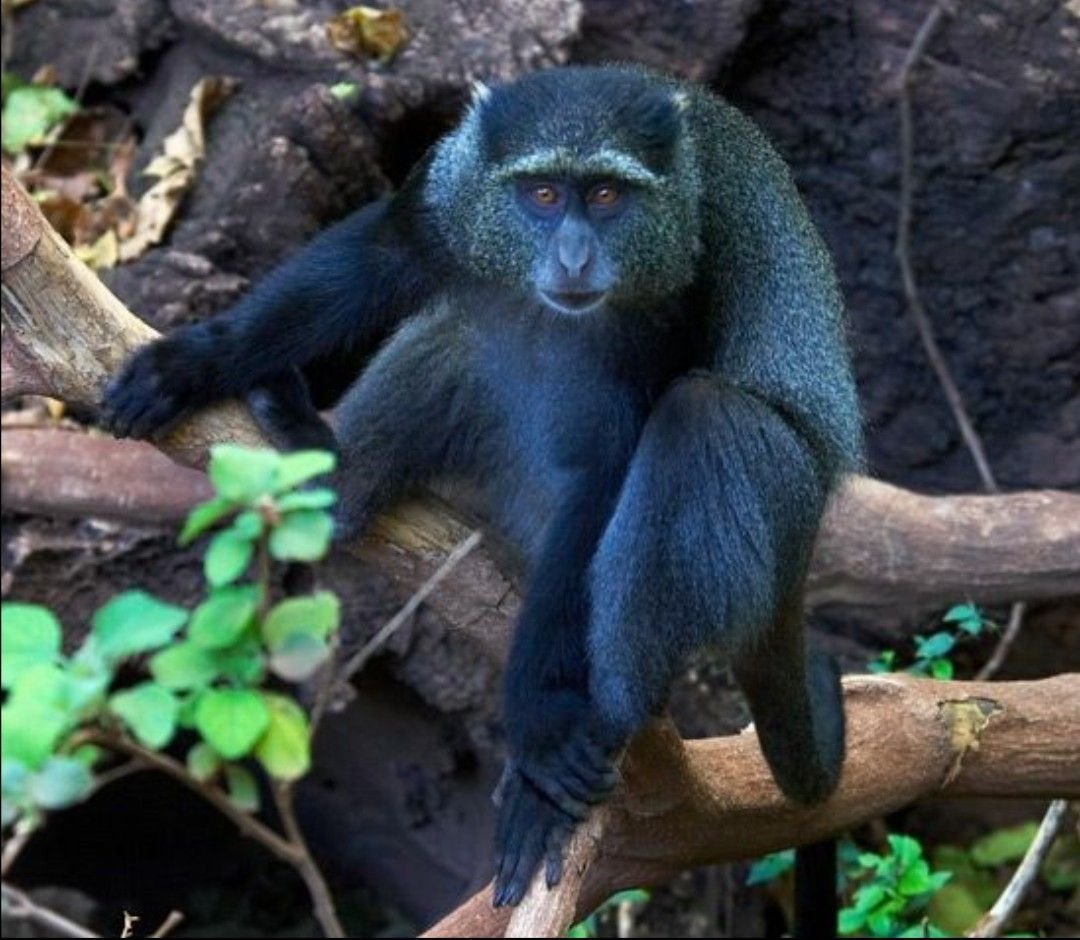
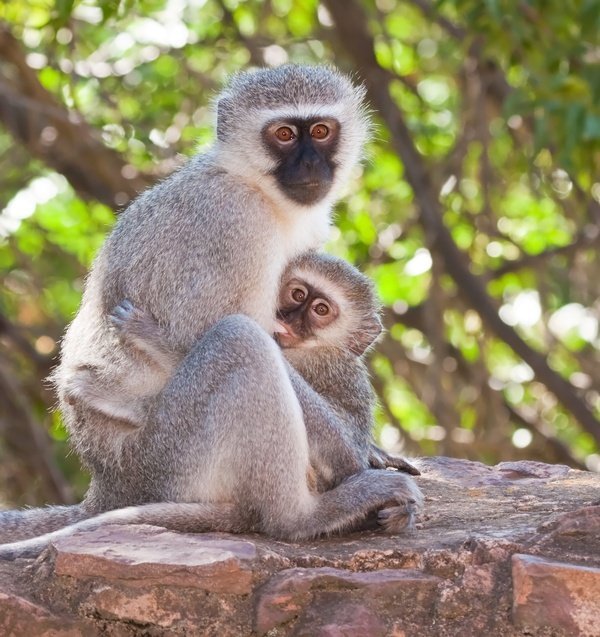
A medium-sized, slender monkey with a greyish or olive-grey coat, a dark face, pale facial fringe, pale underside and a long tail often darker toward the tip. Long limbs suit both climbing and ground movement. Distinguishing subspecies in the field is difficult, and not every individual can be reliably identified as the Hilgert’s form from a photograph alone.
Taxonomic Note
This page follows the Kilimanjaro research source, which identifies the animal as Hilgert’s vervet monkey, Chlorocebus pygerythrus hilgerti. It is a regional form of the vervet monkey, Chlorocebus pygerythrus, not a separate full species. Some modern treatments use different arrangements for vervet monkey subspecies, so the subspecies name is used here with that qualification.
Habitat and Distribution on Mount Kilimanjaro
The Kilimanjaro mammal study recorded Hilgert’s vervet monkey at approximately 1,275 metres in a single study plot. This demonstrates occurrence in the studied lower-elevation landscape. The species generally uses woodland, savanna, bushland and forest edges, but one plot does not establish that it is widespread through all Kilimanjaro forests. No more precise locality than the published record is claimed here.
Diet and Feeding Behaviour
Vervet monkeys are omnivorous and adaptable. Their general diet can include fruits, leaves, flowers, seeds, shoots, insects, other small invertebrates and occasional small animal foods. They forage both in trees and on the ground, and diet changes with seasonal food availability. No food item is claimed as specifically documented in the Kilimanjaro population.
Behaviour and Social Life
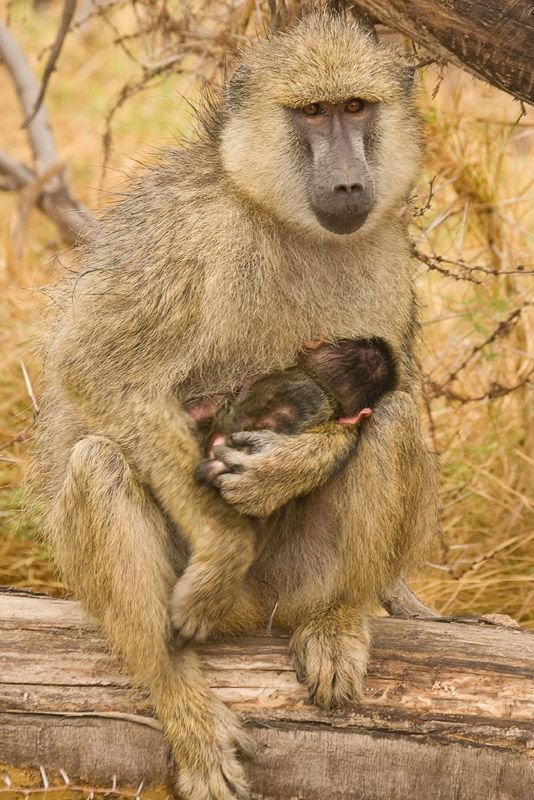
Group living, grooming, social hierarchies, juvenile play, mother-infant relationships and group vigilance are typical. Vervets move quickly through branches and also forage on the ground, adjusting activity to food availability and local conditions.
Communication and Calls
Vervet monkeys use alarm calls, contact calls, grunts, barks and screeches, together with facial expressions, tail position and body posture. Predator-specific alarm responses are known from wider vervet research, but are not claimed as studied on Kilimanjaro.
Reproduction and Breeding
General reproduction includes mating, gestation, birth of usually one infant, maternal care, infant dependence, juvenile development and social learning. No local Kilimanjaro breeding observation is claimed.
Ecological Importance
Through fruit consumption, seed dispersal, insect feeding and plant feeding, vervet monkeys participate in woodland and forest food webs. Ecological claims are kept proportionate to the evidence.
Conservation Status
The parent species, Chlorocebus pygerythrus, is assessed globally as Least Concern by IUCN. That is not a separate local assessment of Hilgert’s form on Kilimanjaro. Habitat change and human-wildlife conflict are general pressures; no local population trend is asserted.
Wildlife Watching on Kilimanjaro
Vervet monkeys may be encountered in suitable lower-elevation woodland and forest-edge habitat, but the documented record is one plot at approximately 1,275 metres. Sightings are not guaranteed. Observe quietly, secure food and never feed or disturb them.
Route and Habitat Occurrence
The study documented one plot at approximately 1,275 metres. It does not establish occurrence on every route, and no named climbing route is assigned here without specific supporting records.
Honest Expectations
Hilgert’s vervet monkey was recorded in Kilimanjaro research at approximately 1,275 metres from one plot. The study does not establish a complete distribution or current population size, and subspecies identification can be difficult from casual wildlife photographs.
Frequently Asked Questions
About Hilgert’s Vervet Monkey on Kilimanjaro
What is Hilgert’s vervet monkey?
A regional form of the widespread vervet monkey recorded in Kilimanjaro research.
What is its scientific name?
Chlorocebus pygerythrus hilgerti.
Is it a separate species?
No. It is a subspecies or regional form of Chlorocebus pygerythrus.
What is the difference from a vervet monkey?
Hilgert’s form is the local taxonomic form recorded in the Kilimanjaro study.
How is a vervet monkey identified?
A slender body, greyish coat, dark face, pale facial fringe, pale underside and long tail.
What does it eat?
Fruits, leaves, flowers, seeds, shoots, insects and occasional small animal foods.
Is it omnivorous?
Yes.
Does it live in groups?
Yes, in social groups with grooming and hierarchies.
Is it active during the day?
Yes, it is diurnal.
How does it communicate?
Alarm calls, contact calls, grunts, barks, screeches and body signals.
Where does it live in Africa?
Woodland, savanna, bushland and forest edges in eastern and southern Africa.
Has it been recorded on Kilimanjaro?
Yes, in the Kilimanjaro mammal study.
At what elevation was it recorded?
Approximately 1,275 metres.
Was it found throughout the mountain?
No. The published record here is one study plot.
Does it use forest-edge habitat?
Yes, forest edges are among its general habitat types.
How does it reproduce?
General species biology includes gestation, one infant and maternal care; no local breeding record is claimed.
Do mothers care for infants?
Yes, with support from the wider social group.
What is the parent species conservation status?
Least Concern globally for Chlorocebus pygerythrus.
Should visitors feed vervet monkeys?
No. Feeding alters behaviour and can cause conflict.
How should visitors observe them responsibly?
Keep food secured, observe quietly from a distance and never chase or touch them.
Sources and Further Reading
Research foundations
Grimshaw, J.M., Cordeiro, N.J. & Foley, C.A.H. (1995). The Mammals of Kilimanjaro. African Journal of Ecology.
Elevational Distribution and Ecology of Small Mammals on Africa's Highest Mountain (2014 field study).
Tanzania National Parks — Kilimanjaro National Park official information.
UNEP-WCMC — Kilimanjaro World Heritage Datasheet.
Discover Kilimanjaro’s Wildlife
Explore the mountain responsibly with African Majestic Adventure and learn about its animals with local guides.