

 Ngorongoro Conservation Area
 Volcanoes National Park


Zanzibar Sykes’s Monkey
Cercopithecus mitis albogularis
Zanzibar Sykes’s Monkey — Quick Facts
Important notice
This profile describes a species associated with the Mount Kilimanjaro ecological landscape. Checklist or locality records do not confirm a sighting on every route, camp or altitude. Route records are listed only when verified; none are asserted here.
Introduction
Zanzibar Sykes’s monkey is a regional form of the Sykes’s or blue monkey group, recognised by its softly grizzled coat, pale throat area and long tail. It is associated with forest habitats and spends much of its time moving through the canopy in search of fruit, leaves and other food. Kilimanjaro research recorded this monkey across study plots between approximately 1,623 and 3,060 metres.
How to Identify the Animal
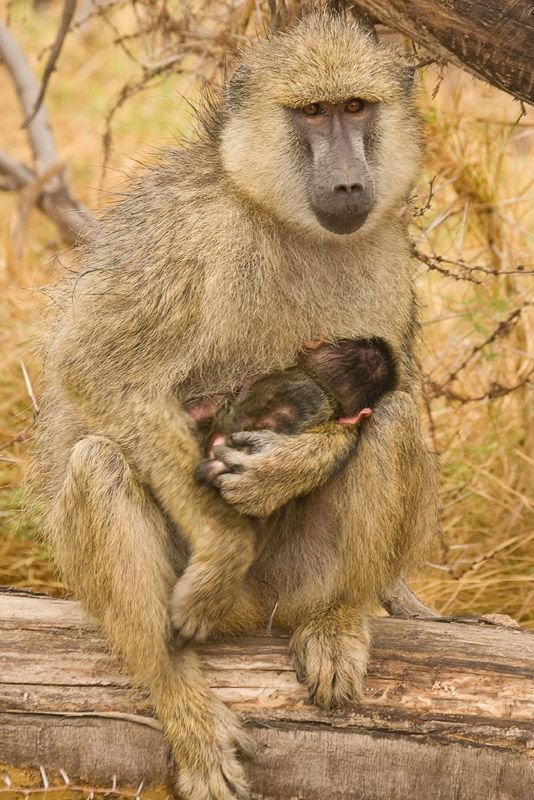
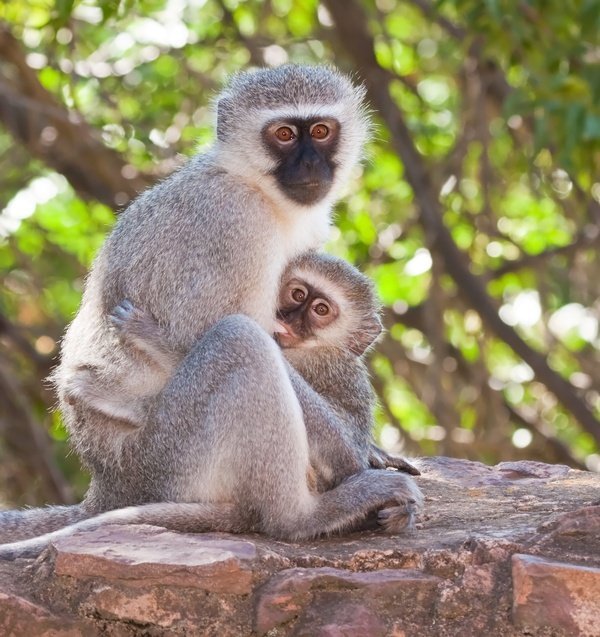
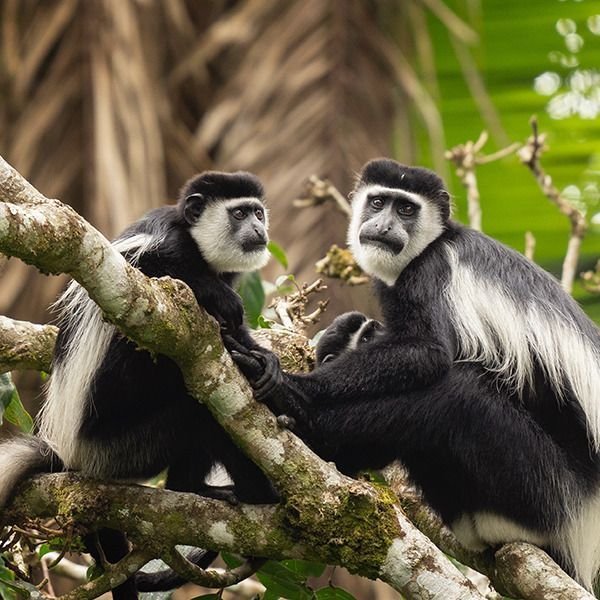
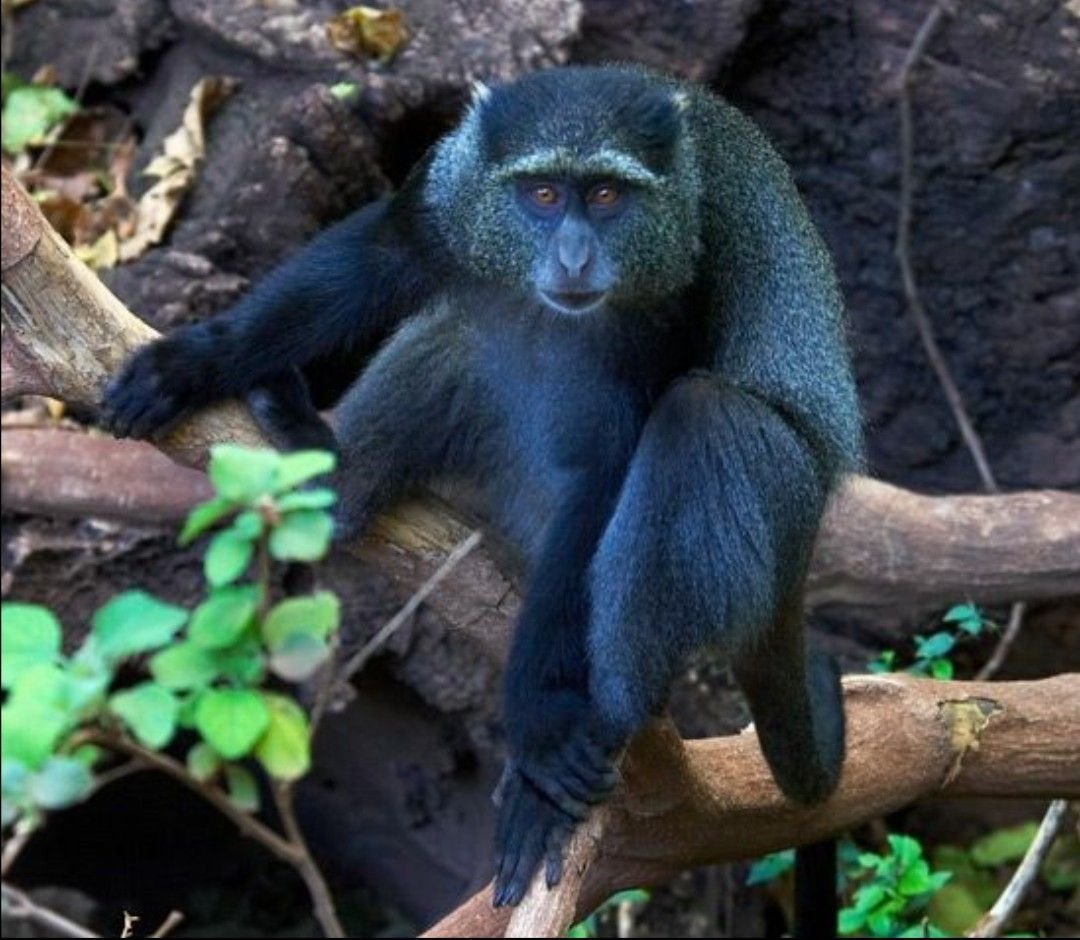
A medium-sized monkey with a grizzled olive-grey or greenish-brown upper coat, darker limbs and tail, a pale throat or whitish throat area, a long tail and an expressive face. Coat colour varies with lighting and individual appearance, so identification should not rely on a generic blue-grey photograph alone.
Taxonomic Note
The name Cercopithecus mitis albogularis is a recognised subspecies name, with Zanzibar Sykes’s monkey listed as its common name in taxonomic references. Some Kilimanjaro research tables contain spelling or classification variations; the accepted requested spelling is retained here. The common name “blue monkey” is often used for the wider Cercopithecus mitis species group and is not a precise identification of this subspecies, so the local taxon name is preserved rather than replaced with a generic label.
Habitat and Distribution on Mount Kilimanjaro
This is one of the best-supported primate records in the Kilimanjaro study: 19 study plots between approximately 1,623 and 3,060 metres. That demonstrates records across a substantial part of the sampled mountain gradient. The species is associated with forest habitat, and UNESCO/UNEP-WCMC material also identifies blue monkeys among the primates of Kilimanjaro’s montane forests. The study-plot range is not necessarily the full biological elevation range, and the species is not claimed to occupy every forest patch or route.
Diet and Feeding Behaviour
Feeding is largely plant-based, especially fruits, leaves, young shoots, flowers and seeds. Insects, other small invertebrates and occasional animal foods may also be taken. Feeding changes with fruit availability and season. No specific Kilimanjaro fruit species is claimed as a major food here.
Behaviour and Social Life
Social group living, arboreal movement, grooming, group communication, mother-infant relationships, canopy foraging and resting in trees are all typical. Canopy connectivity helps monkeys move between feeding and resting areas.
Communication and Calls
Contact calls, alarm calls, grunts, barks and other social vocalisations, together with facial expressions, body posture and grooming, help maintain group cohesion in forest habitat.
Reproduction and Breeding
General Sykes’s monkey reproduction includes mating, gestation, usually one infant, maternal care, infant development and social interaction within the group. Specific Kilimanjaro breeding records are not claimed.
Ecological Importance
Fruit feeding and potential seed dispersal, plant material consumption, insect feeding and participation in forest food webs link this monkey to forest ecology. Healthy, connected forest habitat is important for the species.
Conservation Status
The broader Cercopithecus mitis is assessed globally as Least Concern by IUCN, with a decreasing population trend noted in the assessment. That category is not presented here as a separate assessment of C. m. albogularis. No Kilimanjaro population estimate or trend is asserted.
Wildlife Watching on Kilimanjaro
The species is associated with forest habitat and has records at multiple elevations. Quiet observation in suitable wooded areas offers the best chance, but no sighting is guaranteed and visitors should never feed or crowd monkeys.
Route and Habitat Occurrence
The study records span approximately 1,623–3,060 metres across 19 plots. These are mountain-wide research results, not proof of presence along every climbing route. No route-specific sightings are invented here.
Honest Expectations
This monkey has multiple Kilimanjaro research records across 19 plots between approximately 1,623 and 3,060 metres, and is associated with forest habitat. That does not mean it is visible to every visitor or present on every route.
Frequently Asked Questions
About Zanzibar Sykes’s Monkey on Kilimanjaro
What is Zanzibar Sykes’s monkey?
A regional form of the Sykes’s or blue monkey group associated with forest habitats.
What is its scientific name?
Cercopithecus mitis albogularis.
Is it the same as a blue monkey?
Blue monkey is often used for the wider Cercopithecus mitis group; this page preserves the local subspecies identification.
Why is it called Zanzibar Sykes’s monkey?
It is the common name used in taxonomic references for C. m. albogularis.
How can I identify it?
By its grizzled olive-grey coat, pale throat, darker limbs and long tail.
What does its coat look like?
Softly grizzled olive-grey or greenish-brown above, with a paler throat.
What does it eat?
Mainly fruits, leaves, shoots, flowers and seeds, with some insects and other small foods.
Does it live in trees?
Yes, it is largely arboreal.
Does it live in social groups?
Yes.
How does it communicate?
Contact and alarm calls, grunts, barks, facial expressions, posture and grooming.
Where does it live in Africa?
Forest habitats across parts of eastern Africa, including Tanzania.
Has it been recorded on Kilimanjaro?
Yes, across multiple research plots.
At what elevations was it recorded?
Approximately 1,623–3,060 metres in the study.
How many plots recorded it?
Nineteen study plots.
Does it live in montane forest?
Yes, it is associated with forest including montane forest.
Can climbers expect to see it?
No sighting can be guaranteed.
How does it reproduce?
General species biology includes one infant, maternal care and social development.
What role does it play in forest ecology?
Fruit feeding, possible seed dispersal, insect consumption and forest food-web participation.
What is its conservation status?
The broader C. mitis is Least Concern globally; no separate assessment of this subspecies is asserted here.
How can visitors observe it responsibly?
Observe quietly from a distance, never feed or chase it and respect forest habitat.
Sources and Further Reading
Research foundations
Grimshaw, J.M., Cordeiro, N.J. & Foley, C.A.H. (1995). The Mammals of Kilimanjaro. African Journal of Ecology.
Elevational Distribution and Ecology of Small Mammals on Africa's Highest Mountain (2014 field study).
Tanzania National Parks — Kilimanjaro National Park official information.
UNEP-WCMC — Kilimanjaro World Heritage Datasheet.
Discover Kilimanjaro’s Wildlife
Explore the mountain responsibly with African Majestic Adventure and learn about its animals with local guides.