






 Ngorongoro Conservation Area
 Volcanoes National Park









Climb Kilimanjaro — Africa's Roof
Everything you need to plan your Kilimanjaro summit: routes, wildlife, plants and birds you'll meet on the mountain, and expert local guidance from Moshi.
What is the Kilimanjaro Trek Hub?
Your one-stop resource for everything Kilimanjaro
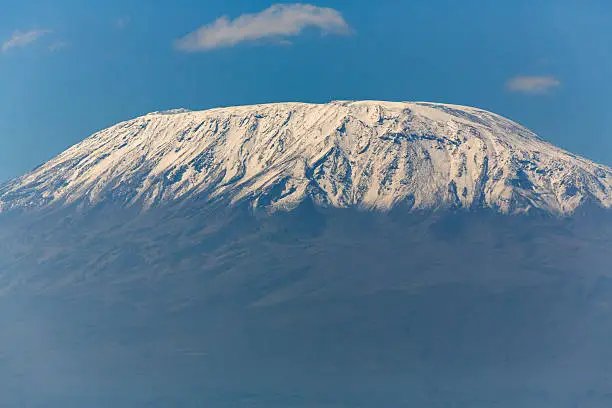
Mount Kilimanjaro is Africa's highest peak and one of the world's great trekking destinations. From the rainforest at the base to the arctic summit, the mountain passes through five distinct climate zones — each with its own wildlife, birds and plants. This hub brings together our Kilimanjaro climbing tours, route comparisons, and a field guide to the animals, birds and plants you'll encounter on the way to Uhuru Peak.
Explore Kilimanjaro's Wildlife
Discover the animals, birds and plants that call the mountain home
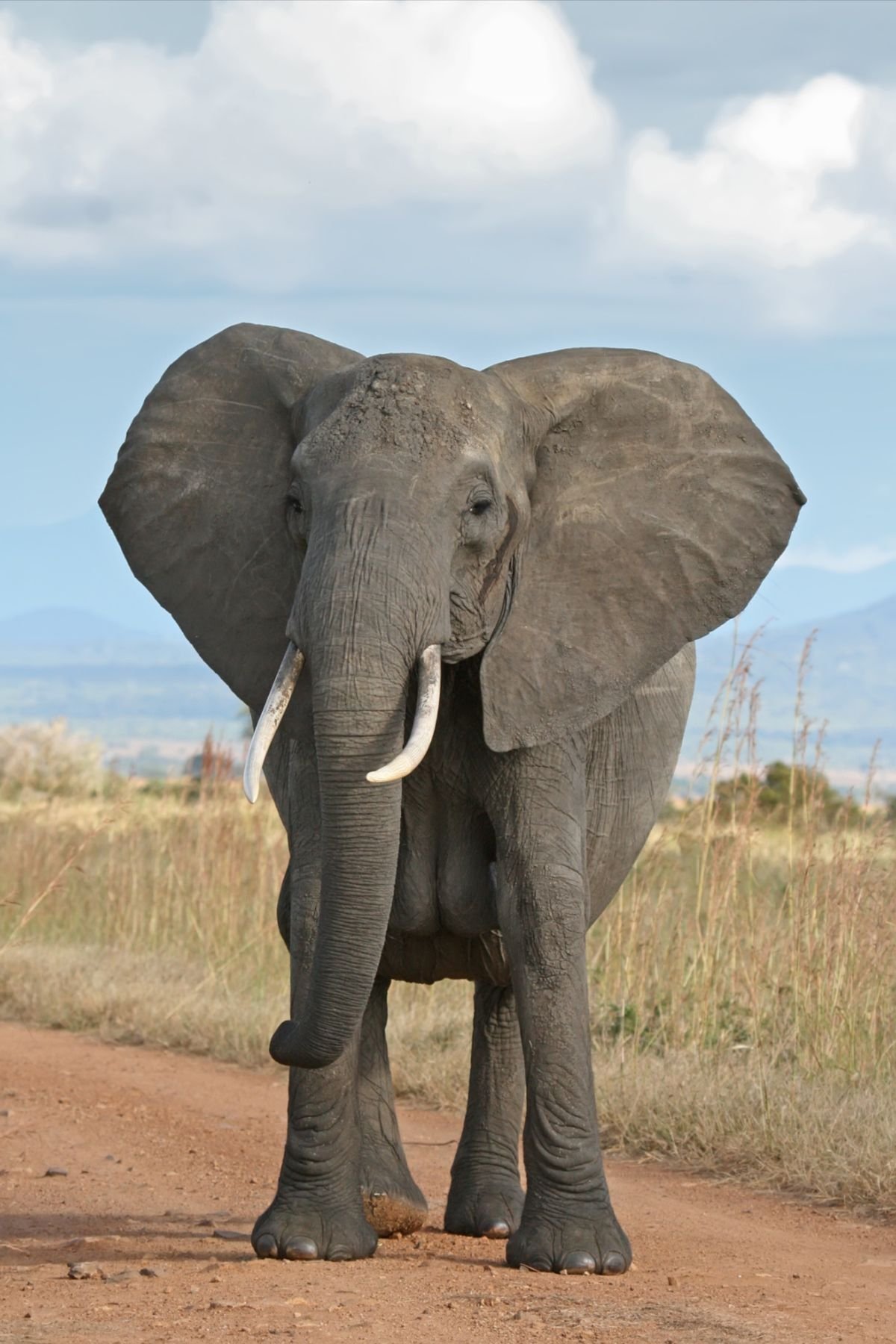
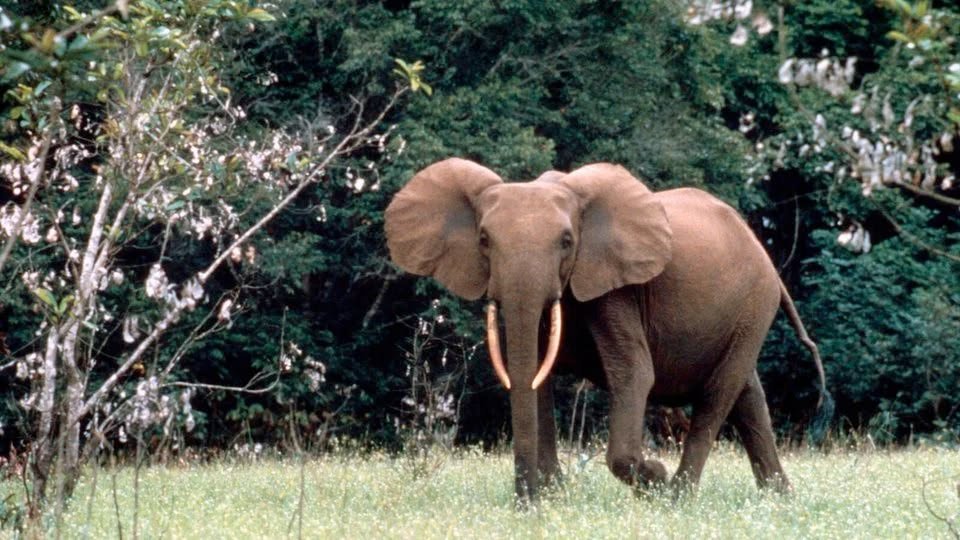
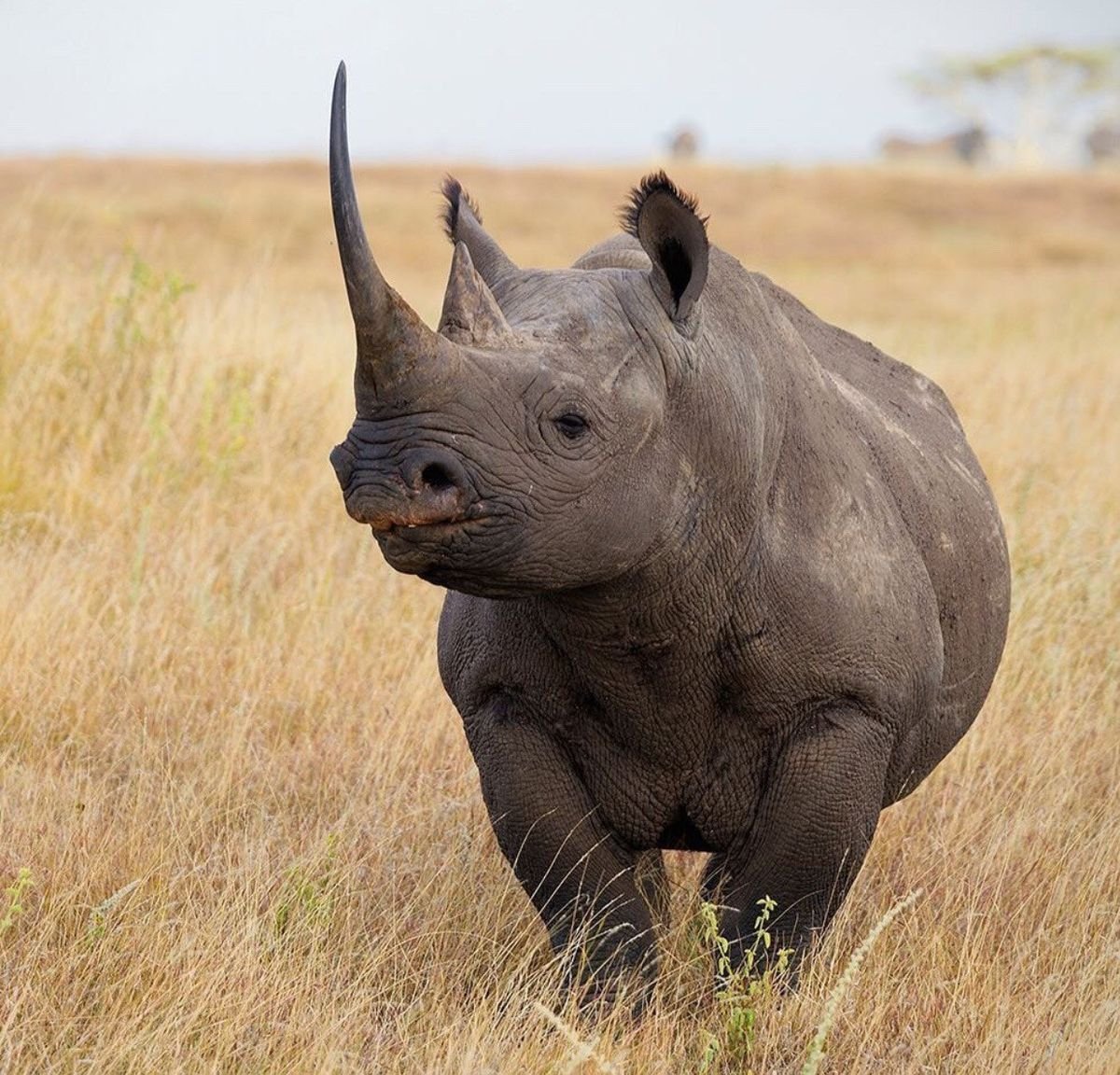
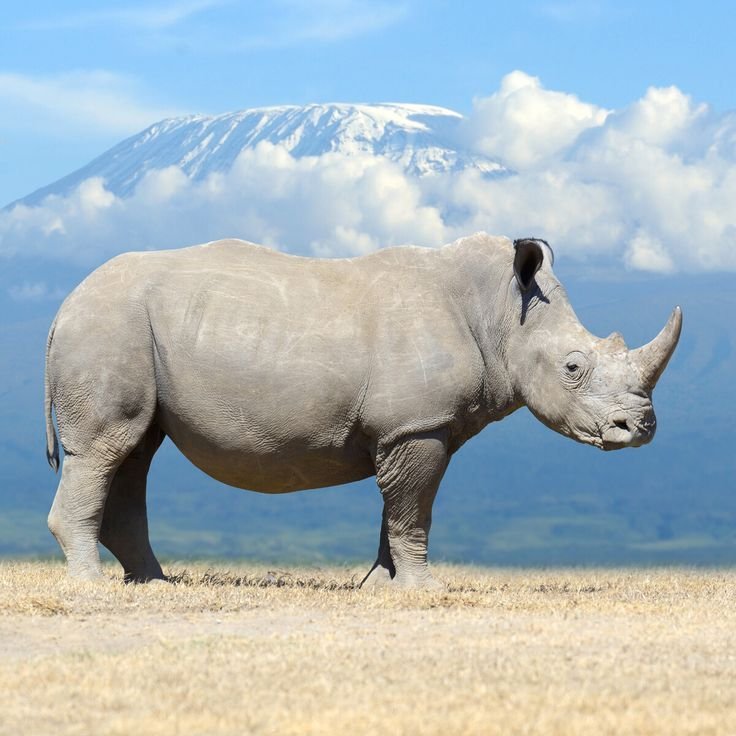
Kilimanjaro Animals You'll Meet
Mammals of the mountain's forests and surrounding plains
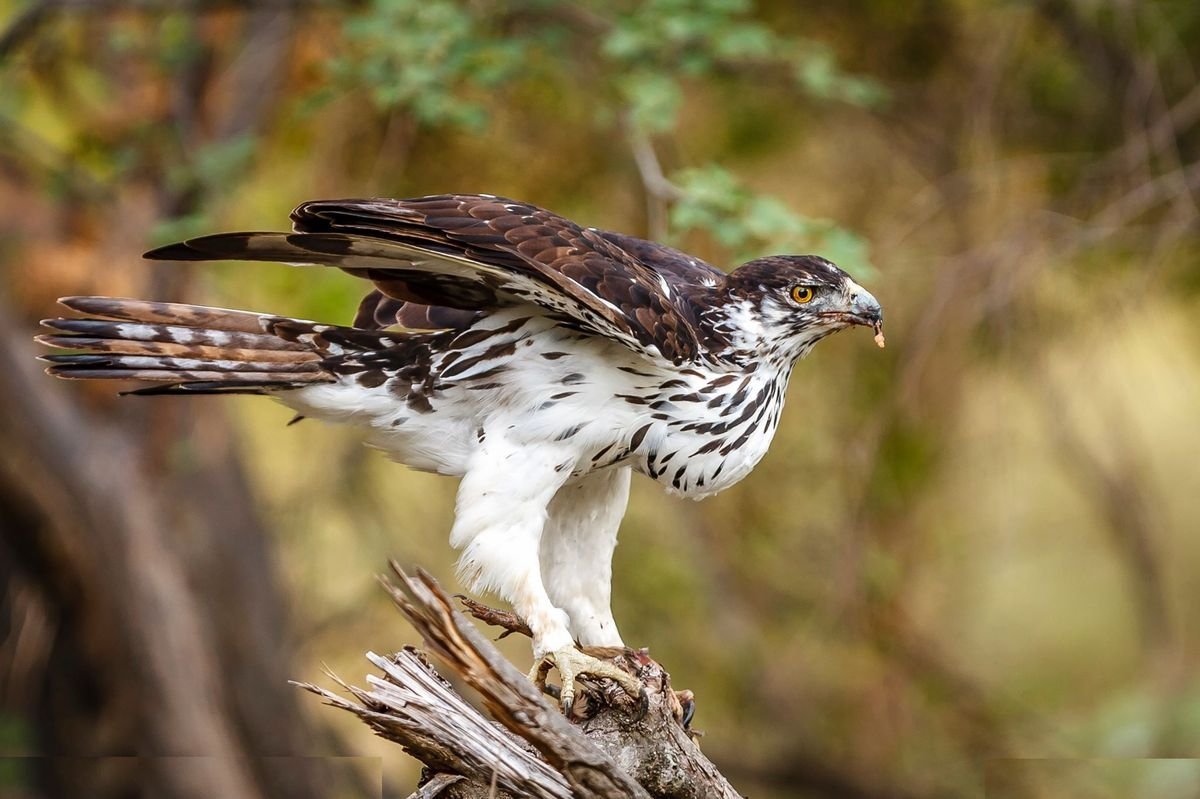
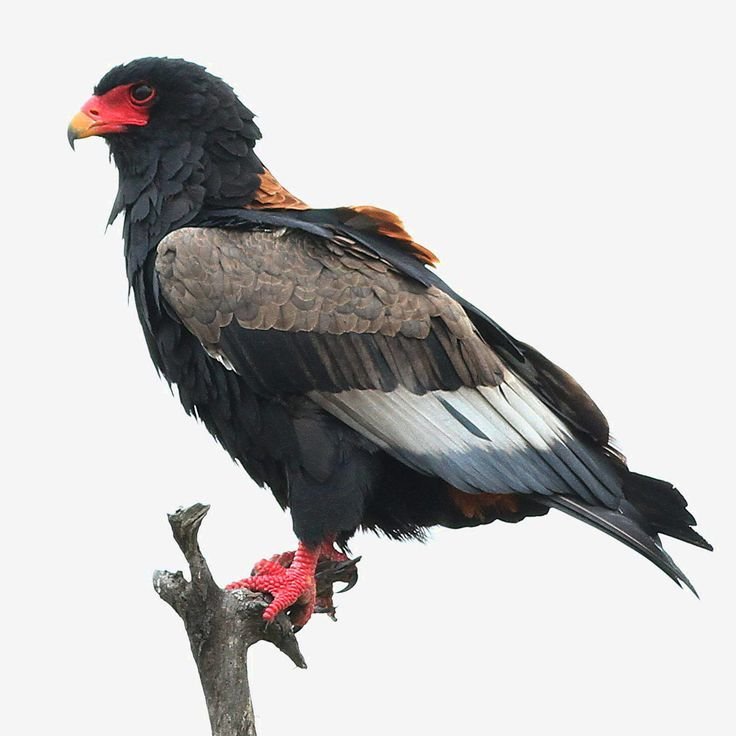
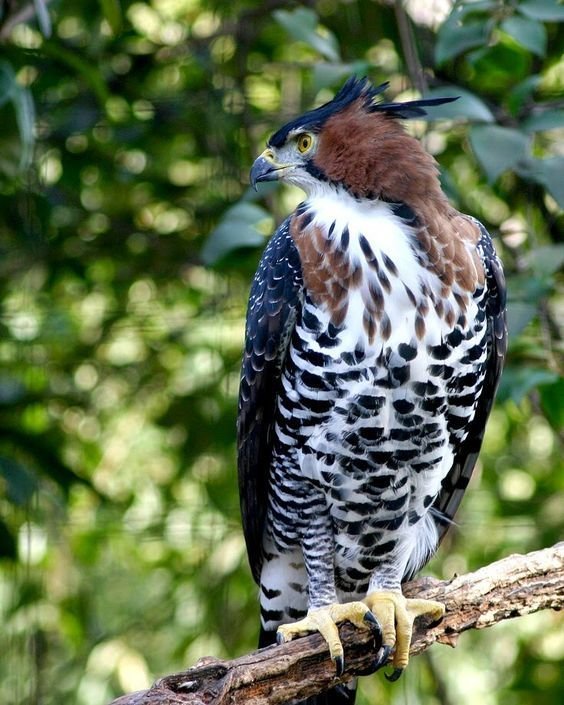
Kilimanjaro Birds You'll See
Colourful birdlife of the montane forest and alpine zones
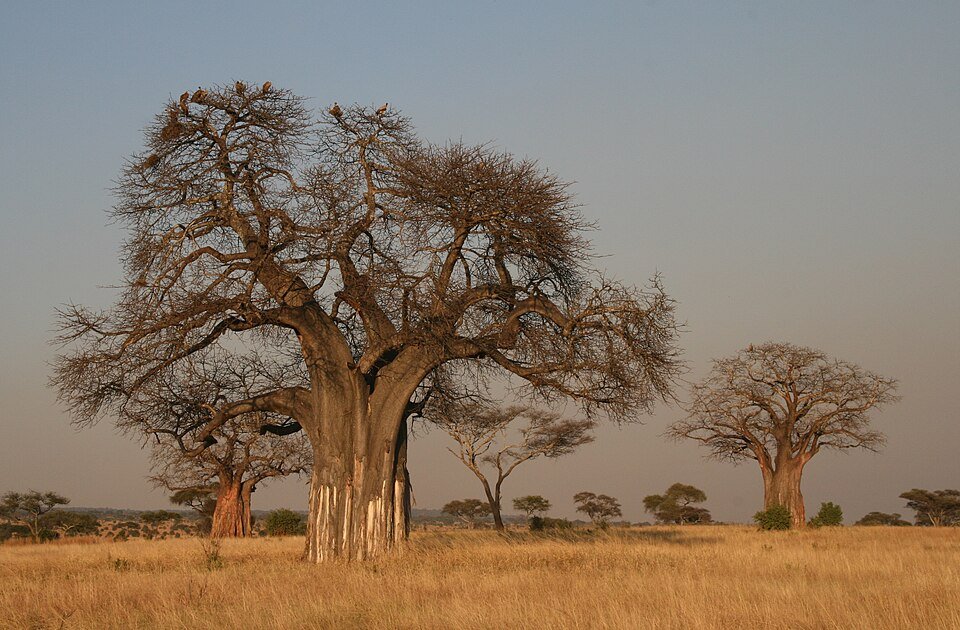
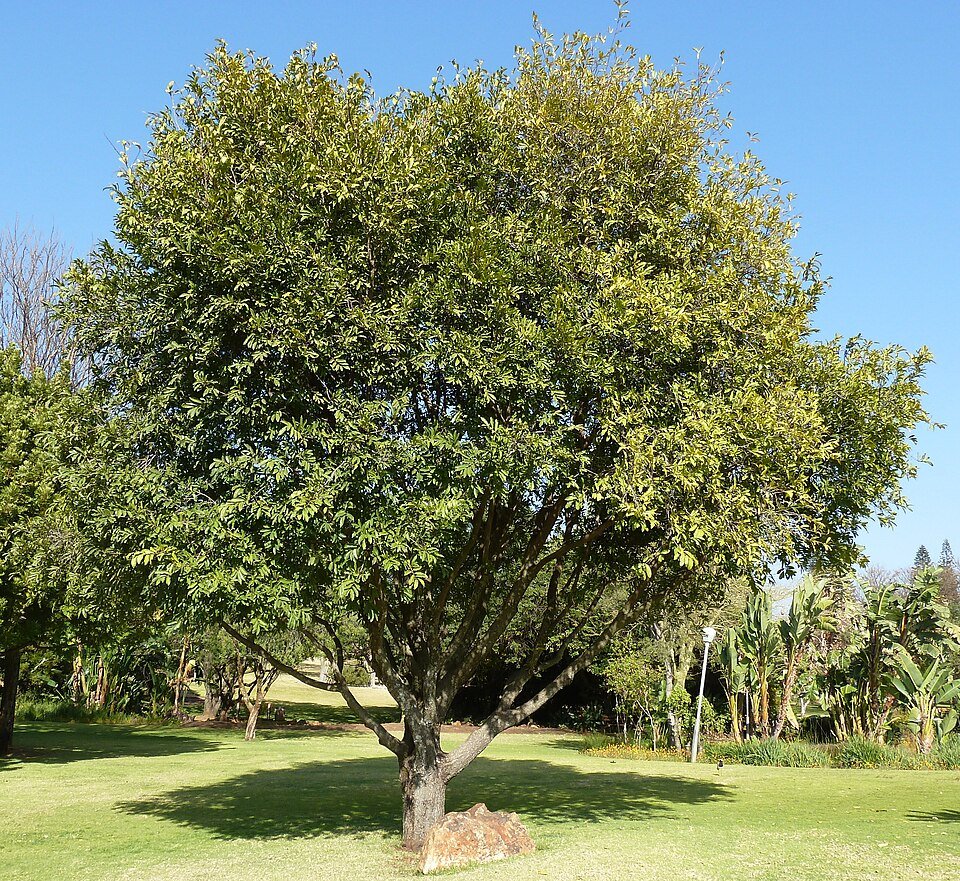
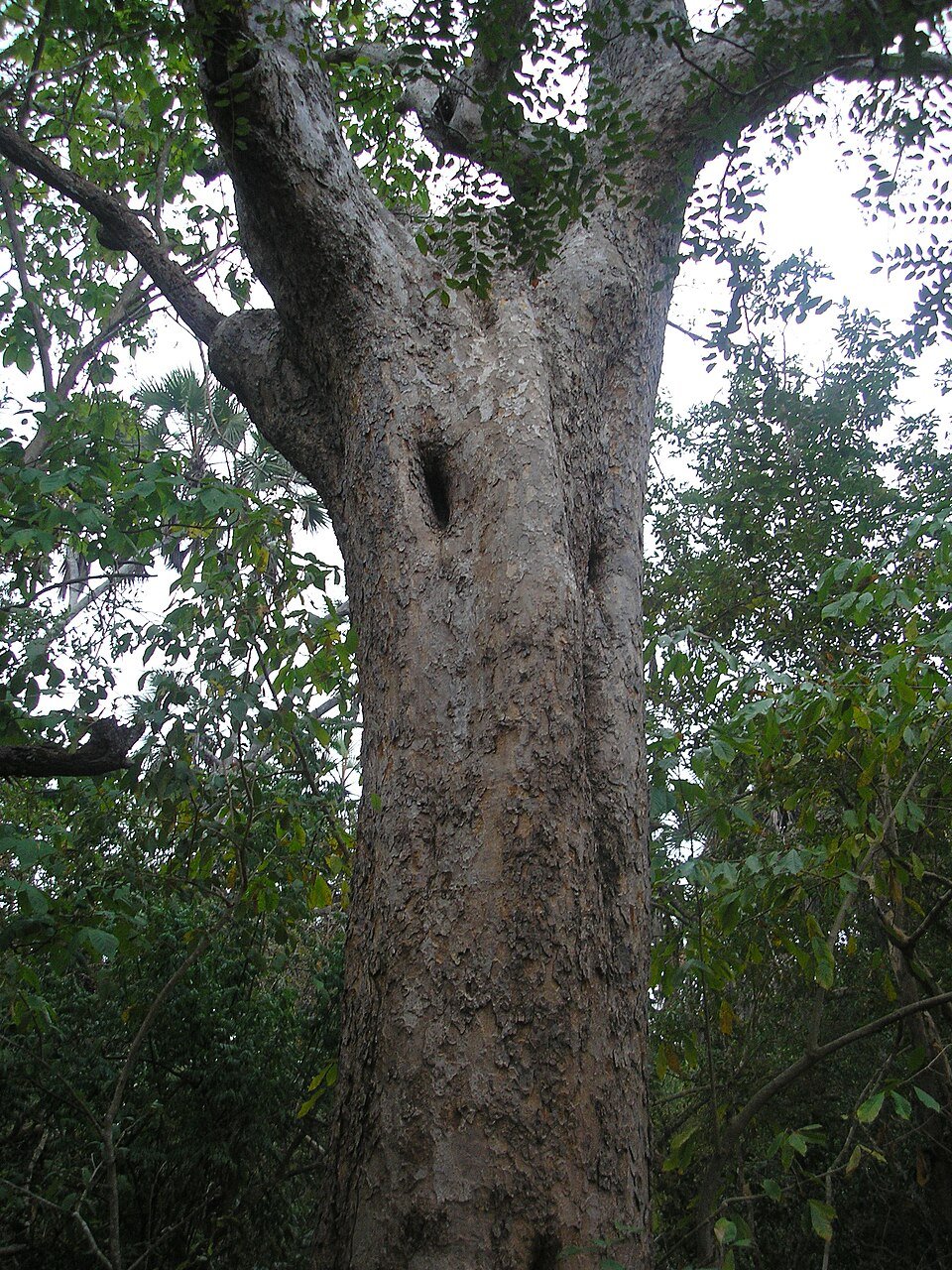
Kilimanjaro Plants You'll Discover
Unique flora of the mountain's five climate zones
Kilimanjaro Climbing Tours
Choose your route to the summit
7 Days Kilimanjaro Climbing — Machame Route
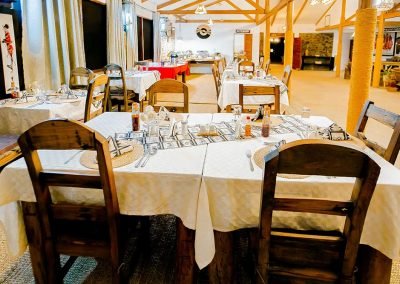
2 days kilimanjaro Machame Route

5 Days To the Roof of Africa – Kilimanjaro Machame Route
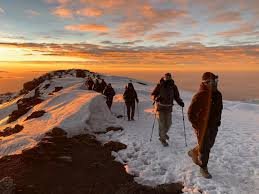
5 Days Kilimanjaro Marangu Route – To the Roof of Africa
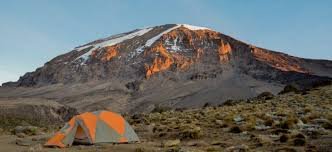
6 Days Kilimanjaro Machame Route – To the Roof of Africa
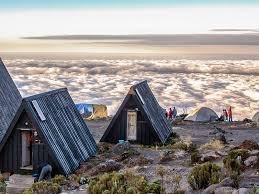
6 Days Kilimanjaro Marangu Route – To the Roof of Africa

6 Days Kilimanjaro Rongai Route – To the Roof of Africa
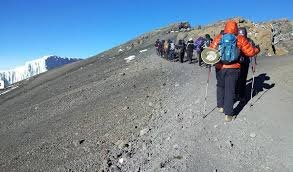
6 Days Kilimanjaro Umbwe Route – To the Roof of Africa
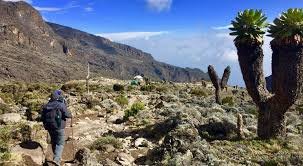
7 Days Kilimanjaro Machame Route – To the Roof of Africa

7 Days Kilimanjaro Rongai Route – To the Roof of Africa
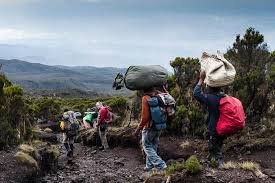
7 Days Kilimanjaro Umbwe Route – To the Roof of Africa
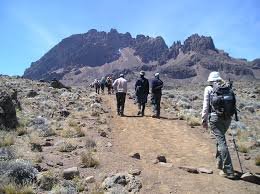
7 Days Lemosho Route – Kilimanjaro Climb
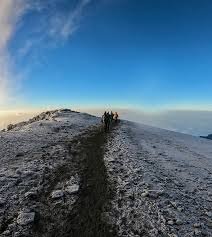
8 Days Kilimanjaro Machame Route – To the Roof of Africa
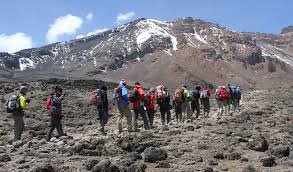
8 Days Lemosho Route – Kilimanjaro Climb

9 Days Kilimanjaro Climbing – Northern Circuit Route
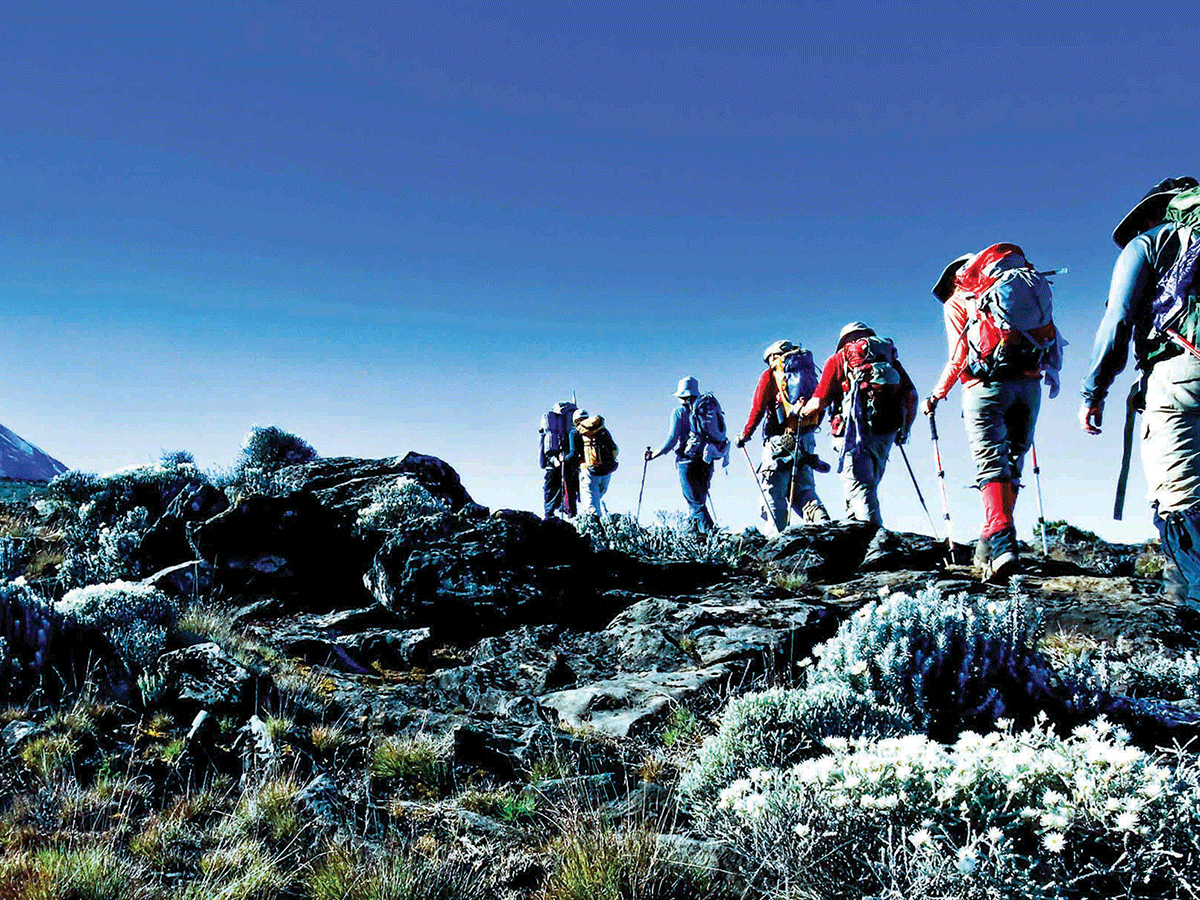
10 Days Kilimanjaro Climbing – Northern Circuit Route
Why Climb With African Majestic Adventures
Local experts who know the mountain inside out
100% Tanzanian-Owned
Local guides, local knowledge, fair porter treatment under KPAP standards.
95%+ Summit Success
Proven acclimatization profiles and experienced guides on every route.
Wilderness First Aid
All guides certified in Wilderness First Aid for your safety on the mountain.
Direct Booking
No middleman markup — book direct with the people who guide your trip.
Frequently Asked Questions
Everything you need to know before your Kilimanjaro climb
Which Kilimanjaro route is best for beginners?
The Marangu route is often recommended for beginners because it uses huts instead of tents and has a gentler gradient. However, the Lemosho route offers better acclimatization and higher success rates. Our guides will help you choose the best route for your fitness level.
How long does it take to climb Kilimanjaro?
Most routes take 5 to 9 days. Longer routes (7-9 days) have higher summit success rates due to better acclimatization. The Northern Circuit is the longest at 9-10 days with the highest success rate (95%+).
What wildlife will I see on Kilimanjaro?
The lower rainforest zone is home to colobus monkeys, blue monkeys, elephants and buffalo. Higher up you'll see unique plants like giant lobelias and senecios. Birds include turacos, eagles and sunbirds. Use the pillar cards above to explore the full field guide.
When is the best time to climb Kilimanjaro?
The best climbing seasons are January-March and June-October (dry seasons). July-September is the most popular. Avoid the long rains (March-May) and short rains (November). We can advise on the best timing for your preferred route.
Do I need fitness training before climbing Kilimanjaro?
Yes — we strongly recommend at least 4-6 weeks of cardiovascular training before your climb. The altitude makes any weakness harder to overcome, and our pre-trek fitness plans are included free with every booking. Even moderate fitness (regular hiking) makes you a strong candidate.
What is the altitude of Mount Kilimanjaro and why does it matter?
Kilimanjaro rises to 5,895 metres (19,341 ft) at Uhuru Peak. The climb goes through five climate zones — from 1,800m tropical forest to 4,600m alpine desert. Altitude sickness is real, so gradual ascent and proper acclimatization are critical.
What should I pack for a Kilimanjaro climb?
You'll need insulated waterproof clothing, broken-in hiking boots, layered base layers, sleeping bag rated to -10°C, headlamp, trekking poles, water bottles, sunscreen, and personal medication. Full packing lists are provided for every tour — see "What's to Pack" on each Kilimanjaro tour page.
How much does a Kilimanjaro climb cost?
Our Kilimanjaro packages range from $1,200 to $5,000+ per person depending on duration, comfort level, and whether you join a group or go private. Contact us for a custom quote and we'll tailor the itinerary to your budget and dates.
Can I climb Kilimanjaro with children or older travelers?
Yes. Children 10+ years can climb with good health. Travelers with mobility issues or serious medical conditions should consult a doctor before climbing. We offer private and group departures suitable for most ages.
What permits are required for climbing Kilimanjaro?
You need a Tanzania National Parks Authority (TANAPA) permit plus park fees, which we secure on your behalf as part of the package. These are limited per day, so booking ahead is essential.
Are there toilets and camping facilities on the trails?
Yes — huts/camps are available on most routes. Marangu has huts, Lemosho/Northern Circuit/Rongai have tent camps. Tents and camp equipment are included. The final summit night requires a long cold night above 4,600m.
How safe is it to climb Kilimanjaro?
Kilimanjaro is very safe. The main risks are altitude sickness and weather. Our guides are licensed, Wilderness First Aid certified, and use proven acclimatization schedules. We monitor each climber closely and have a rescue plan for every route.
What happens if I don't summit Kilimanjaro?
You can choose a lower route or trek to a camp. We also offer "summit day" guarantees and can book shorter options like Mt. Meru (4,562m) which is a great acclimatization climb. Refunds follow the operator policy for no-shows.
Ready to Climb Kilimanjaro?
Choose your route, set your dates, and let our expert local guides lead you to Uhuru Peak. Get a free, personalized itinerary today.