








 Ngorongoro Conservation Area
 Volcanoes National Park









Kilimanjaro Plants — The Field Guide
Giant lobelias towering above the mist, silver-leafed groundsels, heather in bloom and rare alpine mosses — the extraordinary flora of Africa's highest mountain.
What Plants Grow on Kilimanjaro?
Your complete field guide to Kilimanjaro's flora
Kilimanjaro's vegetation changes dramatically with altitude. Dense rainforest gives way to heath and moorland, then to the strange Afro-alpine zone where giant lobelias and groundsels evolved to survive frost, fierce sun and thin air. Above 5,000 m only lichens and a handful of hardy plants cling to the rock. This guide covers the species you are most likely to notice — and the ones worth stopping for.
Featured Kilimanjaro Plants
Some of the flora you will encounter on the mountain
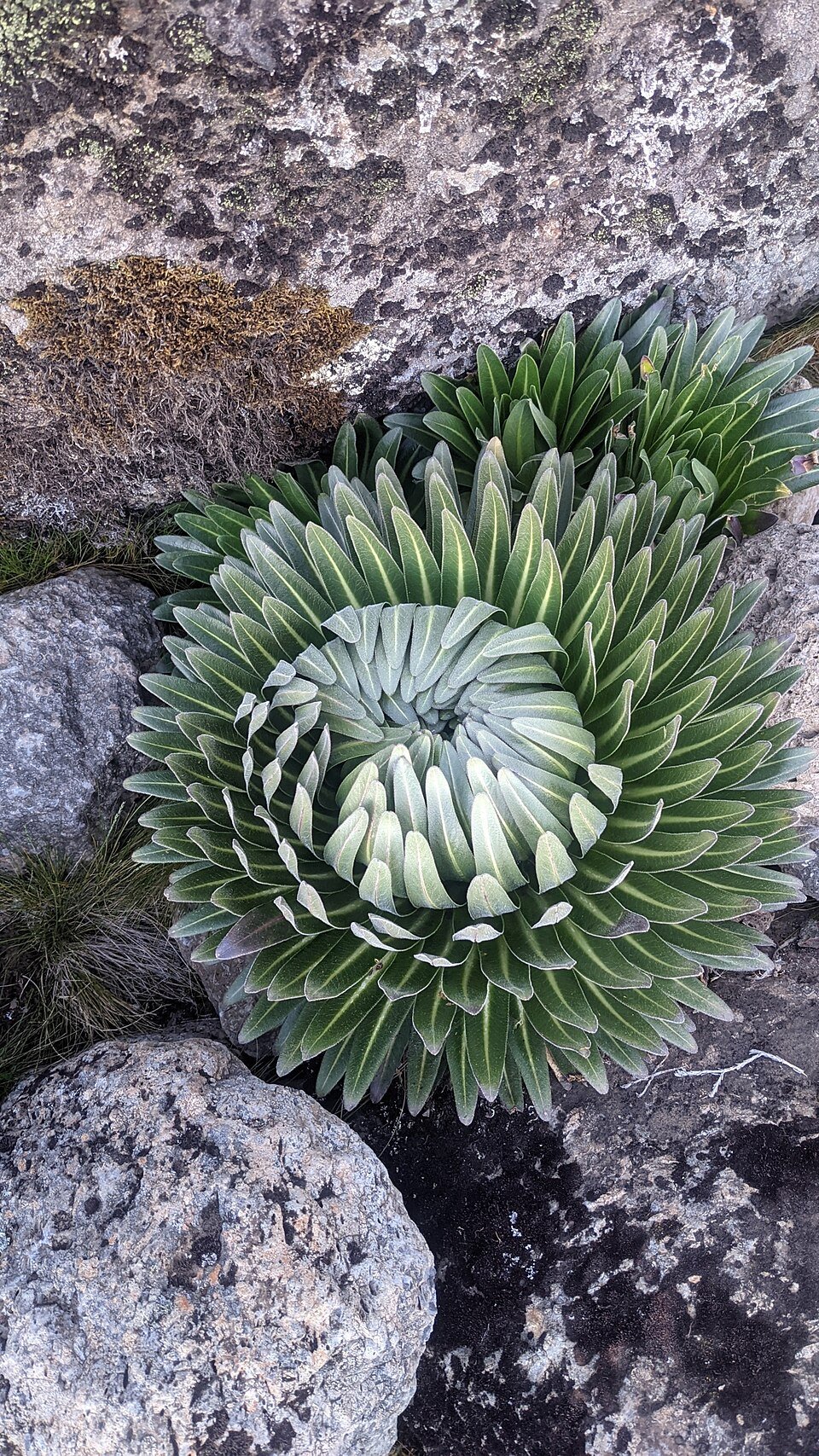
Giant Lobelias
Lobelia deckenii Afro-Alpine Zone · 3,300 – 4,600 mThe iconic rosette plant of Kilimanjaro's high moorland. Its layered leaves close at night to trap warmth and protect the delicate growing tip from frost.
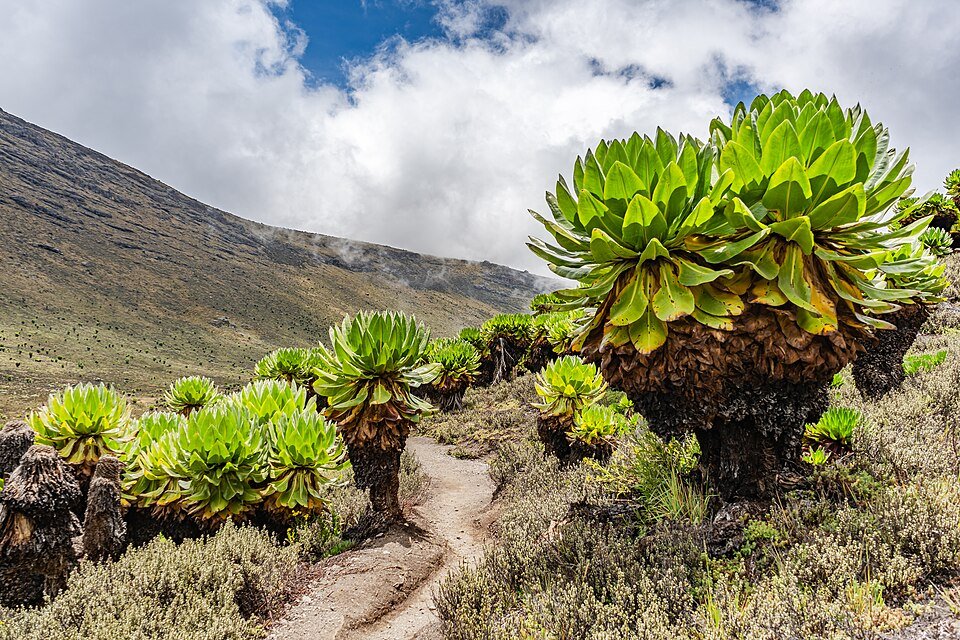
Giant Groundsel
Dendrosenecio keniodendron Afro-Alpine Zone · 3,600 – 4,600 mA strange, tall rosette tree with a crown of leaves atop a thick stem — one of the most striking sights of the alpine desert zone.
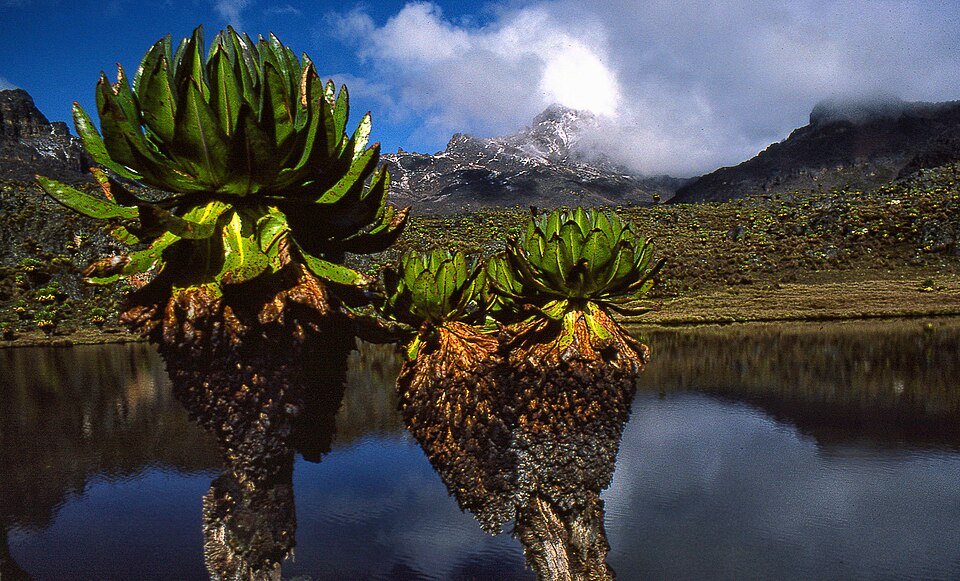
Giant Senecios
Dendrosenecio johnstonii Afro-Alpine Zone · 3,000 – 4,300 mAncient-looking tree groundsels that have evolved woolly insulation and water-storing stems to survive freezing nights and intense sun.
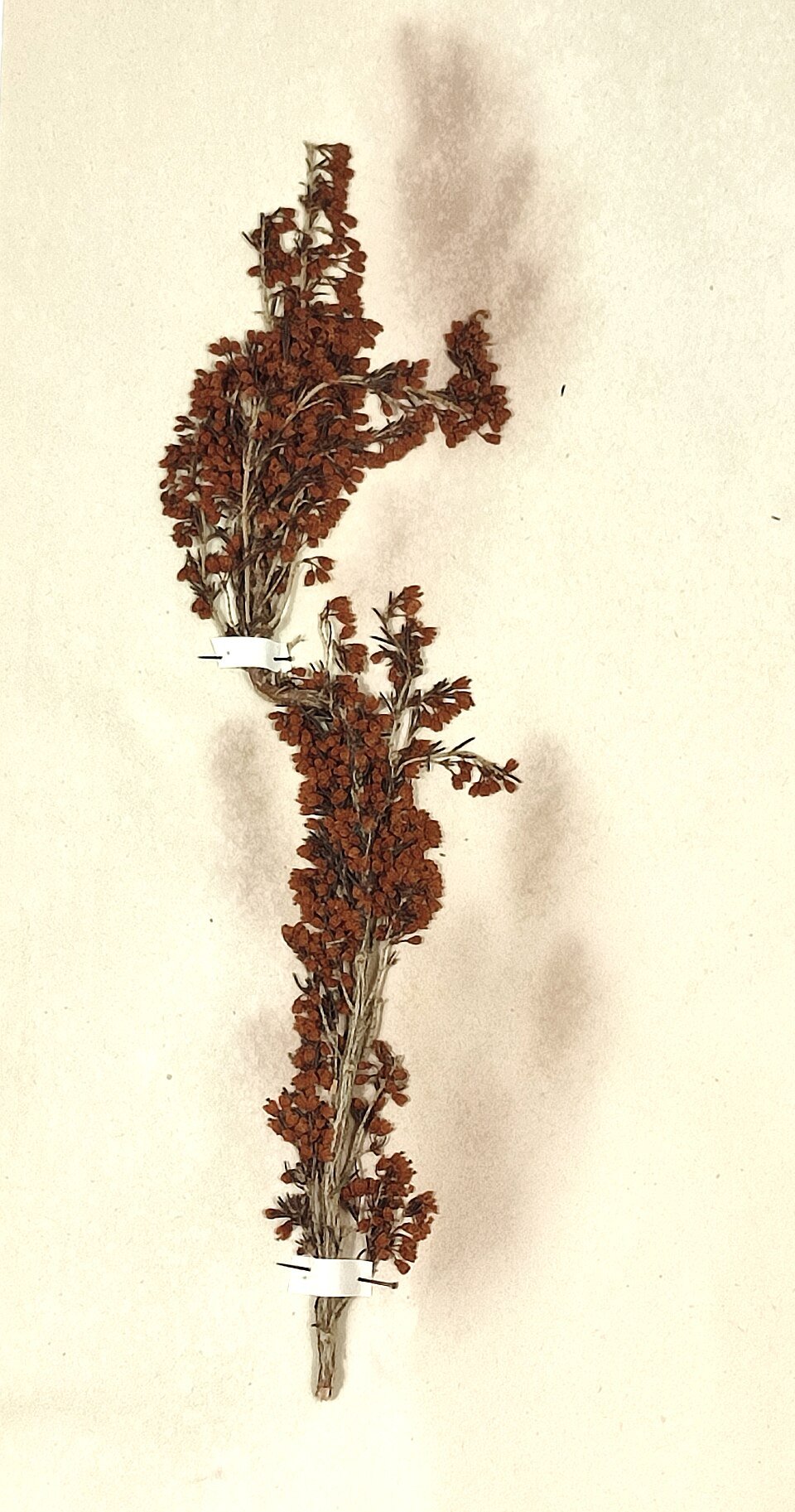
East African Heather
Erica arborea Heath Zone · 2,800 – 4,000 mThe dominant plant of Kilimanjaro's heath zone — a tree heather that forms dense stands with fragrant white flowers after the rains.
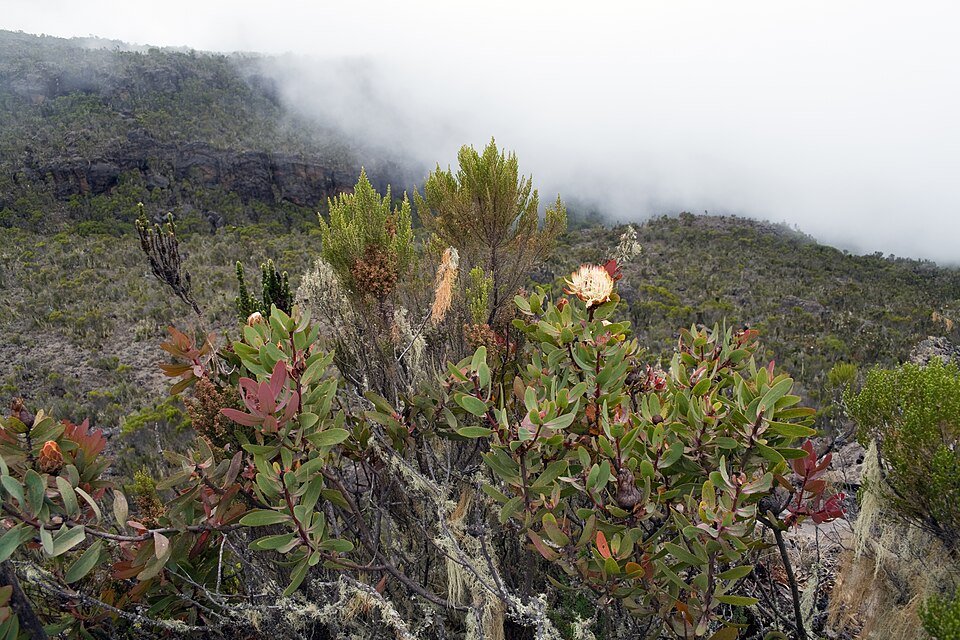
Mountain Proteas
Protea kilimanjaro Moorland Zone · 2,400 – 3,600 mA spectacular shrub named for the mountain itself, bearing large pink-red flower heads above the moorland grasses.
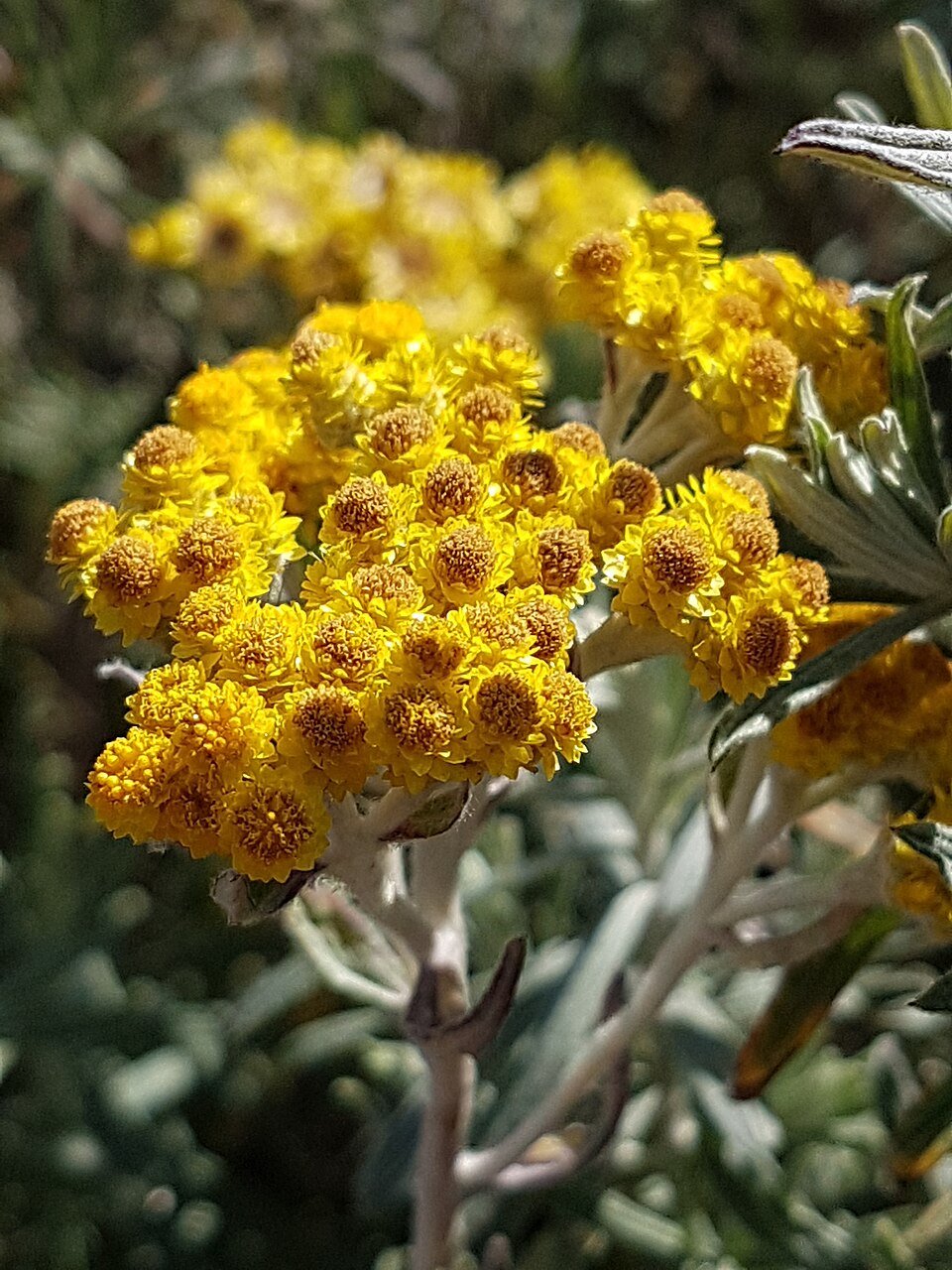
Helichrysum
Helichrysum splendidum Moorland Zone · 2,400 – 4,200 mAromatic silver-leaved everlastings that carpet the moorland in golden-yellow flowers and scent the air as you walk.
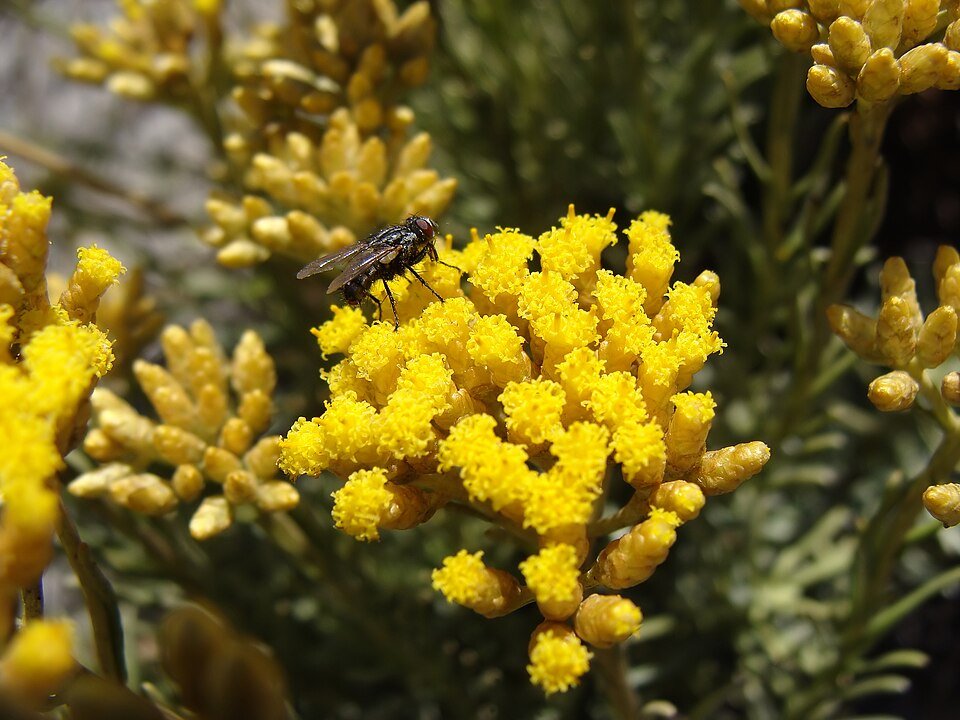
Alpine Everlastings
Helichrysum spp. Alpine Zone · 3,800 – 4,800 mTough, low-growing everlastings that survive the very edge of plant life, clinging to sheltered rocks near the summit zone.
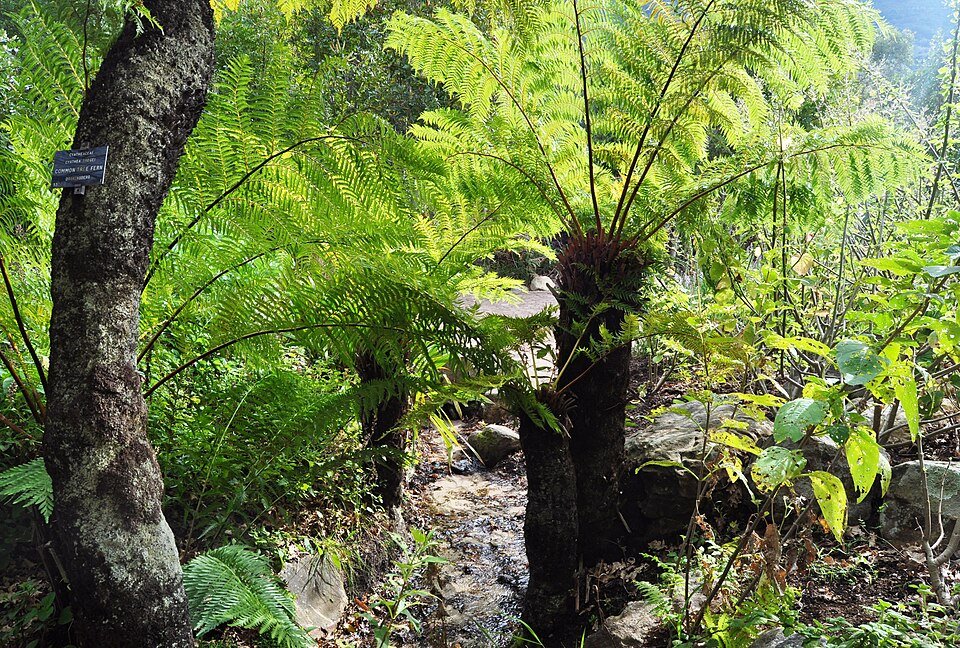
Tree Ferns
Cyathea dregei Forest Zone · 1,800 – 2,800 mElegant tree ferns with long arching fronds, thriving in the damp, shaded gullies of Kilimanjaro's montane rainforest.
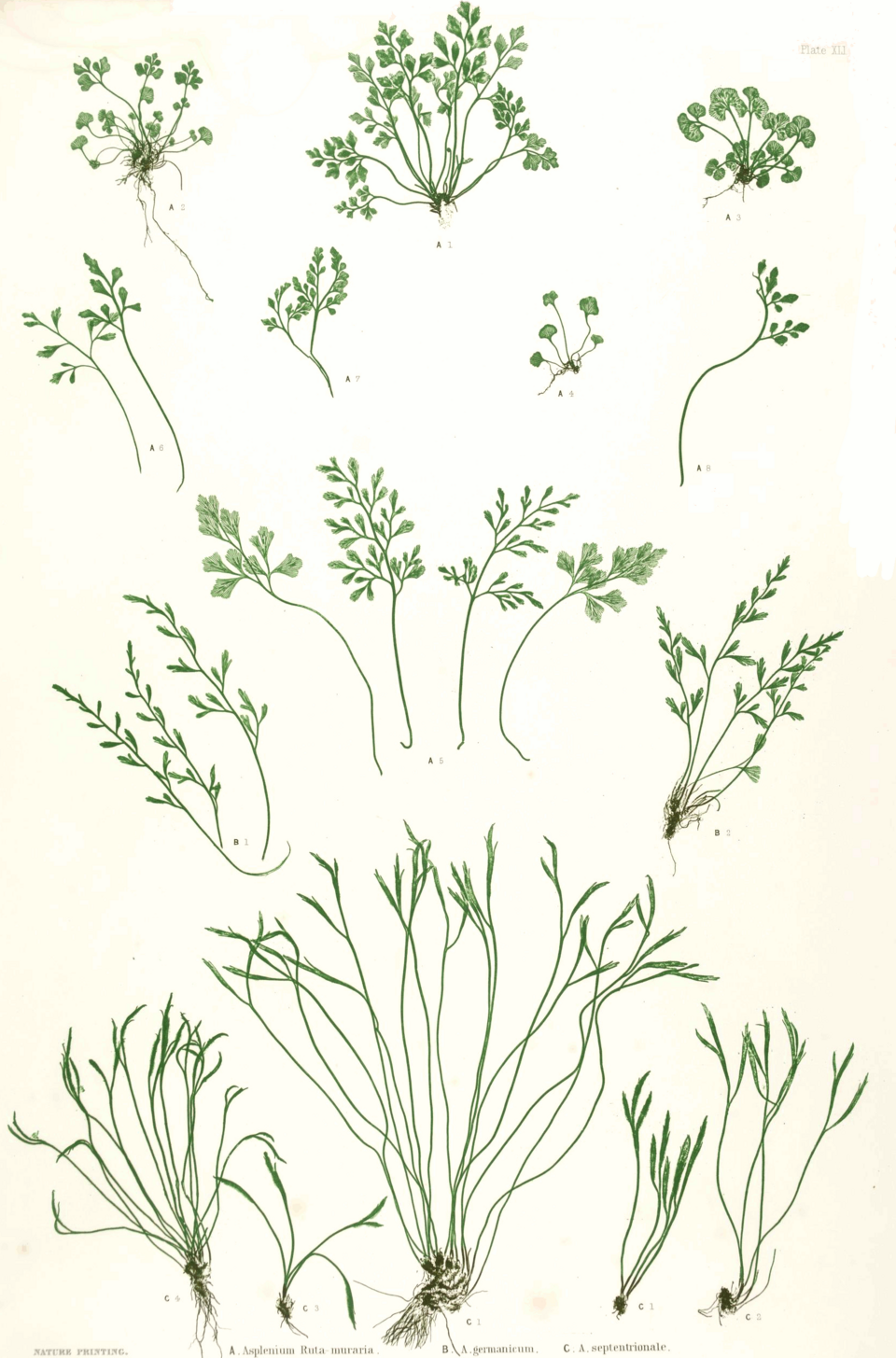
Endemic Ferns
Asplenium spp. Forest Zone · 1,800 – 2,900 mA rich community of ferns, including species restricted to the ancient Eastern Arc mountains and Kilimanjaro's forest belt.
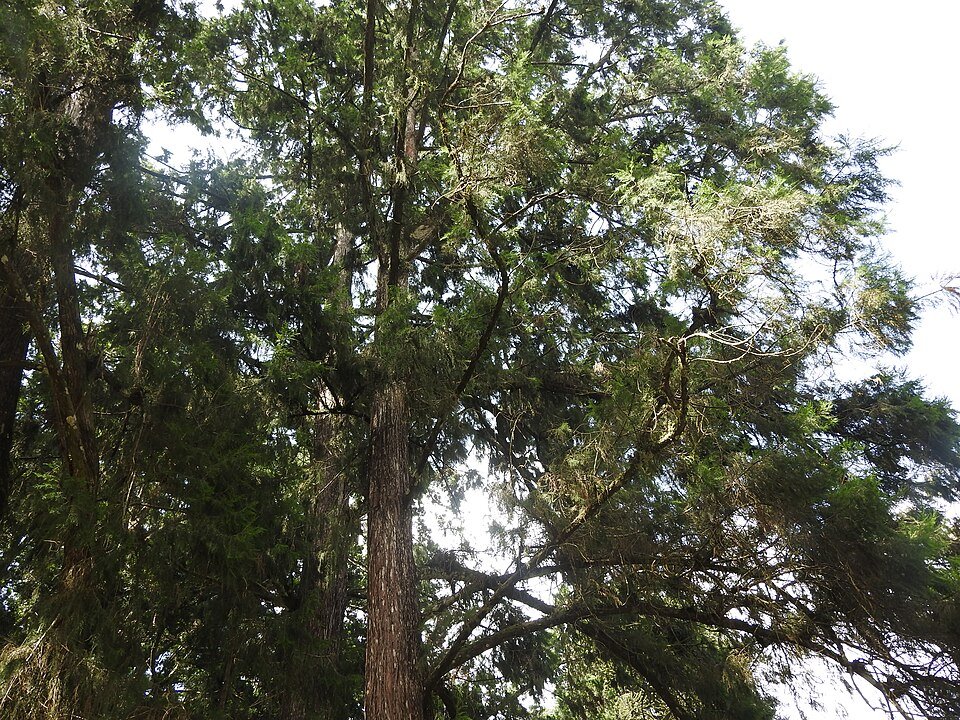
African Juniper
Juniperus procera Forest Zone · 1,800 – 3,000 mAfrica's tallest juniper, forming valuable dry montane forest around the mountain's lower slopes.
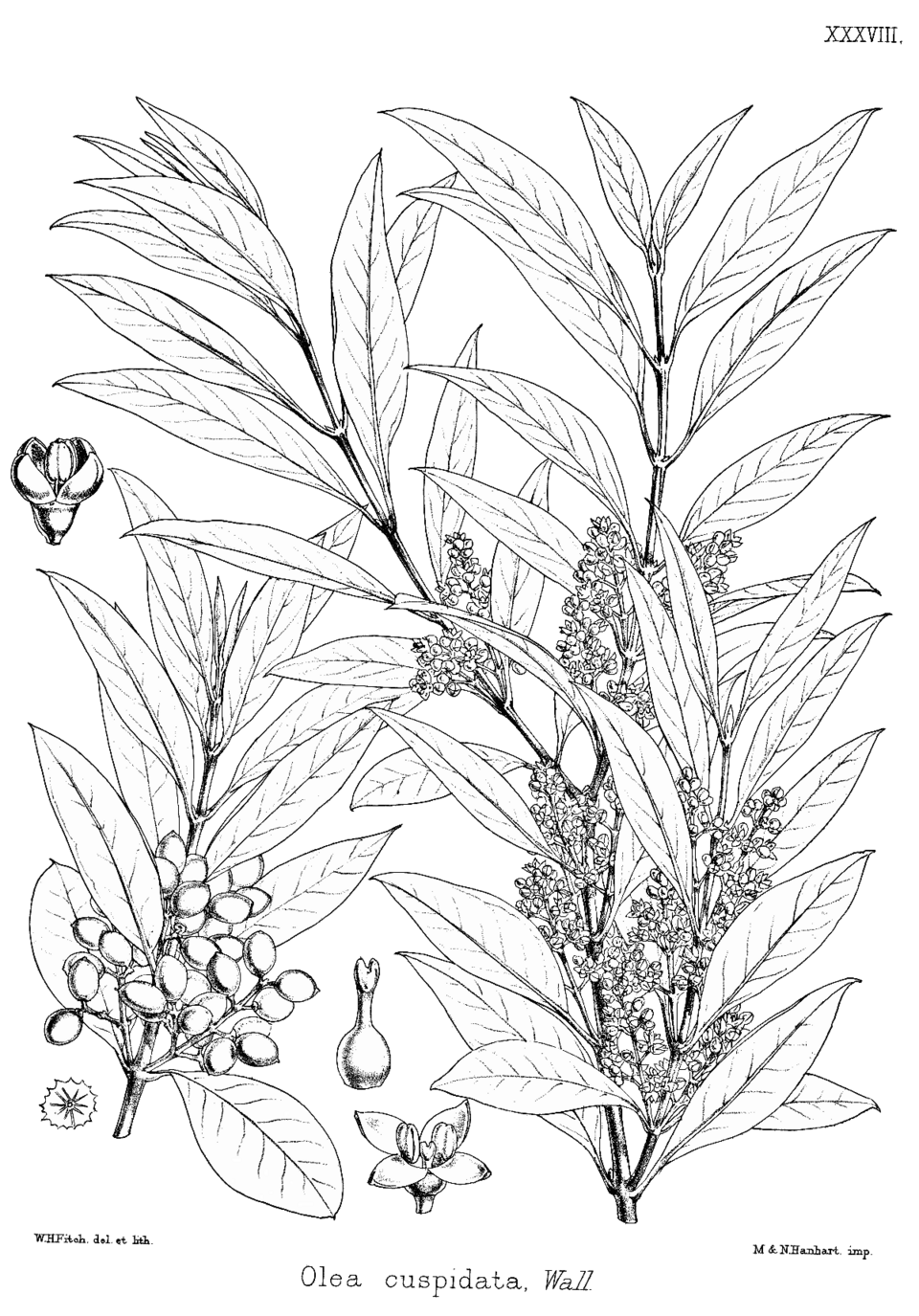
African Olive
Olea europaea subsp. cuspidata Forest Zone · 1,800 – 2,800 mA hardy evergreen tree of the montane forest, with dense grey-green foliage and small edible fruit.
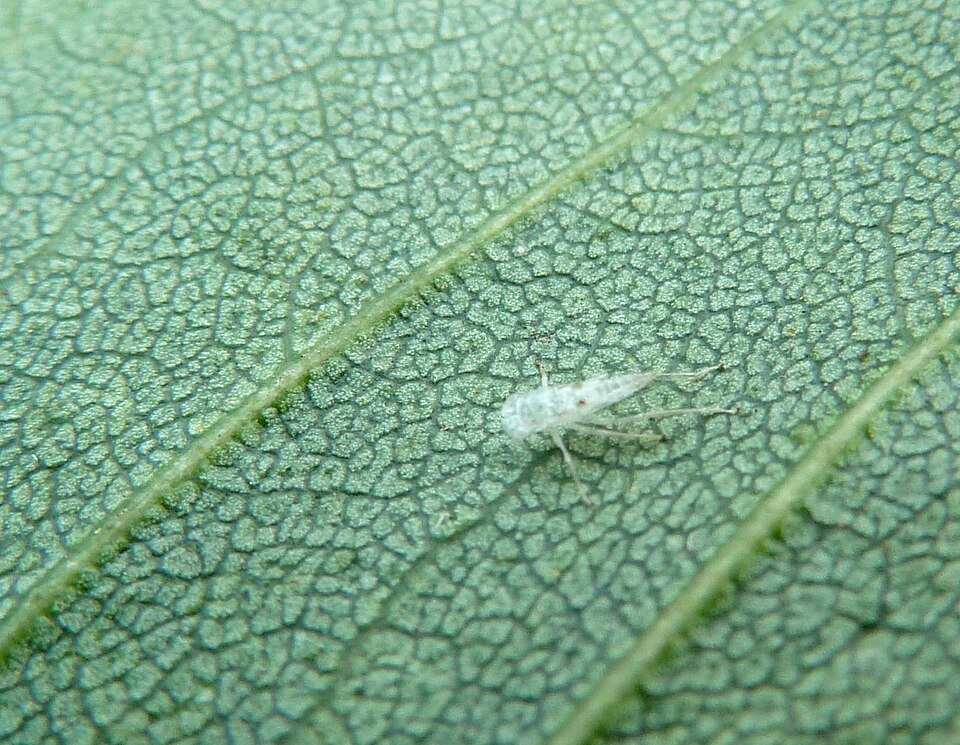
Cape Chestnut
Calodendrum capense Forest Zone · 1,800 – 2,600 mA beautiful forest tree that bursts into clouds of pink flowers after the rains — a favourite with birders and photographers.
Learn Kilimanjaro's Flora With Us
Botany, ecology and local knowledge rolled into one trek
Plant-Savvy Guides
Our guides can name the giant lobelias, groundsels and heathers you pass — and explain how they survive the mountain's extremes.
5 Climate Zones
From 1,800m rainforest to the 5,895m summit — each zone has its own distinctive plant life.
Photography-Friendly
Slow-paced days with time to stop and photograph the unusual Afro-alpine plants.
Small Groups
Fewer people means more time to look, listen and learn on the trail.
Frequently Asked Questions
All about Kilimanjaro's flora
What plants grow on Mount Kilimanjaro?
Kilimanjaro hosts rainforest trees, orchids and ferns at the base, heather and proteas in the heath zone, and the famous giant lobelias and giant groundsels in the Afro-alpine zone. Above 5,000 m only lichens and a few hardy mosses survive.
What is the most famous plant on Kilimanjaro?
The giant lobelia (Lobelia deckenii) and the giant groundsel (Dendrosenecio kilimanjari) are the mountain's botanical icons, both unique to the Afro-alpine zone of East African volcanoes.
Why are Kilimanjaro plants so unusual?
High-altitude plants must survive nightly frost, intense ultraviolet light and thin air. The rosette shapes and thick insulating layers of lobelias and groundsels are evolutionary answers to those extremes.
Which route shows the best flora?
All routes cross the same vegetation zones, but longer routes such as Machame, Lemosho and Northern Circuit spend more time in the forest and moorland where the flora is richest.
What is the best season to see plants in flower?
The long rains (April to May) bring the most flowering, though it is also the wettest trekking period. November sees a second flowering flush with fewer crowds.
Is there plant life near the summit?
Vegetation effectively ends around 4,800 to 5,000 m. Beyond that you will find only lichens, a few mosses and small hardy plants in sheltered spots.
Do your guides talk about the plants?
Yes. Plant identification and the ecology of each zone are a standard part of our guides' briefings, and photography stops are built into the itinerary.
Can I photograph the giant lobelias?
Absolutely. The moorland and Afro-alpine zones on every route offer excellent opportunities. Early morning mist makes for the most dramatic shots.
Are Kilimanjaro's plants protected?
Yes. Mount Kilimanjaro lies within a national park, so all plants and animals are protected. Picking flowers or removing plants is forbidden, and our guides will point that out.
What should I bring for plant photography?
A macro lens is ideal for small alpine plants, and a polarising filter helps with bright high-altitude light. Early morning light in the moorland zone gives the best results.
What is the best time of day for plant photography?
Early morning (6-9 AM) is best. Mist in the moorland zone makes giant lobelias and groundsels look dramatic, and the softer light avoids blown highlights.
Can I combine plant study with a Kilimanjaro climb?
Absolutely. Every route crosses all the vegetation zones, so a summit trek is also a botanical tour. Longer routes simply give you more time in each zone.
Are botanical guides available?
Our Kilimanjaro guides are trained in the mountain's flora. For specialist botanical interest we can arrange a guide whose focus is plant identification, ecology and photography.
Ready to Explore Kilimanjaro's Flora?
Trek through five botanical zones on the way to Uhuru Peak, with guides who know every plant by name.