
.jpg)
.jpg)
 Ngorongoro Conservation Area
 Volcanoes National Park

Tour Overview
Tour Highlights
What makes this trip special
Elevation Profile
How the altitude climbs, day by day
Day-by-Day Itinerary
Your trip, day by day
Day 1: Rongai Gate – Simba Camp (1,950m – 2,800m)
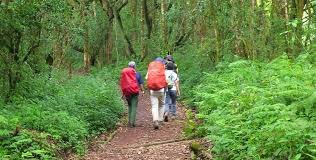
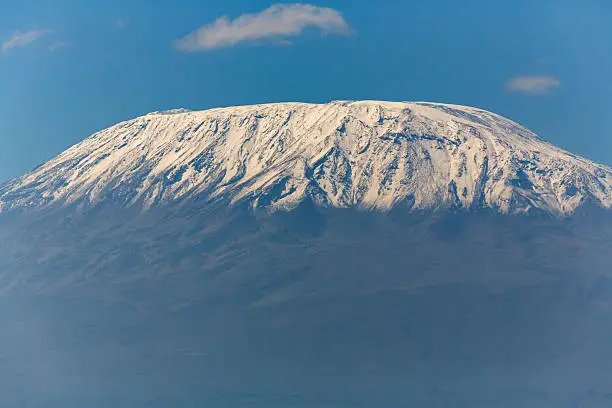
The tour begins at Rongai Gate, where you register and are greeted by your guide team. The climb takes about 4–5 hours through gentle hill country, light forest, and offers first views of Kilimanjaro. On arrival at Simba Camp, you rest and enjoy the sunset over the mountain.
Day 2: Simba Camp – Second Cave Camp (2,800m – 3,600m)
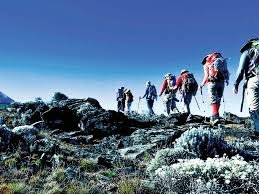
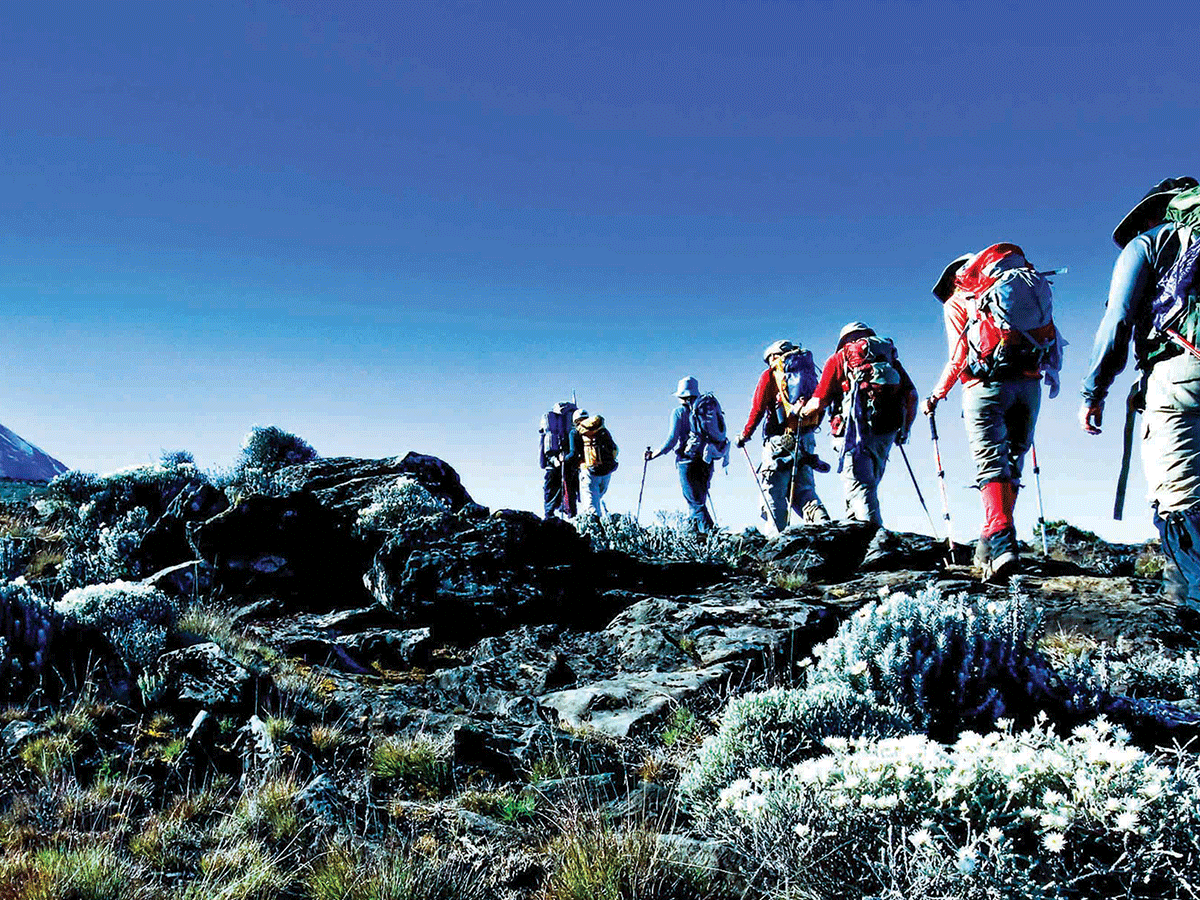
You hike through alpine heath and open highlands to Second Cave. The hike takes about 5–6 hours, partly steep, offering beautiful views of Kilimanjaro. On arrival at camp, enjoy the tranquility and the scenic surroundings.
Second Cave – Kikelewa Camp (3,600m – 4,200m)
Today you continue climbing to the rocky highlands to Kikelewa Camp. The hike takes about 5–6 hours, passing lava fields, alpine heath and small streams. The day also aids further acclimatization.
Kikelewa Camp – Mawenzi Tarn Camp (4,200m – 4,500m)
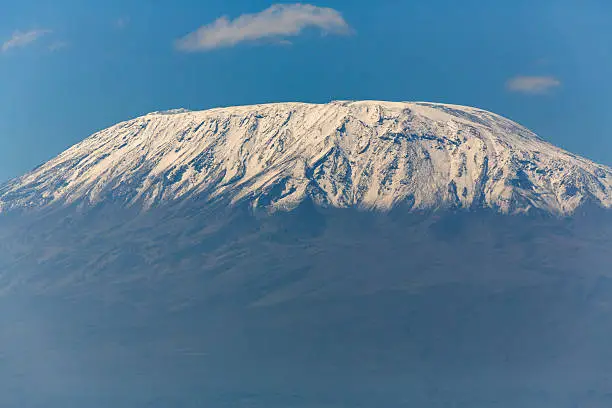
You continue to Mawenzi Tarn Camp, a picturesque high camp beneath the imposing Mawenzi Peak. The hike takes 4–5 hours. Here you spend the night and enjoy the view of Kilimanjaro's summit region.
Day 5: Mawenzi Tarn Camp – Barafu Camp (4,500m – 4,600m)
Today's short climb takes you to Barafu Camp, the starting point for the night summit climb. The route is moderate, but the altitude requires rest and caution. At Barafu Camp you refuel and prepare for summit night.
Day 6: Barafu Camp – Uhuru Peak – Mweka Camp (4,600m – 5,895m – 3,100m)
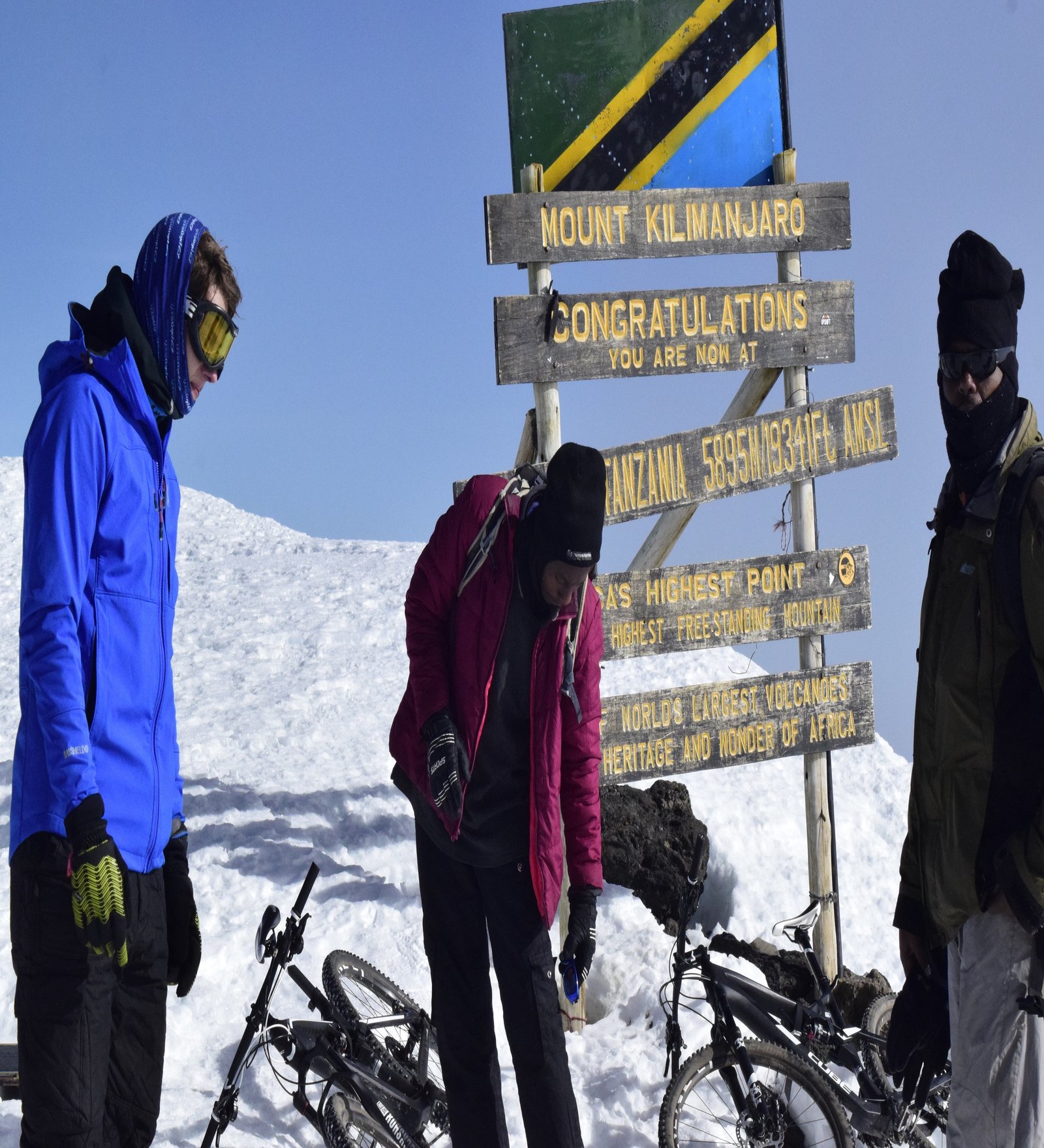
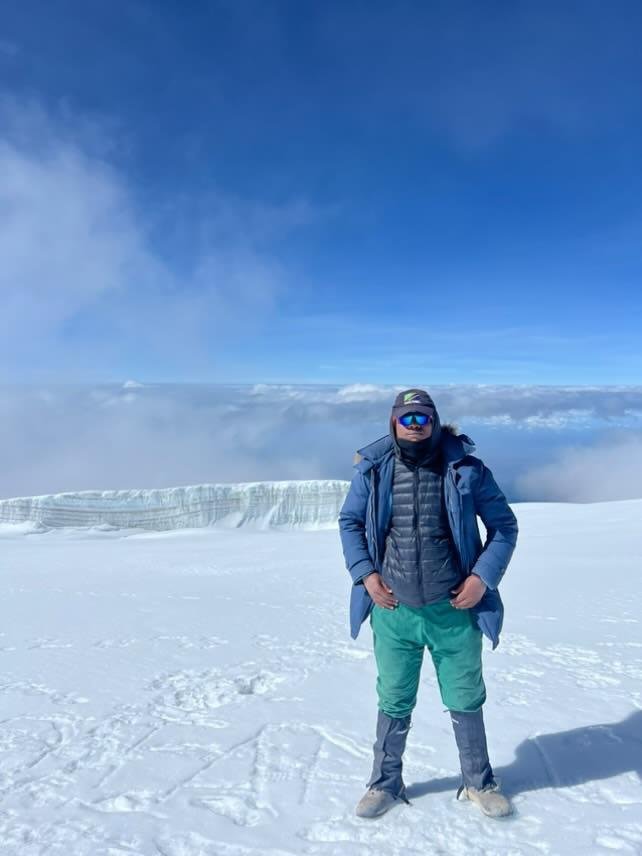
The summit tour starts very early, around midnight. You hike through rocky lava fields and steep sections to Uhuru Peak. The sunrise above the clouds is an unforgettable experience. After the summit you descend to Barafu Camp, eat something, and then continue to Mweka Camp through lush vegetation.
Day 7: Mweka Camp – Mweka Gate – Arusha (3,100m – 1,860m)
On the last day you hike 3–4 hours back to Mweka Gate, receive your summit certificate, and then transfer to Arusha or your hotel. Your 7-day Rongai Kilimanjaro tour ends full of unforgettable experiences, impressive landscapes and the triumph of conquering Africa's highest mountain.
What's Included & Excluded
Know exactly what your package covers
Included
- Kilimanjaro National Park entry & camping/hut fees
- KPAP-certified mountain guides, cooks and porters
- All meals on the mountain (breakfast, packed lunch, dinner, hot drinks)
- Mountain camping equipment or hut accommodation (route-dependent)
- Treated drinking water throughout the climb
- Government rescue fees
- Airport transfer on arrival/departure
- Pre-climb briefing and equipment check
Not Included
- International flights
- Tanzania visa
- Travel & medical evacuation insurance
- Tips for guides, cooks and porters
- Personal climbing gear (boots, jacket, sleeping bag)
- Alcoholic drinks and snacks
- Hotel accommodation before/after the climb (unless stated)
Best Time to Travel
The clearest, driest climbing conditions fall in two windows: late June through October, and January to mid-March. Kilimanjaro can be climbed year-round, but the short and long rains (November, and April-May) bring wetter trails and lower summit visibility.
Camping (mountain tents, full trekking crew)
Full board on the mountain, prepared by our mountain cooks
What to Pack
Suggested gear for this trip
You Might Also Like
Similar tours our guests love
Get a Free Quote
Tell us about your trip and we'll get back to you within 24 hours — or message us on WhatsApp for a faster reply.