








 Ngorongoro Conservation Area
 Volcanoes National Park









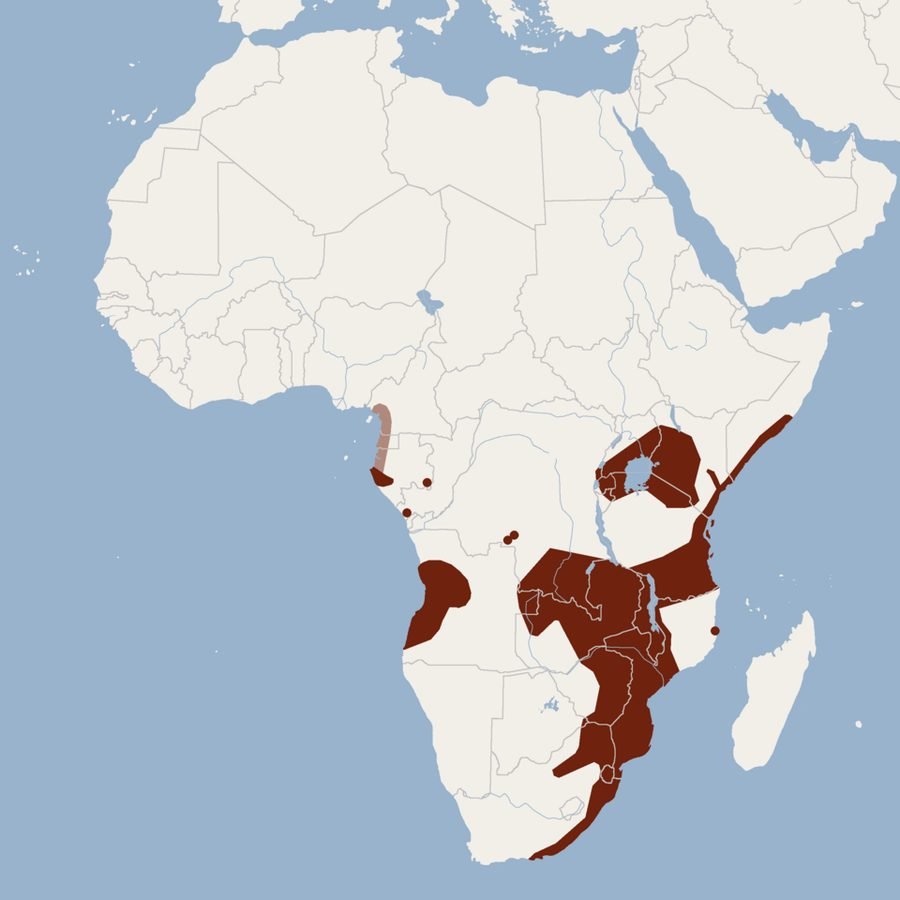
Kilimanjaro AnimalsPteropodidae
Pteropodidae on Mount Kilimanjaro
About Pteropodidae on Kilimanjaro
What makes this family special on the mountain
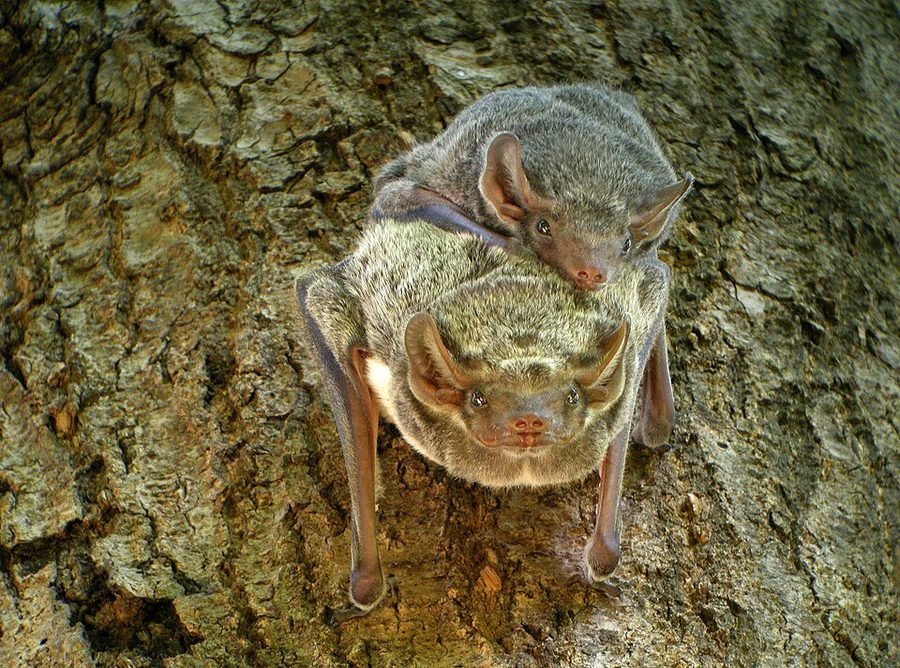
Fruit bats that act as pollinators and seed dispersers in the mountain ecosystem.
This family is represented in the Kilimanjaro ecological landscape by 5 published species. Each species has its own card and profile, with an accepted scientific name, family placement and occurrence evidence drawn from documented mountain records.
How these records are classified
- Confirmed mountain record: documented in recent Kilimanjaro research.
- Historical mountain record: supported by named-locality historical accounts.
- Mountain or habitat level: no route-specific occurrence is claimed.
- No sighting is guaranteed on any named climbing route.
Habitats Used by Pteropodidae
Habitat, not altitude alone, shapes occurrence
Woodland
Recorded habitat associated with species in this family in the Kilimanjaro ecological landscape.
Cultivated landscapes
Recorded habitat associated with species in this family in the Kilimanjaro ecological landscape.
Montane forest
Recorded habitat associated with species in this family in the Kilimanjaro ecological landscape.
Species in This Family
5 verified Pteropodidae species — click any card to learn more
Little Epauletted Fruit Bat
Epomophorus labiatus Profile in preparation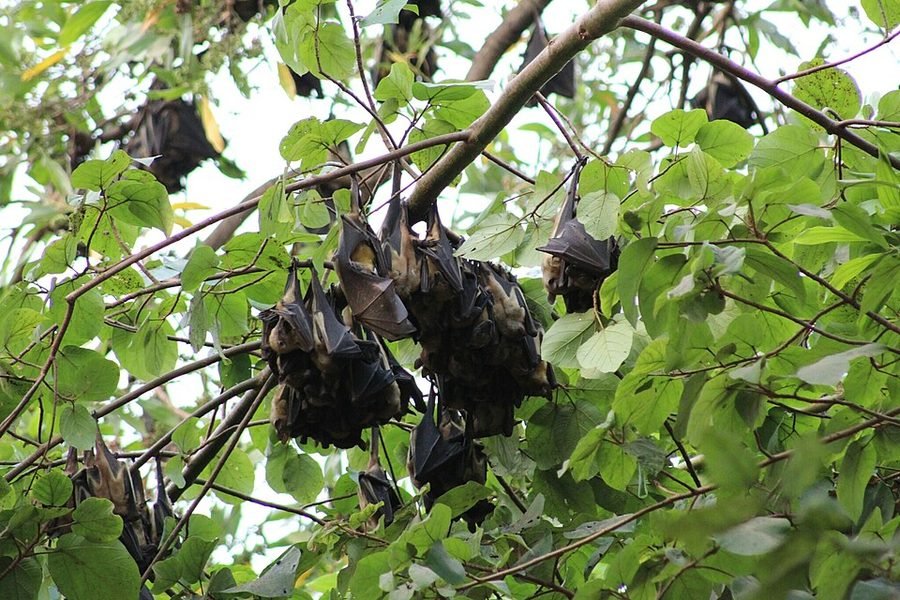
Straw-coloured Fruit Bat
Eidolon helvum Profile in preparation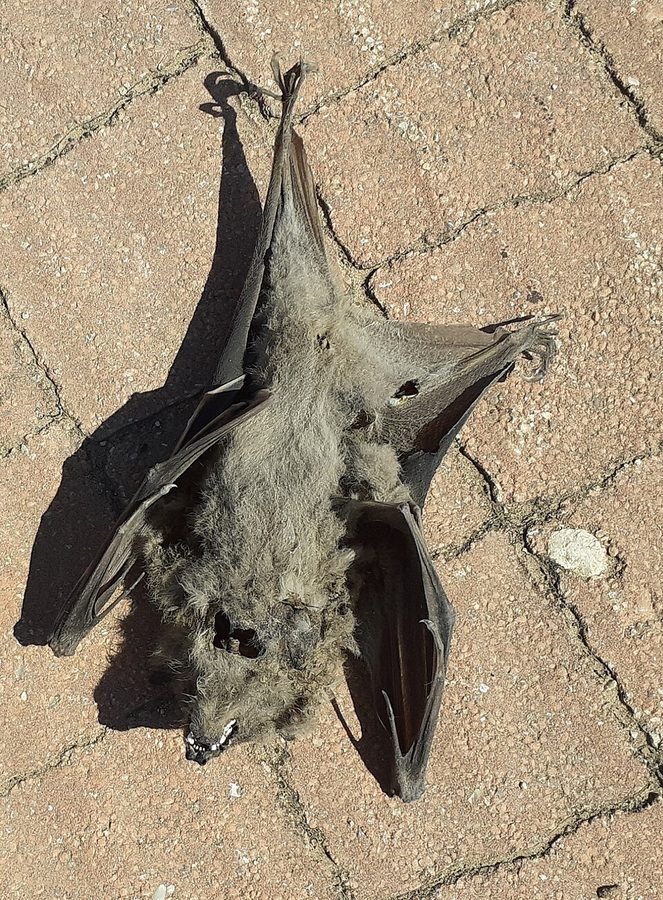
Egyptian Fruit Bat
Rousettus aegyptiacus Profile in preparationAngolan Fruit Bat
Rousettus angolensis Profile in preparation
African Long-haired Fruit Bat
Rousettus lanosus Profile in preparationWatching This Family Responsibly
Observe quietly and keep a safe distance
Never feed animals
Feeding changes natural behaviour and can harm wildlife.
Keep your distance
Do not approach, chase, touch or handle wild animals.
Respect night-time animals
Avoid shining bright lights directly at nocturnal wildlife.
Leave no waste
Carry out food waste and follow guide and park instructions.
Frequently Asked Questions
About Pteropodidae on Kilimanjaro
How many Pteropodidae species are recorded on Kilimanjaro?
5 species in the family Pteropodidae are included in this evidence-backed directory.
Which species are included?
Little Epauletted Fruit Bat, Straw-coloured Fruit Bat, Egyptian Fruit Bat, Angolan Fruit Bat, African Long-haired Fruit Bat.
Are all of these animals found on every Kilimanjaro route?
No. Records are documented at mountain or habitat level. No named route, camp or viewpoint is independently verified as a guaranteed sighting location.
Are wildlife sightings guaranteed?
No. Encounters depend on habitat, season, weather and animal behaviour.
Which habitats do members of this family use?
Woodland, Cultivated landscapes, Montane forest. Habitats are listed only where supported by the underlying records.
Are these current sightings or historical records?
The directory separates confirmed mountain records from historical mountain records. Each card shows its occurrence evidence.
Can visitors see these animals while climbing?
Some species may be encountered in suitable habitat, especially on the lower slopes and in the montane forest, but no sighting can be promised.
How can visitors watch wildlife responsibly?
Observe quietly from a safe distance, never feed or approach animals, carry out waste and follow authorised guide and park instructions.









Explore Kilimanjaro Wildlife
Discover the mountain's animals responsibly with knowledgeable local guides.