



 Ngorongoro Conservation Area
 Volcanoes National Park

Kilimanjaro AnimalsSoricidae
Soricidae on Mount Kilimanjaro
About Soricidae on Kilimanjaro
What makes this family special on the mountain
Small insect-eating mammals that are an easily overlooked part of Kilimanjaro’s biodiversity.
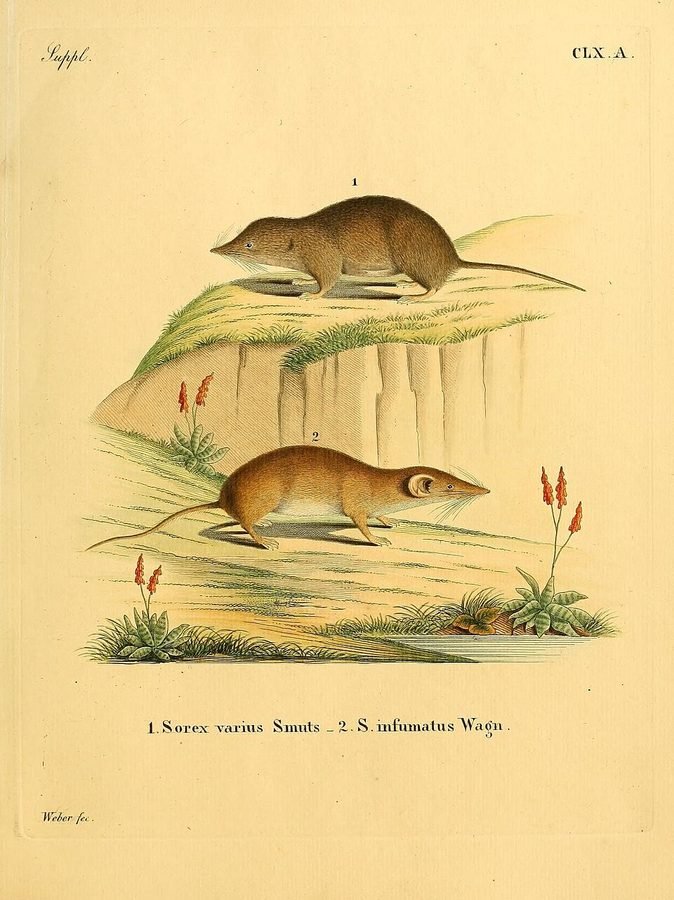
This family is represented in the Kilimanjaro ecological landscape by 7 published species. Each species has its own card and profile, with an accepted scientific name, family placement and occurrence evidence drawn from documented mountain records.
How these records are classified
- Confirmed mountain record: documented in recent Kilimanjaro research.
- Historical mountain record: supported by named-locality historical accounts.
- Mountain or habitat level: no route-specific occurrence is claimed.
- No sighting is guaranteed on any named climbing route.
Habitats Used by Soricidae
Habitat, not altitude alone, shapes occurrence
Montane forest
Recorded habitat associated with species in this family in the Kilimanjaro ecological landscape.
Moorland
Recorded habitat associated with species in this family in the Kilimanjaro ecological landscape.
Forest edge
Recorded habitat associated with species in this family in the Kilimanjaro ecological landscape.
Woodland
Recorded habitat associated with species in this family in the Kilimanjaro ecological landscape.
Species in This Family
7 verified Soricidae species — click any card to learn more
Kilimanjaro Mouse Shrew
Myosorex zinki Profile in preparation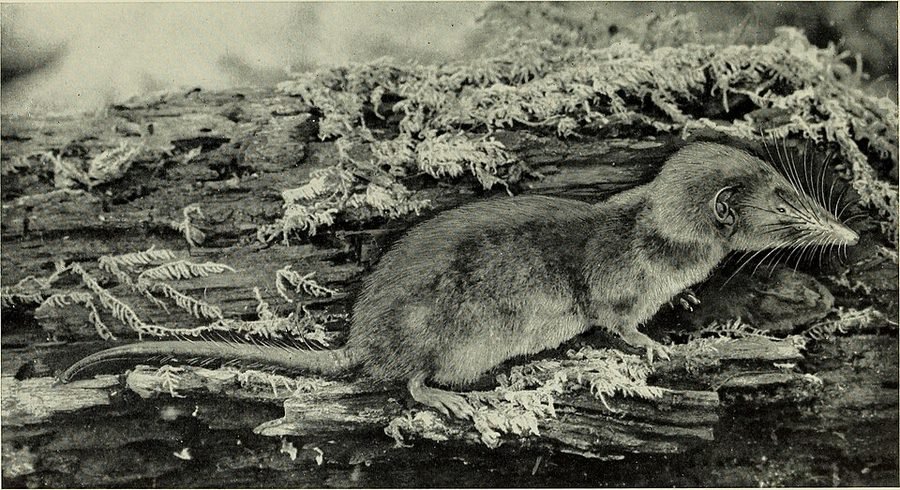
Allex’s Shrew
Crocidura allex Profile in preparationHildegarde’s Shrew
Crocidura hildegardeae Profile in preparationMonax Shrew
Crocidura monax Profile in preparation
African Giant Shrew
Crocidura olivieri Profile in preparation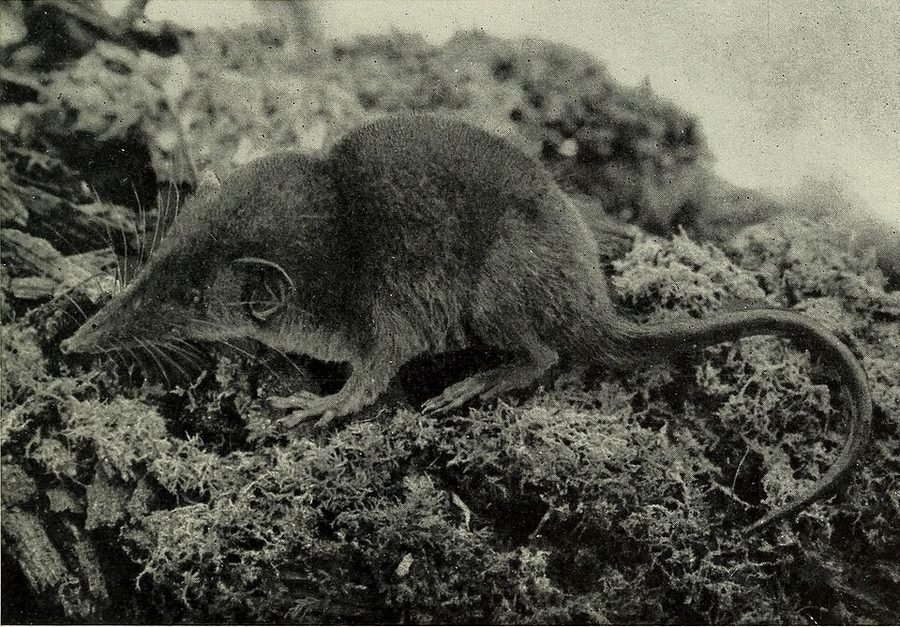
Grant’s Shrew
Sylvisorex granti Profile in preparationGreater Grey-brown Musk Shrew
Crocidura luna Profile in preparationWatching This Family Responsibly
Observe quietly and keep a safe distance
Never feed animals
Feeding changes natural behaviour and can harm wildlife.
Keep your distance
Do not approach, chase, touch or handle wild animals.
Respect night-time animals
Avoid shining bright lights directly at nocturnal wildlife.
Leave no waste
Carry out food waste and follow guide and park instructions.
Frequently Asked Questions
About Soricidae on Kilimanjaro
How many Soricidae species are recorded on Kilimanjaro?
7 species in the family Soricidae are included in this evidence-backed directory.
Which species are included?
Kilimanjaro Mouse Shrew, Allex’s Shrew, Hildegarde’s Shrew, Monax Shrew, African Giant Shrew, Grant’s Shrew, Greater Grey-brown Musk Shrew.
Are all of these animals found on every Kilimanjaro route?
No. Records are documented at mountain or habitat level. No named route, camp or viewpoint is independently verified as a guaranteed sighting location.
Are wildlife sightings guaranteed?
No. Encounters depend on habitat, season, weather and animal behaviour.
Which habitats do members of this family use?
Montane forest, Moorland, Forest edge, Woodland. Habitats are listed only where supported by the underlying records.
Are these current sightings or historical records?
The directory separates confirmed mountain records from historical mountain records. Each card shows its occurrence evidence.
Can visitors see these animals while climbing?
Some species may be encountered in suitable habitat, especially on the lower slopes and in the montane forest, but no sighting can be promised.
How can visitors watch wildlife responsibly?
Observe quietly from a safe distance, never feed or approach animals, carry out waste and follow authorised guide and park instructions.









Explore Kilimanjaro Wildlife
Discover the mountain's animals responsibly with knowledgeable local guides.