.jpg)
.jpg)
 Ngorongoro Conservation Area
 Volcanoes National Park
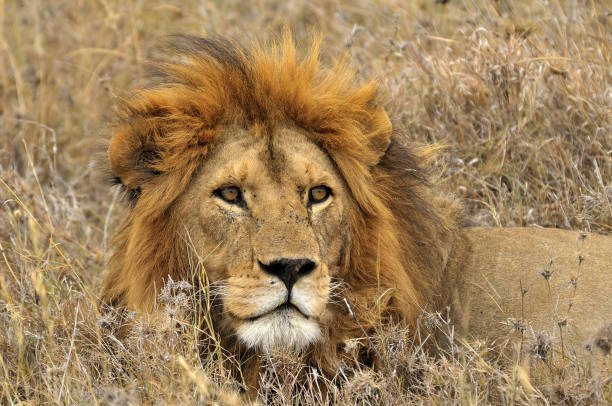
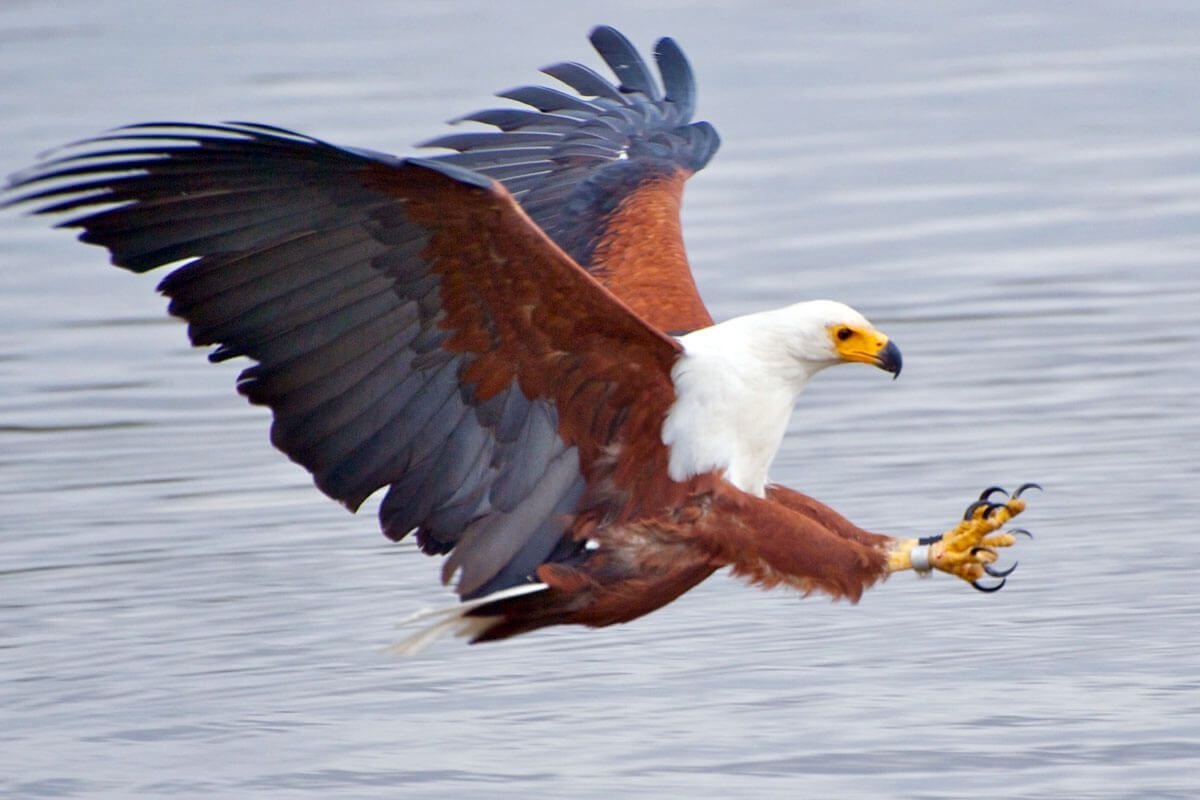
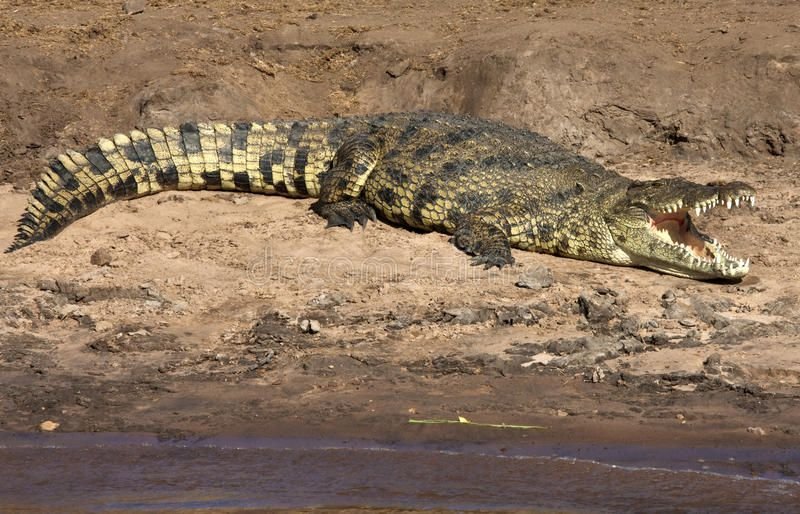
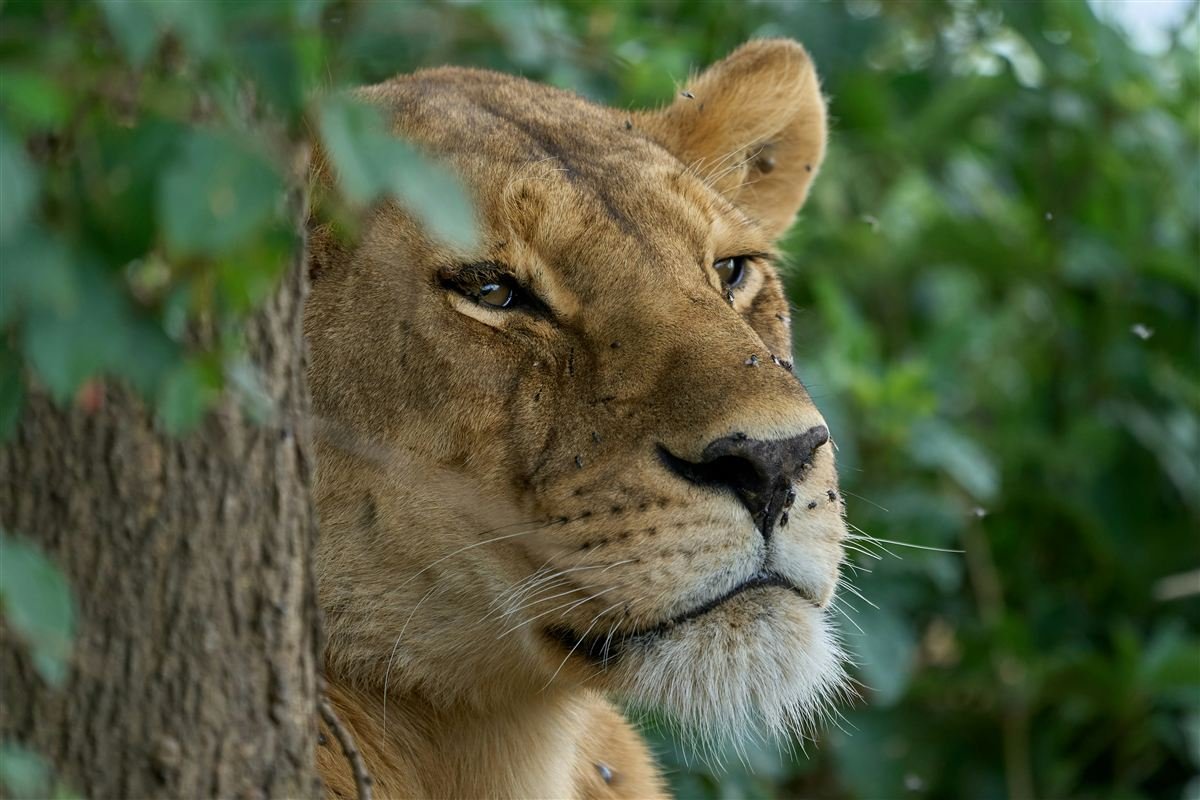
Two legendary names. One continuous ecosystem. But the experience on each side of the Kenya–Tanzania border could not be more different. This is the ultimate, no-nonsense comparison of Africa's two greatest safari destinations.
Kenya's Masai Mara and Tanzania's Serengeti are actually part of the same vast ecosystem, separated only by an invisible border. The wildebeest don't know there's a line — they cross it twice a year as part of the Great Migration. Yet for travellers, the experience on each side differs enormously in scale, wildlife density, cost, accessibility, and even the type of safari vehicle you'll ride in.
Should you choose Kenya's compact, action-packed Mara or Tanzania's vast, wild Serengeti? The answer depends entirely on your budget, how much time you have, what kind of landscape you crave, and whether you want maximum wildlife encounters in a short window or the feeling of being completely alone in an endless wilderness. This guide breaks down every meaningful difference using real data on wildlife populations, park fees, travel times, accommodation availability, and insider knowledge from guides who have spent decades on both sides of the border.
At a Glance: Quick Comparison Table
| Factor | Masai Mara (Kenya) | Serengeti (Tanzania) |
|---|---|---|
| Size | ~1,510 km² (reserve + conservancies) | ~14,750 km² — nearly 10× larger |
| Wildlife Density | Extremely high — animals concentrated in a smaller area | Lower — animals spread across vast plains |
| Lion Sightings | ~94% success rate (4–5 sightings per drive) | ~78% success rate (2–3 sightings per drive) |
| Leopard Sightings | ~41% sighting rate | ~62% — Seronera Valley is one of Africa's best leopard spots |
| Cheetah Sightings | ~67% (1.5 sightings per drive) | ~71% (1.8 per drive) — better for cheetahs on open plains |
| Migration Timing | July–October (peak river crossings) | December–July (calving, plains movement, Grumeti) |
| Entry Fee (Adult/24h) | Low season: $100; Peak: $200 | $70–$83 + ~$71 concession/night if staying inside |
| Typical Daily Cost (Mid-Range) | $300–$600 per person | $400–$800 per person |
| Drive from Capital | 5–6 hours from Nairobi | 8–10 hours from Dar es Salaam / 6–8 hours from Arusha |
| Flight from Capital | ~45 minutes from Nairobi (Wilson Airport) | 1.5–3 hours from Arusha or Dar es Salaam |
| Off-Road Driving | Yes, allowed in conservancies | No — strictly on designated roads |
| Night Drives | Yes, in private conservancies | Not permitted |
| Walking Safaris | Yes, in conservancies | Limited |
The Single Biggest Difference: Size & Density
The Serengeti is roughly 14,750 square kilometres — about 10 times larger than the Masai Mara's 1,510 square kilometres. That single fact shapes everything. In the Mara, you are rarely more than an hour from any part of the reserve. When a guide hears a leopard sighting on the radio, you can be there in 20 minutes. Predators and prey are concentrated because the space is compact. On a 3-day Mara safari, you can cover most of the reserve and see an extraordinary amount of wildlife.
In the Serengeti, you can drive for two hours and see nothing but grass and sky — then crest a ridge and find the plain below black with wildebeest from horizon to horizon. The emptiness is part of the Serengeti's appeal. The density is the Mara's superpower.
The Great Migration: Timing Is Everything
The Great Wildebeest Migration involves roughly 1.5 million wildebeest, plus hundreds of thousands of zebras and gazelles, moving in a continuous circuit between the Serengeti and the Masai Mara, following the rains. The herds spend about 9 months in the Serengeti and only 3–4 months in the Masai Mara. But the Mara's short window delivers the most dramatic spectacle: the river crossings.
| Season | Location | What to Expect |
|---|---|---|
| January–March | Southern Serengeti (Ndutu Plains) | Calving season — ~8,000 calves born daily. Intense predator action as lions, cheetahs, and hyenas target newborns. |
| April–May | Central & Western Serengeti (Grumeti River) | Herds move north. First river crossings at Grumeti — less dramatic than Mara but still excellent. |
| June–July | Northern Serengeti (Kogatende) | Herds gather at the Mara River on the Tanzanian side, preparing to cross into Kenya. |
| July–October | Masai Mara (Mara River) | Peak migration in Kenya. Dramatic river crossings — crocodile attacks, chaos, and the most intense predator action anywhere. August–September are the prime weeks. |
| November–December | Eastern Serengeti | Herds return south following the short rains, completing the circular route. |
River Crossings: The Mara River vs. Grumeti River
The Mara River crossings are the headline event. When wildebeest gather on the banks, then plunge into crocodile-infested waters, the chaos is unforgettable. However, crossings are not guaranteed — some travellers wait for days and see nothing. The Grumeti River crossings (in the Serengeti's Western Corridor, June–July) are less famous but often more reliable.
If you have only four days and your dream is a crossing, the Mara during August–September is your best bet. If you have a week or more and want to see the full arc of the migration, the Serengeti's calving season (January–February) or the Grumeti crossings (June–July) offer extraordinary action without the crowds.
Wildlife: Where Will You See the Most Animals?
Both parks are home to the Big Five (lion, leopard, elephant, buffalo, rhino). But the density and likelihood of sightings differ significantly due to the size difference.
| Animal | Masai Mara | Serengeti | Which Is Better? |
|---|---|---|---|
| Lions | ~850–900 lions in 1,510 km² = 1 lion per ~1.7 km² — exceptionally dense; ~94% sighting rate | ~3,000+ lions in 14,750 km² = 1 lion per ~5 km² — still excellent, but lower density than Mara | Masai Mara — more sightings per drive |
| Leopards | ~41% sighting rate (0.8 per drive); good sightings but requires luck | ~62% sighting rate (1.2 per drive); Seronera Valley is a leopard hotspot | Serengeti — better leopard success rate |
| Cheetahs | ~67% sighting rate (1.5 per drive) | ~71% sighting rate (1.8 per drive) — open plains favour cheetahs | Serengeti — slightly higher success |
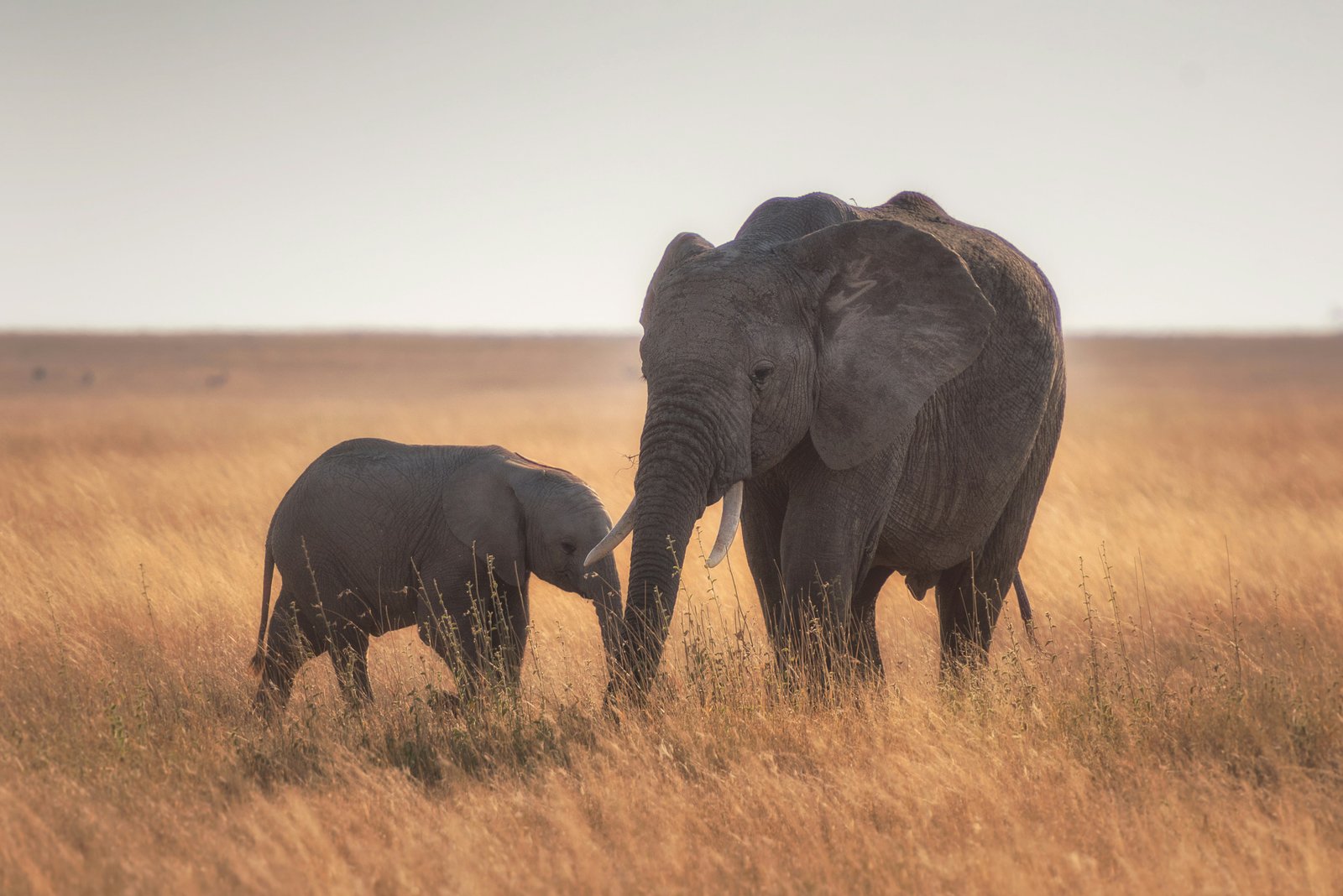
| Elephants | Large herds (40–60 individuals) — good sightings | Smaller herds (20–30 individuals) | Masai Mara — bigger herds |
| Rhinos | Rare, but more commonly seen in Mara Triangle conservancies | Very rare, restricted to protected zones | Masai Mara — slightly better odds |
| Bird Species | ~400+ species recorded | ~500+ species recorded | Serengeti — more bird diversity |
| Predator Success Rate Overall | Higher overall due to density — you will almost certainly see lions, hyenas, and likely leopards | Excellent but requires more driving between sightings | Masai Mara for big cats; Serengeti for leopard specialists |
Raw Numbers from a 2024 Season Analysis (Based on 180 Game Drives)
According to data collected by guides operating in both parks during the 2024 season:
- Lions: Masai Mara 94% (4–5 sightings per drive) vs. Serengeti 78% (2–3 sightings per drive) — you will see lions more often in the Mara.
- Leopards: Masai Mara 41% (0.8 per drive) vs. Serengeti 62% (1.2 per drive) — the Seronera Valley in central Serengeti is one of Africa's best leopard spotting locations.
- Cheetahs: Masai Mara 67% (1.5 per drive) vs. Serengeti 71% (1.8 per drive) — the Serengeti's open plains suit cheetahs better.
These numbers confirm that if your priority is big cats, you cannot go wrong with either park — but the Mara delivers more lion sightings per day, while the Serengeti offers better leopard and cheetah odds.
Cost Comparison: Which Safari Is More Affordable?
Kenya is generally 15–30% cheaper than Tanzania for an equivalent safari quality. The main reasons: lower park fees in the Masai Mara during low season, shorter travel distances reducing vehicle costs, and a wider range of budget accommodation options just outside the reserve gates.
| Cost Factor | Masai Mara (Kenya) | Serengeti (Tanzania) |
|---|---|---|
| Park Entry Fee (Adult/24h) | $100 (Jan–Jun), $200 (Jul–Dec) | $70–$83 (entry) + ~$71/night concession fee if staying inside |
| 3-Day Safari (Budget) | From $650–$1,200 per person | From $1,800–$2,500 per person |
| 3-Day Safari (Mid-Range) | $1,200–$1,800 per person | $2,200–$3,500 per person |
| 5-Day Safari (Mid-Range) | $2,200–$3,500 per person | $3,500–$5,500 per person |
| Internal Flight (Round Trip) | $280–$450 (Nairobi–Mara) | $600–$900 (Arusha/Serengeti) — significantly higher |
| Budget Accommodation Options | Wide range near park gates, budget campsites available | More limited; affordable lodges start at $150–$200/night |
| Vehicle Crowding | Main reserve can get crowded at river crossings; conservancies quieter | Vast space reduces crowding, except central Seronera during peak |
Serious Photographers & Budget-Conscious Travellers
If you are pinching pennies, the Serengeti is not your first choice. The internal flights alone will cost you USD 600–900 round trip before you have seen a single lion. Stick to the Masai Mara and spend that extra money on a better guide — it will change your trip more than a fancy pillow will.
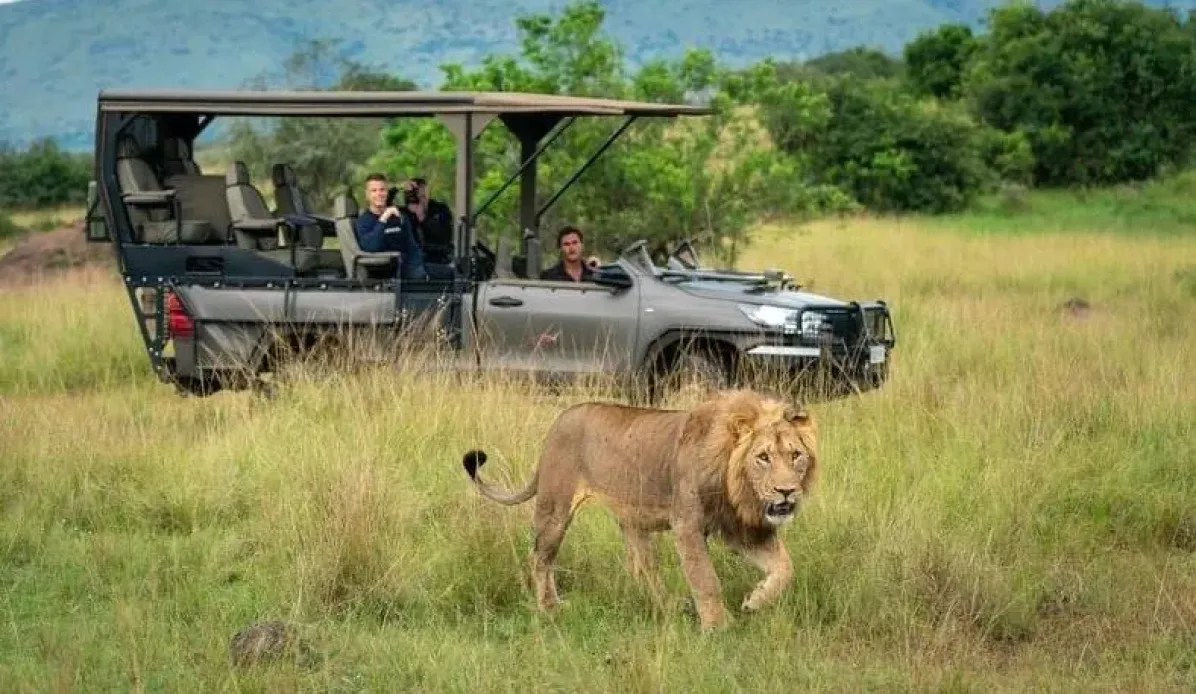
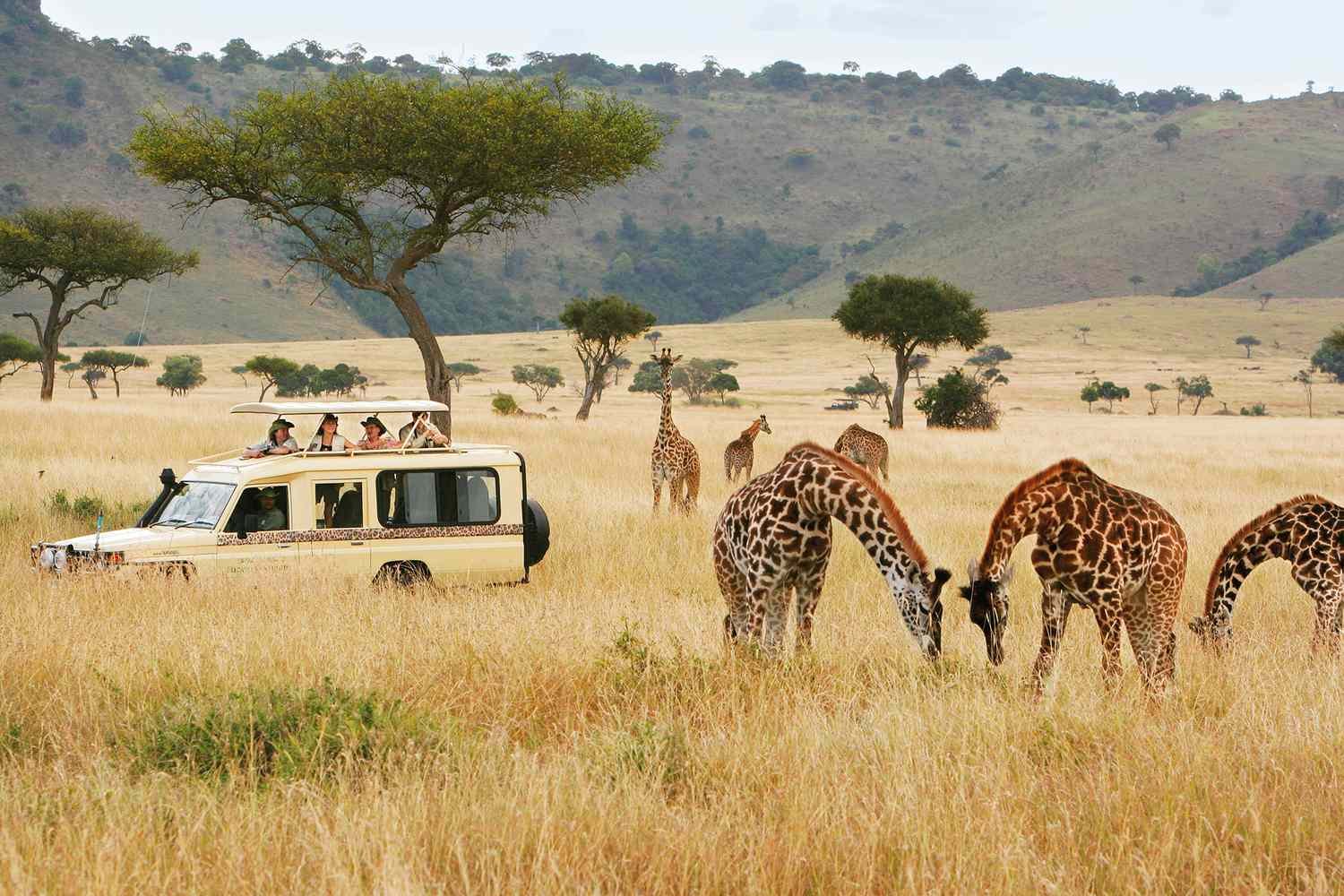
For photographers: in Kenya, if you fly into a Mara camp, you will use open-sided vehicles with no windows, giving you unobstructed 360-degree angles, low shots, and no glass reflections. In Tanzania, 90% of safari vehicles are closed with pop-up roofs — you shoot from the roof hatch, shooting down, which is far less ideal for professional photography.
Accessibility: Getting There and Getting Around
Both parks are best accessed from their respective tourism capitals: the Masai Mara from Nairobi, Kenya; the Serengeti from Arusha, Tanzania. The time and cost to reach the parks differ significantly.
| Access Method | Masai Mara | Serengeti |
|---|---|---|
| Road from Capital | 5–6 hours from Nairobi | 8–10 hours from Arusha (road is rough and long) |
| Flight from Capital | ~45 minutes from Nairobi (Wilson Airport) — very convenient | 1.5–3 hours from Arusha or Dar es Salaam — less frequent flights |
| Road Quality | Generally good paved road to gates; internal roads can be bumpy | Long unpaved sections; variable, can be extremely rough |
| Daylight Travel Only Recommended? | Yes — no night driving on park roads; road transfers also best done in daylight | Yes, same advice |
The Short-Trip Advantage: For short holidays or 3-day safari trips, the Masai Mara offers far greater convenience and flexibility, making it ideal for travellers with limited time. The Serengeti's vastness and longer travel times mean you should ideally plan at least 5–7 days to make the journey worthwhile.
Landscape & Safari Experience: What Do You Want to See?
The landscapes of these two parks are dramatically different, and your preference between them may be the deciding factor.
Masai Mara: Rolling hills, riverine forests along the Mara and Talek rivers, tall grass (60–90cm during wet season), acacia woodlands. The Mara's beauty is softer and greener — rolling green hills and lush riparian forests snaking along the river. It feels exactly like a nature documentary.
Serengeti: Flat open plains stretching 50+ km uninterrupted, rocky kopjes (granite outcrops) jutting from the flat plains, shorter grass (30–50cm) in southern plains, volcanic soil in northern regions. The Serengeti gives you that wide-open African plains feeling you see in documentaries — endless horizons, a sense of being truly small.
Which Is Better for Photography?
Masai Mara (Kenya conservancies): Open-sided vehicles, no glass between you and the subject. You can shoot at any angle, get low, stick your lens wherever you want. Low-angle shots are possible — a huge advantage for professional photographers.
Serengeti (Tanzania): 90% of safari vehicles are closed with pop-up roofs. You photograph from the roof hatch, shooting down. For serious photography, the Mara's open-sided setup is superior — especially for lion and leopard portraits at eye level.
Crowds & Exclusivity: Private Conservancies Change Everything
One of the most important factors in choosing between the Mara and Serengeti is how many other vehicles you will see during your game drives. This is where private conservancies have revolutionised the Masai Mara experience.
Private Conservancies: The Mara's Secret Weapon
The main Masai Mara National Reserve can get crowded during peak migration months, especially at river crossings. However, the Mara's private conservancies (such as Mara North, Naboisho, Olare Motorogi, and Ol Kinyei) are a different world. These areas have strict limits on the number of vehicles allowed per sighting — often only 2–3 vehicles at a time. They also permit off-road driving, night drives, and guided walking safaris — activities that are completely prohibited inside the Serengeti National Park.
If exclusivity and a truly private safari experience matter to you, the Mara's conservancies are unmatched. The Serengeti's vastness does reduce crowding compared to its size, but the central Seronera region can be busy during peak seasons.
| Activity | Masai Mara (Public Reserve) | Masai Mara (Private Conservancies) | Serengeti National Park |
|---|---|---|---|
| Off-road driving | Not permitted | Yes — major advantage for photography | Not permitted |
| Night drives | Not permitted | Yes — excellent for spotting nocturnal predators | Not permitted |
| Walking safaris | Not permitted | Yes — guided bush walks available | Limited |
| Vehicle limits at sightings | Unlimited (can get crowded) | Strict (2–3 vehicles max) | Unlimited |
Cultural Experience: Masai Warriors & the Human Connection
The Masai Mara is named after the Maasai people, who have lived in harmony with wildlife for centuries. In the Mara, you have abundant opportunities to visit authentic Maasai villages, learn about their traditional pastoralist lifestyle, see their jumping dances, and purchase handmade crafts. This cultural element is woven directly into the Mara experience.
The Serengeti, while also within Maasai territory, does not offer the same easy access to village visits — most cultural tours must be arranged separately in Arusha before or after your safari.
Frequently Asked Questions About Masai Mara vs Serengeti
Which park has more animals — Masai Mara or Serengeti?
Both have abundant wildlife. The Masai Mara has higher wildlife density because it is ten times smaller, so you will see animals more frequently and in a shorter time. The Serengeti has more animals overall, but they are spread out over a vast area.
Which is cheaper — Masai Mara or Serengeti?
The Masai Mara is generally 15–30% cheaper. Lower park fees ($100–200/day vs. $83+$71 concession), shorter travel distances, and more budget accommodation options make Kenya more affordable for equivalent safari quality.
When is the best time to see the river crossings?
The Mara River crossings in the Masai Mara peak between August and September. This is the most dramatic migration event, but it is also the busiest and most expensive time. For fewer crowds, consider the Grumeti River crossings in the Serengeti (June–July).
Which is better for photographers?
The Masai Mara's private conservancies offer open-sided vehicles with no glass between you and the subject — ideal for low-angle, unobstructed shots. The Serengeti's pop-up roof vehicles are less ideal. For professional photography, the Mara wins.
Can I combine Masai Mara and Serengeti in one trip?
Yes, many travellers combine both parks in a single itinerary. A typical combined safari includes 3–4 days in the Masai Mara followed by 3–4 days in the Serengeti, with a road or flight transfer between them. This gives you the best of both worlds.
Which is better for a first-time safari visitor?
The Masai Mara is generally better for first-time visitors. It is more accessible from Nairobi, the wildlife is more concentrated, and you can see an extraordinary amount in just 3–4 days. The Serengeti rewards more time (5–7 days minimum) and is better suited to experienced safari-goers.
Final Verdict: Which Should You Choose?
There is no single "better" destination — only what is right for you. Here is the honest guide to making your choice.
Choose the Masai Mara if:
- You have limited time (3–5 days) and want maximum wildlife sightings in a short window.
- Budget is a priority — the Mara is significantly cheaper than the Serengeti.
- You are a serious photographer and want open-sided vehicles for low-angle, unobstructed shots.
- Your dream is to witness the dramatic Mara River crossings (August–September).
- You want to experience authentic Maasai culture alongside your safari.
- Exclusivity is important — the Mara's private conservancies offer off-road driving, night drives, and strict vehicle limits you will not find in the Serengeti.
Choose the Serengeti if:
- You have more time (5–10 days) and want to explore a vast, immersive wilderness.
- Your priority is leopards — the Seronera Valley is one of Africa's best leopard-spotting locations.
- You are a birdwatcher — the Serengeti has over 500 bird species vs. 400+ in the Mara.
- You want to see the calving season (January–March) — 8,000 calves born daily on the Ndutu Plains.
- You crave solitude, endless horizons, and the feeling of being completely alone in a pristine wilderness.
- You want a longer migration window — the Serengeti hosts the herds for 9 months of the year.
The truth is that both parks are world-class. Many seasoned safari travellers eventually visit both — often on a combined itinerary that gives you the Mara's compact intensity and the Serengeti's vast horizons in one unforgettable trip. Whether you stand on the Mara River's edge as wildebeest plunge past crocodiles, or watch the sun rise over the Serengeti's endless plains, you will have made the right choice. The only wrong choice is not going at all.
African Majestic Adventures's View: We operate safaris in Tanzania, giving us deep expertise in the Serengeti ecosystem. But we work closely with trusted partners in Kenya to offer combined Masai Mara-Serengeti itineraries when that is the right fit for our clients. Our honest advice: if you can spare 7–10 days, do both. The Mara and Serengeti are not rivals — they are two chapters of the same story. Contact us to design a custom itinerary that gives you the best of both sides of the border.