



 Ngorongoro Conservation Area
 Volcanoes National Park


Golden-winged Sunbird
Drepanorhynchus reichenowi
Recorded in Kilimanjaro field research
Golden-winged Sunbird — Quick Facts
Important notice
The published Kilimanjaro forest-bird study recorded the Golden-winged Sunbird between approximately 1,600 and 2,400 m on the western slope and around 1,500 m on the southern slope.
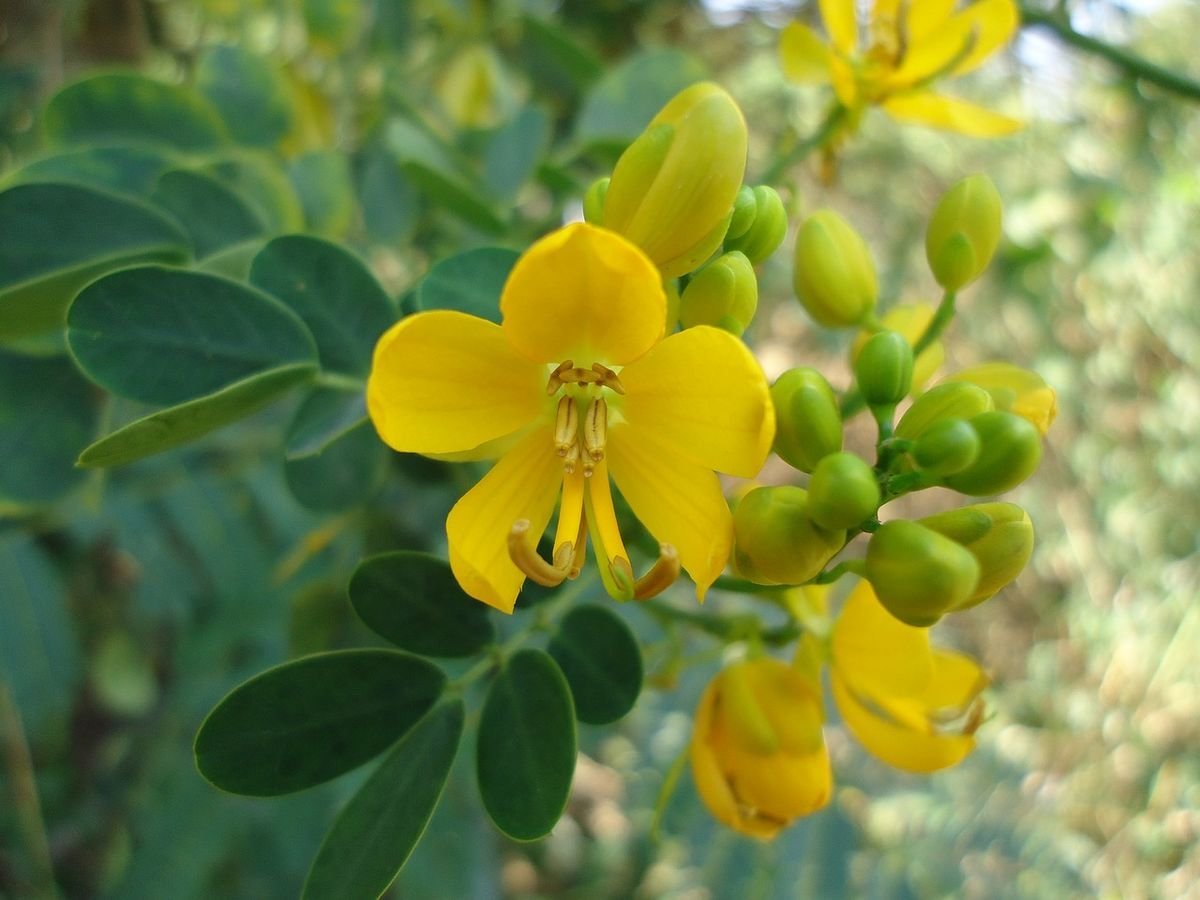
The study also recorded it feeding at Crotalaria and Leonotis plants in disturbed forest vegetation on the western slope.
These are field observations and should not be treated as the complete elevation range of the species.
Introduction
The Golden-winged Sunbird is a distinctive member of the sunbird family.
Its name refers to the golden-yellow wing markings that contrast with the darker body.
It is associated with flowering vegetation, particularly forest edges and woodland clearings where nectar-producing plants are available.
Like other sunbirds, it feeds on nectar but also catches insects.
Its presence in disturbed forest vegetation demonstrates how some sunbirds can use flowering plants growing in altered or open habitats.
How to Identify the Bird
Adult male
- Darker body with contrasting golden-yellow wing feathers.
- Slender, curved bill.
- Compact sunbird shape.
- Golden markings particularly visible when the wings are folded or spread.
Adult female
- Generally duller and less strongly contrasting.
- More subdued olive or brownish tones.
- Less conspicuous wing colouring.
Identification tip: Look for the combination of golden wing markings and a sunbird's long, curved bill. Always check the full body and head pattern before confirming an identification.
Habitat and Distribution on Mount Kilimanjaro
The Golden-winged Sunbird has direct field-study records on both western and southern slopes.
Published observations include:
- Western slope: approximately 1,600–2,400 m.
- Southern slope: approximately 1,500 m.
- Habitat: forest edge and woodland clearings.
The study also reported feeding at Crotalaria and Leonotis plants that dominated disturbed forest vegetation on the western slope.
These records support its occurrence in suitable flowering habitats around the mountain's forest belt.
Diet and Feeding Behaviour
The Golden-winged Sunbird feeds on:
- Nectar.
- Small insects.
- Other small invertebrates.
The Kilimanjaro study specifically recorded it feeding at Crotalaria and Leonotis.
It uses its curved bill to reach nectar and may also search around flowering vegetation for insects.
Flight and Behaviour
The Golden-winged Sunbird is an active bird that moves between flowering plants and perches.
It may make short flights to catch insects and can be observed around open vegetation near forest edges.
The golden wing markings are particularly useful when the bird moves between branches or changes its position.
Calls and Vocalisations
The Golden-winged Sunbird gives high-pitched calls and short twittering vocalisations.
A verified species-specific audio recording should be used for the website.
Avoid borrowing a call description from the Malachite, Tacazze or Red-tufted Sunbird.
Migration and Seasonal Presence
The Kilimanjaro field study does not establish a complete seasonal movement calendar.
Do not publish exact arrival and departure months.
Changes in the availability of flowering plants may influence feeding locations, but this should not be treated as proof of a fixed local migration pattern.
Breeding and Nesting
The Golden-winged Sunbird is a nest-building species.
However, a specific Kilimanjaro nesting location and breeding calendar are not established here.
Keep local breeding claims out of the page unless supported by an identifiable observation or published record.
Ecological Importance
The Golden-winged Sunbird is part of the mountain ecosystem through its nectar feeding and insect consumption.
Its visits to flowers can contribute to pollination.
Its documented feeding at Crotalaria and Leonotis also provides useful evidence of its relationship with flowering plants in disturbed forest-edge habitats.
Conservation
Golden-winged Sunbird is currently assessed as Least Concern on the IUCN Red List (2018 assessment).
Do not claim that the local Kilimanjaro population is increasing, decreasing or stable without local monitoring data.
The species depends on suitable flowering vegetation and access to nectar-producing plants.
Birdwatching on Kilimanjaro
Published research records the species on both western and southern slopes.
Useful habitats to observe include:
- Forest edges.
- Woodland clearings.
- Flowering shrubs.
- Disturbed forest vegetation.
Look for golden-yellow wing markings and listen for short, high-pitched calls.
Honest Expectations
The Golden-winged Sunbird is supported by published Kilimanjaro field records from two mountain slopes.
However, its occurrence at an individual camp or route section should not be guaranteed.
A clear photograph showing the golden wing markings is particularly useful for confirming an observation.
Golden-winged Sunbird - Frequently Asked Questions
Planning a birdwatching visit? These answers may help
What is the scientific name of the Golden-winged Sunbird?
Its scientific name is Drepanorhynchus reichenowi.
Which family does it belong to?
It belongs to the Nectariniidae family.
How large is the Golden-winged Sunbird?
It is approximately 12–14 cm long.
Why is it called the Golden-winged Sunbird?
Its name refers to the golden-yellow markings on its wings.
What makes the male distinctive?
The contrasting golden wing feathers and darker body.
What does the female look like?
The female is generally duller and less strongly contrasting than the male.
What does it eat?
It feeds on nectar and small insects.
Is it recorded on Mount Kilimanjaro?
Yes. Published research records it on both western and southern slopes.
What elevation records are available?
Approximately 1,600–2,400 m on the western slope and around 1,500 m on the southern slope.
Are these its complete elevation limits?
No. They are observations from the cited field study.
What habitat does it use?
It is associated with forest edges, woodland clearings and flowering vegetation.
Which plants were recorded as food sources on Kilimanjaro?
The study mentions Crotalaria and Leonotis.
Does it feed in disturbed forest vegetation?
Yes. The Kilimanjaro study recorded it feeding among flowering plants in disturbed forest vegetation.
Does it catch insects?
Yes. Insects are part of its diet.
Does it have a curved bill?
Yes. Its curved bill helps it reach nectar inside flowers.
What does its call sound like?
It gives high-pitched calls and short twittering vocalisations.
Is a Kilimanjaro nesting location known?
A specific local nest record is not established in this profile.
Does it contribute to pollination?
Its visits to flowering plants can contribute to pollination.
Where should birdwatchers look for it?
Suitable forest edges, woodland clearings and flowering vegetation on the western and southern slopes are supported by field research.
What is the best identification feature?
The golden-yellow wing markings contrasting with the darker body.
Related Kilimanjaro Bird Guides
Other guides from the Sunbirds family and the Kilimanjaro bird guide


Discover the Birds of Mount Kilimanjaro
Kilimanjaro is home to a remarkable range of birdlife, from highland forest specialists to migratory visitors crossing open landscapes. Explore the mountain with African Majestic Adventure and discover more about its wildlife and natural environments.