




 Ngorongoro Conservation Area
 Volcanoes National Park


Malachite Sunbird
Nectarinia famosa
Recorded in Kilimanjaro field research
Malachite Sunbird — Quick Facts
Important notice
The published Kilimanjaro study recorded a Malachite Sunbird at approximately 2,100 m on the western slope, feeding at Crotalaria flowers near the Londorosi pond.
This is a specific observation. It should not be described as proof of a widespread population throughout the mountain.
Introduction
The Malachite Sunbird is among the largest and most impressive members of the sunbird family.
The breeding male is almost entirely brilliant emerald-green, with a metallic sheen that can look spectacular in direct sunlight.
Its elongated central tail feathers and yellow pectoral tufts make it especially distinctive.
The female is considerably duller, with olive-brown upperparts and yellowish underparts.
Males can change appearance outside the breeding season, becoming much browner and resembling females, although some green feathering and the long tail may remain.
How to Identify the Bird
Adult male
- Brilliant metallic emerald-green body.
- Long central tail feathers.
- Yellow pectoral tufts.
- Long, curved bill.
- Large overall appearance.
Male outside breeding plumage
- Much browner overall.
- May retain green wing coverts and parts of the long tail.
- Can resemble the female at a distance.
Adult female
- Olive-brown upperparts.
- Yellowish or dull yellow underparts.
- Subtle facial markings.
- Shorter tail than the adult male.
Identification tip: The yellow pectoral tufts and brilliant green breeding plumage distinguish the Malachite Sunbird from the Red-tufted Sunbird, which has red tufts and a different highland distribution.
Habitat and Distribution on Mount Kilimanjaro
The Malachite Sunbird is associated with flowering vegetation in open highland habitats.
Published Kilimanjaro field research recorded it at approximately 2,100 m on the western slope, at the Londorosi pond.
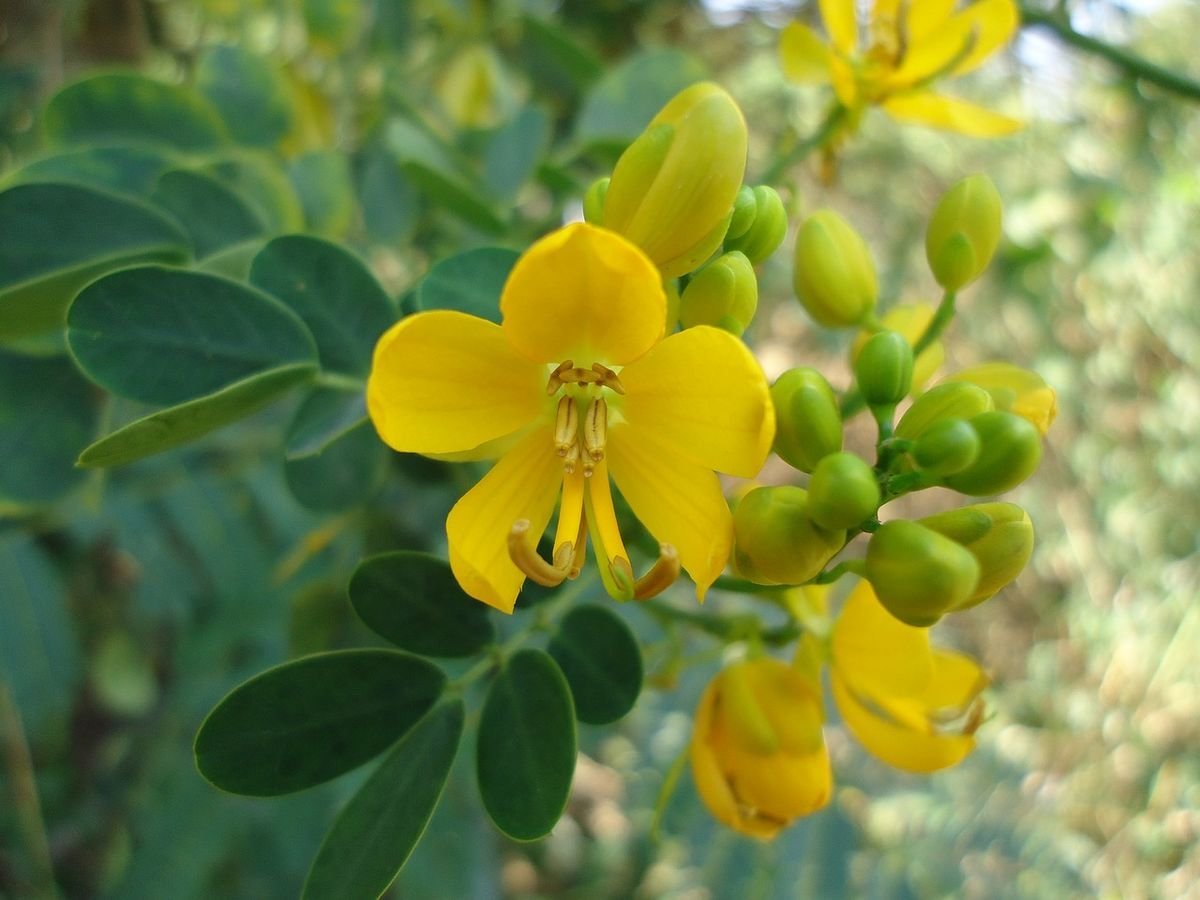
The recorded individual was feeding on Crotalaria flowers.
This is valuable direct evidence of its presence on the mountain, but it is not a complete distribution survey.
Diet and Feeding Behaviour
The Malachite Sunbird feeds mainly on nectar.
It visits flowering plants and uses its long curved bill to reach nectar.
It may feed on:
- Flower nectar.
- Small insects.
- Other small invertebrates.
The Kilimanjaro study specifically recorded it feeding at Crotalaria flowers near Londorosi.
Broader species accounts also describe feeding at flowering aloes and other nectar-producing plants.
Flight and Behaviour
The Malachite Sunbird is an active and conspicuous visitor to flowering plants.
Males may defend feeding areas and chase other sunbirds away from nectar sources.
The elongated central tail feathers of the male are particularly noticeable in flight.
Males may also use elevated perches for calling and display.
Calls and Vocalisations
The species gives sharp contact notes and a rapid, scratchy twittering song.
Males may sing from elevated perches and produce calls during chases around flowering plants.
Use a verified recording of Nectarinia famosa for the website audio player.
Migration and Seasonal Presence
The Malachite Sunbird can show seasonal changes in plumage, and movements associated with flowering resources are described in broader accounts.
The Kilimanjaro field record does not establish an exact local migration calendar.
Do not publish fixed seasonal arrival and departure dates for the mountain population.
Breeding and Nesting
The Malachite Sunbird builds a suspended nest from plant materials.
Species accounts describe a hanging structure made of fibres and other vegetation.
The male's breeding plumage and display behaviour are associated with reproductive activity.
A specific Kilimanjaro nest location or local breeding period is not established here.
Ecological Importance
The Malachite Sunbird is an important nectar visitor in open mountain habitats.
The Kilimanjaro observation at Crotalaria flowers provides direct evidence of its use of local flowering plants.
Its visits to flowers may contribute to pollination, while its insect feeding connects it to the wider food web.
Conservation
Malachite Sunbird is currently assessed as Least Concern on the IUCN Red List (2018 assessment).
The species uses flowering vegetation in montane grassland and other open habitats.
Maintaining flowering plants and suitable highland vegetation is important for nectar-feeding birds.
Do not infer a local Kilimanjaro population trend from a global conservation assessment.
Birdwatching on Kilimanjaro
The published mountain record comes from the western slope around 2,100 m, near the Londorosi pond.
Look for suitable flowering vegetation and open montane habitats.
Pay particular attention to:
- Flowering Crotalaria.
- Open woodland edges.
- Flower-rich clearings.
- Elevated perches.
The breeding male's long tail and bright emerald plumage are especially useful identification features.
Honest Expectations
The Malachite Sunbird has a specific published Kilimanjaro observation, but visitors should not be promised a sighting at Londorosi or elsewhere.
Its appearance can change considerably outside the breeding season, so a brown-looking individual should not automatically be dismissed as a female.
Malachite Sunbird - Frequently Asked Questions
Planning a birdwatching visit? These answers may help
What is the scientific name of the Malachite Sunbird?
Its scientific name is Nectarinia famosa.
Which family does it belong to?
It belongs to the Nectariniidae family.
How large is the Malachite Sunbird?
The male measures approximately 22–25 cm including its elongated tail feathers, while the female is around 15 cm.
What makes the breeding male distinctive?
Its brilliant emerald-green plumage, elongated central tail feathers and yellow pectoral tufts.
Does the female have brilliant green plumage?
No. The female is generally olive-brown above and yellowish below.
What happens to the male outside the breeding season?
It becomes much browner and can resemble the female, although some green feathering and the long tail may remain.
What does the Malachite Sunbird eat?
It feeds mainly on nectar and also takes insects.
Is it recorded on Mount Kilimanjaro?
Yes. A published field study recorded it on the western slope.
What local elevation record is available?
Approximately 2,100 m near the Londorosi pond.
Which flowers were recorded as food on Kilimanjaro?
The study recorded it feeding at Crotalaria flowers.
Is the Londorosi observation proof of a population throughout the mountain?
No. It is a specific field observation.
Does it have a long bill?
Yes. Its long curved bill helps it reach nectar.
How can it be distinguished from the Red-tufted Sunbird?
The breeding male Malachite Sunbird has yellow pectoral tufts and brilliant emerald plumage, while the Red-tufted Sunbird has red tufts and a different highland distribution.
Does it defend flowers?
Males may defend productive nectar sources against other birds.
What does its call sound like?
It gives sharp contact notes and a rapid, scratchy twittering song.
Does it build a hanging nest?
Yes. It constructs a suspended nest from plant material.
Is a Kilimanjaro nesting site confirmed?
A specific local nesting site is not established in this profile.
Does it contribute to pollination?
Its visits to flowering plants can contribute to pollination.
Can visitors expect to see it at Londorosi?
No sighting is guaranteed, even where a published record exists.
What is the best identification feature?
The breeding male's emerald-green body, long tail and yellow pectoral tufts.
Related Kilimanjaro Bird Guides
Other guides from the Sunbirds family and the Kilimanjaro bird guide


Discover the Birds of Mount Kilimanjaro
Kilimanjaro is home to a remarkable range of birdlife, from highland forest specialists to migratory visitors crossing open landscapes. Explore the mountain with African Majestic Adventure and discover more about its wildlife and natural environments.