
.jpg)
.jpg)
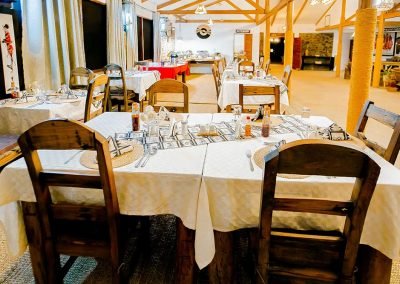 Ngorongoro Conservation Area
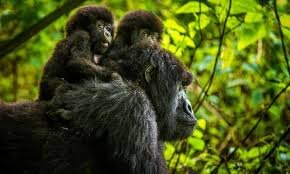 Volcanoes National Park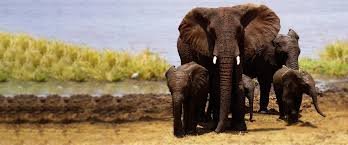
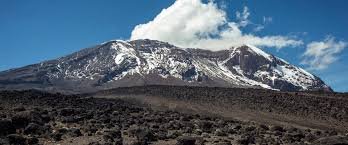
Tour Overview
Tour Highlights
What makes this trip special
Day-by-Day Itinerary
Your trip, day by day
Day 1: Machame Gate – Machame Camp (1,800m – 3,000m)
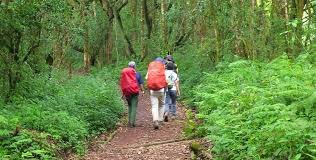
The tour begins at Machame Gate with registration and briefing by your guide team. The climb through dense rainforest takes 5–6 hours. On arrival at Machame Camp, enjoy the view and rest.
Day 2: Machame Camp – Shira Camp (3,000m – 3,840m)
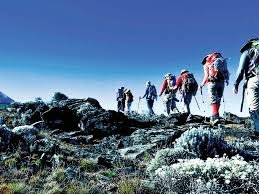
You hike through the moorland and heath zone to the Shira Plateau. The route takes 6–7 hours, with breathtaking views of the plateau and surrounding mountains.
Day 3: Shira Camp – Lava Tower – Barranco Camp (3,840m – 3,950m)
Climb to the Lava Tower for acclimatization, then descend to Barranco Camp. The hike takes 6–7 hours through lava fields and alpine landscapes.
Barranco Camp – Karanga Camp (3,950m – 4,200m)
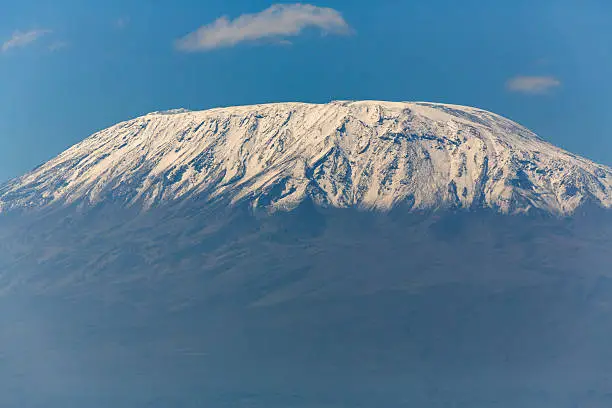
A moderate climb through the Karanga Valley, taking roughly 4-5 hours. The trail dips steeply down before climbing back up the far side of the valley, helping your body continue acclimatizing ahead of summit night. Arrive at Karanga Camp (4,200m) with views back across the southern icefields.
Karanga Camp – Barafu Camp (4,200m – 4,600m)
A shorter climbing day, roughly 4-5 hours, bringing you to Barafu Camp (4,600m) — the staging point for the summit attempt. The terrain turns rocky and exposed as you gain altitude. Rest and prepare your gear in the afternoon, with an early dinner and lights-out ahead of the midnight summit push.
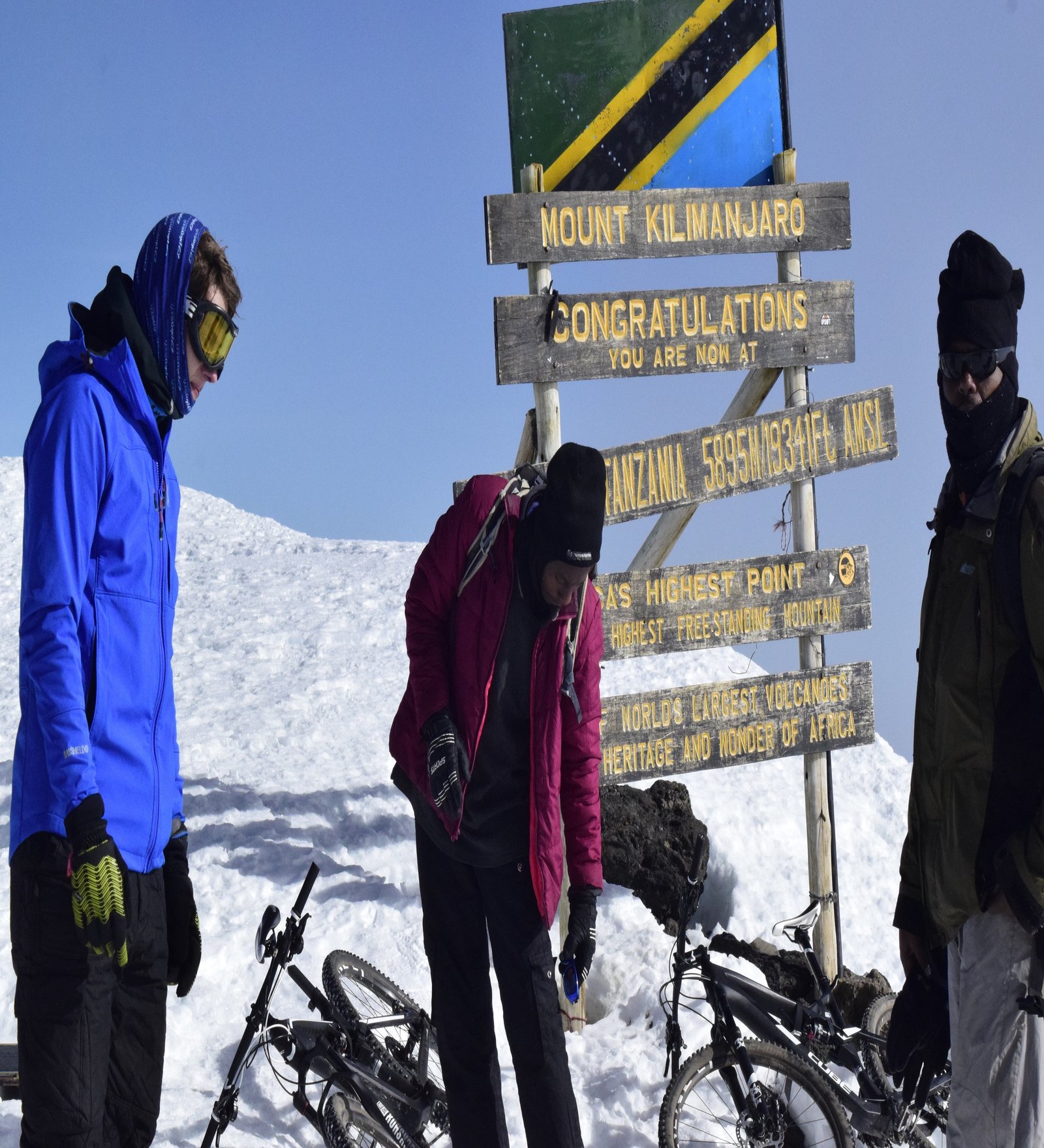
Barafu Camp – Uhuru Peak – Mweka Camp (4,600m – 5,895m – 3,100m)
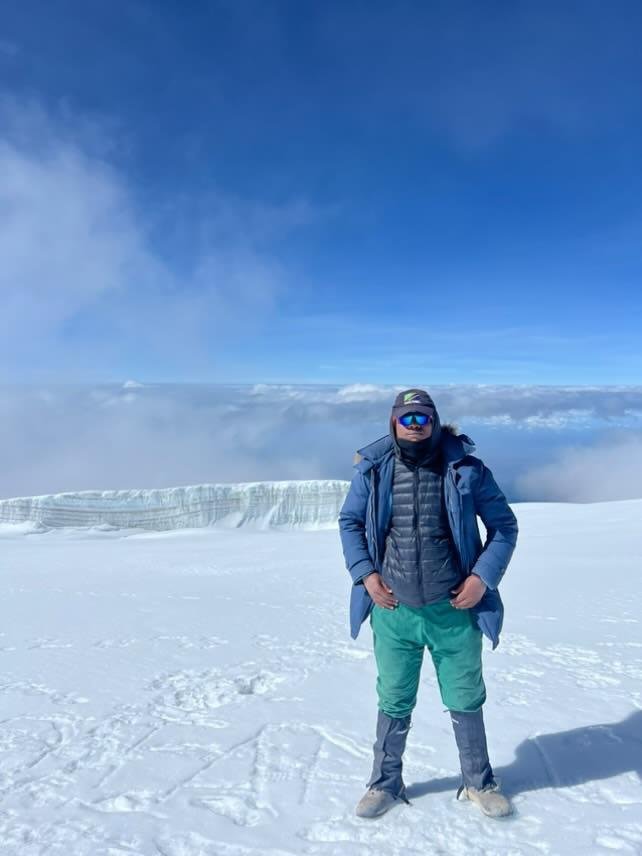
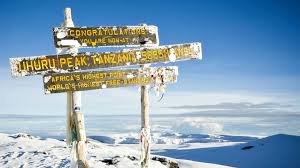
The summit day: depart Barafu Camp around midnight for the steady, switch-backing night climb to Stella Point and on to Uhuru Peak (5,895m), reaching the summit around sunrise. After time at Africa's highest point, descend back to Barafu to rest, then continue down to Mweka Camp (3,100m) the same day — a long, demanding but unforgettable 24 hours.
Day 7: Mweka Gate – Arusha – Tarangire National Park
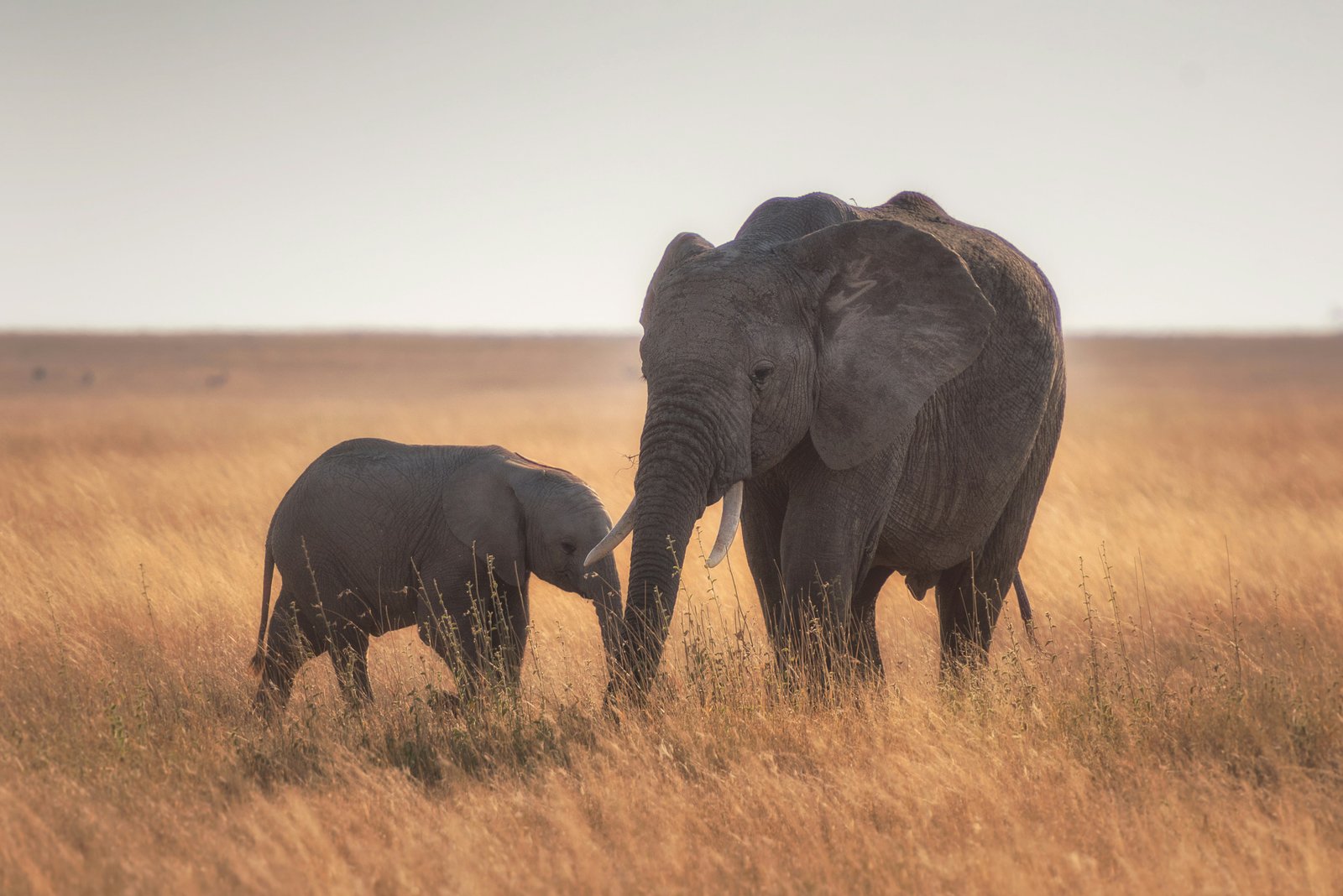
After breakfast you descend from Mweka Gate and drive back to Arusha. From there your safari to Tarangire National Park begins. Tarangire is known for large elephant herds, baobab trees and diverse wildlife.
Day 8: Tarangire – Ngorongoro Conservation Area
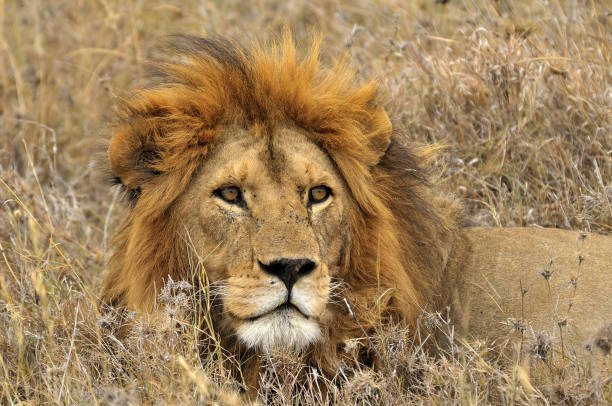
Morning game drive in Tarangire, then drive to the Ngorongoro Crater. The crater is famous for its high density of wildlife, including lions, rhinos and leopards. Enjoy an evening safari or lodge relaxation.
Day 9: Ngorongoro Crater – Serengeti National Park
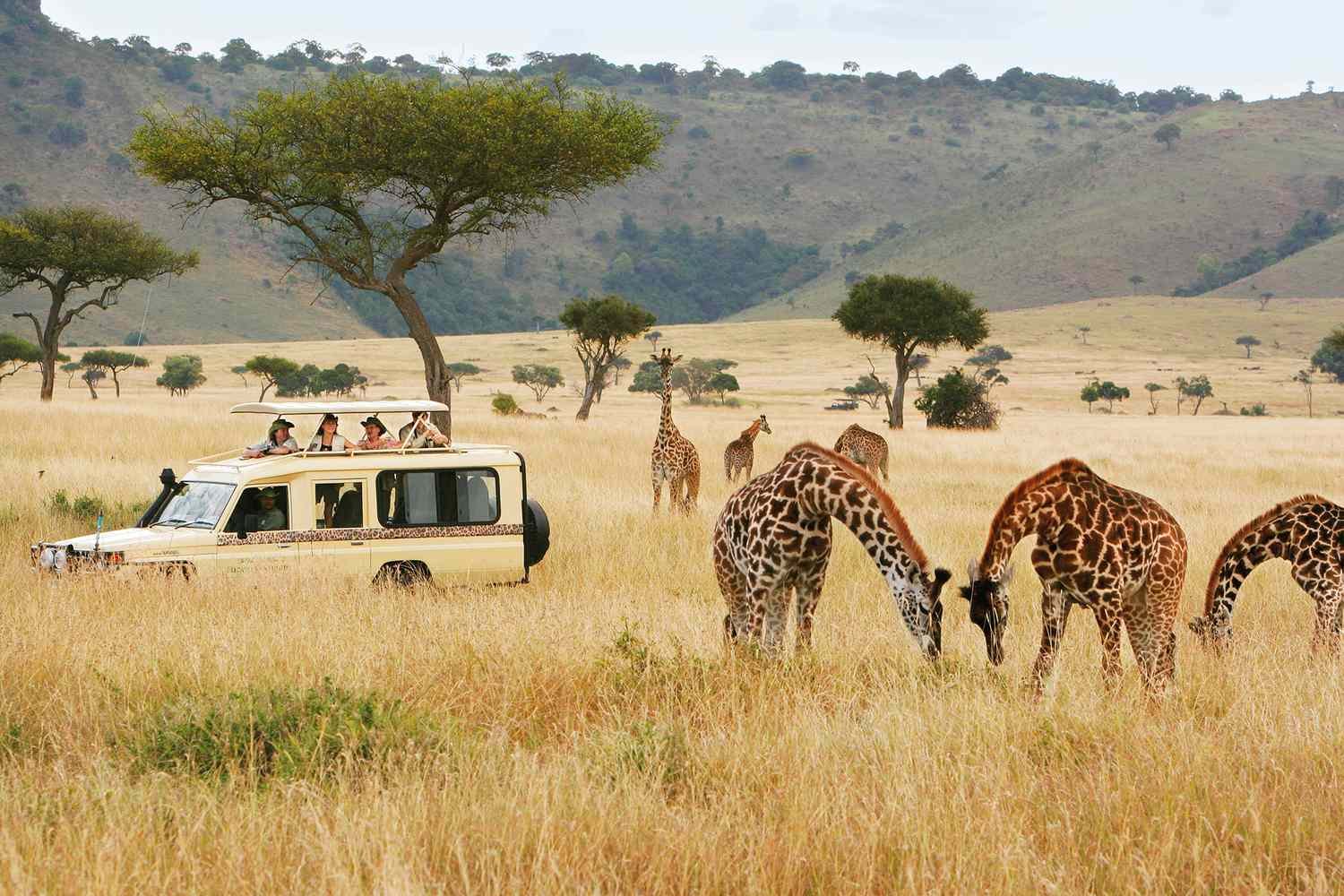
Departure for Serengeti National Park. Along the way you stop for photos and short breaks. In the Serengeti you experience endless plains, herds of zebra and wildebeest, and of course the Big Five on extended game drives.
Day 10: Serengeti National Park – Arusha / Kilimanjaro Airport
Final morning safari in the Serengeti, then drive back to Arusha or directly to Kilimanjaro International Airport for your onward flight. You bid farewell to Tanzania with unforgettable memories of summit experiences and wildlife adventures.
What's Included & Excluded
Know exactly what your package covers
Included
- Kilimanjaro National Park entry & camping/hut fees
- KPAP-certified mountain guides, cooks and porters
- All meals on the mountain (breakfast, packed lunch, dinner, hot drinks)
- Mountain camping equipment or hut accommodation (route-dependent)
- Treated drinking water throughout the climb
- Government rescue fees
- Airport transfer on arrival/departure
- Pre-climb briefing and equipment check
- All national park entrance fees
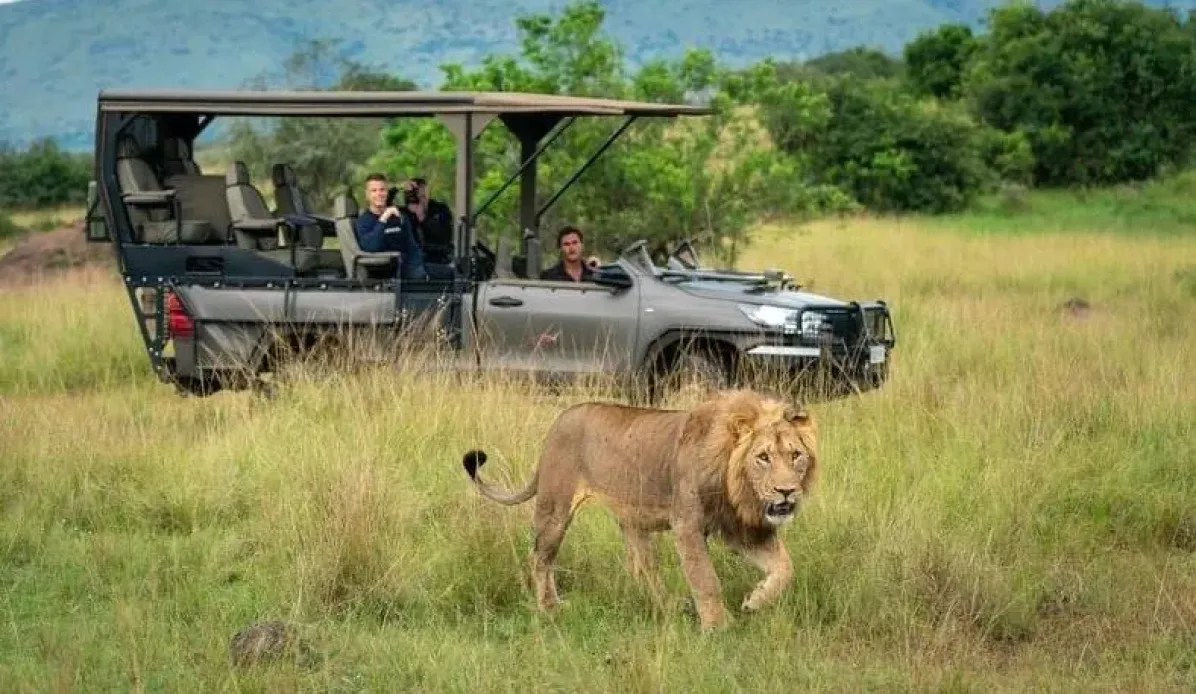
- 4x4 safari vehicle with pop-up roof for game viewing
- Professional English-speaking driver-guide
- Full board accommodation at camps/lodges
- Game drives per the itinerary
- Bottled drinking water in the vehicle
- Airport transfers
Not Included
- International flights
- Tanzania visa
- Travel & medical evacuation insurance
- Tips for guides, cooks and porters
- Personal climbing gear (boots, jacket, sleeping bag)
- Alcoholic drinks and snacks
- Hotel accommodation before/after the climb (unless stated)
- Travel insurance
- Tips for driver-guide and camp/lodge staff
- Alcoholic beverages
- Optional activities (hot air balloon, cultural visits) unless stated
- Personal expenses
Best Time to Travel
The clearest, driest climbing conditions fall in two windows: late June through October, and January to mid-March. Kilimanjaro can be climbed year-round, but the short and long rains (November, and April-May) bring wetter trails and lower summit visibility.
Camping (mountain tents, full trekking crew) + safari lodges and tented camps
Full board throughout — mountain meals during the climb, lodge/camp meals on safari
What to Pack
Suggested gear for this trip
You Might Also Like
Similar tours our guests love
Get a Free Quote
Tell us about your trip and we'll get back to you within 24 hours — or message us on WhatsApp for a faster reply.