.jpg)
.jpg)
 Ngorongoro Conservation Area
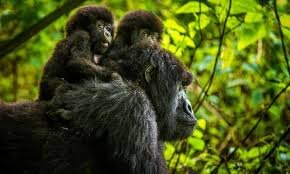 Volcanoes National Park
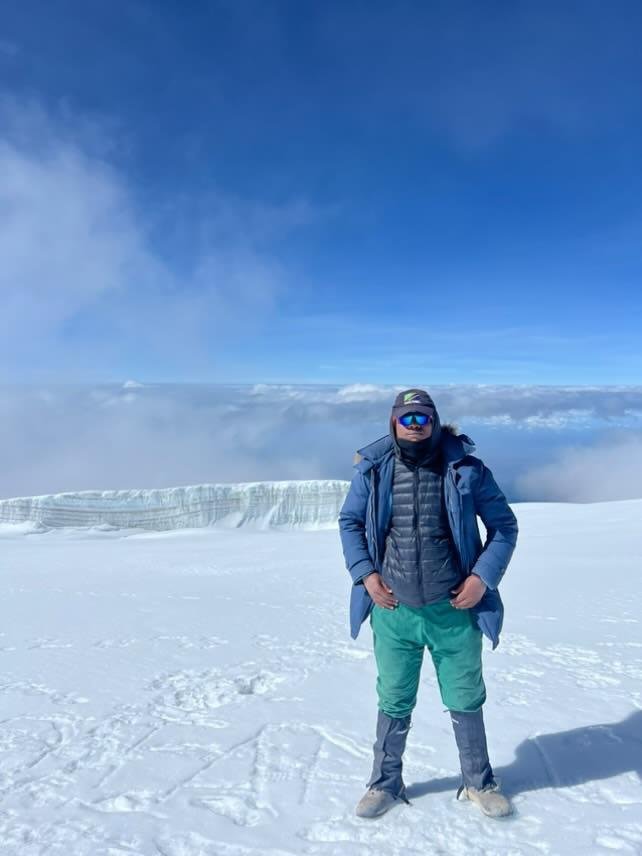
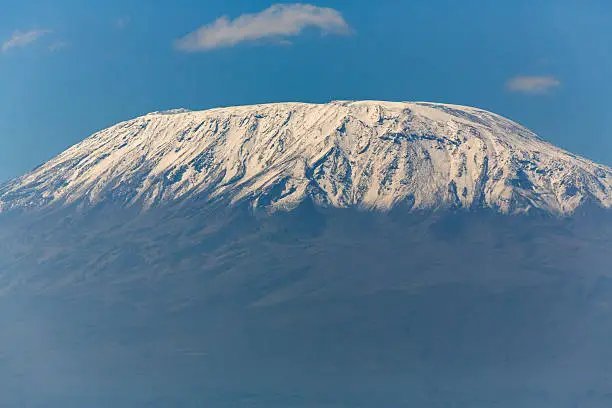
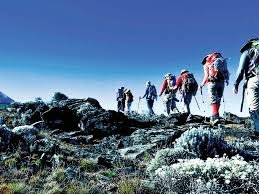
Mount Kilimanjaro is not a technical mountaineering challenge - there are no ropes, ice axes, or vertical climbing sections. And yet, every year, thousands of climbers turn back. The difference between success and failure is not luck; it is planning, preparation, and smart choices. This complete 2025-2026 guide gives you a clear, actionable roadmap to standing on the Roof of Africa.
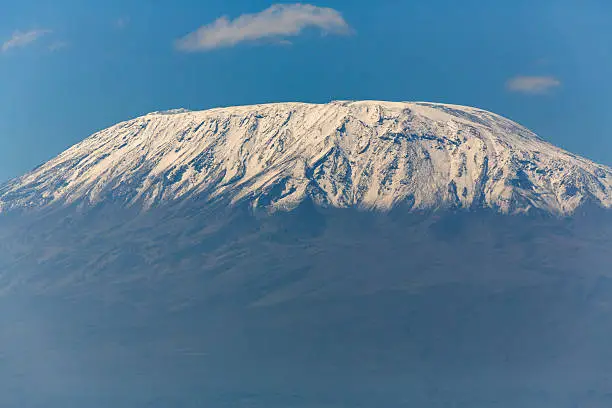
Climbing Kilimanjaro is one of the most achievable high-altitude treks in the world - but "achievable" does not mean "easy". At 5,895 metres (19,341 feet), the mountain's altitude is the real challenge. Your body needs time to acclimatise, your legs need training, and your mind needs resilience. This guide breaks down the entire process into eight clear steps: choosing your route, preparing your body and mind, packing essential gear, mastering altitude acclimatisation, selecting a responsible operator, understanding costs, navigating summit night, and following a sample itinerary. By the end, you will have the knowledge and confidence to book your climb, train effectively, and reach Uhuru Peak safely.
I. Step One - Choose Your Route (It Determines Your Success)
Kilimanjaro has seven official routes. The single most important decision you will make is how many days you spend on the mountain. Longer routes (7-9 days) dramatically improve your chances of summiting (90-95%) because they allow proper acclimatisation. Shorter routes (5-6 days) have success rates as low as 50-65%.
| Route | Duration | Success Rate | Scenery | Crowds | Best For |
|---|---|---|---|---|---|
| Northern Circuit | 8-9 days | ~95% | Excellent - least crowded, 360? views | Very low | Those with time for maximum success |
| Lemosho (8 day) | 8 days | 93-95% | Excellent - varied, wildlife | Low to moderate | Best balance of scenery and success |
| Lemosho (7 day) | 7 days | 90-92% | Good | Moderate | Most popular long option |
| Machame (7 day) | 7 days | 85-90% | Very good - "Whiskey Route" | High | Classic camping route |
| Machame (6 day) | 6 days | 75-80% | Good | Very high | Shorter, but lower success |
Our Recommendation
For first-time climbers who want the highest chance of success, we recommend the 8-day Lemosho route. It offers stunning scenery, excellent acclimatisation, and a 93-95% success rate. If you have limited time, the 7-day Machame route is also a solid choice.
II. Step Two - Train Your Body (3-6 Months Before)
You do not need to be an elite athlete, but you do need good cardiovascular endurance, leg strength, and the ability to hike 5-8 hours on consecutive days. The key is volume and consistency, not speed. Start training 3-6 months ahead.
- Cardio: Hiking on hills, stair climbing, brisk walking, cycling, or swimming for 30-60 minutes, 3-5 times per week.
- Strength: Squats, lunges, step-ups, deadlifts, core exercises (planks, crunches) - 2 sessions per week.
- Weighted hikes: On weekends, hike for 4-8 hours carrying a 5-8 kg daypack. Gradually increase elevation gain.
- Goal: Be comfortable hiking 10-15 km with 500-1,000 metres of elevation gain without excessive fatigue.
Mental Training - Do Not Underestimate It
Summit night will test your willpower. Visualise reaching Uhuru Peak. Prepare to be cold, tired, and short of breath. Break the summit push into small goals: "just 100 more steps". Your mind is your most important muscle.
III. Step Three - Master Altitude Acclimatisation
Altitude sickness is the number one reason climbers turn back. Understanding how to prevent and recognise it is essential.
- What is AMS? Acute Mountain Sickness can affect anyone, regardless of age or fitness. Symptoms: headache, nausea, dizziness, fatigue, loss of appetite.
- Acclimatisation strategy: Choose a longer route (7-9 days). Follow the "climb high, sleep low" principle. Drink 3-4 litres of water daily. Eat high-carbohydrate meals even when not hungry.
- Diamox (Acetazolamide): Consult your doctor 6-8 weeks before. Diamox can help prevent and treat AMS but is not a substitute for proper acclimatisation.
- Listen to your guide: If you have moderate or severe AMS symptoms, the only effective treatment is to descend immediately. Never push through - altitude does not negotiate.
Daily Health Monitoring
Professional guides use a pulse oximeter to check your oxygen saturation and heart rate each morning and evening. Be honest about how you feel. If your oxygen saturation drops too low, your guide may recommend a slower pace or, in severe cases, evacuation.
IV. Step Four - Pack the Essential Gear
Kilimanjaro passes through five climate zones - from tropical rainforest to arctic summit conditions. The layering system is non-negotiable. Your duffel bag (carried by porters) can weigh up to 15 kg; your daypack (carried by you) should be 5-7 kg.
- Clothing layers: Merino wool base layers (2), fleece mid-layer, softshell jacket, heavy down jacket (summit night), waterproof shell jacket and pants.
- Footwear: Waterproof, broken-in hiking boots (never new!), wool hiking socks (3-4 pairs), liner socks, camp shoes (sandals).
- Sleeping gear: Sleeping bag rated to -10 C or -20 C, insulated sleeping pad (most operators provide pads).
- Accessories: Sun hat, warm beanie, balaclava, glacier glasses (UV protection), trekking poles (essential), headlamp with extra batteries.
- Hydration & health: Water bladder or bottles (2-3 L total), water purification tablets, sunscreen SPF 50+, lip balm, personal first-aid kit.
Rental vs. Buy
You can rent sleeping bags, down jackets, trekking poles, and waterproof pants in Moshi for $100-$300. Bring your own broken-in boots, merino layers, and headlamp from home. Check with your operator about included gear.
V. Step Five - Choose a Responsible Operator (KPAP Matters)
Your operator determines everything: quality of guides, safety equipment, food, porter treatment, and your chance of summiting. Do not book based solely on price.
- KPAP membership: The Kilimanjaro Porters Assistance Project ensures fair wages, reasonable loads (max 20 kg), and proper treatment for porters.
- Safety equipment: Emergency oxygen, Gamow bag (hyperbaric chamber), pulse oximeters, and satellite phone should be standard.
- Reviews: Look for recent, verified reviews mentioning specific routes and guides.
- Transparent pricing: A safe 7-9 day climb costs $2,500-$4,500. If the price is below $1,800, corners are being cut.
VI. Step Six - Budget Your Climb
| Expense | Estimated Cost (USD) | Notes |
|---|---|---|
| Climb package (7-9 day mid-range) | $2,500 - $4,500 | Includes park fees, camping, guides, porters, food, transfers |
| International flights | $800 - $1,500 | Round-trip to Kilimanjaro Airport (JRO) |
| Travel insurance (high-altitude cover) | $50 - $150 | Must cover trekking up to 6,000m |
| Tipping (crew) | $250 - $500 | Per climber, shared among guides, cook, porters |
| Gear rental | $100 - $300 | Sleeping bag, down jacket, etc. |
| Accommodation before/after | $80 - $200 | Hotels in Moshi or Arusha |
VII. Step Seven - Understand Summit Night
Summit night is the most physically demanding part of the climb. You will wake around 11:00 pm or midnight, eat a light snack, and begin ascending in the dark. The trail is steep, loose scree, and the air is thin (50% oxygen at the summit). You will hike for 6-8 hours to reach Uhuru Peak, then descend back to camp (another 3-5 hours).
- Fueling: Eat a light meal before departure. Carry quick-energy snacks (energy bars, chocolate, nuts). Sip warm tea or water throughout.
- Dress for extreme cold: Wear all your layers: base layer, fleece, softshell, down jacket, waterproof shell. Liner gloves under heavy mittens. Balaclava to protect your face.
- Mental strategy: Focus on the next 50 steps, not the summit. Trust your guide. Know that feeling exhausted is normal - but you can keep moving.
- At the summit: Celebrate briefly (15-20 minutes). Take your photos, then begin descent. Most accidents occur on the descent - stay focused.
Summit Night Advice from Guides
"The hardest part is between 3:00 am and 5:00 am. Your body is tired, it's cold, and the summit still seems far away. Keep moving, even if very slowly. Your guide will set the pace. Do not stop for more than 5 minutes. Every step you take is a step closer to Uhuru Peak."
VIII. Step Eight - Sample 8-Day Lemosho Itinerary
| Day | Accommodation | Hiking Time | Highlights |
|---|---|---|---|
| Day 1: Londorossi Gate to Mti Mkubwa Camp | Mti Mkubwa Camp (2,650 m) | 3-4 hours | Rainforest zone, colobus monkeys |
| Day 2: Mti Mkubwa to Shira Camp 1 | Shira Camp 1 (3,610 m) | 5-6 hours | Moorland, views of Kibo |
| Day 3: Shira Camp 1 to Shira Camp 2 | Shira Camp 2 (3,850 m) | 3-4 hours | Acclimatisation hike, Shira Plateau |
| Day 4: Shira 2 to Lava Tower to Barranco Camp | Barranco Camp (3,960 m) | 6-7 hours | Lava Tower (4,630 m) - climb high, sleep low |
| Day 5: Barranco to Karanga Camp | Karanga Camp (4,035 m) | 4-5 hours | Barranco Wall climb, views of Heim Glacier |
| Day 6: Karanga to Barafu Camp | Barafu Camp (4,673 m) | 4-5 hours | Prepare for summit, early rest |
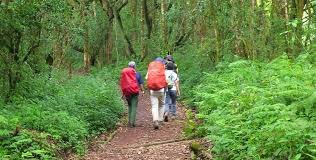
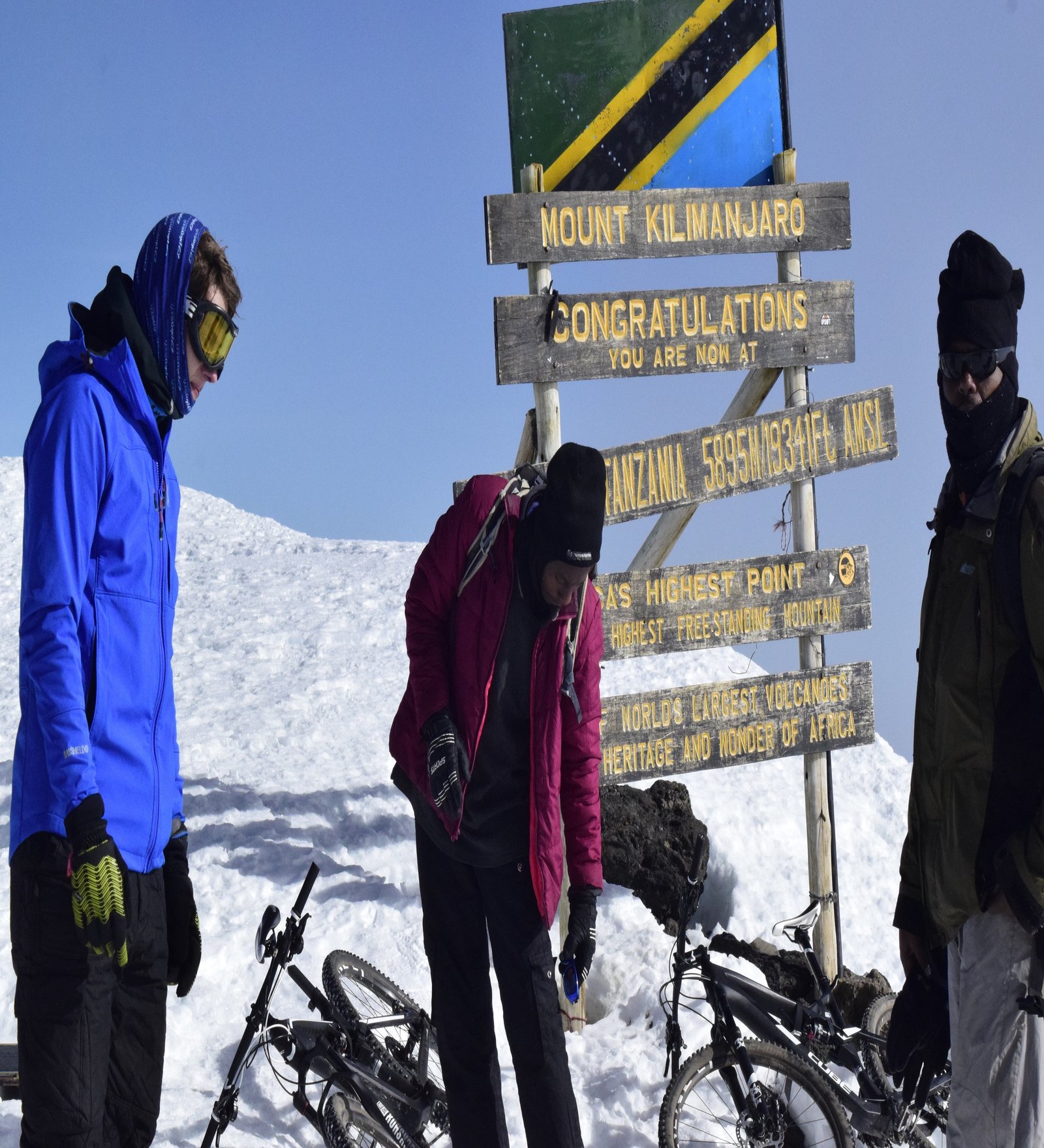
| Day 7: Summit night - Barafu to Uhuru Peak to Mweka Camp | Mweka Camp (3,100 m) | 12-14 hours total | Uhuru Peak (5,895 m), Stella Point |
| Day 8: Mweka Camp to Mweka Gate | - | 3-4 hours | Rainforest descent, celebration |
Frequently Asked Questions About Climbing Kilimanjaro
Do I need climbing experience to climb Kilimanjaro?
No. Kilimanjaro is a trek, not a technical climb. You do not need ropes, ice axes, or previous mountaineering experience. However, you need good cardiovascular fitness and mental resilience.
What is the success rate of climbing Kilimanjaro?
Overall average is 60-80%. However, on longer routes (7-9 days) with a professional operator, success rates exceed 90%. On shorter routes (5 days), success rates can be as low as 50-65%.
How much does it cost to climb Kilimanjaro?
A safe, responsible climb with a high success rate costs $2,500-$4,500 for a 7-9 day itinerary (excluding flights, tips, and gear). Avoid operators charging less than $1,800 - they cut corners on safety and porter welfare.
What is the best month to climb Kilimanjaro?
The best months are January-March (warmer, less crowded) and June-October (cooler, clearest skies, most popular). Avoid March-May (long rains) if possible, as trails become muddy and success rates drop.
What is the weight limit for my duffel bag?
Porters carry a maximum of 15 kg (33 lbs) per climber in a soft-sided duffel bag. Your daypack (5-7 kg) is carried by you. Hard suitcases are not permitted.
Can I climb Kilimanjaro solo?
Yes. You can join a group (cost-effective), book a private solo climb (more expensive), or request a "group joining" departure where you share the trek with other independent travellers.
IX. Final Verdict - Respect the Mountain, Prepare Thoroughly
Climbing Kilimanjaro is not a sprint - it is a journey. The climbers who succeed are the ones who respect the mountain. They choose longer routes, train their bodies and minds, pack the right gear, listen to their guides, and never ignore symptoms of altitude sickness. By following the steps in this guide - selecting a responsible operator, training consistently, budgeting realistically, and preparing for summit night - you transform your chances from a coin toss into a near certainty. When you stand on Uhuru Peak and watch the sunrise over the African plains, you will know that every hour of preparation was worth it. Africa's roof is waiting. Plan well, and you will stand on it.
African Majestic Adventure's Commitment: We are a KPAP-certified operator with Wilderness First Responder guides, comprehensive safety equipment (oxygen, Gamow bag, satellite phone), and transparent, all-inclusive pricing. We run only 7-9 day itineraries on Lemosho, Machame, and Northern Circuit - the routes that give you the highest chance of success. Our crews are paid fairly, fed well, and treated with respect. When you climb with us, you join a team that has led thousands to the summit safely. Contact us to begin planning your Kilimanjaro adventure - we will guide you every step of the way.