.jpg)
.jpg)
 Ngorongoro Conservation Area
 Volcanoes National Park
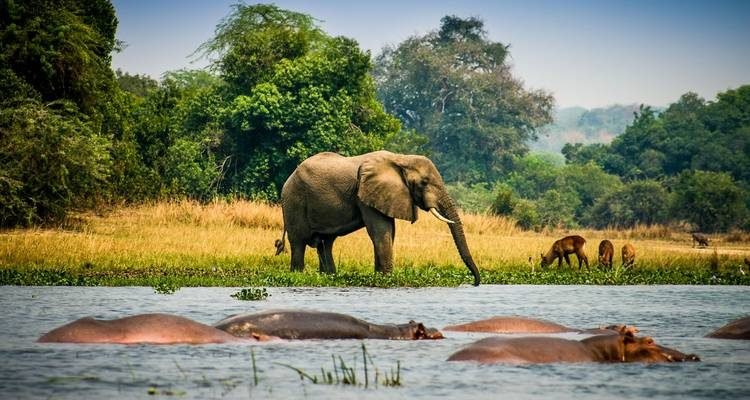
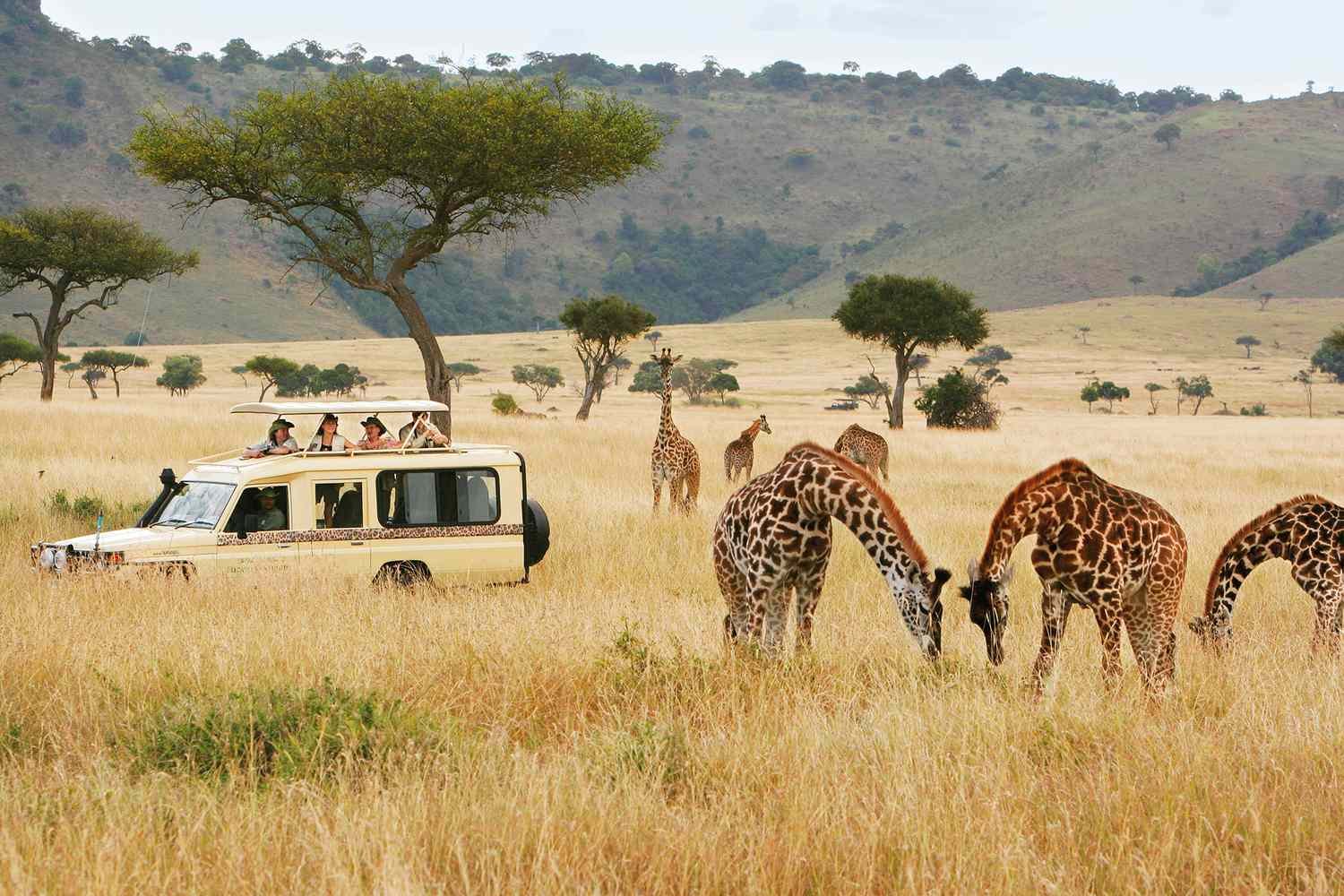
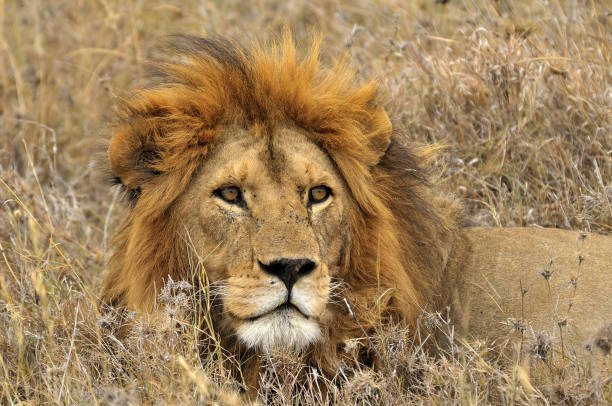
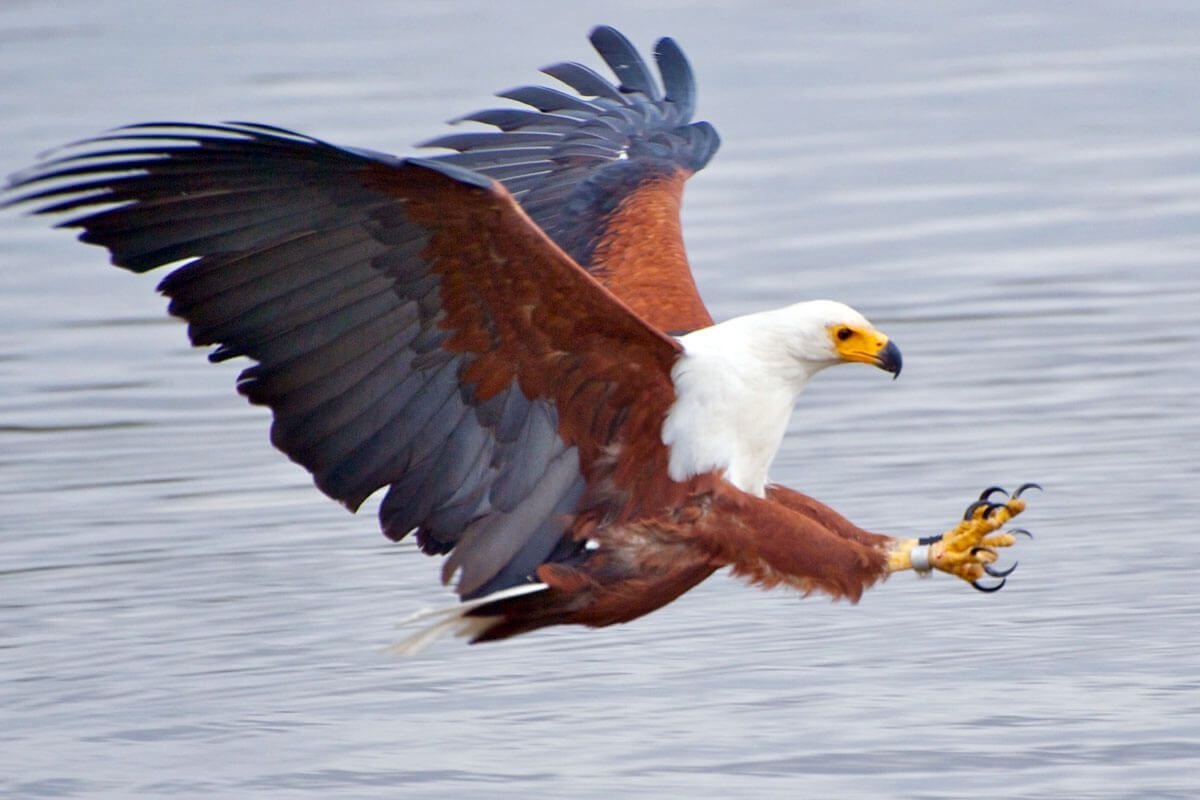
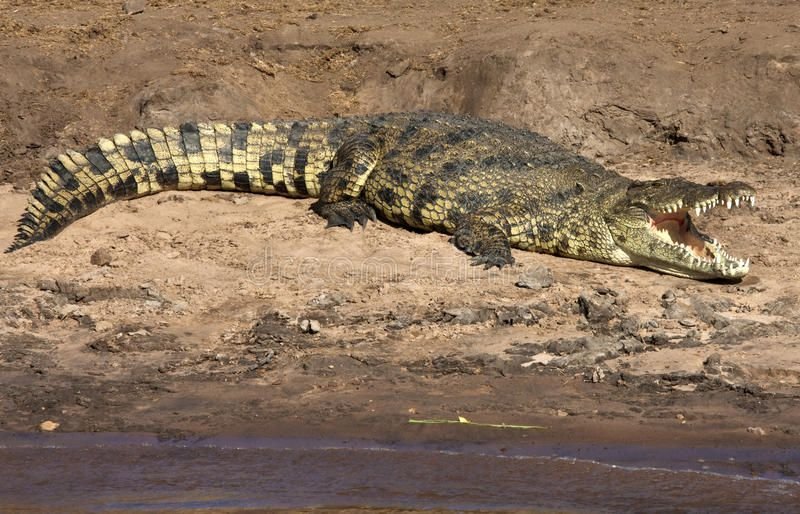
A well-planned safari is completely different from a rushed one. This comprehensive 2025-2026 guide walks you through every step - from choosing the right season and parks, to budgeting, packing, booking, and staying safe - so you can craft the adventure of a lifetime with clarity and confidence.
Planning a Tanzania safari can feel exciting and overwhelming at the same time. With 22 national parks, several distinct safari circuits, fluctuating seasons, and a wide range of accommodation and transport options, most travellers aren't sure where to start or what actually matters. The good news is that Tanzania remains one of Africa's top wildlife destinations, with stable conservation efforts, improving infrastructure, and a wealth of experienced local operators ready to help you design your perfect itinerary. This guide is written by an Arusha-based operator with decades of on-the-ground experience, and it is designed to answer the seven most critical questions you will face when planning your safari: when to go, which parks to visit, how to budget, where to stay, how to get around, what to pack, and how to stay safe and healthy. Follow these steps, and you will be ready to witness the Great Migration, the Big Five, and the endless plains of the Serengeti with your own eyes.
I. Step One - Choose the Best Time for Your Safari
There is no single "best" month to visit Tanzania - there are simply different months for different priorities. The dry season (June to October) is widely considered the best for general wildlife viewing, while the green season (November to March) offers lower prices, fewer crowds, and the spectacular calving season in the southern Serengeti. Understanding these seasonal patterns is the first and most important decision in your planning process.
| Season | Months | Weather & Landscape | Wildlife Highlights | Pros & Cons |
|---|---|---|---|---|
| Peak Dry | June - October | Dry, sunny, little rain. Vegetation is sparse. Animals gather around remaining water sources. | Excellent general game viewing. Great Migration river crossings in northern Serengeti (July-October). Predator sightings are reliable. | Pros: Best wildlife visibility; Cons: Highest prices, crowded lodges, need to book 6-12 months in advance |
| Green / Calving | November - March | Lush green landscapes, occasional afternoon showers. Short rains (Nov-Dec) and long rains (March-May) are distinct. | Wildebeest calving season in southern Serengeti (January-February) - up to 8,000 calves born daily, intense predator action. Migratory birds present. | Pros: Fewer crowds, lower prices (except Christmas), lush scenery, birdwatching excellence; Cons: Some roads muddy, animals harder to spot in tall grass |
| Long Rains | April - May | Heavy afternoon downpours, high humidity, some camps close. | Wildlife still present but more dispersed. Lush landscapes, excellent for photographers and birders. | Pros: Lowest prices of the year (30-50% discounts); Cons: Unpredictable weather, muddy roads, fewer tours operating |
Quick Seasonal Recommendations
- Best overall wildlife viewing: June-October (dry season)
- Best for river crossings (Great Migration): July-September (northern Serengeti)
- Best for predator action (calving season): January-February (southern Serengeti Ndutu plains)
- Best for budget travel & fewer crowds: March-May (long rains)
- Best for birdwatching: November-April (migratory birds present)
II. Step Two - Decide Which Parks to Visit
Tanzania has over 20 national parks, but not all are necessary for every trip. For first-time visitors, the Northern Circuit is the most rewarding and efficient route, offering a variety of landscapes and high wildlife density without excessive travel time. The classic combination includes Serengeti National Park, Ngorongoro Crater, Tarangire National Park, and often Lake Manyara National Park.