.jpg)
.jpg)
 Ngorongoro Conservation Area
 Volcanoes National Park
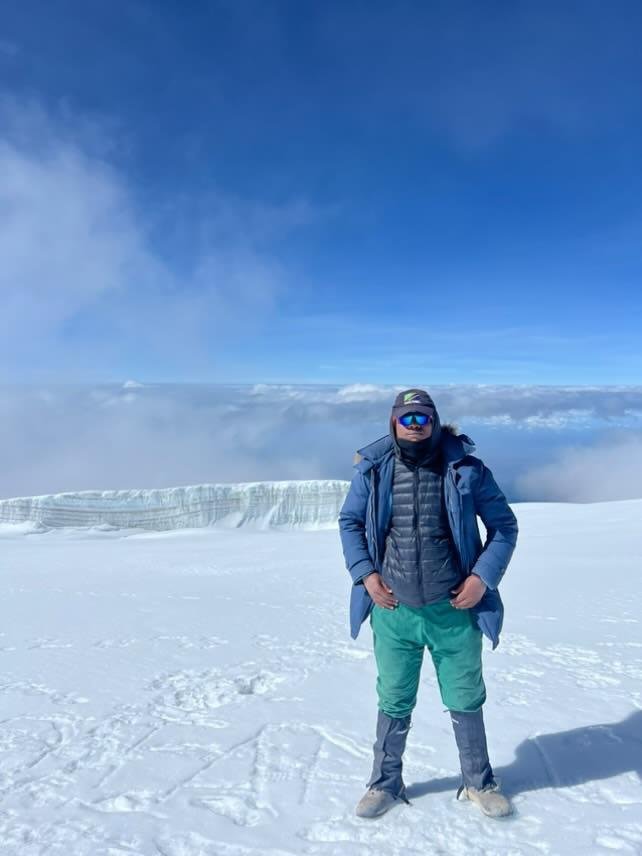
Lemosho, Northern Circuit, Machame - a complete guide to choosing the path that takes you to Uhuru Peak
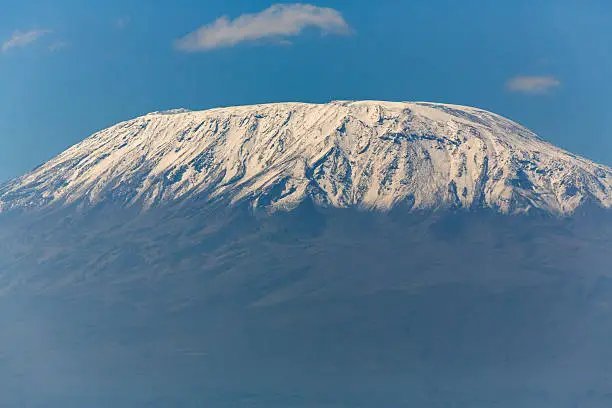
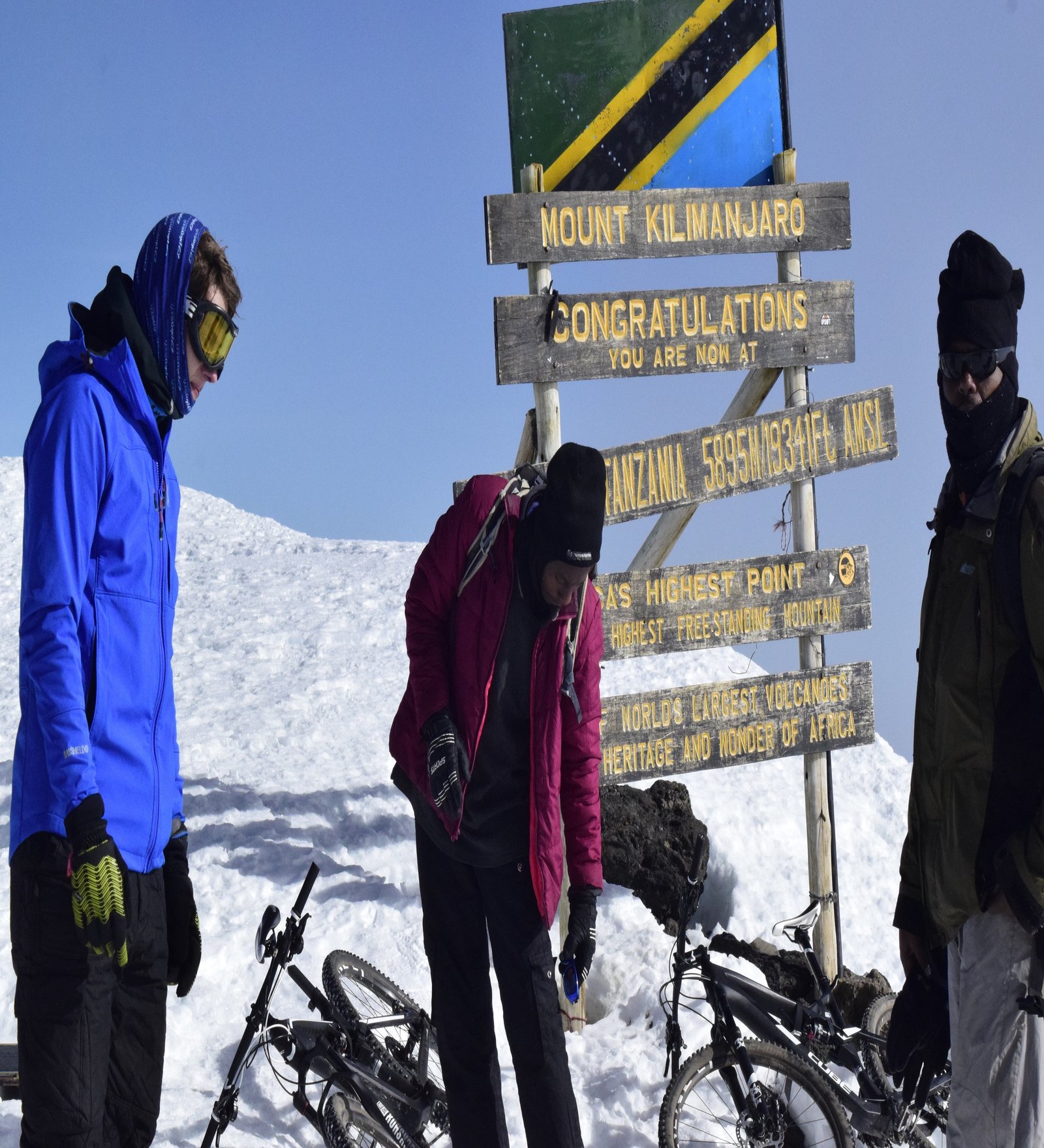
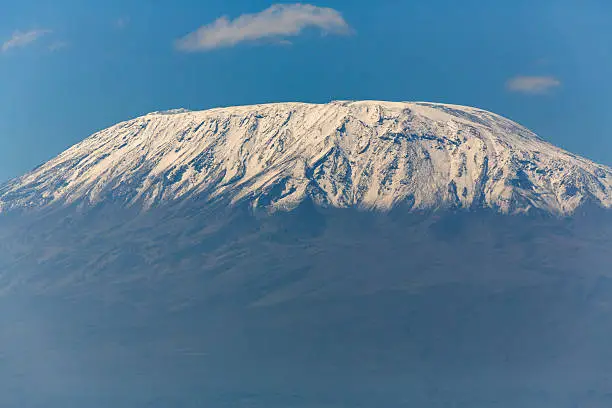
Reaching the summit of Kilimanjaro (5,895 m) is as much about route selection as it is about fitness. The longer you spend on the mountain, the better your body adapts to altitude. Success rates vary dramatically - from 85% on the 8-day Lemosho to less than 50% on the 5-day Marangu. This guide compares all official routes, so you can make an informed decision.
Why route length matters
Altitude sickness is the number one reason climbers fail. The magic of acclimatisation is simple: climb high, sleep low. Routes that include a "climb high" day (e.g., Lemosho's Lava Tower excursion) dramatically boost your chances. Every extra day on the mountain increases your summit probability by approximately 10-15%.
Key statistic: Climbers who spend 8+ days on Kilimanjaro have a success rate above 90%, compared to 50-60% for 5-day routes.
Route comparison table
| Route | Duration | Success Rate (estimate) | Difficulty | Scenery | Crowds |
|---|---|---|---|---|---|
| Lemosho | 8-9 days | 90-95% | Moderate | Medium | |
| Northern Circuit | 9-10 days | 95%+ | Moderate | Very low | |
| Machame | 6-7 days | 75-85% | Strenuous | High | |
| Rongai | 6-7 days | 70-80% | Easy | Low | |
| Marangu | 5-6 days | 50-60% | Easy (but fast) | Very high | |
| Shira | 7-8 days | 80-85% | Moderate | Low | |
| Umbwe | 6-7 days | 60-70% | Very hard | Very low |
Detailed route breakdown
Lemosho (8-9 days) - the gold standard for success
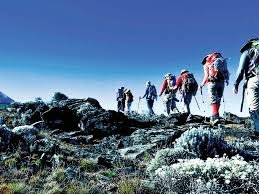
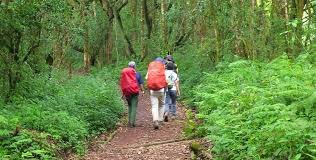
Lemosho starts on the western side, crossing pristine rainforest and the Shira Plateau. It joins the Machame route but adds extra days for acclimatisation, including the famous Lava Tower (4,600 m) hike before sleeping at Barranco Camp (3,900 m). This "high-low" day is crucial. Over 90% of climbers who choose the 8-day Lemosho reach Uhuru Peak.
Northern Circuit (9-10 days) - the ultimate acclimatisation
The longest and least crowded route, the Northern Circuit circles around the mountain's north side, reaching altitudes of 4,000-4,200 m early before descending to sleep lower. With a success rate exceeding 95%, it is the safest choice for those who have the time and budget.
Machame (6-7 days) - the scenic "whiskey" route
Machame is the most popular route for a reason: stunning views (Barranco Wall, Karanga Valley) and a solid 75-85% success rate when done over 7 days. However, the 6-day version forces a steep ascent and less rest, lowering chances. Always opt for 7 days.
Marangu (5-6 days) - the "Coca-Cola" route (lowest success)
Marangu is the only route with hut accommodation, but it suffers from rushed ascent profiles. The 5-day schedule offers almost no acclimatisation - success rates drop below 50%. The 6-day version is better but still trails far behind Lemosho or Machame.
Rongai (6-7 days) - the dry side approach
Starting near the Kenyan border, Rongai is easier (less steep) and less crowded, but the scenery is drier and less varied. Success rates are moderate (70-80%). Good for wet season climbs.
Umbwe (6-7 days) - for experienced mountaineers only
Umbwe is steep, direct, and incredibly challenging. Only recommended for previous high-altitude trekkers. Success rates are low due to rapid altitude gain - around 60-70%.
Pro tip: If you can afford only 6-7 days, choose the 7-day Machame over 6-day Rongai or 6-day Lemosho (some operators offer 6-day Lemosho - avoid it). Every extra day is an investment in your summit dream.
Other factors affecting success
- Physical preparation - Cardiovascular training (hiking with weighted pack) 3-4 months before.
- Medication - Acetazolamide (Diamox) can help prevent altitude sickness; consult your doctor.
- Season - Dry months (June-October, December-February) are easier; wet season trails are muddy and slippery.
- Guide quality - Experienced guides who enforce "pole pole" and monitor oxygen saturation make all the difference.